
- Grid Flexibility
- Virtual Power Plant
- Digital Energy
- Aggregation
Virtual Power Plants
Rooftop Solar | Batteries | EV Chargers | Flexible Loads | DERMS | Markets
Thousands of small assets, run as one power plant.
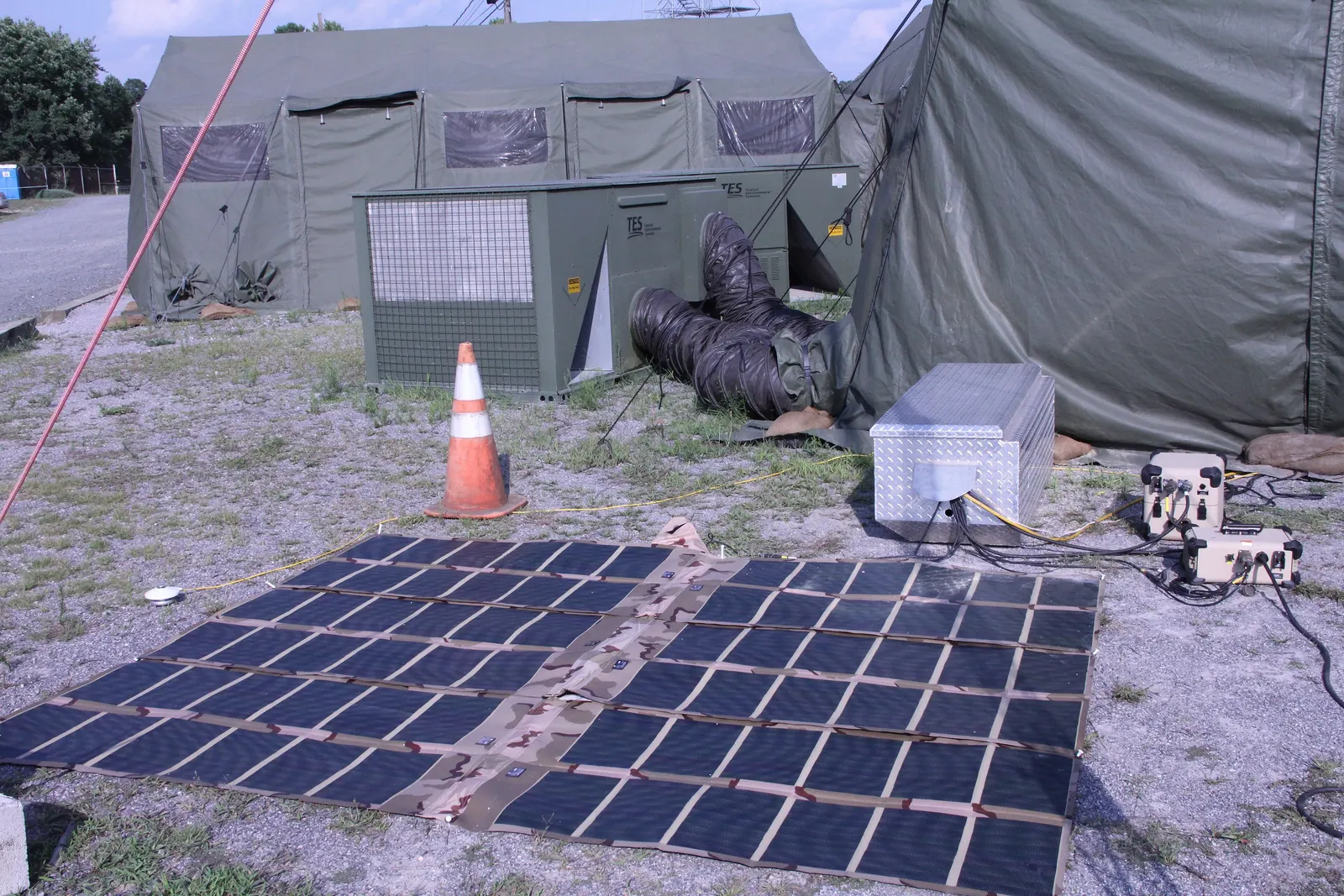
A virtual power plant links many small energy resources — rooftop solar, home and commercial batteries, EV chargers, flexible loads and small generators — through software so they can be forecast, controlled and traded like one plant. BARREL provides and coordinates VPP design, platform selection, asset onboarding, communication and cyber security, market participation and operation.
AAggregate
Many distributed resources in one portfolio
OOptimise
Forecast, schedule and control in real time
MMonetise
Energy, flexibility and grid services
- Portfolio size
- 1 MW–1 GW+
- Response time
- Seconds–hours
- Assets per VPP
- 100s–100,000s
- Indian market block
- 15-min
- Platform operation
- 24×7
Section 01
Virtual Power Plants — Overview
As more power comes from rooftops, batteries and electric vehicles at the edge of the grid, utilities and markets need a way to see and use those resources. A virtual power plant (VPP) aggregates them, predicts what they can do, and dispatches them together to supply energy, reduce peaks or provide grid services.
A VPP has no single site: its capacity sits in homes, shops, factories, campuses and charging hubs. The owners keep their assets and comfort; the VPP operator shares the value the portfolio earns.
1.1Resources a VPP can aggregate
| Resource | What it offers | Typical constraints |
|---|---|---|
| Rooftop and small ground solar | Energy, curtailment on request, reactive power through inverters | Weather dependent; export limits |
| Behind-the-meter batteries | Fast charge or discharge, peak shaving, frequency response | State of charge; owner backup reserve |
| EV chargers and fleets | Shifting or pausing charging; vehicle-to-grid where supported | Departure times and minimum charge |
| Flexible loads | HVAC, pumps, cold stores, water heaters shifted or reduced | Comfort and process limits |
| Small generators | Biogas, small hydro, gas or diesel gensets as firm reserve | Fuel, emissions and run-hour limits |
| Industrial processes | Interruptible or reschedulable load blocks | Production schedules |
1.2Why VPPs
01
Use what already exists
Capacity from assets already installed, without new power stations or long lines.
02
Cheaper peaks
Shaving the few peak hours of the year avoids costly peaking plant and network upgrades.
03
Firming renewables
Batteries and flexible loads absorb midday solar and release it at the evening peak.
04
Local network relief
Distribution companies can manage congested feeders and transformers.
05
Income for owners
Households and businesses earn from assets that would otherwise sit idle.
06
Resilience
Clusters can island as microgrids during outages where the network allows.
Section 02
How a Virtual Power Plant Works
A VPP is a stack of layers: devices at the edge, gateways and communication, a platform that forecasts and optimises, and a trading desk that faces the market and the grid operator.
2.1Control and value chain
- DER devices
- Gateway / inverter API
- Communication
- VPP platform
- Forecast & optimise
- Bid & schedule
- Dispatch
- Measure & settle
2.2Firm capacity of a portfolio
Firm (dependable) capacity
Pfirm = Σ (Pavailable,i × AFi)
Bid only Pfirm, less a reserve margin for forecast error
Each resource contributes its available power times an availability factor that reflects how reliably it responds at the time of need. 2,000 home batteries of 5 kW each, with 80 % available and 90 % responding, give about 7.2 MW firm (indicative).
| Symbol | Meaning |
|---|---|
| Pavailable,i | Power resource i can deliver at that hour, kW |
| AFi | Availability factor 0–1: connectivity, owner opt-in, state of charge, response history |
| Σ | Sum over all resources in the portfolio |
Section 03
Types of Virtual Power Plant
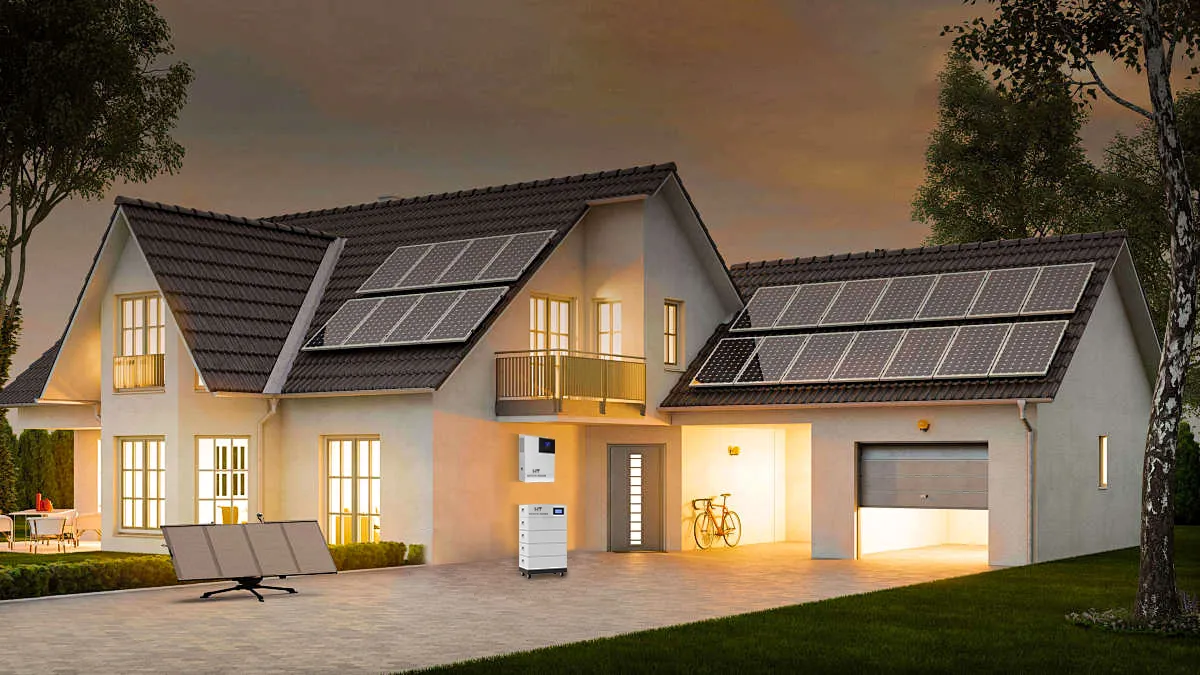
VPPs differ by what they optimise for, who runs them and which assets they hold.
01
MarketsCommercial VPP
Optimises the portfolio against energy prices and market products, run by an aggregator or retailer.
02
NetworkTechnical VPP
Run with or by the distribution company to manage local voltage, congestion and peak demand.
03
HomesResidential VPP
Thousands of rooftop solar and home battery systems coordinated through inverter or cloud APIs.
04
IndustryC&I flexibility VPP
Large loads, cold chains, pumps and onsite batteries or gensets at factories and campuses.
05
MobilityEV fleet VPP
Depot and public chargers shifting charging; vehicle-to-grid where vehicles and rules permit.
06
PortfolioHybrid with utility-scale
Distributed assets pooled with a grid-scale battery or renewable plant for one schedule.
Section 04
Designing a Virtual Power Plant
Design starts from the services the VPP will sell and works back to the assets, control speed, metering and communication they need.
- 1Choose target services: energy arbitrage, peak reduction, demand response, frequency or voltage support
- 2Map candidate assets, owners and contracts
- 3Estimate firm capacity per hour with availability factors
- 4Set response-speed and telemetry requirements per service
- 5Select platform, gateways and communication protocols
- 6Design metering and baselines for measurement and settlement
- 7Plan cyber security, data privacy and customer consent
- 8Pilot with a small portfolio, then scale in waves
4.1Services and what they demand (indicative)
| Service | Response time | Duration | Telemetry |
|---|---|---|---|
| Fast frequency response | Under 1–2 s | Seconds to minutes | High-resolution, real time |
| Primary / secondary reserve | Seconds to 5 min | 15–60 min | Real time to grid operator |
| Tertiary reserve | About 15 min | Up to hours | Near real time |
| Demand response event | Minutes to hours notice | 1–4 h | Interval meter data |
| Energy arbitrage | Day-ahead or intraday schedule | Hours | 15-minute meter data |
| Local congestion relief | Minutes | Hours | Feeder and asset data |
Section 05
The VPP Platform and DERMS
The platform is the heart of a VPP. A distributed energy resource management system (DERMS) gives visibility and control of devices; forecasting and optimisation engines decide what each asset should do; a trading layer handles bids, schedules and settlement.

Platform modules
8- Asset registry and onboarding
- Device control and telemetry
- Solar, load and price forecasting
- Portfolio optimisation and scheduling
- Market bidding and nomination
- Baselines, measurement and verification
- Settlement and customer payouts
- Dashboards and customer app
Forecasting inputs
6- Weather and satellite irradiance
- Smart meter and inverter history
- EV plug-in and departure patterns
- Calendar, holidays and tariffs
- Market price history
- Machine-learning models updated daily
Forecast error is the main risk to a VPP's earnings; bidding firm capacity with a reserve margin protects against penalties.
Section 06
Grid and Market Integration
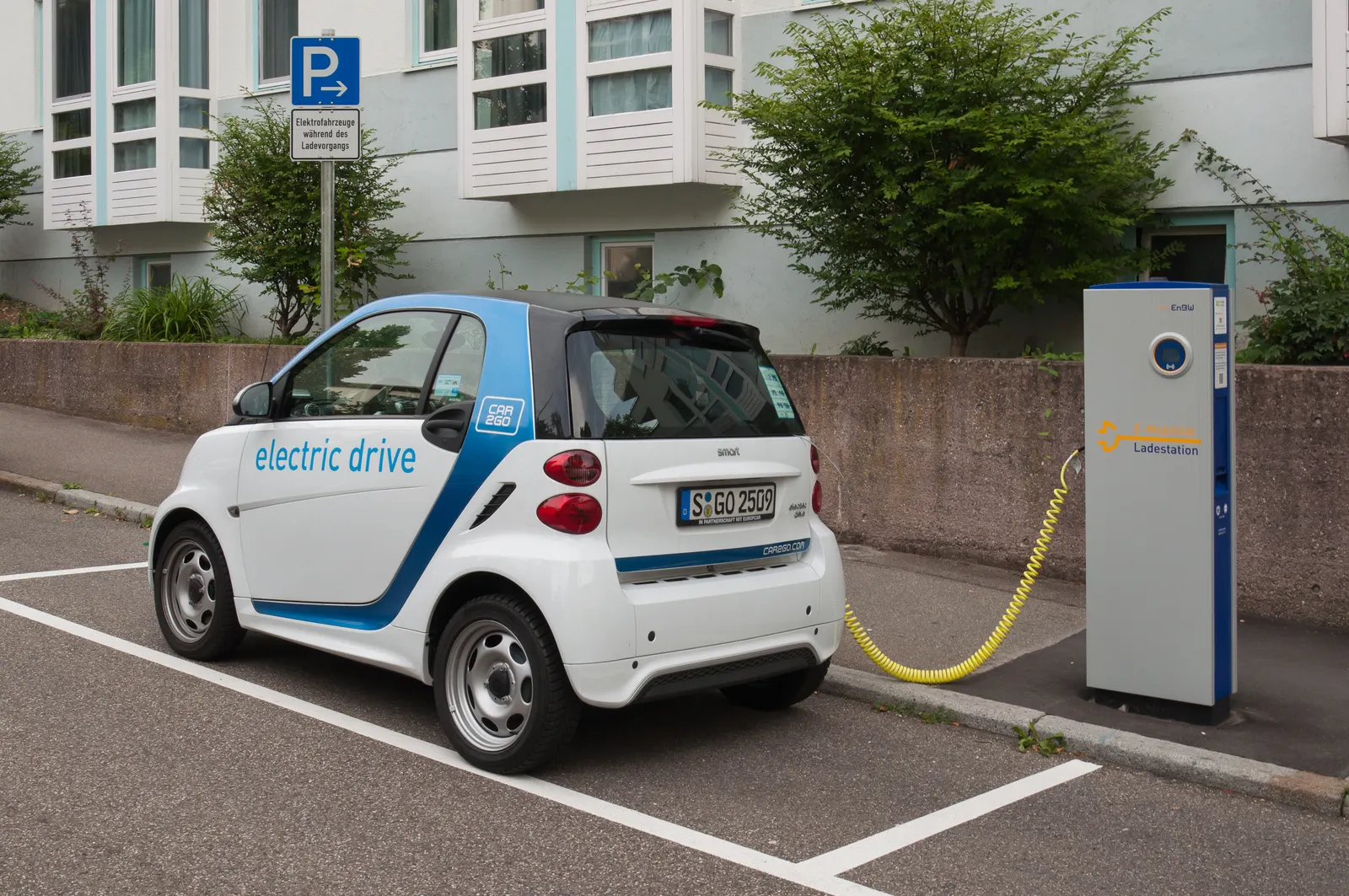
A VPP earns by selling energy and flexibility. In India, power exchanges run day-ahead, real-time and term-ahead markets in 15-minute blocks, and the regulators have been opening ancillary services, demand response and resource adequacy to new participants step by step. Rules differ by state and are evolving, so each VPP's market route is confirmed case by case.
Value streams
6- Day-ahead and real-time energy markets
- Ancillary services: frequency and reserves
- Demand response programmes of distribution companies
- Peak reduction against demand charges and time-of-day tariffs
- Deferral of network upgrades
- Capacity or resource-adequacy payments where available
Communication protocols
6- IEC 61850 for substations and larger DER
- OpenADR for demand-response signals
- IEEE 2030.5 for inverters and smart devices
- IEEE 1547 for DER interconnection functions
- Modbus, DNP3 and IEC 60870-5-104 at sites
- OCPP for EV chargers
6.1International reference points (described generally)
- Europe: aggregators active in balancing markets for years
- Australia: residential battery VPPs in grid frequency markets
- United States: market rules allowing DER aggregations in wholesale markets
- Japan and Korea: demand response and aggregation markets
Section 07
Cyber Security and Data Privacy
A VPP can move many megawatts with one command, so it must be protected like a power plant control system. Customer data also has to be handled lawfully and with consent.
Protect
4- Strong device identity and certificates
- Encrypted communication end to end
- Least-privilege access and multi-factor login
- Signed firmware updates
Detect and respond
4- Security monitoring and logging
- Anomaly detection on commands
- Incident response plan and drills
- Limits on fleet-wide command size and rate
Govern
4- IEC 62351 and IEC 62443 described generally
- ISO/IEC 27001 security management
- National power-sector cyber security guidelines
- Data protection law and customer consent
Section 08
Delivery, Onboarding and Rollout
Most of the work in a VPP is onboarding: contracts, device connection, testing and customer support for each asset. BARREL coordinates the rollout from a pilot to a large portfolio.
8.1Typical rollout (indicative)
- Feasibility 1–3 mo
- Platform & integration 3–6 mo
- Pilot 3–6 mo
- Market qualification
- Scale-up in waves
- Steady operation
Platform package
4- Platform licence or build
- Integrations with inverter and charger clouds
- Market and settlement interfaces
- Customer app
Field package
4- Gateways and controllers
- Smart meters where needed
- Installer training
- Commissioning tests per site
Commercial package
4- Customer and site contracts
- Market registration
- Utility or DISCOM agreements
- Revenue-sharing terms
Section 09
Operation and Performance Management
A VPP is operated around the clock: a desk watches forecasts, bids, dispatches and asset health, and settles with customers and markets.
- 24×7 operations desk and on-call engineers
- Daily forecasting and bid preparation
- Real-time dispatch and deviation management
- Asset connectivity and health monitoring
- Response testing and market re-qualification
- Measurement and verification against baselines
- Monthly settlement and customer statements
- Firmware and security patch management
- Customer support for opt-outs and comfort settings
- Performance reporting to utilities and investors
Section 10
Finance and Business Models
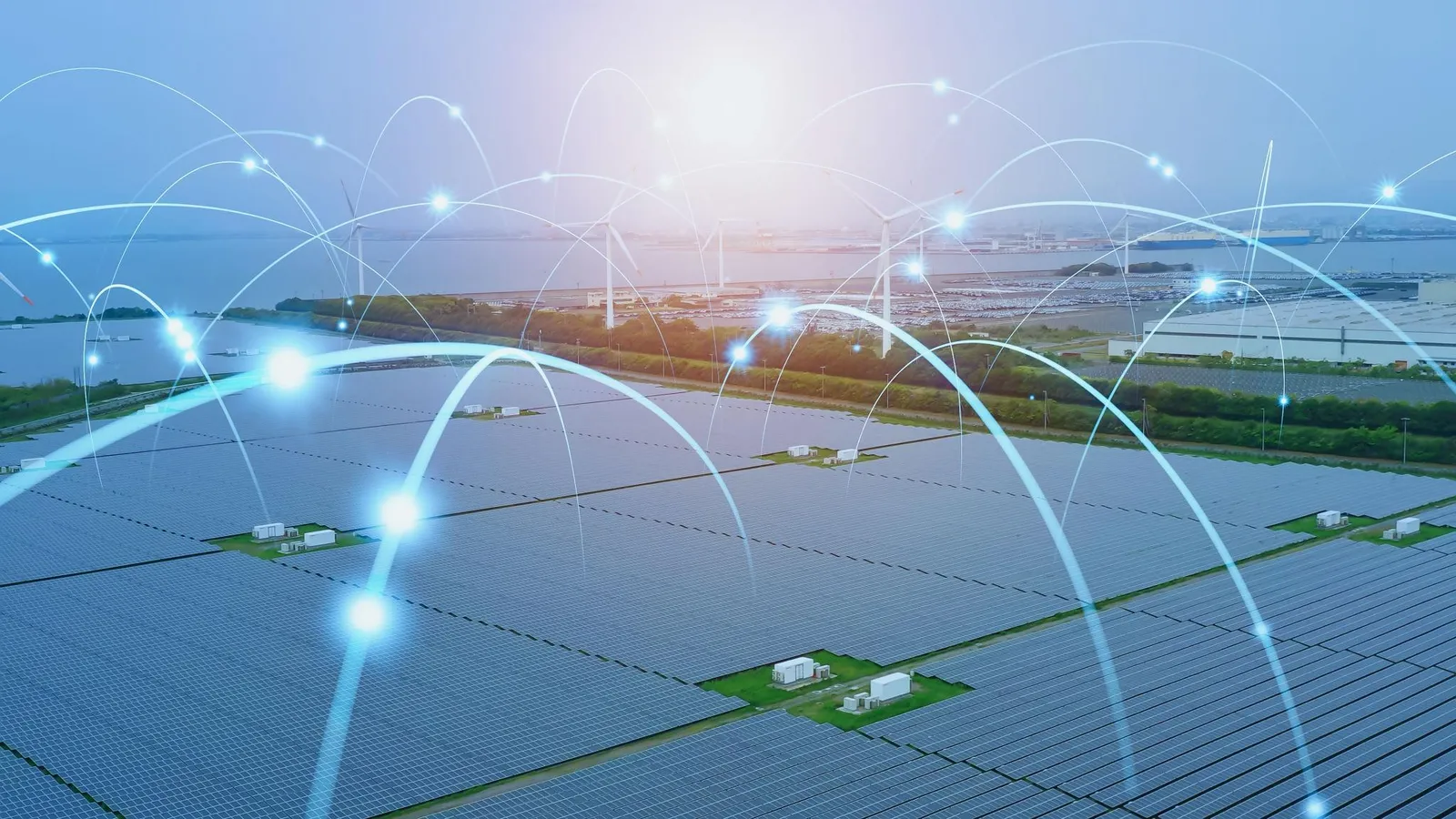
A VPP needs little hardware per megawatt compared with a power station; its costs are software, integration, customer acquisition and operations.
| Model | How it works | Who it suits |
|---|---|---|
| Aggregator revenue share | Aggregator bids the portfolio, shares earnings with asset owners | Independent aggregators, retailers |
| Utility-run programme | DISCOM pays customers per event or per kW enrolled | Distribution companies |
| Bring-your-own-device | Owners enrol existing batteries, inverters or chargers for a fee | Residential and small business |
| Equipment-plus-service | Battery or charger sold or leased with VPP participation built in | Equipment sellers, financiers |
| Platform as a service | Software licensed to a utility or aggregator | Utilities building their own VPP |
Revenues depend on market rules, tariffs and asset mix and are indicative until modelled for a specific portfolio.
Section 11
Market Reforms, Standards and Outlook
India's power sector is moving towards smart meters at scale, time-of-day tariffs, market coupling, ancillary service markets and resource-adequacy planning — each step makes distributed flexibility more valuable.
01
Smart meter rollout
Interval data makes baselines, settlement and time-of-day tariffs possible for millions of users.
02
Open ancillary markets
Rules gradually admitting storage, demand response and aggregators to reserves.
03
Vehicle-to-grid
Bidirectional chargers and vehicle standards turning EV fleets into storage.
04
Grid-forming inverters
Distributed inverters providing voltage and frequency support, not only following the grid.
05
Local flexibility markets
Distribution companies buying flexibility for specific feeders and substations.
06
Interoperability
Common device protocols cutting the cost of onboarding each new brand.
Section 12
BARREL Services for Virtual Power Plants
One partner from the first portfolio study to round-the-clock operation, backed by BARREL's network of software providers, equipment makers, installers and market specialists.
- VPP feasibility and value assessment
- Portfolio and firm-capacity modelling
- Platform and DERMS selection
- Device integration and protocol design
- Cyber security architecture and review
- Market registration and DISCOM engagement
- Pilot design and measurement
- Asset onboarding and installer coordination
- 24×7 operations support
- Settlement and reporting
- Battery, solar and EV charger sourcing
- Investment and partnership facilitation
Project desk
Build your virtual power plant with BARREL
From scattered assets to one dispatchable plant.
Aggregating rooftop solar and batteries, enrolling EV chargers, offering demand response or launching a utility flexibility programme — tell us about the assets and goals and we will respond with the next steps.
Project categories
- Residential solar + battery VPP
- C&I flexibility
- EV fleet and charging
- Utility / DISCOM programme
- Demand response
- Hybrid portfolio