
- Thermal Generation
- Gas & Combined Cycle
- Flexible Power
- Turnkey EPC
Gas & Combined Cycle
CCGT | Open-Cycle Peakers | Aeroderivatives | Gas Engines | HRSG | LNG
Fast, flexible power that balances a renewable grid.
Gas-fired plants turn natural gas, LNG or blended fuels into electricity at the highest efficiency of any thermal technology, and start in minutes when the grid needs them. BARREL takes gas power projects from fuel and site studies through design, approvals, equipment, construction and grid connection to long-term operation and upgrades.
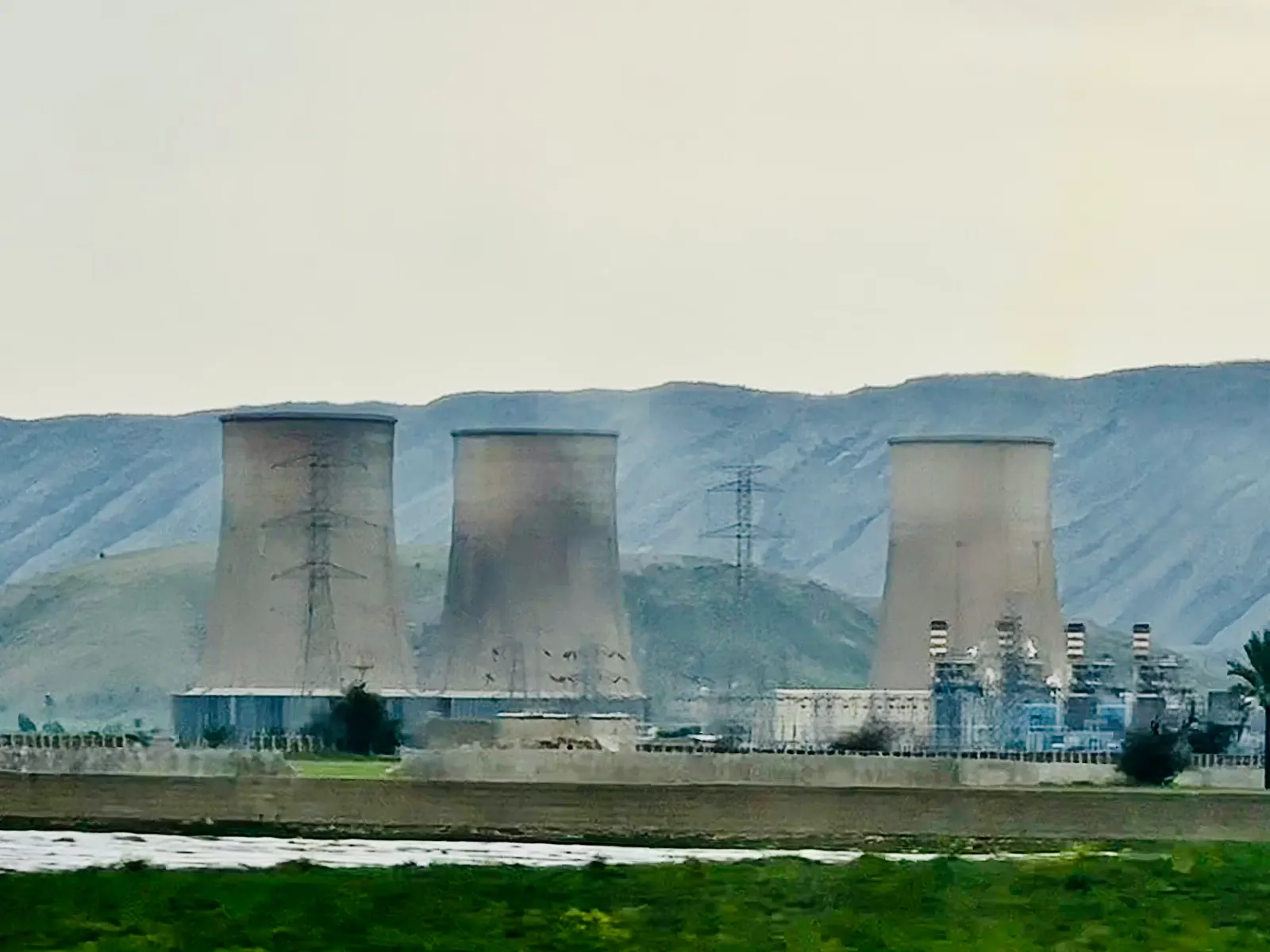
GGas
Pipeline gas, regasified LNG or blends
EEfficiency
Heat rate from turbine to stack
FFlexibility
Fast starts and steep ramps for the grid
- Plant size
- 1–1,500 MW
- CCGT efficiency (LHV)
- 55–63 %
- Peaker start
- 5–30 min
- Asset life
- 25–30 yrs
- Grid connection
- 33–400 kV
Section 01
Gas & Combined Cycle Power — Overview
A gas power plant burns natural gas in a gas turbine or reciprocating engine to drive a generator. In a combined-cycle plant the hot exhaust then raises steam in a heat recovery steam generator (HRSG) for a steam turbine, lifting efficiency to around 60 %.
Gas plants emit roughly half the CO₂ of coal per unit of electricity, need little land and water compared with coal, and can follow load or start quickly — which makes them a natural partner for solar and wind.
1.1Roles on the grid
| Role | Typical plant | Running pattern |
|---|---|---|
| Base load | Large CCGT, 400–1,500 MW | High load factor where gas is affordable |
| Mid-merit / load following | CCGT with fast-start features | Daily cycling, evening peaks, solar ramps |
| Peaking | Open-cycle turbines, aeroderivatives, gas engines | A few hundred to a few thousand hours a year |
| Reserve and balancing | Gas engines, aeroderivatives | Spinning / non-spinning reserve, frequency support |
| Island and captive | Gas engines, small turbines | Industry, remote fields, data centres |
1.2Why gas power
01
Highest thermal efficiency
Modern combined cycles convert about 55–63 % of the fuel energy to electricity (LHV basis).
02
Fast and flexible
Peakers reach full load in minutes; CCGTs ramp several per cent of capacity per minute.
03
Lower emissions
No ash or SO₂ from pipeline gas; CO₂ per MWh roughly half that of coal; NOx controlled by dry low-NOx combustors.
04
Compact and quick to build
Small footprint, modular packages and build times of 2–3 years for a CCGT.
05
Grid strength
Synchronous generators supply inertia, reactive power and fault current to the network.
06
Pathway to low carbon
Hydrogen blending, carbon capture and biomethane can cut emissions over the plant's life.
Section 02
How a Gas and Combined-Cycle Plant Works
The gas turbine follows the Brayton cycle: air is compressed, fuel is burnt in the combustor and the hot gas expands through the turbine, which drives both the compressor and the generator.
The exhaust leaves at about 450–650 °C. In a combined cycle the HRSG uses this heat to make steam for a Rankine steam cycle, producing roughly one more unit of power for every two from the gas turbines with no extra fuel.
2.1Energy path of a combined cycle
- Air intake & filter
- Compressor
- Combustor
- Gas turbine
- Generator
- HRSG
- Steam turbine
- Condenser
- Stack
2.2Heat rate and efficiency
Net plant efficiency
η = 3,600 / HR
Combined cycle: ηCC ≈ ηGT + (1 − ηGT) × ηHR × ηST
Heat rate is the fuel energy needed per kWh sent out; a lower heat rate means a more efficient plant. Always state whether figures are gross or net and on LHV or HHV basis — gas HHV is about 10 % higher than LHV.
| Symbol | Meaning |
|---|---|
| HR | Net heat rate, kJ/kWh (about 5,700–6,500 for a modern CCGT, LHV) |
| ηGT | Gas turbine simple-cycle efficiency, 0.35–0.44 |
| ηHR | Share of exhaust heat recovered in the HRSG |
| ηST | Steam cycle efficiency, about 0.30–0.38 |
| 3,600 | kJ in one kWh |
Section 03
Plant Types and Configurations
The right configuration depends on how many hours the plant will run, how fast it must start and the price and certainty of gas.
01
Base / mid-meritCombined cycle (CCGT)
One or more gas turbines with HRSGs feeding a steam turbine; 1+1 single-shaft or 2+1 / 3+1 multi-shaft blocks.
02
PeakingOpen cycle (OCGT)
Heavy-duty gas turbine exhausting straight to a stack; low capital cost, efficiency 33–40 %.
03
Fast startAeroderivative turbines
Jet-engine based units of 20–130 MW; full load in about 5–10 minutes, high part-load efficiency, many starts per day.
04
Flexible / modularGas engine plants
Banks of 4–20 MW reciprocating engines; 45–50 % efficiency, start in minutes, little derating in heat or at altitude.
05
CyclingFast-start CCGT
Combined cycle with once-through or fast-start HRSG, steam bypass and terminal-point attemperation for quick hot starts.
06
UpgradeConversion to combined cycle
Adding HRSGs and a steam turbine to an existing open-cycle plant raises output by about half on the same fuel.
3.1Indicative comparison
| Type | Efficiency (LHV) | Start to full load | Best for |
|---|---|---|---|
| CCGT (heavy-duty GT) | 55–63 % | 30–60 min hot, several hours cold | High running hours |
| OCGT (heavy-duty GT) | 33–40 % | 10–30 min | Seasonal and daily peaks |
| Aeroderivative (simple cycle) | 38–44 % | 5–10 min | Frequent starts, balancing |
| Gas engines | 45–50 % | 2–5 min | Reserve, island, staged capacity |
Figures are indicative ISO-condition values; site temperature, altitude, humidity and fuel quality change output and efficiency.
Section 04
Gas Supply, LNG and Fuel Flexibility
Fuel is 60–80 % of the cost of every unit a gas plant sells, so a secure and fairly priced gas supply decides whether the plant runs. In India much of the gas fleet has run at low load factors because domestic gas was scarce and imported LNG was costly.
A bankable project ties down the molecule, the transport route and the terms before the plant is built.
Pipeline gas
4- Domestic allocation or market-priced gas
- Connection to a trunk or regional pipeline
- Transport and capacity booking
- Gas receiving and metering station
Regasified LNG
4- Term or spot LNG contracts
- Regasification terminal capacity
- Pipeline from terminal to plant
- Small-scale LNG by truck for small plants
Alternative fuels
4- Hydrogen blends with OEM upgrades
- Biomethane / compressed biogas
- Distillate as back-up fuel
- Refinery and process off-gases
4.2On-site fuel system
- Gas receiving, filtering and fiscal metering
- Pressure reduction or booster compressors
- Fuel gas heating to raise efficiency
- Dew point and contaminant control
- Liquid fuel back-up storage and forwarding
- Gas detection and emergency shutdown
In India, natural gas pipelines and city gas networks are regulated by PNGRB; LNG import and allocation follow national gas policy. Contract terms such as take-or-pay deserve close review against the plant's expected running hours.
Section 05
Main Equipment and Balance of Plant
The gas turbine sets the size and performance of the plant; the HRSG, steam turbine and cooling system decide how much of the exhaust heat becomes extra power.
5.1Main equipment
| Equipment | Function | Selection points |
|---|---|---|
| Gas turbine | Converts fuel to shaft power | Frame size and class (E, F, H/J), aeroderivative or industrial, DLN combustor, fuel flexibility |
| Generator | Produces electricity | Air or hydrogen cooled, rating at site ambient, excitation system |
| HRSG | Raises steam from exhaust heat | One, two or three pressure levels, reheat, drum or once-through, supplementary firing |
| Steam turbine | Bottoming cycle power | Condensing or extraction, single or multi-casing, bypass system |
| Condenser and cooling | Rejects steam cycle heat | Once-through, cooling tower or air-cooled condenser by water availability |
| Stack and emissions | Discharges flue gas | Diverter or bypass stack, CEMS, SCR where NOx limits require |
5.2Balance of plant
- Inlet air filtration and cooling (evaporative, chiller, fogging)
- Fuel gas system and compressors
- Water treatment and demineralisation
- Distributed control system (DCS)
- Generator step-up transformer
- Switchyard or GIS
- Black-start diesel or battery
- Fire protection and gas detection
- Compressed air, cranes and workshops
Section 06
Grid Connection and Flexible Operation
As solar and wind grow, gas plants earn more from flexibility — starting, ramping and holding reserve — than from running flat out.
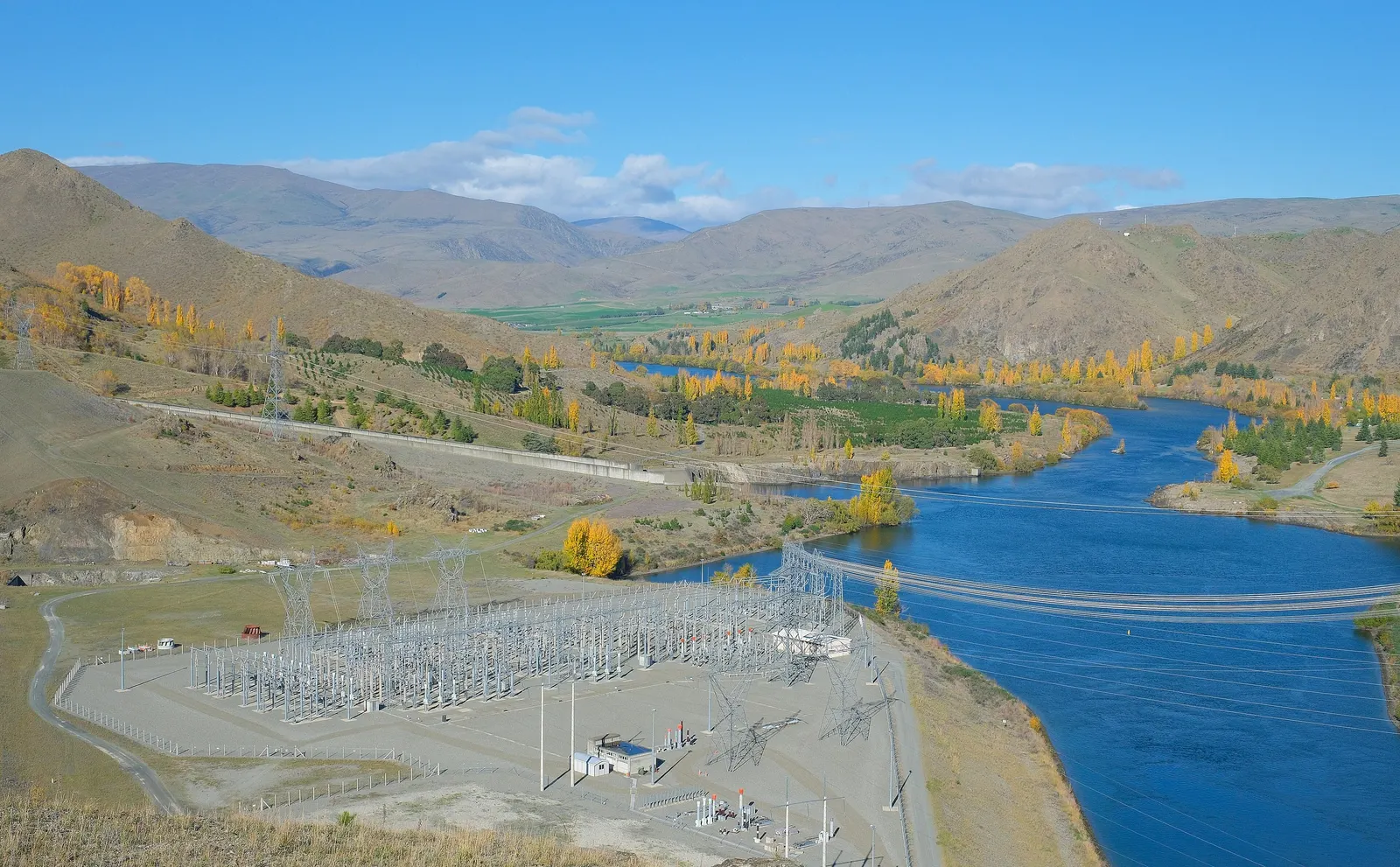
- Connectivity application to the transmission utility
- Evacuation study, bay and line at 33–400 kV
- Grid code compliance: frequency response, voltage, fault ride-through
- Primary and secondary frequency control
- Black-start capability for system restoration
- Minimum stable load and ramp-rate guarantees
- Hybrid operation with solar and battery storage
- Metering, SCADA and telemetry to the load despatch centre
Frequent starts and deep cycling raise wear on hot-gas-path parts; OEM maintenance intervals are counted in equivalent operating hours or starts, so the expected duty must be set before the turbine is chosen.
Section 07
Project Development and Approvals
A gas project needs a fuel route, a power buyer, land and water, and environmental and grid approvals — all lined up before financial close.
- 1Pre-feasibility: site, fuel route, demand and tariff screening
- 2Site selection near pipeline, load and transmission
- 3Gas supply and transport term sheets
- 4Feasibility report and detailed project report
- 5Environmental clearance under the EIA Notification as applicable, with public consultation
- 6State pollution control board consent to establish
- 7Water allocation and land acquisition or lease
- 8Grid connectivity and power purchase or tolling agreement
- 9Financial close and EPC award
- 10Consent to operate and commissioning
The level of environmental appraisal (central or state) depends on fuel and capacity; captive and small gas-engine plants may follow simpler routes. Each case should be checked against current rules.
Section 08
Turnkey EPC Delivery
BARREL can deliver the whole plant under one contract or coordinate a power island from the OEM with separately awarded balance-of-plant packages.
Power island
4- Gas turbine-generator sets
- HRSG and steam turbine
- Control system and auxiliaries
- Long-term service agreement options
Balance of plant
4- Fuel gas system
- Cooling and water treatment
- Electrical system and transformers
- Switchyard and transmission bay
Civil and site
4- Geotechnical survey and piling
- Turbine foundations and buildings
- Stacks, pipe racks and roads
- Fire, drainage and site services
8.1Typical schedule (CCGT block)
- Studies 6–9 mo
- Approvals & fuel 9–18 mo
- Open cycle running 18–22 mo
- Combined cycle 26–34 mo
Gas turbines can run in open cycle while the steam cycle is being completed, which brings early revenue on phased projects.
Section 09
Operation and Maintenance
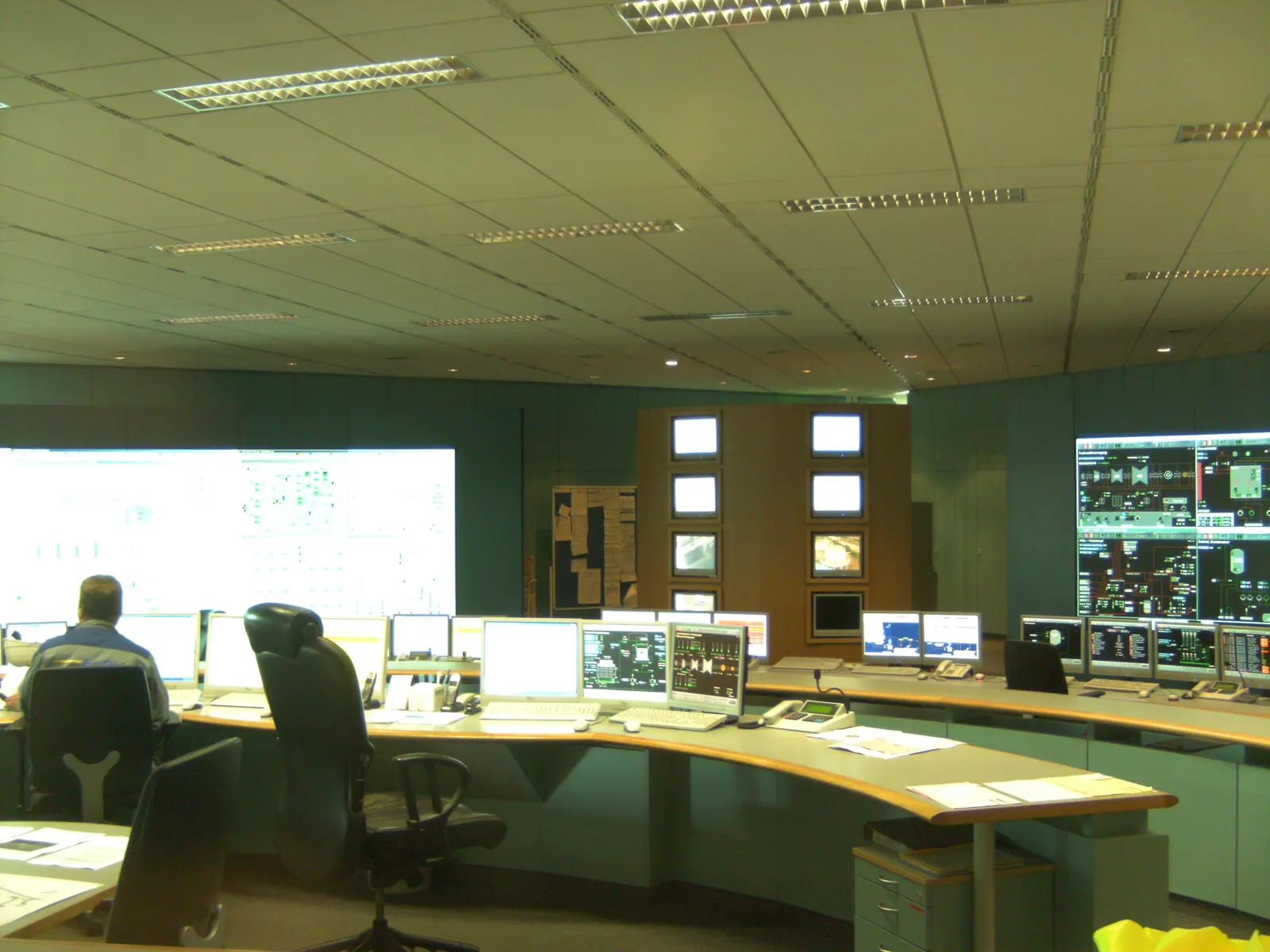
Gas turbines are maintained on a fixed cycle of combustion, hot-gas-path and major inspections; good O&M holds availability above 95 % and keeps the heat rate close to new.
9.1Gas turbine inspection cycle (indicative)
| Inspection | Typical interval | Scope |
|---|---|---|
| Combustion inspection | About 8,000–12,000 equivalent hours | Liners, transition pieces, fuel nozzles |
| Hot gas path inspection | About 24,000 equivalent hours | Turbine blades and vanes, coatings |
| Major inspection | About 48,000 equivalent hours | Full opening, compressor and turbine overhaul |
9.2Routine and performance care
- Inlet filter replacement and compressor water wash
- Borescope inspections between outages
- HRSG water chemistry and tube inspections
- Vibration and combustion dynamics monitoring
- Heat rate and output performance tests
- Remote monitoring and diagnostics
- Spares pool and parts repair programme
- Upgrades of combustors, blading and controls
Actual intervals depend on the OEM, fuel, starts and trips; each start or trip counts as extra equivalent hours.
Section 10
Finance and Commercial Models
Gas power is low in capital cost and high in fuel cost, so the revenue model must match how many hours the plant will really run.
| Item | Typical range (indicative) |
|---|---|
| Capital cost, CCGT | About ₹4–6 crore per MW (site, scope and class dependent) |
| Capital cost, OCGT / engines | Generally lower per MW than a CCGT |
| Fuel share of generation cost | 60–80 % at moderate running hours |
| Construction period | 18–36 months |
| Revenue options | Two-part PPA, tolling, capacity or peaking contracts, exchange sales, ancillary services, captive supply |
| Debt tenor | 10–15 years, often linked to fuel supply term |
Figures are indicative for early screening only; each project needs its own cost estimate, fuel price scenarios and financial model.
Section 11
Hydrogen, Carbon Capture and Standards
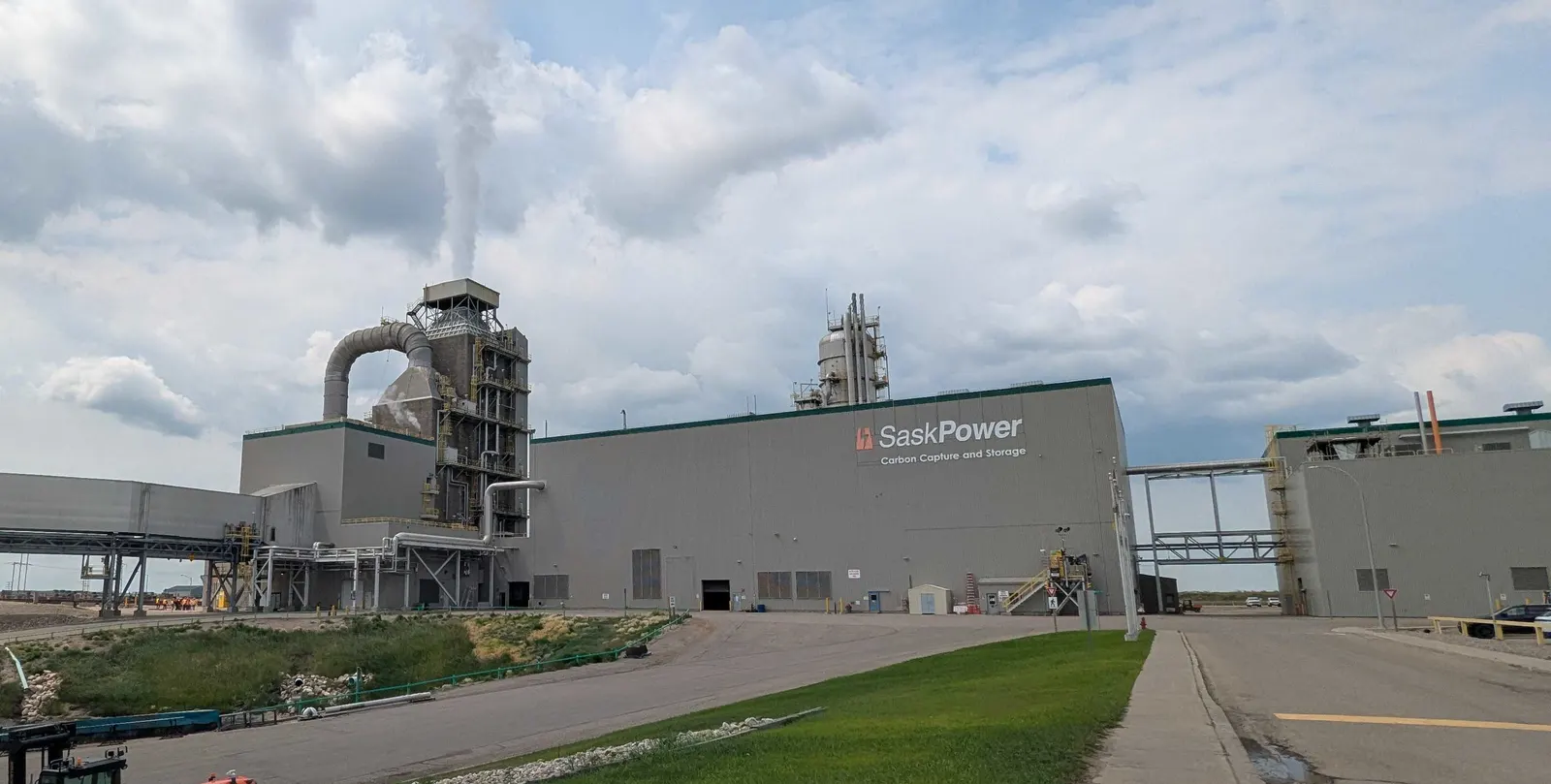
New gas plants are increasingly specified to be ready for low-carbon fuels and carbon capture during their working life.
01
Hydrogen blending
Many current turbines accept a limited hydrogen share by volume, higher with combustor upgrades; designs for 100 % hydrogen are in development and testing.
02
Carbon capture ready
Space for a capture plant, flue gas tie-in and CO₂ transport route reserved at the design stage.
03
Biomethane
Upgraded biogas meeting pipeline specification can replace part of the natural gas without plant changes.
11.1Common standards and references
- ISO 2314
- ISO 3977
- ASME PTC 22
- ASME PTC 46
- ASME PTC 4.4
- IEC 60034
- API 616
- CEA Technical Standards
- Indian Grid Code
Section 12
BARREL Services for Gas Power
One partner from fuel and site screening to decades of operation, backed by BARREL's network of consultants, manufacturers and contractors.
- Site and fuel route screening
- Pre-feasibility and DPR
- Gas supply and LNG advisory support
- Configuration and OEM selection
- Approvals and clearances support
- Owner's engineer and lender's engineer
- Turnkey EPC / EPCM
- Grid connectivity and PPA support
- Open-cycle to combined-cycle conversion
- O&M and performance improvement
- Hydrogen and CCS readiness studies
- Acquisition due diligence
Project desk
Build your gas power project with BARREL
From the fuel route to fast, flexible megawatts.
Planning a combined-cycle plant, a peaker, a gas engine station or an upgrade of an existing plant — tell us about the site, fuel and duty and we will respond with the next steps.
Project categories
- Combined cycle (CCGT)
- Open-cycle peaker
- Aeroderivative
- Gas engine plant
- OCGT to CCGT conversion
- Hydrogen / low-carbon upgrade