
- Clean Firm Power
- Small Modular Reactors
- Advanced Nuclear
- Industrial Heat
Small Modular & Advanced Reactors
Light-Water SMRs | BSR / BSMR | Microreactors | Fast | Molten Salt | HTGR | Thorium
Round-the-clock clean power, built in factories.
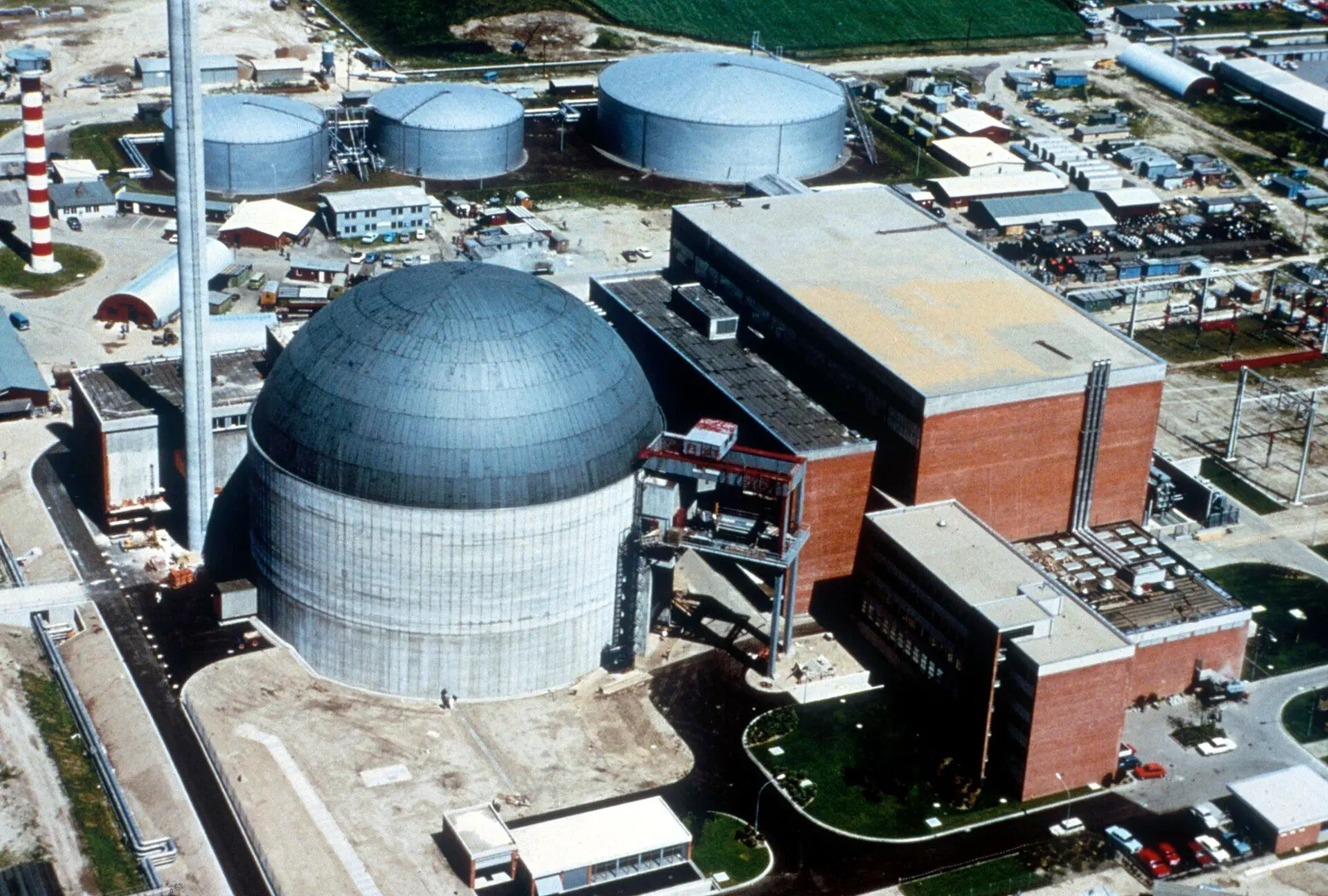
Small modular reactors are nuclear plants of up to about 300 MWe per unit, designed for factory fabrication, passive safety and siting close to industry. Advanced reactors go further with new coolants and fuels for higher temperatures and better use of uranium and thorium. BARREL supports owners and industries with early studies, siting, industrial-heat integration, conventional island and grid works, in partnership with the licensed nuclear operators and vendors who hold responsibility for the nuclear island.
SSafety
Passive cooling and small core inventory
MModularity
Factory-built modules, staged capacity
RReliability
Firm, carbon-free power and heat
- Unit size
- 1–300 MWe
- Design capacity factor
- 90 %+
- Outlet temperature range
- 300–950 °C
- Design life
- 60 yrs
- Refuelling interval (typical)
- 18–36 mo
Section 01
Small Modular and Advanced Reactors — Overview
The IAEA describes small reactors as those up to about 300 MWe per unit and medium reactors up to about 700 MWe. Small modular reactors use standard designs built largely as factory modules and shipped to site, with several units sharing one plant.
Most SMR designs rely on passive safety: natural circulation, gravity-fed water and large heat sinks remove decay heat without pumps or operator action for days. A smaller core also means less radioactive inventory and a smaller potential emergency planning zone, subject to regulatory approval.
1.1Size classes
| Class | Electrical output | Typical use |
|---|---|---|
| Microreactor | About 1–20 MWe | Remote sites, mines, defence bases, islands, data centres |
| Small modular reactor | About 20–300 MWe per module | Industrial clusters, replacement of retiring coal units, grids of modest size |
| Medium reactor | About 300–700 MWe | Utility grids; India's 220 MWe and 700 MWe PHWRs sit in the small-to-medium band |
| Large reactor | Above 700 MWe | Base-load utility generation |
1.2Why SMRs
01
Firm clean power
Runs round the clock at high capacity factor with near-zero operating CO₂.
02
Smaller investment steps
Capacity added module by module, lowering the size of each financial commitment.
03
Factory quality
Repeat manufacture under controlled conditions aims to cut site work and schedule risk.
04
Flexible siting
Smaller land and cooling needs; can reuse coal plant sites, grid connections and cooling water.
05
Industrial heat
Steam and high-temperature heat for chemicals, refining, hydrogen and desalination.
06
Grid strength
Large synchronous machines supply inertia and voltage support alongside solar and wind.
Section 02
How a Nuclear Reactor Makes Power
In the reactor core, uranium (or plutonium or uranium-233 bred from thorium) nuclei split when they absorb neutrons, releasing about 200 MeV of energy per fission as heat. A coolant carries this heat away to raise steam or heat a gas that drives a turbine.
Many light-water SMRs are integral designs: the core, steam generators and pressuriser sit inside one reactor pressure vessel, removing large external coolant pipes.
2.1Energy path of a light-water SMR
- Fuel assemblies
- Reactor core
- Primary coolant
- Steam generator
- Steam turbine
- Generator
- Condenser
- Heat sink
2.2Thermal power, electrical output and fuel burn-up
Net electrical output
Pe = ηth × Pth
Fuel burn-up B (MWd/tHM) = Pth (MW) × days at power / tonnes of heavy metal in the core
Light-water reactors run steam at about 280–300 °C, giving net efficiencies near 31–34 %. Higher-temperature reactors such as HTGRs and molten salt designs can reach 40–45 %. Burn-up measures how much energy is drawn from each tonne of fuel.
| Symbol | Meaning |
|---|---|
| Pe | Net electrical output, MWe |
| Pth | Reactor thermal power, MWth |
| ηth | Net thermal efficiency, 0.31–0.45 by reactor type |
| tHM | Tonnes of heavy metal (uranium, plutonium, thorium) in the fuel |
Section 03
Reactor Types and Designs
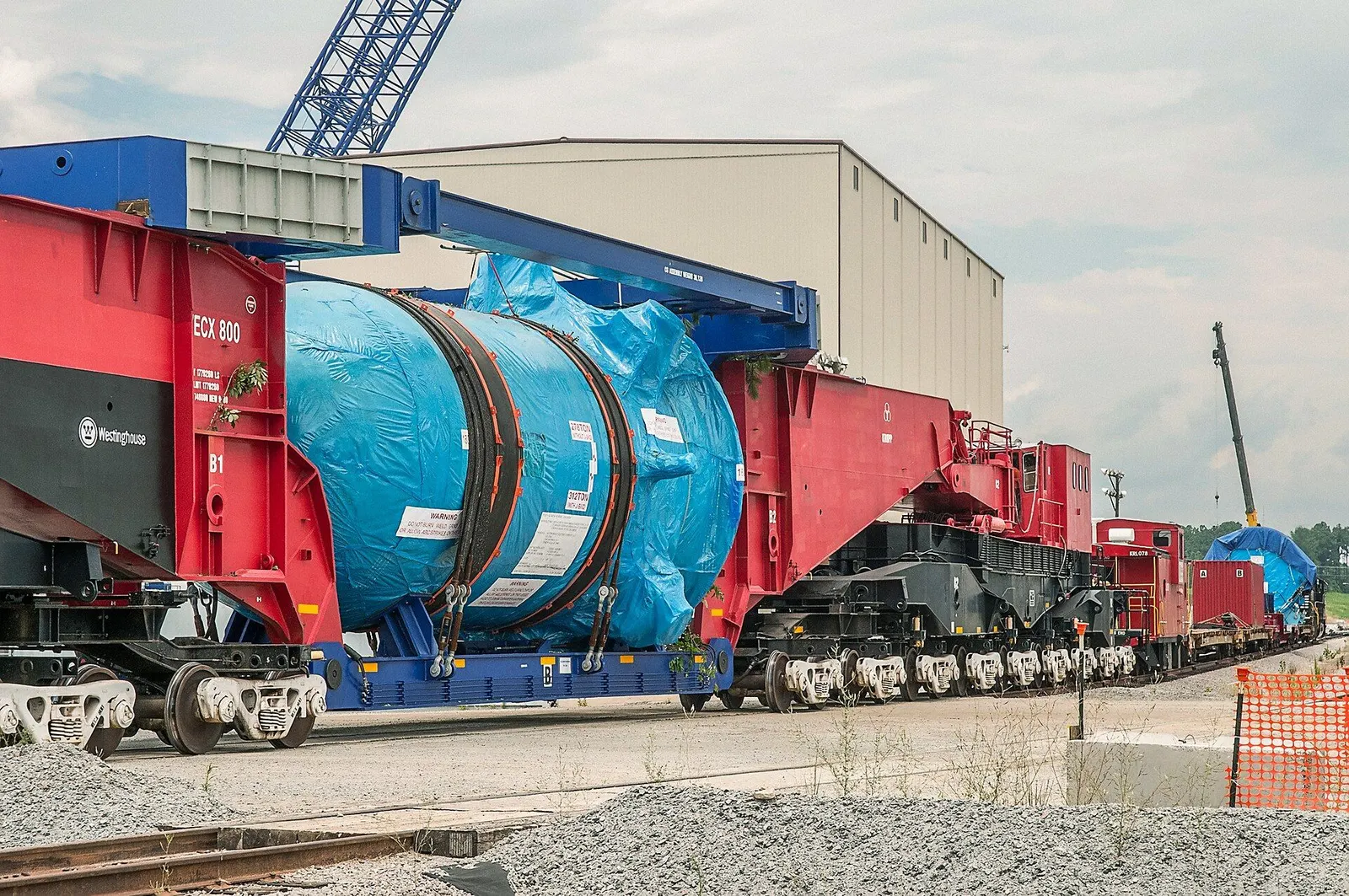
Reactor families differ by coolant, moderator and fuel. Light-water SMRs are closest to deployment; Generation IV designs promise higher temperatures and better fuel use but are at earlier stages.
01
Near termLight-water SMR
Pressurised or boiling water designs using low-enriched uranium fuel, adapted from the world's largest reactor fleet.
02
IndiaSmall PHWR (BSR concept)
India's proven 220 MWe pressurised heavy water reactor offered as Bharat Small Reactors for industry-linked sites, using natural uranium.
03
Remote / off-gridMicroreactor
Transportable units of a few MWe, often heat-pipe or gas-cooled, refuelled or swapped after several years.
04
Gen IVSodium-cooled fast reactor
Fast neutrons breed new fuel and burn long-lived actinides; India's prototype fast breeder reactor at Kalpakkam is this type.
05
Gen IVMolten salt reactor
Fuel or coolant as molten fluoride salt at low pressure and high temperature; suited to thorium and online fuel processing.
06
Gen IV / heatHigh-temperature gas-cooled (HTGR)
Helium-cooled, graphite-moderated, with TRISO particle fuel; outlet up to about 750–950 °C for industrial heat and hydrogen.
3.1Examples of designs (status changes often; indicative)
| Design | Type | Country | Status (indicative) |
|---|---|---|---|
| 220 MWe PHWR (basis of BSR) | Pressurised heavy water | India | Many units in operation |
| BSMR-200 | Pressurised water SMR | India | Under design by BARC |
| HTR-PM | Pebble-bed HTGR | China | In commercial operation |
| ACP100 (Linglong One) | Integral PWR | China | Under construction / commissioning |
| KLT-40S (floating plant) | Marine PWR | Russia | In operation |
| BWRX-300 | Boiling water SMR | USA / Japan | Under construction in Canada |
| NuScale | Integral PWR modules | USA | Design approved by US regulator |
| Rolls-Royce SMR | PWR | UK | In UK generic design assessment |
The table lists publicly reported designs for orientation only; deployment status, sizes and schedules change and should be checked at the time of any study.
Section 04
Fuel Cycle and the Thorium Path
India has limited uranium but some of the world's largest thorium resources. Its long-standing three-stage nuclear programme links reactor types to make use of both.
Fuel choice also drives the spent-fuel route: India follows a closed fuel cycle, reprocessing spent fuel to recover plutonium and uranium.
4.1India's three-stage programme
- Stage 1: PHWRs on natural uranium
- Plutonium from spent fuel
- Stage 2: fast breeder reactors
- Uranium-233 bred from thorium
- Stage 3: thorium-based reactors
4.2Fuel types
Uranium oxide
3- Natural uranium for PHWRs
- Low-enriched uranium (below 5 %) for LWRs
- Zircaloy-clad pellets in assemblies
Advanced fuels
3- HALEU (5–20 % enriched) for many advanced designs
- TRISO coated particles for HTGRs
- Mixed oxide and metallic fuels for fast reactors
Thorium
3- Thorium–plutonium or thorium–U-233 fuel
- Advanced heavy water reactor concept (AHWR)
- Molten salt thorium breeder concepts
Section 05
Nuclear Island, Conventional Island and Balance of Plant
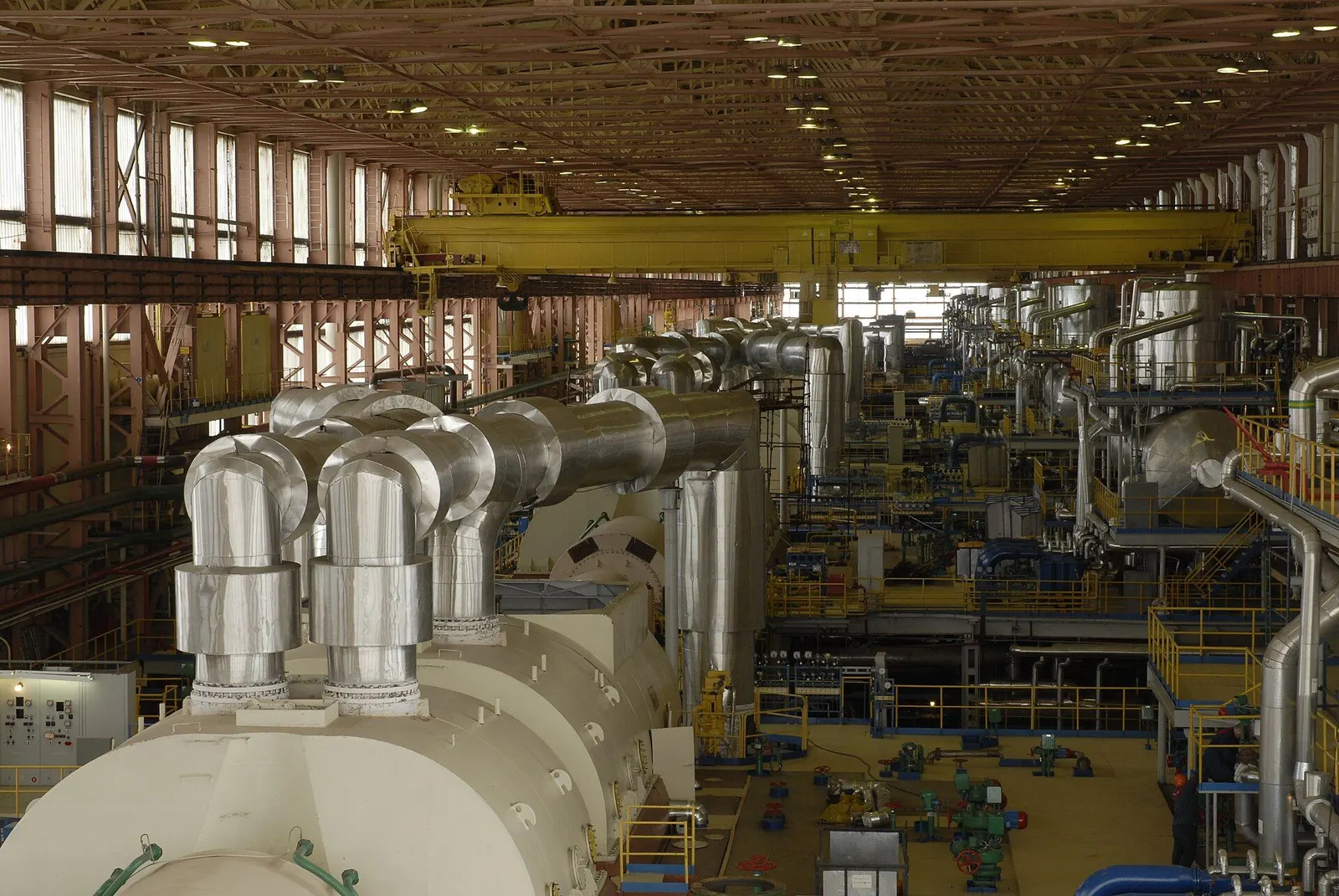
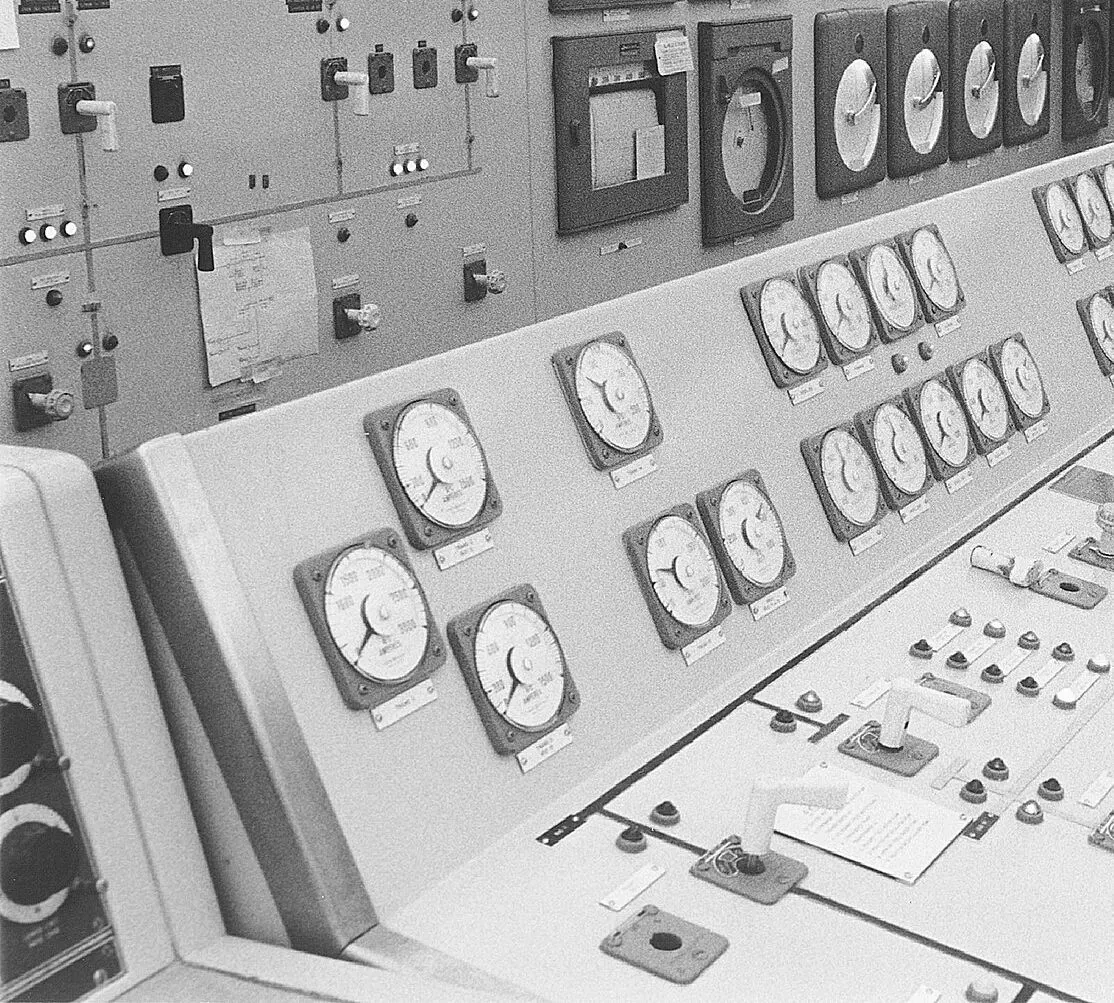
A nuclear plant is divided into the nuclear island — reactor, safety systems and fuel handling, under the licensed operator — and the conventional island and balance of plant, which are close to those of any large thermal plant.
5.1Main systems
| Area | Main systems | Notes |
|---|---|---|
| Nuclear island | Reactor pressure vessel, core, control rods, steam generators, pressuriser | Integral designs place most of these inside one vessel |
| Safety systems | Passive decay heat removal, emergency core cooling, containment | Designed for days of cooling without power or operator action |
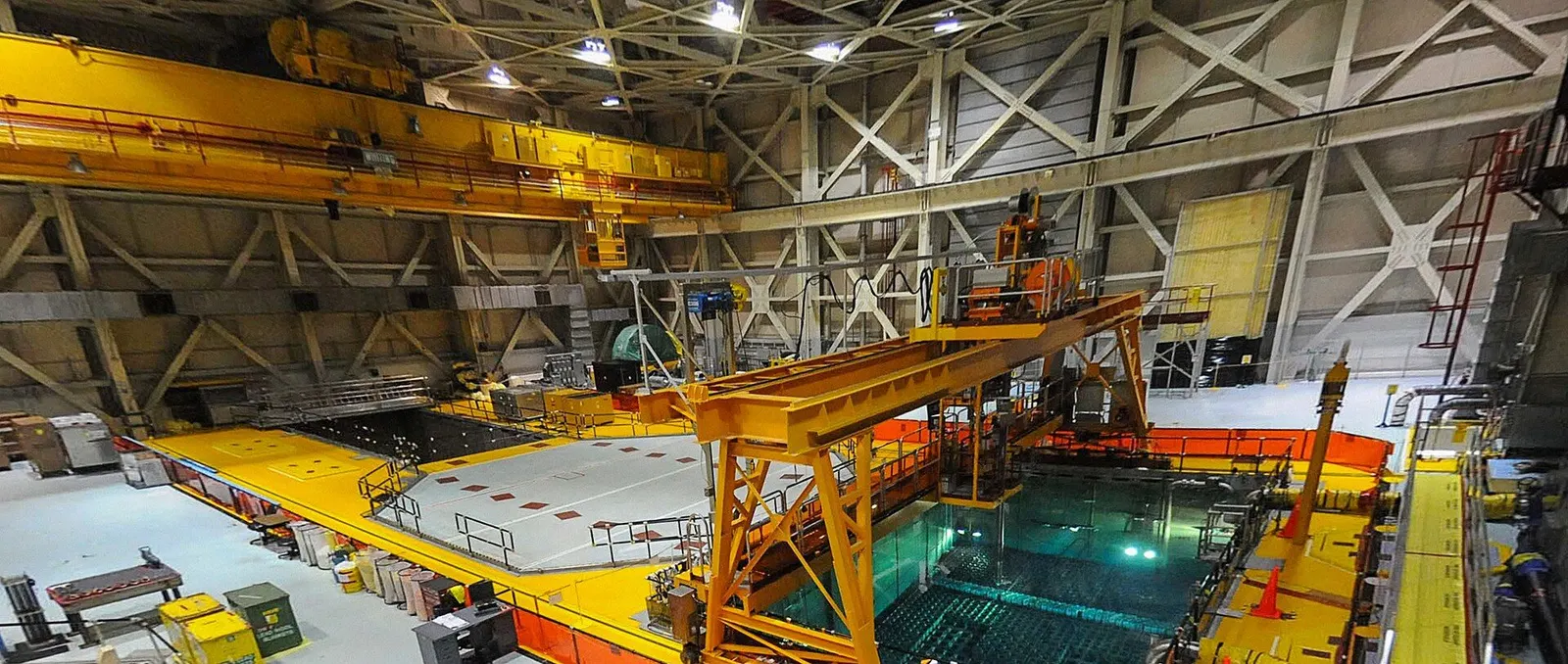
| Fuel handling | New fuel store, refuelling machine, spent fuel pool | Long refuelling intervals reduce handling |
| Conventional island | Steam turbine, generator, condenser, feedwater heaters | Saturated steam turbines for LWRs; superheated steam for HTGR and MSR |
| Heat sink and cooling | Cooling towers, sea or river water, air-cooled options | Smaller plants ease water demand |
| Electrical and control | Generator transformer, switchyard, digital instrumentation and control | Safety-class I&C qualified to nuclear standards |
5.2Inside a nuclear plant
Section 06
Siting, Grid and Industrial Heat
Site selection weighs geology, seismicity, flooding, cooling water, population distribution, grid access and security. Retiring coal plants are widely studied as SMR sites because they already have land, water, transmission and a skilled workforce.
SMRs can supply steam or high-temperature heat as well as electricity, which opens uses beyond the grid.
Site studies
6- Geology, foundation and seismic hazard
- Flood, cyclone and extreme weather
- Meteorology and atmospheric dispersion
- Population distribution and emergency planning
- Cooling water availability
- Transport route for large modules
Uses of output
6- Grid power and replacement of coal units
- Captive power for energy-intensive industry
- Process steam for chemicals and refining
- High-temperature heat for hydrogen production
- Seawater desalination
- District heating in cold regions
Exclusion and emergency planning zones are fixed by the regulator for each site and design; reduced zones for SMRs are being discussed internationally but must be justified case by case.
Section 07
Licensing, Regulation and Policy
In India nuclear power has been governed by the Atomic Energy Act, 1962, under which generation has been carried out by government companies such as NPCIL and joint ventures with public sector firms. Nuclear liability is set by the Civil Liability for Nuclear Damage Act, 2010.
The Government has announced a Nuclear Energy Mission with support for SMR research and an intent to open wider participation, including private investment, through changes to the legal framework. This framework is evolving; the current position must be checked before any commitment.
7.1Regulatory stages (AERB, India)
- 1Pre-licensing interaction and design review
- 2Siting consent after site evaluation
- 3Construction consent with preliminary safety analysis
- 4Commissioning consent in stages, including first criticality
- 5Licence for operation, renewed periodically
- 6Decommissioning authorisation at end of life
7.2Key institutions
| Body | Role |
|---|---|
| Department of Atomic Energy (DAE) | Policy, research and nuclear fuel cycle in India |
| Atomic Energy Regulatory Board (AERB) | Safety regulation and licensing of nuclear facilities in India |
| NPCIL and public sector JVs | Design, construction and operation of India's power reactors |
| BARC | Reactor research and design, including SMR concepts |
| IAEA | International safety standards, SMR regulators' forum and peer reviews |
| National regulators abroad (e.g. US NRC, CNSC, ONR) | Licensing and design reviews in their own countries |
Environmental clearance, coastal or forest permissions, land and water approvals apply in addition to nuclear licensing. Nuclear safety responsibility rests with the licensed operator; BARREL does not hold or claim nuclear licences.
Section 08
Factory Build and Site Construction
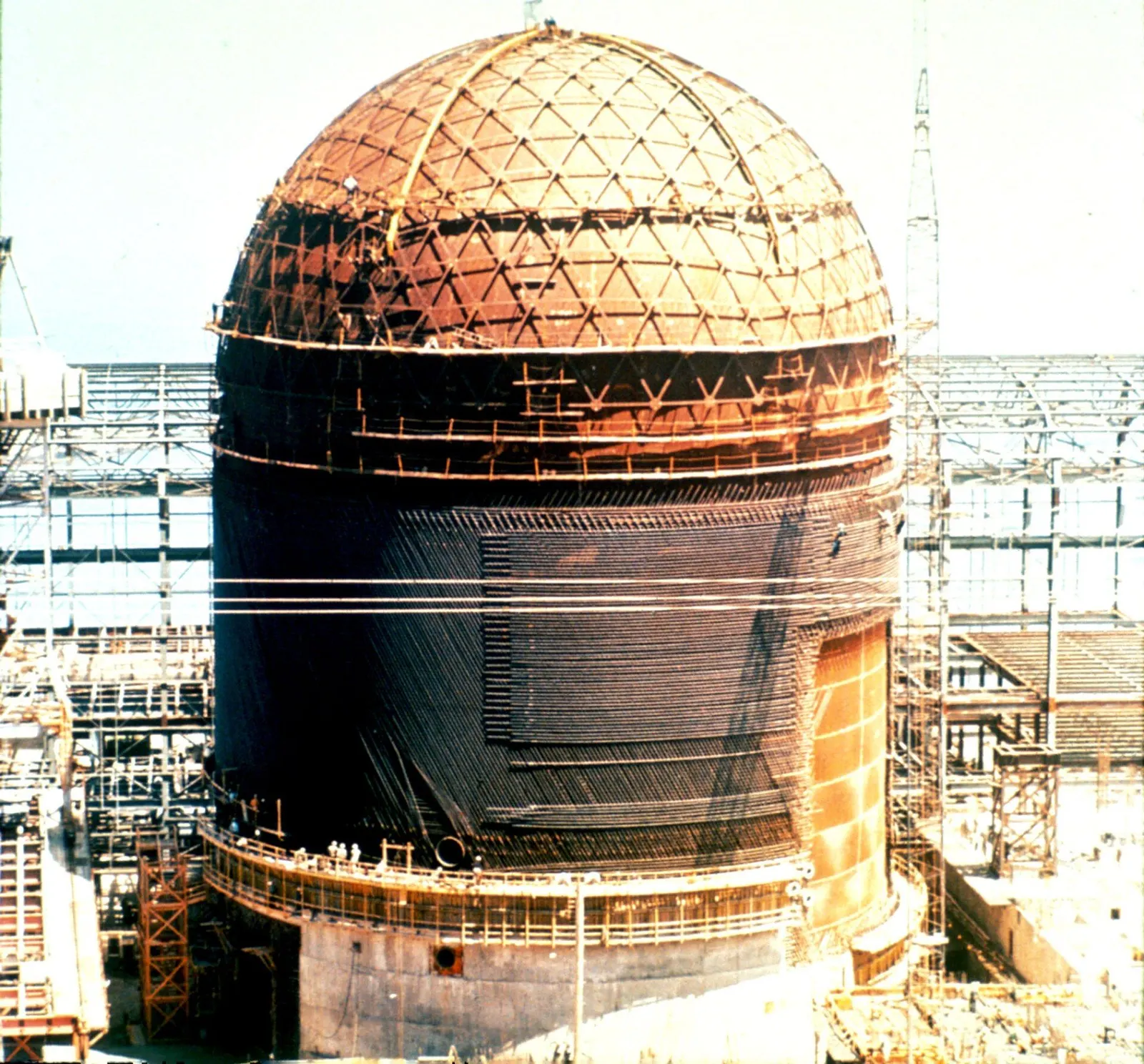
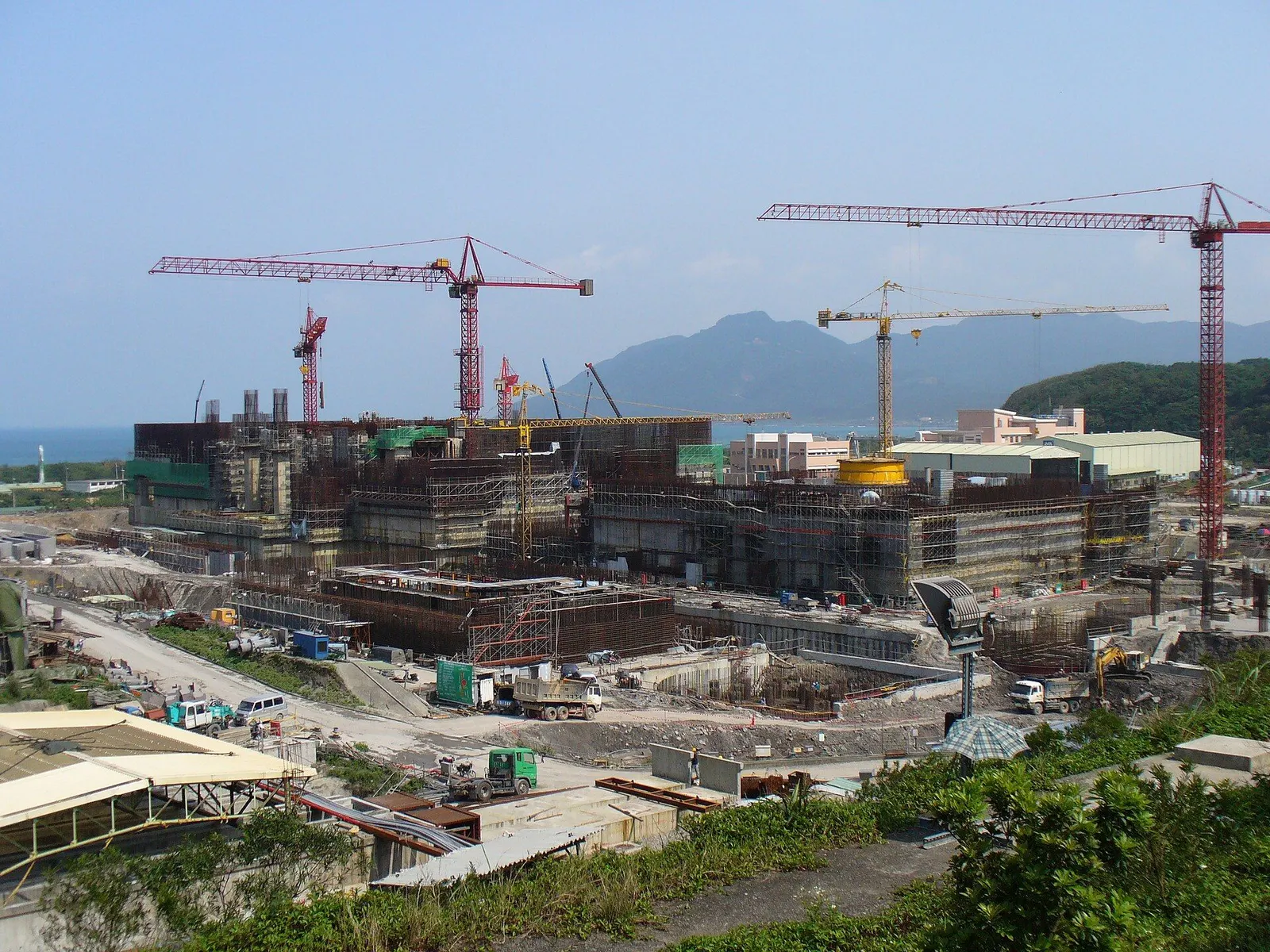
The SMR promise rests on moving work from the site to the factory: large modules are fabricated, tested and shipped, while the site prepares foundations, buildings and connections in parallel.
Nuclear island (vendor / operator)
4- Reactor module and internals
- Safety and containment systems
- Nuclear-grade I&C
- Fuel and fuel handling
Conventional island
4- Turbine-generator
- Condenser and feedwater
- Cooling system
- Plant electrical system
Site and balance of plant
4- Site investigation and excavation
- Civil structures and buildings
- Heavy-haul roads and jetties
- Switchyard and transmission line
8.1Indicative development path
- Pre-feasibility 6–12 mo
- Site evaluation & siting consent 2–3 yrs
- Construction 3–5 yrs
- Commissioning 6–12 mo
Schedules for first-of-a-kind SMRs are uncertain; repeat units are expected to be faster once designs and supply chains settle.
Section 09
Operation, Safety Culture and Waste
Nuclear plants operate under strict licence conditions, with trained and licensed staff, a strong safety culture and continuous regulatory oversight.
- Licensed operators and shift supervision
- Long refuelling cycles and planned outages
- In-service inspection of pressure boundaries
- Radiation protection and dosimetry
- Physical protection and security
- Emergency preparedness and drills
- Spent fuel storage and reprocessing route
- Periodic safety review and licence renewal
- Ageing management and life extension
- Decommissioning planning from day one
Section 10
Finance and Commercial Models
Nuclear projects are capital-heavy with very low fuel cost, so the cost of capital and construction risk decide the tariff.
| Item | Indicative position |
|---|---|
| Capital cost | High per MW; first-of-a-kind SMR estimates vary widely and are expected to fall with series build |
| Fuel cost | A small share of generation cost |
| Capacity factor | Around 90 % or more in mature fleets |
| Revenue options | Long-term PPA with utilities, captive or industrial heat contracts, hydrogen offtake |
| Key risks | Licensing time, first-of-a-kind cost, supply chain, policy and liability framework |
| Support tools | Government funding for R&D and early units, long-term contracts, export credit and multilateral support |
No firm cost or tariff should be assumed without a vendor proposal, site study and regulatory view.
Section 11
Standards and Outlook
SMR and advanced reactor designs are judged against international safety standards and nuclear-grade codes, with work under way to harmonise reviews so one design can be licensed in several countries.
11.1Common standards and references
- IAEA SSR-2/1
- IAEA SSG series
- AERB Safety Codes
- ASME BPVC Section III
- RCC-M
- IEEE 603
- IEC 61513
- ISO 19443
01
Regulatory harmonisation
Shared design reviews among regulators aim to cut the time and cost of licensing the same design in several countries.
02
Supply chain
Nuclear-grade forgings, valves, fuel and qualified manufacturers are key bottlenecks for a fleet build-out.
03
Clean heat and hydrogen
High-temperature reactors paired with thermochemical or high-temperature electrolysis routes for hydrogen.
Section 12
BARREL Support for SMR and Advanced Nuclear Projects
BARREL works alongside licensed operators, reactor vendors and specialist consultants, supporting industries and owners on the non-nuclear scope and the project as a whole.
- Pre-feasibility and options studies
- Site screening, including coal plant repowering
- Industrial heat and hydrogen integration studies
- Grid connection and evacuation planning
- Conventional island and balance-of-plant engineering
- Civil and site infrastructure coordination
- Stakeholder and approvals coordination support
- Owner's engineer support for non-nuclear scope
- Supply chain and vendor engagement
- Project finance facilitation
- Training and workforce planning support
- Policy and market monitoring
Nuclear island design, nuclear safety and operation are the responsibility of the licensed operator and vendor under the national regulator.
Project desk
Explore small modular and advanced reactors with BARREL
From the first site screening to a clear, regulated path forward.
Considering SMR power or heat for an industrial cluster, repowering a coal site or studying advanced reactors for the long term — tell us about your needs and we will respond with the next steps.
Project categories
- Light-water SMR
- Bharat Small Reactor (PHWR)
- Microreactor
- HTGR / industrial heat
- Coal site repowering
- Thorium & Gen IV research