
- Renewable Generation
- Biogas
- Bio-CNG
- Turnkey EPC
Biogas & Bio-CNG
Anaerobic Digestion | CSTR | Plug-Flow | UASB | Gas Engines & CHP | CBG Upgrading
Organic waste in, clean gas, power and fertiliser out.
Biogas plants let bacteria break down wet organic matter without air and capture the methane-rich gas it gives off. The gas runs engines for power and heat, or is cleaned and compressed into bio-CNG for vehicles and city gas networks, while the digested slurry goes back to the soil as fertiliser. BARREL provides and coordinates biogas and compressed biogas projects from feedstock studies and design through approvals, EPC and long-term operation.
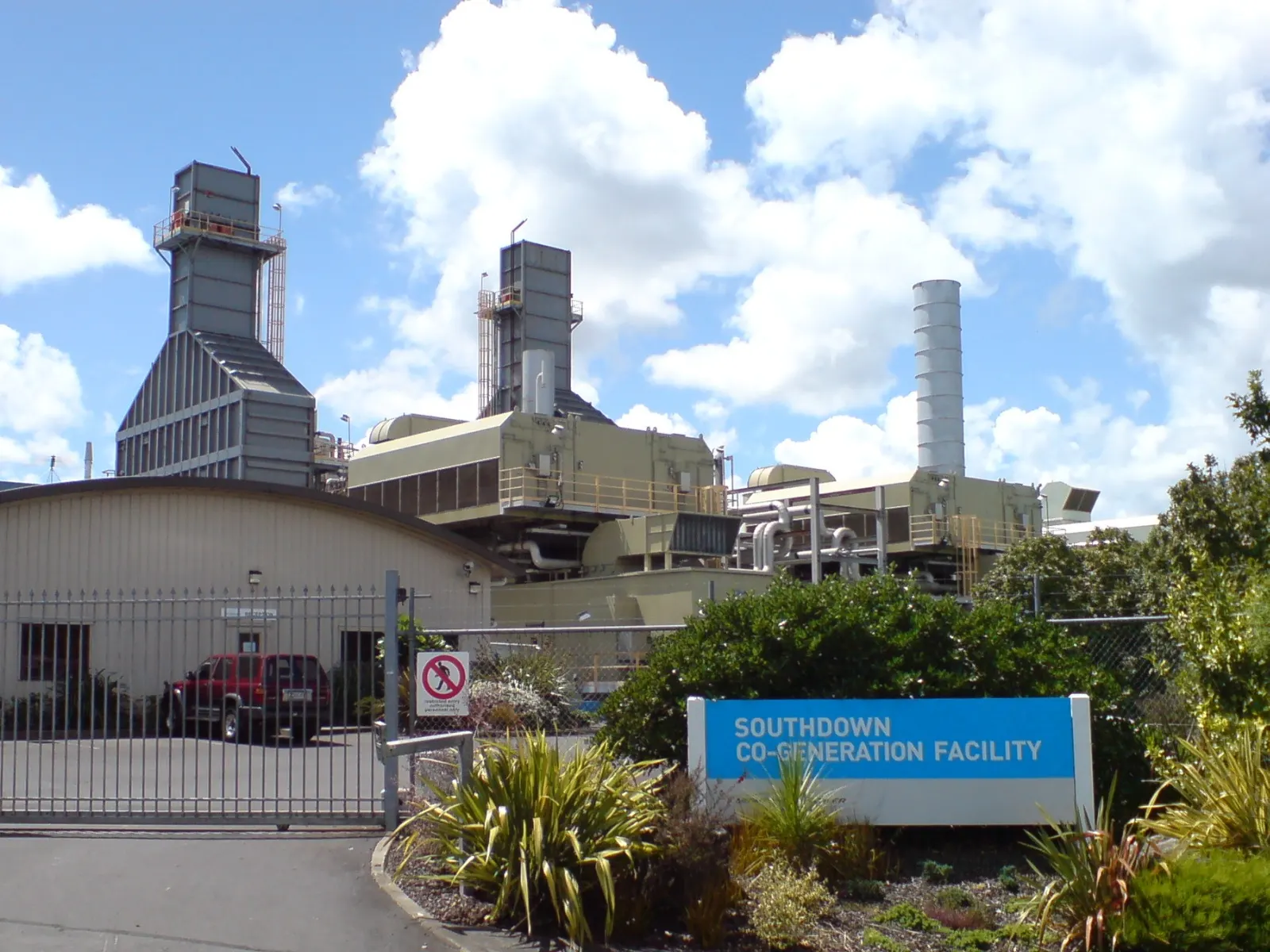
DDigest
Steady feeding of a stable digester
CClean
Remove H2S, moisture and CO2 as the use demands
RReturn
Digestate back to the fields as manure
- Methane in raw biogas
- 50–65 %
- Energy in raw biogas at 60 % CH4
- ~6 kWh/m³
- Gas engine electrical efficiency
- 35–42 %
- Typical CBG plant output
- 2–20 t/day
- Asset life
- 20+ yrs
Section 01
Biogas and Bio-CNG — Overview
Biogas is a mixture of methane (CH4) and carbon dioxide (CO2) with small amounts of hydrogen sulphide, water vapour and other gases, made when organic matter is digested anaerobically.
It can be burnt directly for heat, used in gas engines for power and heat, or upgraded to more than 90 % methane and compressed as bio-CNG, also called compressed biogas (CBG), which can replace fossil CNG.
1.1Ways to use biogas
| Route | Product | Typical use |
|---|---|---|
| Direct thermal | Heat | Boilers, dryers and kitchens at farms and factories |
| Gas engine | Electricity | Grid export or captive supply at dairies, distilleries, sugar mills |
| Combined heat and power (CHP) | Electricity and heat | Digester heating plus process steam or hot water |
| Upgrading to bio-CNG / CBG | Vehicle fuel and pipeline gas | Retail fuel stations, city gas networks, industry |
| Digestate | Organic manure | Solid and liquid fertiliser for farms |
1.2Why biogas
01
Waste treatment
Turns dung, food waste and industrial effluent into a stable product instead of an odour and pollution problem.
02
Dispatchable energy
Gas can be stored in a holder and burnt when power is most valuable.
03
Methane capture
Captures a strong greenhouse gas that would otherwise escape from open lagoons and dumps.
04
Replaces imported gas
Bio-CNG substitutes fossil CNG and LNG in transport and industry.
05
Soil health
Digestate returns nutrients and organic carbon to farmland.
06
Rural income
Farmers earn from selling residues, energy crops and dung.
Section 02
Anaerobic Digestion and Digester Types
Digestion runs in four biological stages. The digester is chosen from the feedstock's solids content: stirred tanks for slurries, plug-flow for thick feeds, high-rate reactors for liquid effluent.
2.1Biological stages
- Hydrolysis
- Acidogenesis
- Acetogenesis
- Methanogenesis
- Biogas
2.2Digester types
01
SlurriesCSTR (continuously stirred tank)
Large mixed tank at 8–12 % solids; robust for dung, press mud, energy crops and food waste mixes.
02
Thick feedsPlug-flow digester
Horizontal reactor where feed moves along as a plug; suits high-solids feed such as manure with bedding.
03
EffluentUASB reactor
Upflow sludge blanket retains bacteria for short hydraulic times; used for distillery spent wash and food-industry effluent.
04
Low costCovered lagoon
Lined, covered pond for dilute effluent in warm climates; simple but slow and large.
05
SolidsDry / batch digester
Garage-type or tunnel digesters for stackable organic waste with percolate recirculation.
06
StabilityTwo-stage digestion
Separate acid and methane stages for difficult or fast-degrading feeds.
Most commercial plants run mesophilic (35–40 °C); thermophilic (50–55 °C) digestion is faster but more sensitive to upsets.
Section 03
Feedstocks and Gas Yields
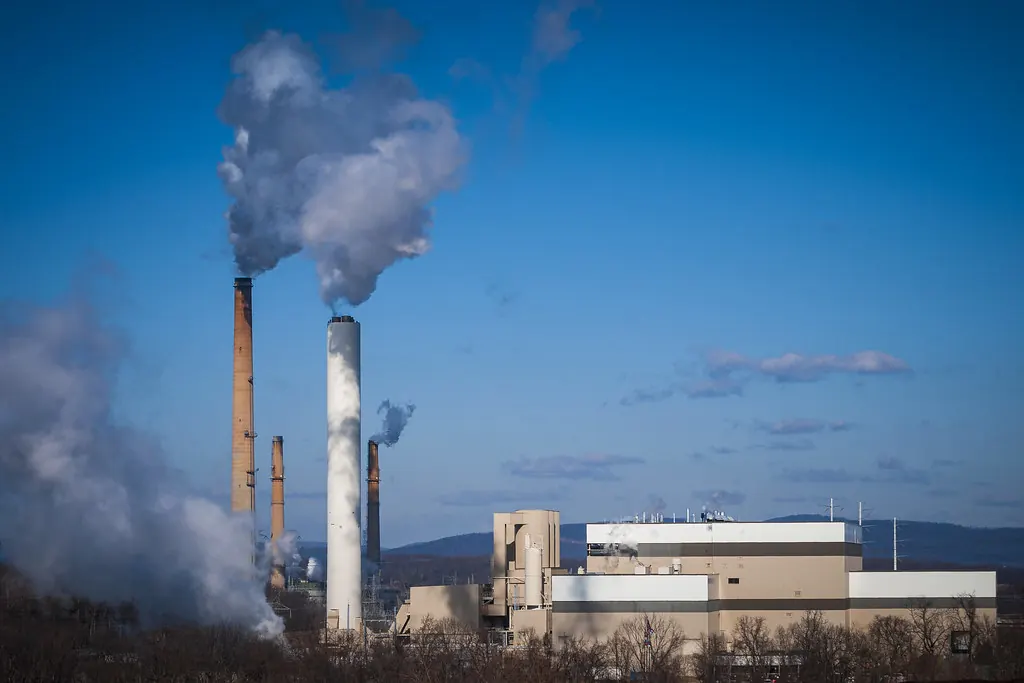
Feedstock decides gas yield, digester design and pre-treatment. Steady supply and a consistent mix keep the bacteria healthy.
3.1Common feedstocks (indicative)
| Feedstock | Total solids | Biogas, m³ per tonne fresh | Notes |
|---|---|---|---|
| Cattle dung | 15–20 % | 25–40 | Stable base feed; low yield per tonne |
| Press mud (sugar-mill filter cake) | 25–30 % | 80–120 | Seasonal with crushing; may need storage or co-feed |
| Food and market waste | 15–25 % | 100–150 | Needs sorting and depackaging; high yield |
| Napier grass / energy crops | 18–25 % | 70–110 | Grown for the plant; ensiled for year-round feed |
| Poultry litter | 50–70 % | 80–130 | High nitrogen; ammonia must be managed |
| Distillery spent wash | Liquid | About 0.5 m³ per kg COD removed | Treated in UASB or similar high-rate reactors |
Yields vary with freshness, storage and mix; laboratory biomethane potential (BMP) tests on actual samples are the basis for design.
Section 04
Plant Design and Energy Output
Digester volume follows from the daily feed and its retention time; the gas flow and its methane content set the power or CBG output.
4.1Power from biogas
Electrical energy
E (kWh) = V × fCH4 × 9.97 × η
Indicative: 1,000 m³/day at 60 % CH4 and 38 % engine efficiency gives about 2,270 kWh/day, near 95 kW average
9.97 kWh/m³ is the lower heating value of methane at normal conditions. Part of the output is used on site for mixers, pumps and digester heating.
| Symbol | Meaning |
|---|---|
| V | Biogas volume, m³ (normal) |
| fCH4 | Methane fraction, 0.50–0.65 |
| 9.97 | Lower heating value of methane, kWh/m³ |
| η | Electrical efficiency of the engine, 0.32–0.42 |
4.2Key design parameters
Digester
5- Organic loading rate, kg VS per m³ per day
- Hydraulic retention time, often 20–40 days for CSTR
- Operating temperature and heating demand
- Mixing method and energy
- Gas storage volume for buffering
Process control
5- pH and volatile fatty acids
- Alkalinity ratio (FOS/TAC)
- Ammonia and C:N ratio of the mix
- Foaming and grit build-up
- Daily feed records and gas flow metering
Section 05
Gas Cleaning, Gas Engines and Grid Connection
Raw biogas is wet and corrosive. It is cleaned to the level the end use needs, then burnt in engines built for low-calorific gas.
5.1Gas cleaning steps
| Step | Removes | Common methods |
|---|---|---|
| Desulphurisation | Hydrogen sulphide (H2S) | Biological scrubbing, air dosing in the digester, iron-based media, chemical scrubbers |
| Drying | Water vapour | Chilling and condensate traps, reheating |
| Fine polishing | Siloxanes and traces | Activated carbon filters |
| Safety | Overpressure and surplus gas | Pressure relief valves, flame arresters, enclosed flare |
5.2Power block and connection
- Gas engine generator sets designed for biogas
- Heat recovery from jacket water and exhaust
- Digester heating from recovered heat
- Steam or hot water for the host process
- Engine control and gas train
- Step-up transformer and 11–33 kV connection
- Metering, protection and telemetry
- Captive or open access supply where rules allow
Section 06
Upgrading to Bio-CNG and Compressed Biogas
Upgrading removes CO2 and impurities to bring the gas to more than 90 % methane, after which it is compressed for cascades or injected into a gas network.
01
CommonWater scrubbing
CO2 dissolves in pressurised water; simple and widely used in India.
02
CompactPressure swing adsorption
Adsorbent beds capture CO2 under pressure and release it when depressurised.
03
ModularMembrane separation
Polymer membranes let CO2 pass faster than methane; easy to scale in stages.
04
High purityAmine scrubbing
Chemical absorption with very low methane loss; needs heat for regeneration.
6.1CBG chain
- Raw biogas
- H2S removal
- Drying
- CO2 removal
- Compression to about 250 bar
- Cascade or pipeline
- Fuel station or city gas
India's SATAT initiative encourages compressed biogas plants with offtake by oil marketing companies, and CBG blending obligations are being introduced in city gas networks. Purchase prices, specifications (the Indian standard for biomethane) and incentives are confirmed for each project.
Section 07
Digestate as Fertiliser
Most of the feed leaves the digester as digestate. Handled well, it is a second product that pays part of the operating cost.
Solid fraction
4- Separated by screw press or decanter
- Dried and sold as organic manure
- Enriched with phosphate where approved
- Bagged for retail or sold in bulk
In India fermented organic manure is covered by fertiliser quality rules.
Liquid fraction
4- Recycled to dilute the feed
- Applied to fields through irrigation
- Treated further where land is short
- Nutrient testing before application
Section 08
Project Development and Approvals
A bankable biogas project rests on three contracts: feedstock supply, gas or power offtake, and digestate sale.
- 1Feedstock survey and laboratory BMP tests
- 2Site selection near feedstock, roads and grid or gas line
- 3Detailed project report
- 4Consent to establish from the pollution control board
- 5Explosives safety approval for gas storage and compression where needed
- 6Fire safety and factory approvals
- 7Offtake agreement for CBG, power or gas
- 8Feedstock supply and digestate sale agreements
- 9Financial close and EPC award
Section 09
Turnkey EPC Delivery
BARREL coordinates biogas plants as one turnkey contract or as process, civil and gas-handling packages under one interface.
Feed and digestion
4- Feed reception and storage
- Pre-treatment and mixing
- Digesters with mixers and heating
- Gas holder
Gas handling
4- Cleaning and drying
- Engines or upgrading unit
- Compressors and cascades
- Flare and safety systems
Balance of plant
4- Digestate separation and drying
- Electrical and grid connection
- SCADA and gas analysers
- Roads, sheds and drainage
9.1Typical schedule (5–10 t/day CBG, indicative)
- Feedstock study & DPR 3–4 mo
- Approvals 4–6 mo
- Construction 12–18 mo
- Start-up and biology build-up 2–3 mo
Section 10
Operation and Maintenance
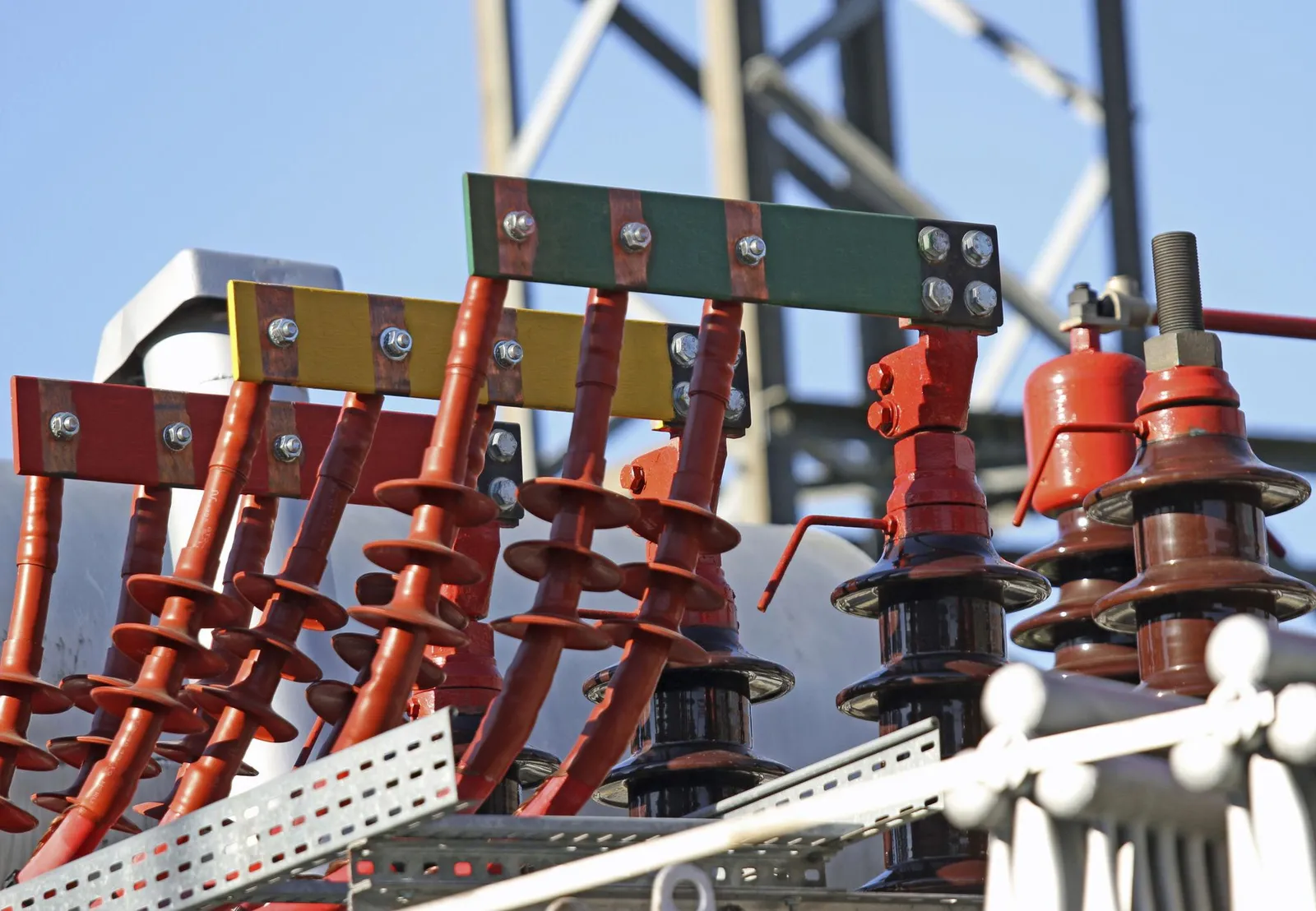
A digester is a living system. Daily feeding discipline and process checks matter as much as mechanical maintenance.
- Daily feed scheduling and records
- pH, VFA, alkalinity and gas quality testing
- Mixer, pump and heat exchanger maintenance
- Grit and scum removal from digesters
- Desulphuriser media and carbon filter changes
- Engine oil analysis and overhaul intervals
- Compressor and upgrading unit maintenance
- Gas leak detection and explosion-zone safety
- Digestate quality testing and sales
Section 11
Finance and Commercial Models
Biogas projects earn from several products at once; the feedstock price and the offtake price decide viability.
| Item | Typical range (India, indicative) |
|---|---|
| Revenue streams | CBG sales, power sales or savings, heat, organic manure, carbon credits |
| CBG yield | Roughly 1 t CBG from 2,300–2,700 m³ raw biogas |
| Feedstock cost | Ranges from a gate fee received (waste) to a purchase price (crops, press mud) |
| Plant availability | 85–95 % with steady feed and good O&M |
| Key risks | Feedstock supply and quality, offtake price, digestate market, process upsets |
Figures are indicative for early screening only; each project needs its own feedstock tests, cost estimate and financial model.
Section 12
BARREL Services for Biogas and Bio-CNG
One partner from the first feedstock sample to years of steady gas production, supported by BARREL's network of consultants, technology providers and contractors.
- Feedstock survey and BMP testing
- Technology selection
- Pre-feasibility and DPR
- Approvals support
- Owner's engineer and lender's engineer
- Digester and upgrading equipment sourcing
- Gas engine and CHP integration
- Turnkey EPC / EPCM coordination
- Offtake and feedstock contract support
- Digestate product development
- O&M and process support
- Project finance facilitation
Project desk
Build your biogas or bio-CNG project with BARREL
From organic waste to clean gas, power and manure.
Planning a compressed biogas plant, adding a digester to a dairy, distillery or sugar mill, or treating food waste for energy — tell us about the feedstock and the site and we will respond with the next steps.
Project categories
- Compressed biogas (CBG)
- Biogas power plant
- Biogas CHP
- Effluent-based biogas
- Food waste digestion
- Plant upgrade