

Quality built into every stage of power project construction.
Verify the work. Document the evidence. Protect project quality.
BARREL provides Quality Assurance and Quality Control supervision for power infrastructure projects, helping project owners establish inspection systems, monitor construction quality, verify material and workmanship compliance, and maintain documented evidence throughout execution.
Quality should not be inspected only at the end. It should be planned, controlled and verified throughout the project.
- QA
- QC
- Construction supervision
About our QA/QC services
Power infrastructure is built from interconnected systems whose performance depends on the quality of materials, design, manufacturing, installation and testing. A poorly executed cable termination, defective concrete foundation, incorrect equipment installation, inadequate earthing connection or unresolved protection-system issue can affect safety, reliability, commissioning and long-term operating performance.
BARREL's QA/QC supervision service is designed to help project owners implement quality controls through documented procedures, inspections, tests, non-conformance management and construction-stage verification.
The service may be delivered as part of an EPC contract or as a separately defined supervision engagement, subject to the agreed scope and independence requirements.
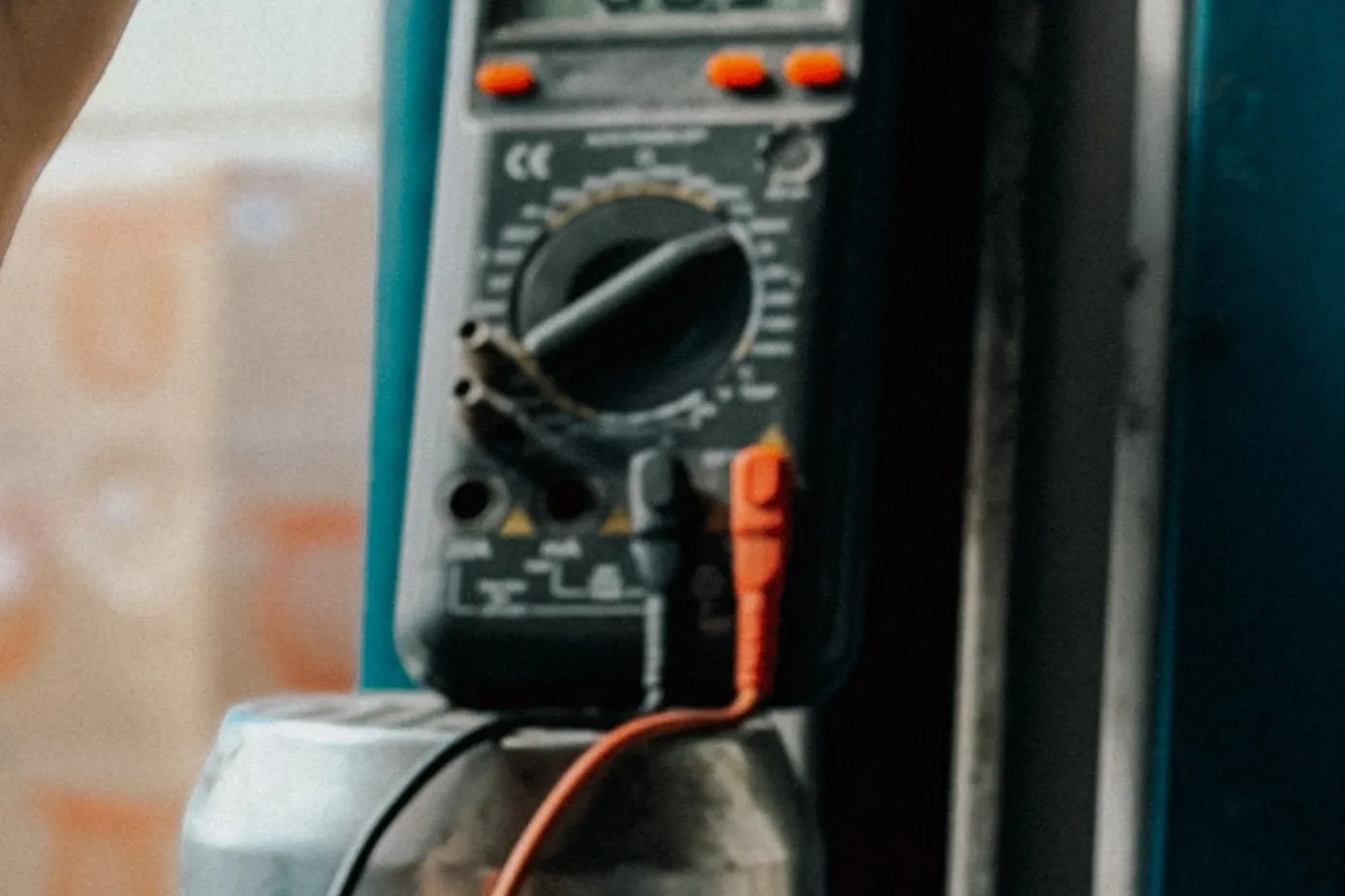
Quality assurance and quality control: the difference
Quality Assurance — preventing defects
QA focuses on the systems and procedures that support consistent quality:
- Quality-plan development and review
- Applicable standards and specifications
- Review of contractor quality procedures
- Review of inspection and test plans
- Document-control procedures
- Supplier quality requirements
- Personnel competency requirements
- Inspection-stage planning
- Quality audit scheduling
- Corrective-action procedures
- Quality-record requirements
Quality Control — verifying compliance
QC focuses on examining materials, workmanship and completed activities:
- Material receipt inspection
- Verification of approved materials
- Inspection of construction activities
- Witnessing of specified tests
- Review of test results
- Verification of equipment installation
- Identification of defects
- Non-conformance reporting
- Reinspection after correction
- Punch-list preparation and closure
- Quality-record compilation
The actual authority to accept or reject work depends on the contract, approved inspection plan and the delegated responsibilities of the parties involved.
QA/QC services across the project lifecycle

A. Design and engineering quality review
- Review of design-document completeness
- Drawing-register verification
- Revision and transmittal tracking
- Interface and constructability reviews
- Verification that design approvals are recorded
- Review of technical specifications
- Missing inspection or testing requirements
- Coordination of design comments and responses
- Approved-for-construction drawing status
An independent design review is distinct from assuming responsibility for the original designer's calculations or design certification.
B. Vendor and manufacturing quality
- Vendor quality-plan review
- Review of approved technical specifications
- Inspection and test plan review
- Verification of material certificates
- Manufacturing progress inspections
- Factory Acceptance Test (FAT) coordination
- Review of factory test records
- Manufacturing non-conformances
- Inspection-release documentation
- Packing and preservation checks
- Equipment identification and traceability
Inspection and certification are provided only within the scope, competence and authorisation of the assigned personnel.
C. Civil construction quality
- Verification of approved construction drawings
- Setting-out and dimensional checks
- Excavation and foundation inspections
- Reinforcement inspection
- Formwork inspection
- Concrete placement and curing records
- Concrete sampling and test-result review
- Grouting inspection
- Structural installation checks
- Road and drainage inspection
- Cable-trench and duct inspection
- Waterproofing and finishing checks
- Backfilling and compaction records
- Identification and closure of defects
Required testing is performed by competent personnel or qualified laboratories as applicable.
D. Electrical installation quality
- Verification of approved electrical drawings
- Equipment identification and nameplate checks
- Cable-route and cable-tray inspections
- Cable laying and termination inspections
- Torque and connection checks where specified
- Transformer installation checks
- Switchgear and panel installation
- Earthing-system inspection
- Lightning-protection inspection
- Protection-panel wiring checks
- Instrumentation and control wiring
- Electrical testing documentation
- Equipment clearances and access checks
- Installation punch lists
- Completeness of test records
E. Transmission lines and substations
- Foundation inspection
- Tower erection checks
- Conductor and hardware inspection
- Sagging and stringing records
- Substation equipment installation
- Busbar and connection checks
- Cable and control-wiring inspection
- Earthing and bonding checks
- Transformer and switchgear test-record review
- Protection and control-system verification
- SCADA and communication interface checks
- Pre-commissioning inspections
- Defect and punch-list management
The applicable utility requirements and project-specific specifications take precedence.
F. Solar and battery storage projects
Solar: module identification and condition, mounting structures, alignment, inverter installation, DC and AC cables, connector compatibility, earthing and bonding, transformers and switchgear, SCADA and monitoring interfaces, and specified electrical and performance tests. Battery storage additionally covers:
- Container and equipment installation
- Cable and connection verification
- Cooling and ventilation interfaces
- Fire-detection and suppression interfaces
- Electrical protection
- Control-system integration
- Factory and site acceptance records
- Commissioning readiness
Battery systems require technology-specific safety procedures and manufacturer-approved methods.
Inspection and test plans
An Inspection and Test Plan (ITP) defines what must be inspected, how compliance will be verified, who is responsible, what records must be retained and when work may proceed. BARREL can help prepare or review ITPs that identify:
- Work activity
- Applicable specification or standard
- Inspection or test method
- Acceptance criteria
- Responsible party
- Required records
- Inspection frequency
- Hold points
- Witness points
- Review points
- Release requirements
Hold and witness points
Hold points require the specified approval before work proceeds. Witness points identify stages where designated parties may witness an inspection or test in accordance with the agreed procedure. These controls reduce the risk of critical work being concealed or completed before the required verification.
Material traceability and non-conformance management
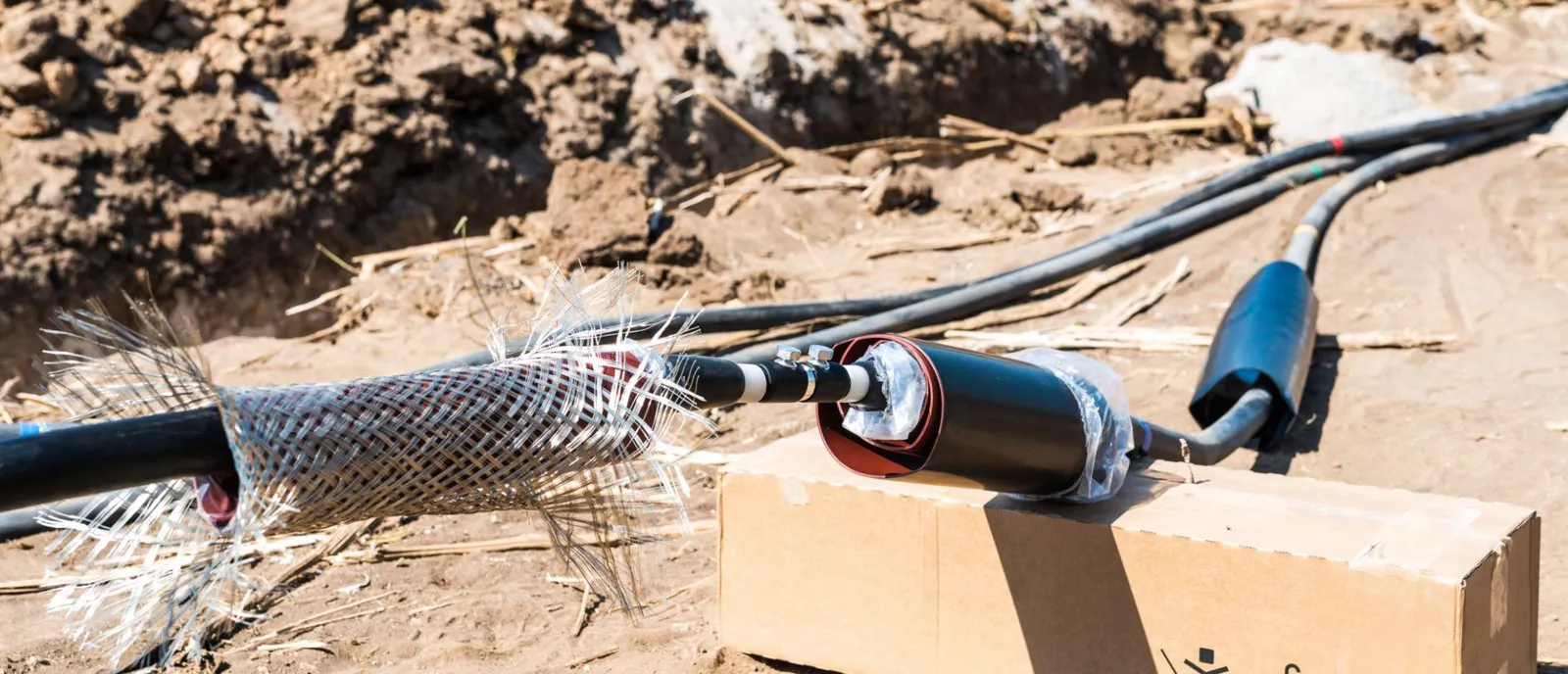
Material inspection and traceability
Materials are verified against approved specifications before incorporation into the project:
- Purchase-order and specification checks
- Material identification
- Verification of certificates
- Inspection of visible damage
- Quantity reconciliation
- Verification of serial numbers
- Storage and preservation conditions
- Traceability records
- Inspection-status tagging
- Rejected or quarantined materials
This helps project teams distinguish approved materials from items awaiting inspection or corrective action.
Non-Conformance Reports (NCR)
An NCR records a failure to meet a specified requirement. BARREL can support a structured process:
- Identify and record the non-conformance
- Describe the affected work or material
- Assess the potential impact
- Assign responsibility for corrective action
- Review the proposed correction
- Record the action taken
- Reinspect or retest the affected work
- Close the NCR once the evidence is accepted
- Analyse recurring issues for systemic causes
Depending on the contract, non-conforming work may require repair, replacement, rework or formal technical disposition by the authorised party.
Construction supervision, audits and commissioning quality
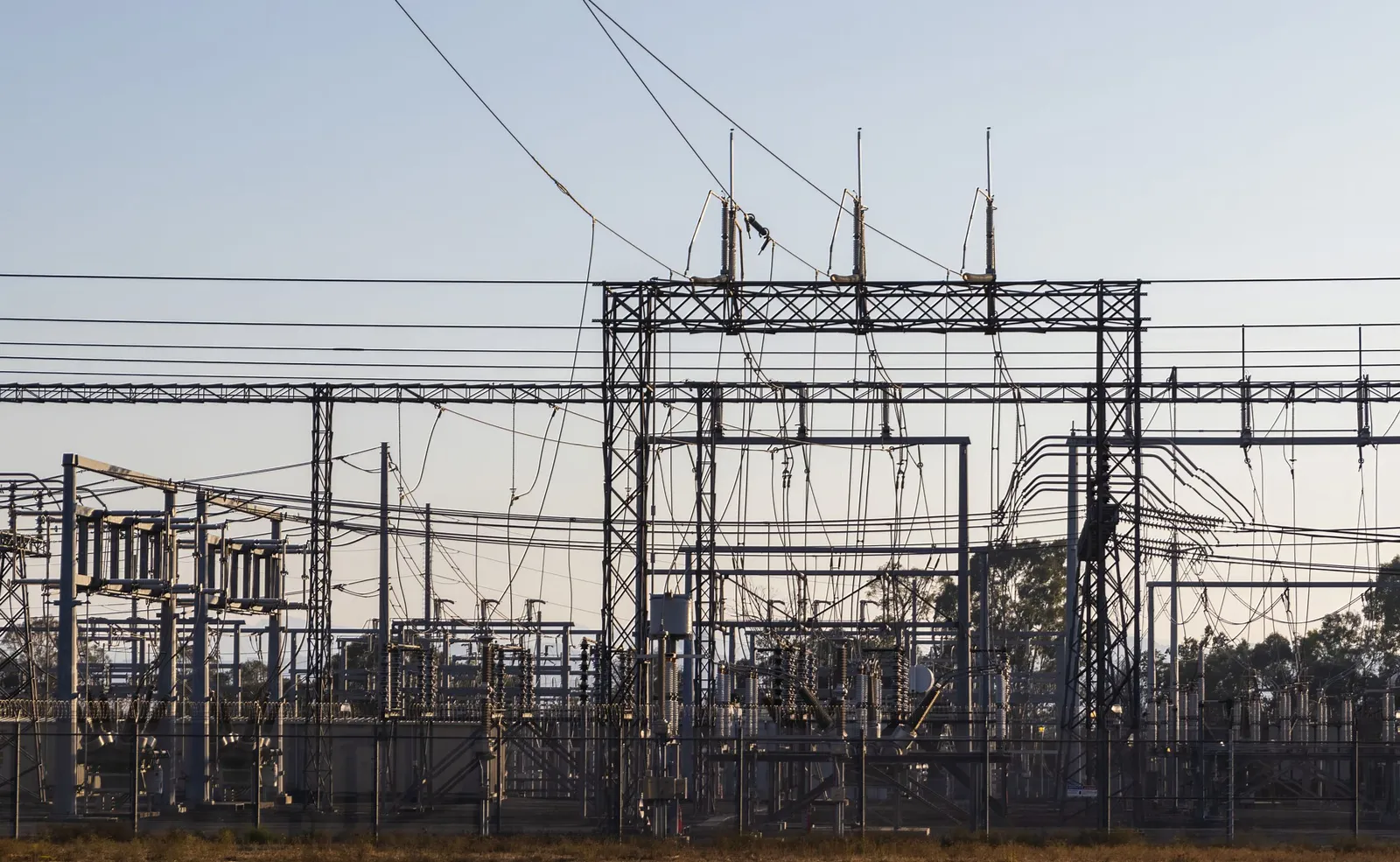
Construction supervision
- Site inspection schedules
- Daily or periodic quality observations
- Inspection requests and approvals
- Verification of specified construction stages
- Contractor quality-performance monitoring
- Review of test records
- Documentation of defects
- Coordination of corrective actions
- Monitoring of outstanding quality issues
- Reporting to the project owner
- Support during pre-commissioning and handover
The level of site presence — full-time, part-time or milestone-based — is specified in the proposal.
Quality audits
- Contractor quality-system reviews
- Inspection-record sampling
- Material-traceability checks
- Drawing-revision audits
- NCR status reviews
- Calibration-record verification
- Equipment-test-record reviews
- Subcontractor quality controls
- Recurring process failures
- Corrective and preventive action recommendations
An audit identifies findings and supports improvement; it does not automatically constitute independent certification or statutory approval.
Testing and commissioning quality
- Mechanical completion inspections
- Pre-commissioning checklists
- Electrical test records
- Protection and control tests
- Functional testing
- Interlock verification
- Equipment test documentation
- Outstanding-defect reviews
- Punch-list closure
- Commissioning-readiness assessments
- Handover-document verification
The commissioning authority and final acceptance process are determined by the project contract and applicable requirements.
QA/QC deliverables
Depending on the engagement, deliverables may include:
- Project Quality Plan
- Inspection and Test Plans
- Inspection checklists
- Material inspection records
- Site inspection reports
- Factory inspection reports
- FAT and site acceptance test records
- Non-Conformance Reports
- Corrective-action registers
- Quality audit reports
- Calibration-record reviews
- Test-result registers
- Punch lists
- Quality-status dashboards
- Final quality dossier or handover index
Independent supervision and conflicts of interest
Where the client requires independent quality supervision, the scope and reporting structure preserve the necessary independence. If BARREL is also executing the construction package, independent acceptance is assigned to the party designated by the contract — the owner, owner's engineer, independent inspector or statutory authority. The authority to certify, approve or release work is never implied beyond the actual appointment.
Who should engage BARREL QA/QC?
- Project developers
- EPC contractors
- Project owners and asset purchasers
- Renewable energy investors
- Industrial facility owners
- Substation and transmission developers
- Battery storage developers
- Owners requiring third-party construction monitoring
- Companies commissioning complex electrical infrastructure
Why BARREL QA/QC?
Documented verification
Inspection findings and test results are recorded against defined requirements.
Early defect identification
Problems can be identified before they become more expensive to correct.
Traceability
Materials, equipment, inspections and corrective actions can be tracked through controlled records.
Construction visibility
Project owners receive structured information on quality status and outstanding issues.
Handover readiness
Quality documentation is organised to support testing, commissioning and asset acceptance.
Protect your investment through structured quality control.
Share your project type, location, construction stage, technical specifications and required supervision coverage. BARREL can propose a QA/QC scope aligned with your project requirements.
Your name, email, project location and stage are all we need to respond. The more you share, the more specific our first reply can be.



Planning a power project? Let's build it on BARREL.
Every power project has its own technical requirements, commercial objectives, regulatory dependencies and implementation challenges. Tell us what you are planning, where you are in the project lifecycle and what support you need.
BARREL — Bharat Atom Renewable Resources Energy Limited · Rooted in Bharat. Global by Vision.