
- Renewable Generation
- Emerging Technology
- Solar
- Wind
Next-Generation Solar & Wind
Perovskite | Tandem | TOPCon | HJT | Back-Contact | Floating Wind | Airborne | VAWT
More energy from every square metre and every gust.
Solar cells and wind turbines keep getting better: new cell structures lift module efficiency, trackers and bifacial glass harvest more light, and wind turbines grow larger and move offshore onto floating foundations. BARREL provides technology screening, pilot design and bankability support so developers can adopt new solar and wind technology at the right time and with sound risk.
EEfficiency
More power from the same area
RReadiness
From lab to bankable product
BBankability
Data, warranties and track record
- Mainstream module efficiency
- 22–24 %
- Tandem cell records
- 30 %+
- Largest offshore turbines
- 15–25 MW
- Bifacial gain
- 5–25 %
- Readiness scale
- TRL 1–9
Section 01
Next-Generation Solar & Wind — Overview
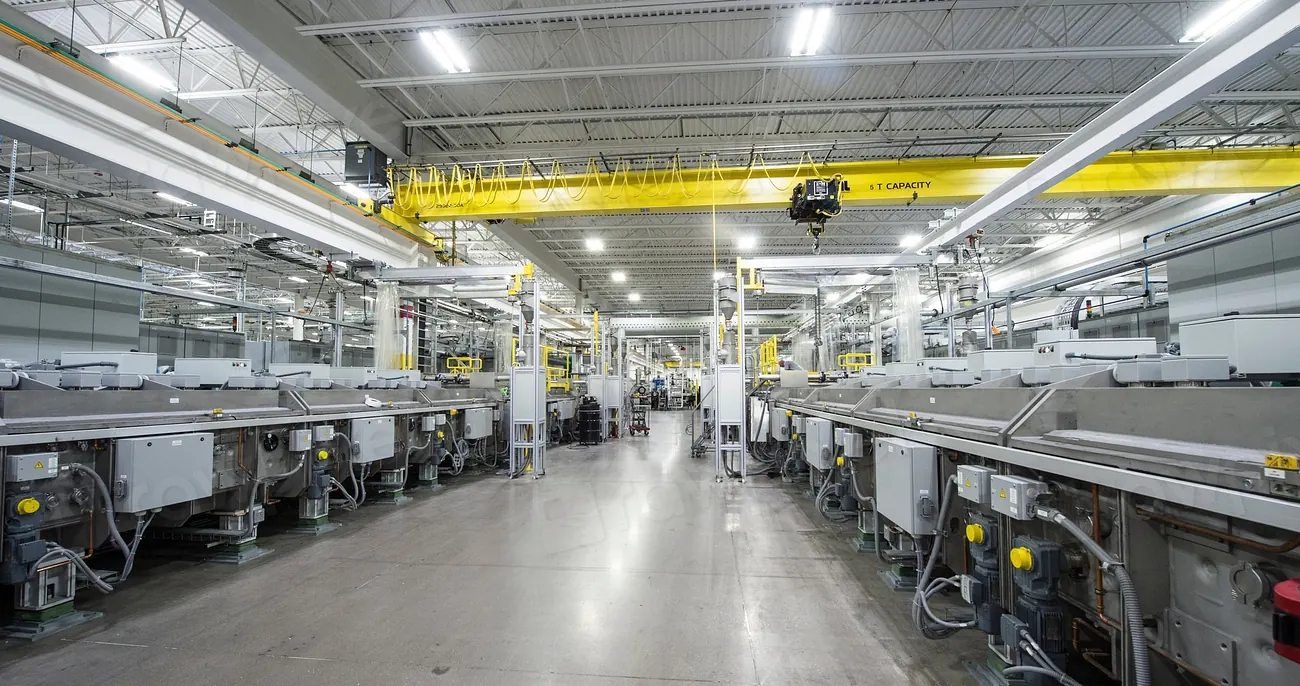
Mainstream crystalline silicon modules and three-bladed horizontal-axis turbines dominate today's renewable build. Next-generation technology aims to cut the cost of energy further — higher cell efficiency, more energy per hectare, access to deep seas and new sites.
Some of these technologies are already commercial and spreading fast (TOPCon, HJT, bifacial with trackers, larger offshore turbines); others are at pilot or demonstration stage (perovskite tandems, floating wind at scale, airborne wind). Matching the technology to its readiness is the key decision.
1.1Technology map (indicative status)
| Technology | Field | Status |
|---|---|---|
| TOPCon and HJT modules | Solar | Commercial, mainstream in new factories |
| Back-contact modules | Solar | Commercial, growing share |
| Bifacial modules on single-axis trackers | Solar | Commercial, standard for large plants |
| Perovskite and perovskite–silicon tandem | Solar | Pilot lines and early products; durability being proven |
| Larger offshore turbines (15 MW class) | Wind | Commercial in leading markets |
| Floating offshore wind | Wind | Pre-commercial to early commercial arrays |
| Vertical-axis turbines | Wind | Niche and small-scale; larger designs in demonstration |
| Airborne wind (kites, tethered wings) | Wind | Demonstration |
Status changes quickly; BARREL checks the current certification and field data of each product before recommending it.
Section 02
How Better Solar Cells Work
A silicon cell's efficiency is limited by losses at its surfaces and contacts and by the part of sunlight it cannot use. New structures passivate surfaces (TOPCon, HJT), move contacts off the front (back-contact) or stack a second absorber on top (tandem) to capture more of the spectrum.
2.1Cell and module efficiency
Conversion efficiency
η = Pmax ÷ (G × A)
Pmax = Voc × Isc × FF
Efficiency is measured at standard test conditions (1,000 W/m², 25 °C cell, AM1.5 spectrum). A 2.6 m² module rated 620 W is about 23.8 % efficient (indicative).
| Symbol | Meaning |
|---|---|
| Pmax | Maximum power at standard test conditions, W |
| G | Irradiance, W/m² (1,000 at STC) |
| A | Cell or module area, m² |
| Voc, Isc | Open-circuit voltage and short-circuit current |
| FF | Fill factor, typically 0.78–0.85 |
2.2Where the gains come from
01
Surface passivation
Thin oxide or amorphous silicon layers stop charge carriers recombining at the surface, raising voltage.
02
Rear contacts
Moving all contacts to the back removes front shading and lifts current.
03
Tandem stacking
A wide-bandgap top cell (perovskite) uses blue light; silicon below uses red and infrared.
04
Lower temperature loss
HJT and TOPCon lose less power per degree, helping in hot Indian climates.
Section 03
Next-Generation Solar Technologies
Each cell technology trades efficiency, cost, temperature behaviour and manufacturing maturity.
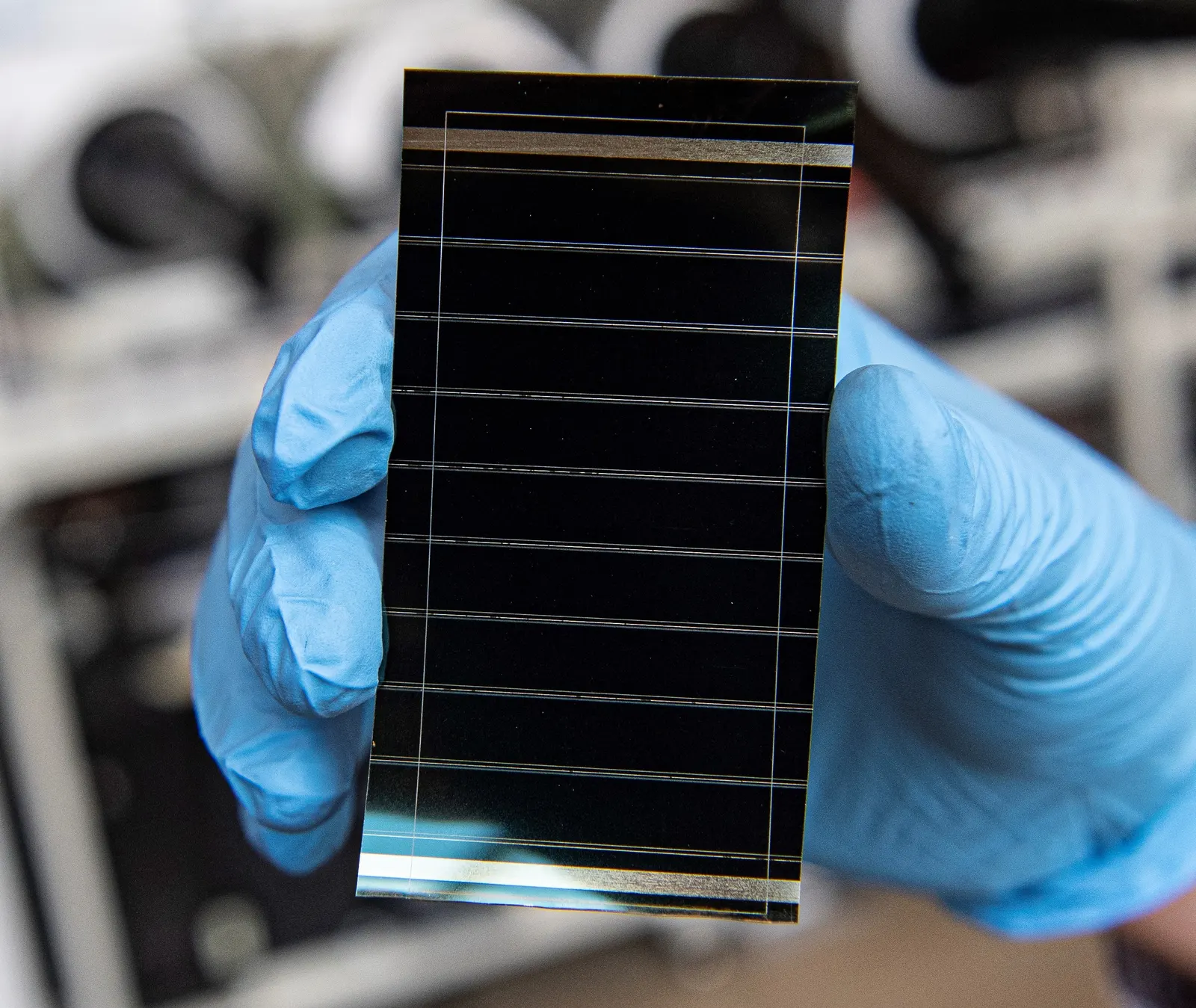
3.1Cell technologies compared (indicative)
| Technology | Module efficiency | Temperature coefficient | Notes |
|---|---|---|---|
| PERC (reference) | 20–22 % | About −0.35 %/°C | Previous mainstream, being replaced |
| TOPCon (n-type) | 22–24 % | About −0.30 %/°C | Upgrade path for PERC lines; high bifaciality |
| HJT (heterojunction) | 22–24 % | About −0.25 %/°C | Low-temperature process, best hot-climate behaviour |
| Back-contact (IBC and variants) | 23–25 % | About −0.29 %/°C | All-black front, good for rooftops; lower bifaciality |
| Perovskite single-junction | Lab records above 26 % (cells) | Varies | Low-cost materials; stability under heat and moisture still being proven |
| Perovskite–silicon tandem | Lab records above 33 % (cells) | Varies | Pilot production; long-term field data limited |
India's approved list of models and manufacturers (ALMM) and domestic content rules decide which modules qualify for many tenders and schemes; new technologies must be listed before use there.
Section 04
Bifacial Modules, Trackers and Plant Design
Plant-level choices often add more energy than cell upgrades: bifacial modules collect light reflected from the ground, and single-axis trackers follow the sun from east to west.
Bifacial design
5- Rear-side gain of 5–25 % depending on ground albedo and height
- Light-coloured ground or gravel to raise albedo
- Higher mounting and wider rows reduce rear shading
- Glass–glass modules for durability
- Energy models with view-factor or ray-tracing rear irradiance
Single-axis trackers
5- Typically 15–25 % more energy than fixed tilt (site dependent)
- Backtracking to avoid row-to-row shading
- Wind stow strategy and dynamic load checks
- One-in-portrait or two-in-portrait layouts
- Terrain-following trackers for uneven land
4.1Yield design loop
- Site irradiance data
- Module and tracker choice
- Layout and GCR
- Energy model (P50/P90)
- LCOE comparison
- Final design
Section 05
Next-Generation Wind Technologies
Wind turbines grow taller and wider because energy rises with swept area and wind speed rises with height. New concepts reach deep water, high-altitude winds and compact urban sites.
01
CommercialLarger offshore turbines
Rotors above 230 m and ratings of 15 MW and more; fewer foundations per gigawatt.
02
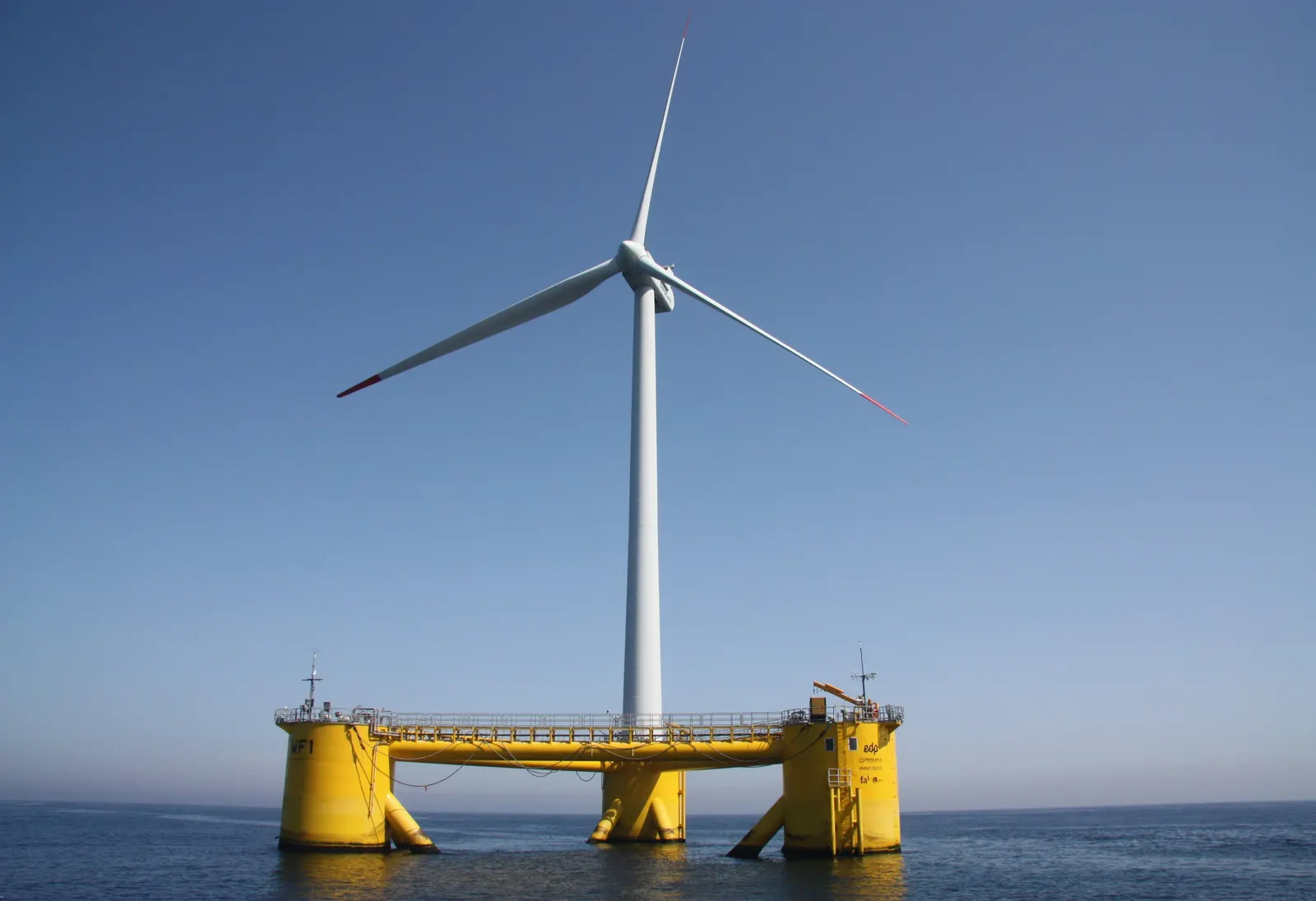
Early commercialFloating wind
Spar, semi-submersible, barge and tension-leg platforms moored in water deeper than about 60 m.
03
NicheVertical-axis turbines
Accept wind from any direction, generator at the base; used in small urban and hybrid sites, larger designs being tested.
04
DemonstrationAirborne wind
Tethered kites or wings fly at 200–500 m, generating through the tether or on board.
05
CommercialOnshore low-wind turbines
Long blades and tall towers (120–160 m hub) make lower-wind Indian sites viable.
06
CommercialRepowering
Replacing old small turbines with fewer large ones on the best sites.
5.1Offshore wind in India (described generally)
- Initial zones identified off Gujarat and Tamil Nadu
- Seabed lease tenders and viability support announced by the government
- Wind and metocean measurement campaigns
- Port, vessel and grid infrastructure still to be built
Section 06
Technology Readiness and Pilot Projects
Technology readiness levels (TRL) describe how far a technology has moved from an idea to proven commercial operation. Lenders finance at TRL 9; pilots bridge the gap from TRL 6–8.
6.1Technology readiness levels
| TRL | Stage | What it means for a project |
|---|---|---|
| 1–3 | Research and proof of concept | Laboratory only; not for projects |
| 4–5 | Component validation | Lab and relevant-environment tests |
| 6 | Prototype demonstrated | First outdoor or field prototype |
| 7 | Pilot in operational setting | Small pilot on a real site, closely monitored |
| 8 | System complete and qualified | First commercial units, certification done |
| 9 | Proven in operation | Multiple plants, years of field data; bankable |
6.2Running a sound pilot
- 1Define what the pilot must prove: yield, degradation, availability, cost
- 2Choose a reference (mainstream technology) beside the new one
- 3Install independent monitoring and calibrated sensors
- 4Agree test duration, usually at least one full year of seasons
- 5Publish results against the reference and decide on scale-up
Section 07
Bankability of New Technology
Lenders and insurers ask whether a new product will perform for 25–30 years. Certification, independent testing, warranties backed by a sound balance sheet and field data answer that question.
Certification
4- IEC 61215 and IEC 61730 for PV modules
- BIS registration and ALMM listing in India
- IEC 61400 series for wind turbines
- Type certificates from accredited bodies
Evidence
4- Extended stress tests beyond the standard
- Independent yield and degradation reports
- Field data from operating sites
- Factory audits and quality plans
Risk cover
4- Product and performance warranties
- Warranty insurance where available
- Supplier financial strength review
- Technical adviser sign-off for lenders
A new technology often carries a slightly higher interest rate or lower debt share until it builds a track record; a small first tranche can earn better terms later.
Section 08
Development and Approvals
Next-generation plants follow the same approvals as conventional solar and wind, plus extra steps for new sites such as the sea.
- 1Resource assessment: irradiance or wind measurement
- 2Technology screening and readiness check
- 3Land, rooftop or seabed rights
- 4Environmental and social studies (marine surveys offshore)
- 5Grid connectivity application and evacuation plan
- 6Product certification and ALMM or type-certificate checks
- 7Tender bid or PPA / open-access agreement
- 8Financial close with technical adviser report
Section 09
Delivery and EPC
BARREL can deliver pilots and full plants under one contract or coordinate specialist suppliers for modules, trackers, turbines, foundations and marine works.
Solar
4- Module and tracker supply
- Piling and structure
- Inverters and transformers
- Monitoring and weather station
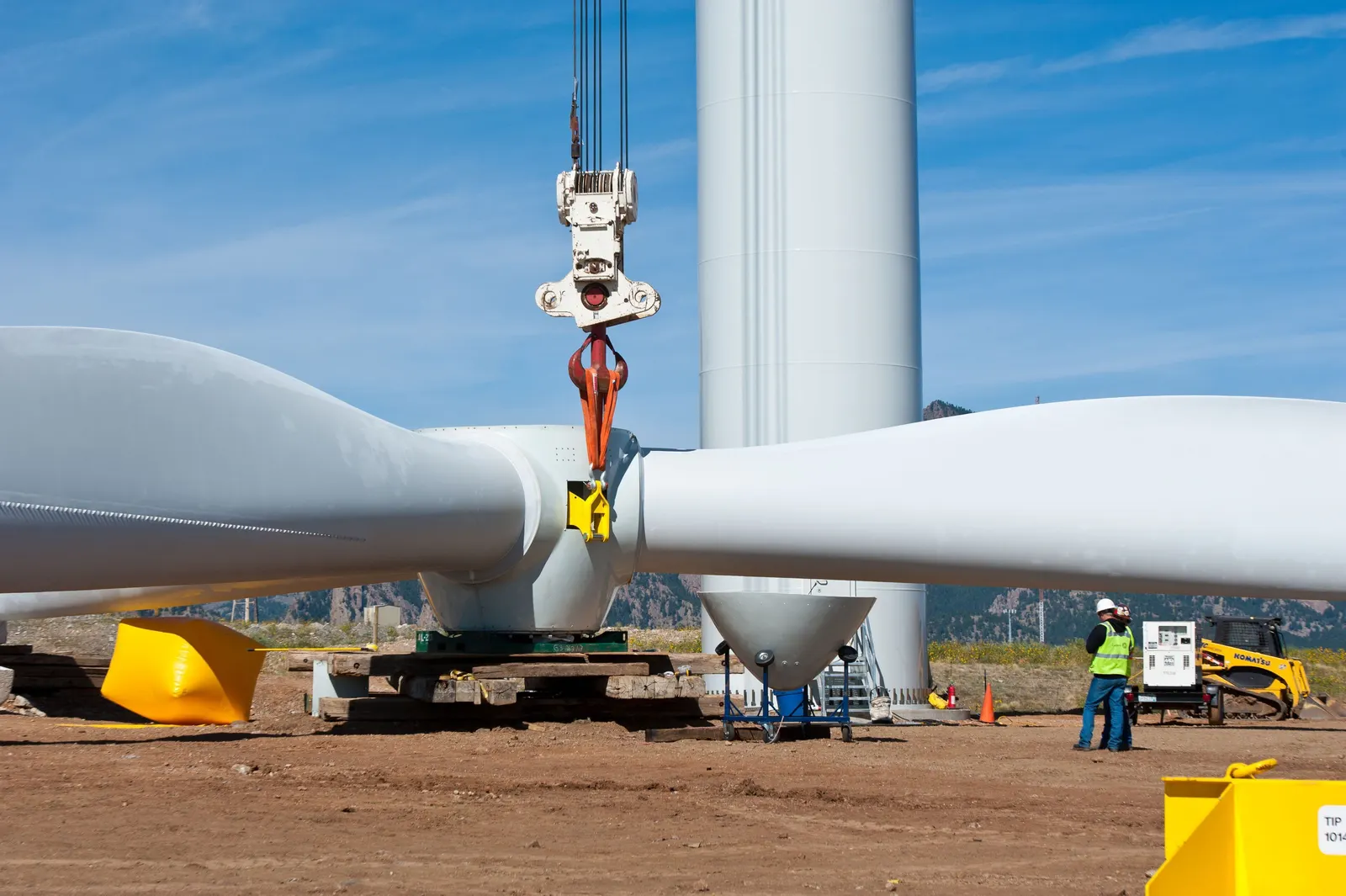
Onshore wind
4- Turbine supply and erection
- Foundations and crane pads
- Roads for long blades
- Internal 33 kV network
Offshore and floating
4- Foundations or floating hulls
- Moorings and anchors
- Inter-array and export cables
- Port assembly and marine works
9.1Typical schedule (indicative)
- Pilot 6–12 mo
- Solar plant 9–18 mo
- Onshore wind 12–24 mo
- Offshore wind 4–7 yrs from survey
Section 10
Operation and Maintenance
New technology needs closer monitoring in its first years so early faults and unexpected degradation are caught and warranty claims are backed by data.
- String-level and module-level performance monitoring
- Annual IV-curve and electroluminescence sampling
- Degradation tracking against warranty curves
- Tracker drive, controller and stow checks
- Module cleaning planned for bifacial rear sides
- Turbine condition monitoring and blade inspection by drone
- Offshore access by crew vessels and weather windows
- Mooring and cable inspection for floating wind
- Spares strategy for new, less common parts
- Performance ratio and availability reporting
Section 11
Finance, Business Models and Outlook
The test of any new technology is the levelised cost of energy over the plant's life — capital cost, energy yield, degradation and financing cost together.
| Item | How new technology changes it (indicative) |
|---|---|
| Capital cost per MW | Higher-efficiency modules cut area, structure and cabling per MW |
| Energy yield | Bifacial and trackers add 10–35 % over fixed monofacial together |
| Degradation | n-type cells degrade less per year; perovskite still being proven |
| Cost of finance | May be higher until a track record exists |
| Business models | Utility PPA, C&I open access, rooftop, pilot grants and partnerships |
- Perovskite tandems at scale
- 15–20 MW+ offshore turbines
- Floating wind arrays
- Agrivoltaics
- Solar–wind–storage hybrids
- Recyclable modules and blades
Section 12
BARREL Services for Next-Generation Solar & Wind
One partner from technology screening to long-term operation, backed by BARREL's network of researchers, manufacturers, certifiers and contractors.
- Technology screening and readiness review
- Resource assessment and energy yield
- Pilot design and independent monitoring
- Bankability and certification review
- Feasibility and DPR
- Approvals and grid connectivity support
- Equipment sourcing and factory audits
- Turnkey EPC / EPCM
- Owner's engineer and lender's engineer
- Project finance facilitation
- O&M and performance analytics
- Repowering and upgrade studies
Project desk
Adopt next-generation solar and wind with BARREL
From technology screening to a bankable plant.
Testing a new module technology, planning bifacial with trackers, exploring offshore or floating wind or running a pilot — tell us about the site and goals and we will respond with the next steps.
Project categories
- High-efficiency solar
- Perovskite / tandem pilot
- Bifacial with trackers
- Offshore wind
- Floating wind
- Small and vertical-axis wind