
- Renewable Generation
- Geothermal
- Baseload Clean Power
- Exploration & EPC
Geothermal Power
Dry Steam | Flash | Binary ORC | EGS | Direct Use | Reinjection
Round-the-clock power from the heat beneath our feet.
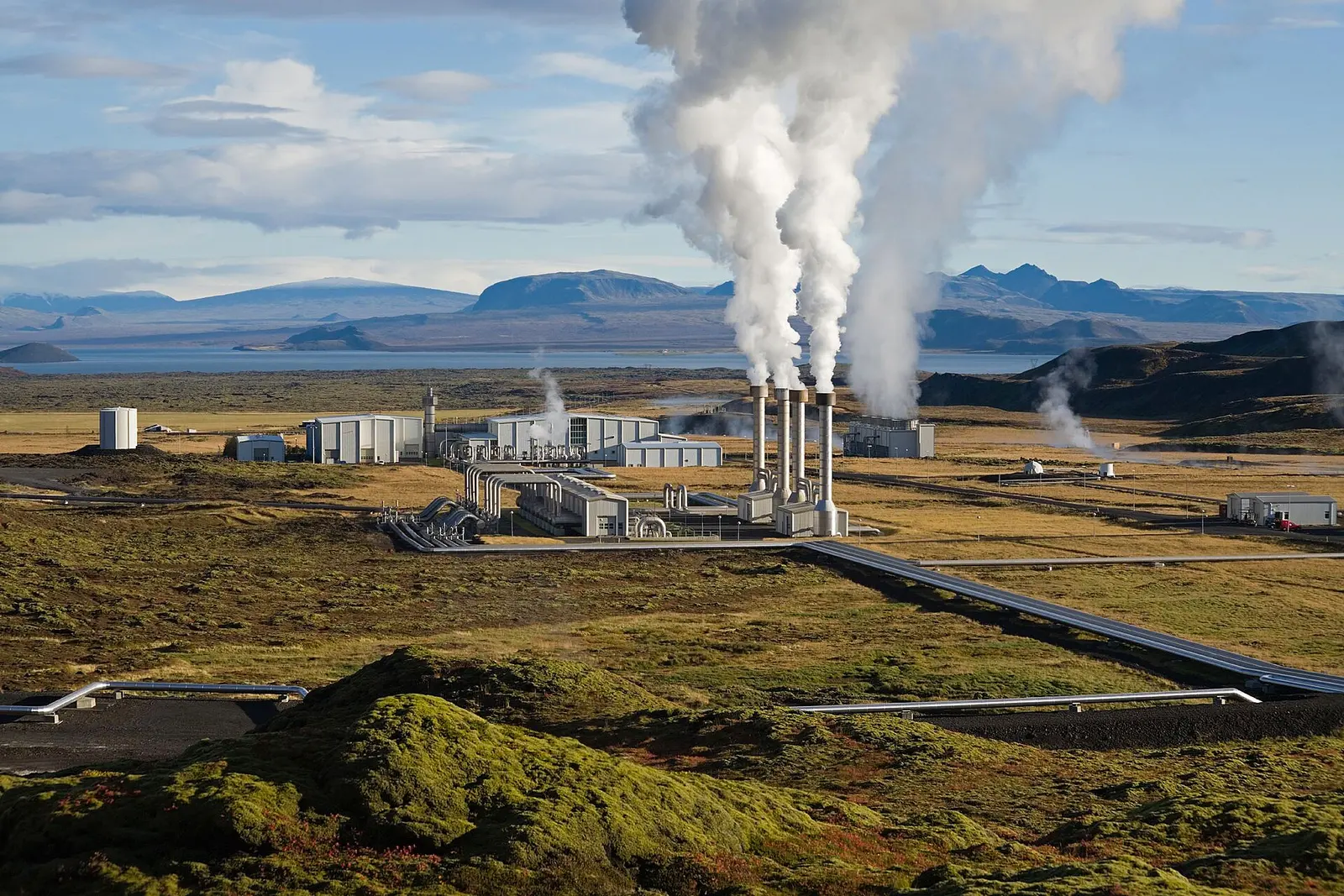
Geothermal plants draw hot water and steam from deep wells to generate firm, low-carbon electricity at capacity factors that few other renewables match, and to supply heat directly. BARREL supports geothermal projects from early geological screening, geochemistry and geophysics through drilling, plant design, approvals and grid connection to long-term reservoir management.
HHeat
Temperature of the reservoir at depth
PPermeability
Paths for fluid to flow to the wells
FFluid
Water or steam to carry the heat up
- World capacity (indicative)
- ~16 GW
- Capacity factor
- 80–95 %
- Typical well depth
- 1–3 km
- Power-grade resource
- 100–350 °C
- Field life with reinjection
- 30+ yrs
Section 01
Geothermal Power — Overview
Heat flows continuously from the Earth's interior. Where it is concentrated near the surface, usually along plate boundaries, rifts and young volcanic zones, hot water and steam can be produced from wells and used to drive turbines or supply heat.
Geothermal is one of the few renewable sources that runs day and night in all seasons. Its main challenge is resource risk: the heat and flow at depth are only proven by drilling, which is costly.
1.1Resource classes
| Class | Temperature | Typical use |
|---|---|---|
| High enthalpy | Above about 200 °C | Dry steam and flash power plants |
| Medium enthalpy | About 120–200 °C | Binary ORC power, combined heat and power |
| Low enthalpy | Below about 120 °C | Direct use: heating, drying, bathing, aquaculture |
| Hot dry rock | Hot rock, little natural fluid | Enhanced geothermal systems (EGS) |
| Shallow ground | 10–25 °C near surface | Ground-source heat pumps for buildings |
1.2Why geothermal
01
Firm baseload
Runs at 80–95 % capacity factor with no fuel, independent of weather.
02
Low emissions
Lifecycle emissions are low; binary plants with full reinjection release almost no gas.
03
Small land use
A well pad and compact plant use far less land per MWh than most sources.
04
Heat and power
The same resource can serve power, district heating, drying and industry in cascade.
05
Grid stability
Synchronous generators provide inertia and steady output for the grid.
06
Long life
Well-managed fields have produced for many decades; Larderello in Italy has generated power for over a century.
Section 02
Geothermal Plant Types
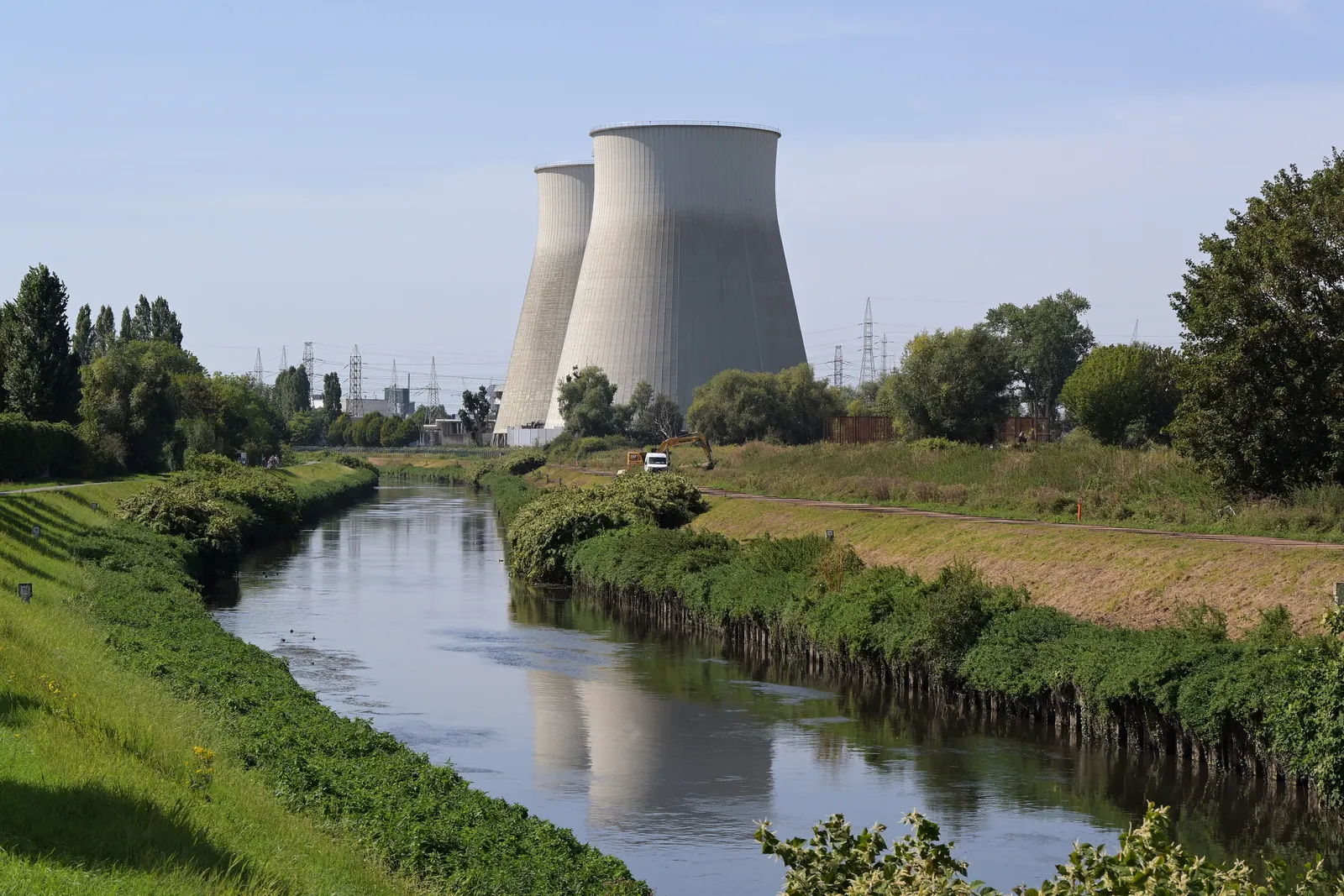
The temperature and state of the fluid decide the conversion cycle. Steam-dominated fields feed turbines directly; hot-water fields are flashed or used through a binary cycle.
01
Rare, high gradeDry steam
Steam from the wells goes straight to the turbine after removing particles. Few fields are steam-dominated, such as The Geysers in the USA and Larderello in Italy.
02
Most commonSingle flash
High-pressure hot water is flashed to steam in a separator; the steam drives the turbine and the brine is reinjected.
03
Higher yieldDouble flash
The separated brine is flashed again at lower pressure for a second steam stream, gaining roughly 15–25 % more output.
04
Medium temperatureBinary ORC
Hot brine heats an organic working fluid in a closed loop; the vapour drives the turbine and the brine is fully reinjected without contact with air.
05
EmergingEnhanced geothermal (EGS)
Hot rock with low natural permeability is stimulated to create flow paths between injection and production wells. Pilot and early commercial projects are under way.
06
HeatDirect use
Lower-temperature water supplies district heating, greenhouses, crop drying, aquaculture, spas and industrial process heat.
2.1Fluid path of a single-flash plant
- Production well
- Wellhead
- Separator
- Steam line
- Turbine
- Condenser
- Cooling tower
- Reinjection well
Section 03
Resource Exploration and Assessment
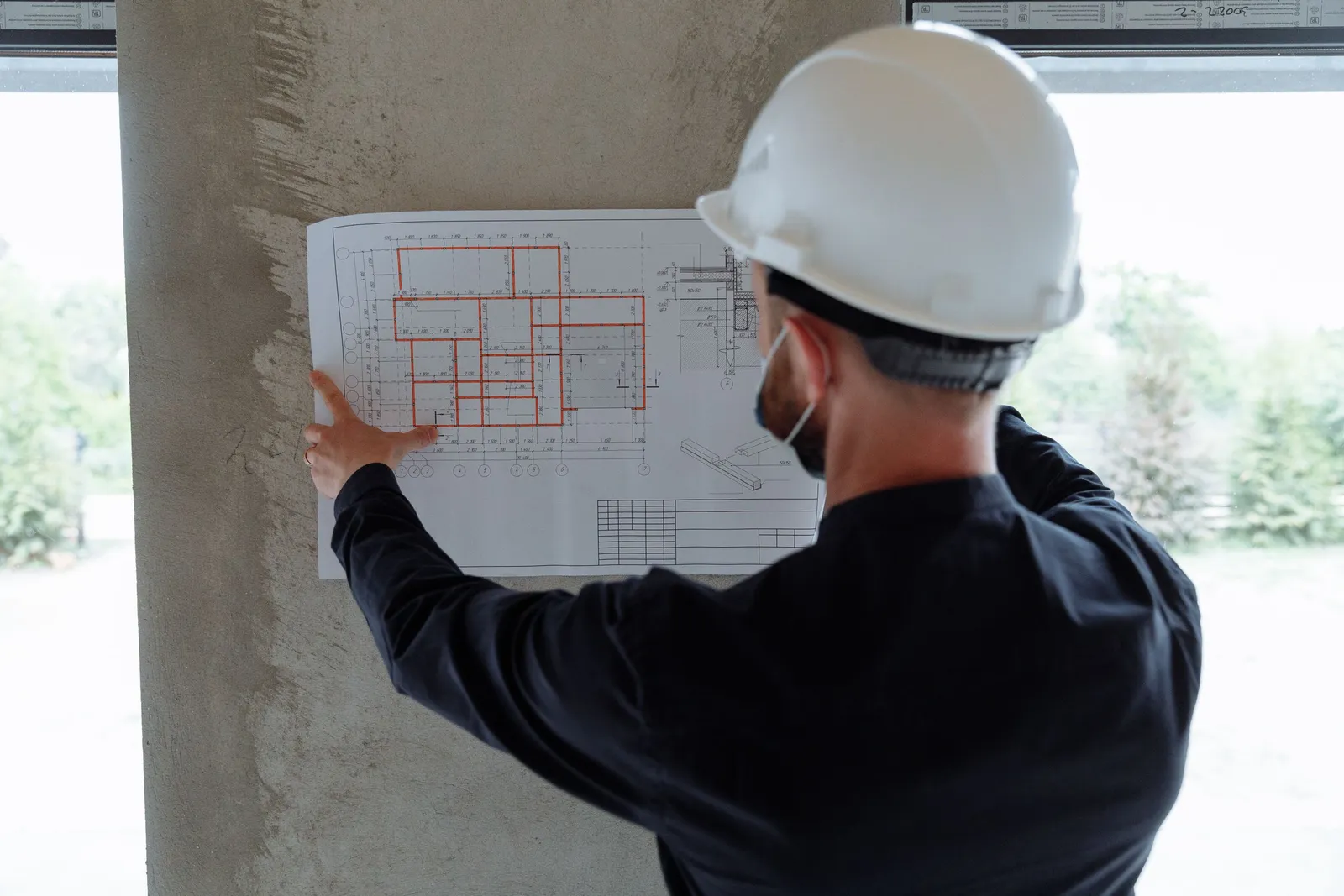
Exploration narrows a large region down to a drillable target in stages, each spending more only when the last has reduced the risk.
- 1Regional review: heat flow, hot springs, volcanic and tectonic setting
- 2Surface geology and structural mapping of faults and fractures
- 3Geochemistry of springs and gases to estimate reservoir temperature
- 4Geophysics: magnetotelluric (MT) and TEM surveys to image the clay cap and reservoir, plus gravity and magnetics
- 5Conceptual model of heat source, reservoir, cap rock and fluid paths
- 6Temperature-gradient holes and slim holes to confirm heat at depth
- 7Full-size exploration wells and flow tests
- 8Reservoir model and resource estimate for the first plant
3.1What each method tells
Geochemistry
4- Silica and cation geothermometers
- Gas ratios and isotopes
- Scaling and corrosion potential
- Non-condensable gas content
Geophysics
4- MT resistivity showing the conductive clay cap
- Gravity for basement structure
- Micro-seismic monitoring of active faults
- Thermal infrared from air or satellite
Drilling data
4- Temperature and pressure logs
- Core and cuttings for alteration minerals
- Permeability from injection tests
- Fluid samples from the reservoir
Section 04
Drilling, Reinjection and Reservoir Management
Drilling is often 30–50 % of the cost of a geothermal project. Wells are drilled with oil-and-gas style rigs, cased and cemented against high temperature, and tested before the plant is designed.
Spent brine and condensate are pumped back into the reservoir. Reinjection keeps reservoir pressure up, avoids surface pollution and limits ground subsidence.
4.1Power from geothermal steam
Electrical output
P (kW) = ṁ × (h1 − h2) × η
Rule of thumb (indicative): about 2 kg/s of steam per MW in a flash plant; a good production well gives 3–10 MW
The steam mass flow times the enthalpy drop across the turbine gives the mechanical power; the efficiency covers the turbine, generator and auxiliary losses.
| Symbol | Meaning |
|---|---|
| ṁ | Steam mass flow to the turbine, kg/s |
| h1 | Enthalpy at turbine inlet, kJ/kg |
| h2 | Enthalpy at turbine exhaust, kJ/kg |
| η | Turbine-generator efficiency, about 0.75–0.85 |
4.2Well types and practice
| Item | Purpose | Notes |
|---|---|---|
| Slim hole | Confirm temperature at lower cost | Small diameter; limited flow testing |
| Production well | Deliver steam and brine | Often directional, several from one pad |
| Reinjection well | Return spent fluid to the reservoir | Placed to avoid early cooling of producers |
| Make-up well | Restore output as wells decline | Planned through the field life |
| Casing and cement | Well integrity at high temperature | Thermal-grade cement, corrosion-resistant steel |
Scaling (silica, calcite) and corrosive gases are managed by chemistry control, inhibitors and materials choice. Induced seismicity must be monitored, especially in EGS stimulation.
Section 05
Surface Plant and Equipment
The surface plant gathers fluid from many wells, separates steam and brine, converts the heat to power and returns everything below ground.
| System | Main equipment | Design points |
|---|---|---|
| Steam-field gathering | Wellhead valves, two-phase pipelines, separators | Pressure control, thermal expansion loops |
| Steam turbine | Single or double-flow condensing turbine | Erosion and corrosion-resistant blading |
| Binary unit | Vaporiser, preheater, ORC turbine, recuperator | Working fluid choice, air-cooled condensers |
| Condenser and gas removal | Direct-contact or surface condenser, ejectors, compressors | Non-condensable gas extraction |
| Cooling | Wet cooling towers or air-cooled condensers | Water availability and climate |
| H₂S abatement | Chemical or biological abatement systems | Air quality limits near settlements |
| Reinjection | Brine pumps, pipelines, reinjection wells | Scaling control, temperature limits |
5.1Balance of plant
- Generator, excitation and AVR
- Control, protection and SCADA
- Step-up transformer and switchyard
- Fire water and plant water systems
- Chemical dosing and monitoring
- Workshops and spares stores
Section 06
Grid Connection and Cascaded Heat Use
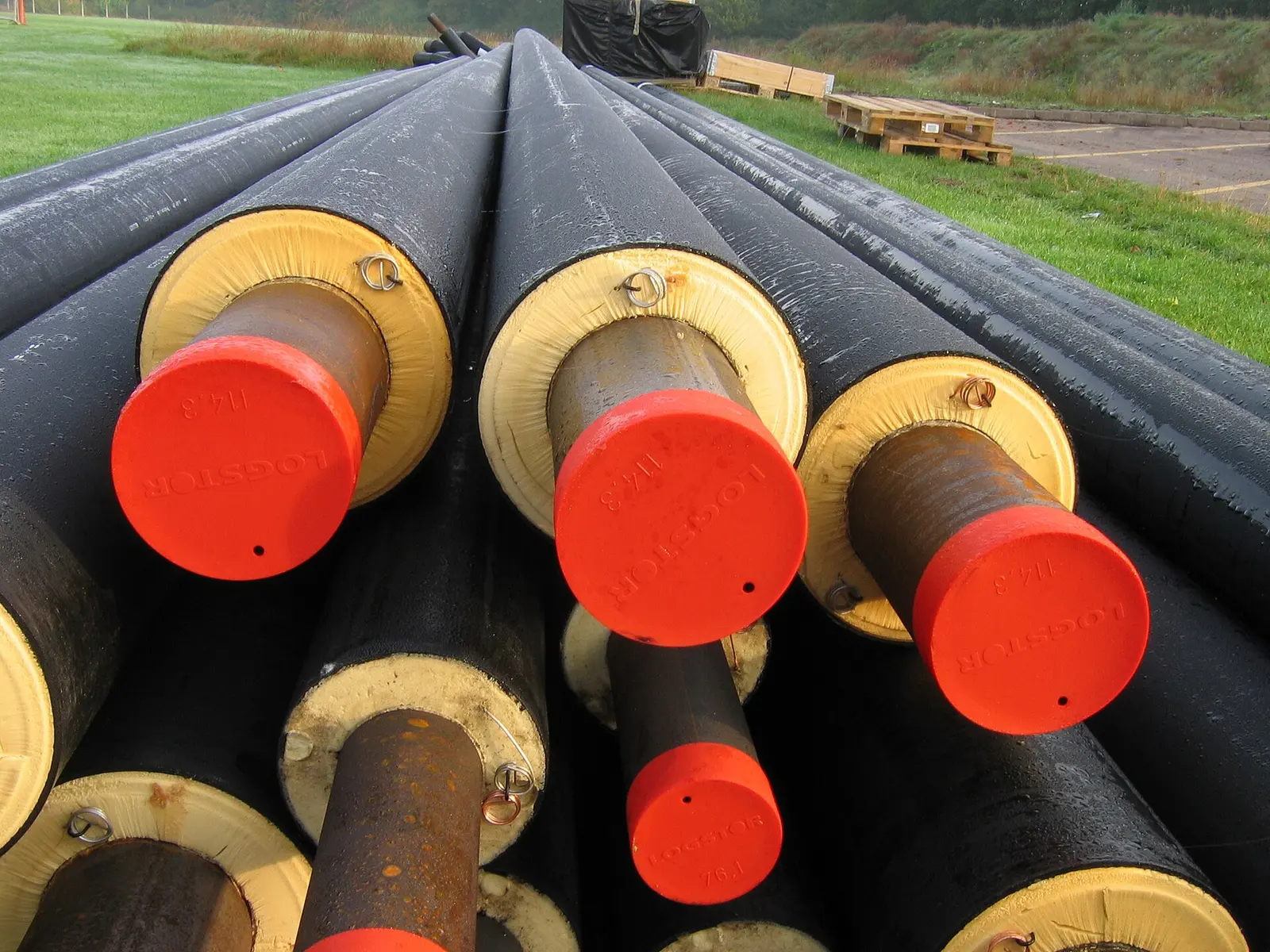
Geothermal fields are often in remote hills or valleys, so evacuation lines can be long. Using leftover heat in cascade improves the value of every well.
- Evacuation study and connectivity at 33–220 kV
- Grid code compliance and scheduling
- Island supply for remote or high-altitude regions
- Hybrid with solar to use spare transmission capacity
- Cascade: power first, then district heating, then drying or greenhouses
- Heat supply to hotels, cold storage and industry
In cold, high-altitude regions direct geothermal heat for buildings can be as valuable as electricity, replacing diesel and firewood.
Section 07
Geothermal in India and Around the World
India has several hundred hot springs and a number of geothermal provinces identified by the Geological Survey of India, but no commercial geothermal power plant yet. The provinces below are under study and exploration; their usable potential will only be known after deep drilling.
Worldwide, geothermal power is well established in volcanic and rift regions, with total installed capacity of the order of 16 GW.
7.1Indian geothermal provinces (under exploration)
| Province | Region | Status (general) |
|---|---|---|
| Puga and Chumathang | Ladakh, Himalaya | Most studied; exploratory drilling and a small pilot plant proposed |
| Tattapani | Chhattisgarh, Son-Narmada-Tapi belt | Hot springs studied; pilot proposals at study stage |
| Cambay graben | Gujarat | Hot fluids met in oil and gas wells; assessments continue |
| Godavari valley | Telangana and Andhra Pradesh | Thermal springs studied |
| West coast | Maharashtra (Konkan) | Hot springs along the coastal belt |
| Himachal and Uttarakhand | Parvati and Beas valleys and others | Hot springs used for bathing; small studies |
7.2Global leaders
01
USA
Largest installed base, including the dry-steam field at The Geysers and many binary plants in the west.
02
Indonesia and the Philippines
Volcanic island arcs with large flash-steam fields and strong growth.
03
Turkey
Rapid growth from medium-temperature fields using binary and flash plants.
04
New Zealand and Iceland
High shares of geothermal in power and heating; long operating records.
05
Kenya
East African Rift fields such as Olkaria supply a large share of national power.
06
Italy and Mexico
Long-running fields, including the world's first geothermal power at Larderello.
Section 08
Project Development and Approvals
Geothermal development moves in phases, with funding committed step by step as drilling reduces the resource risk.
- 1Exploration licence or agreement with the government
- 2Surface studies and conceptual model
- 3Environmental and social baseline, community consultation
- 4Exploration drilling and flow testing
- 5Resource report and feasibility study
- 6Environmental clearance, forest and wildlife permissions as applicable
- 7Water-use, land and grid connectivity approvals
- 8Power purchase or heat supply agreement
- 9Production drilling, financial close and EPC award
Many countries use drilling-risk insurance, government-funded exploration or cost-shared first wells to bring private investors in after the resource is proven.
Section 09
Turnkey EPC and Drilling Coordination
BARREL coordinates the drilling programme, the steam field and the power plant, either under one contract or as separate packages with a single interface manager.
Drilling
4- Rig and services contracts
- Well pads, water and roads
- Casing, cement and wellheads
- Well testing
Steam field
4- Gathering pipelines
- Separators and silencers
- Brine and condensate reinjection
- Instrumentation
Power plant
4- Turbine-generator or ORC units
- Cooling and gas extraction
- Control, protection, SCADA
- Switchyard and transmission line
9.1Typical timeline (first 20–50 MW)
- Surface exploration 1–2 yr
- Exploration drilling 1–2 yr
- Feasibility & finance 1 yr
- Production drilling & build 2–3 yr
Section 10
Operation and Maintenance
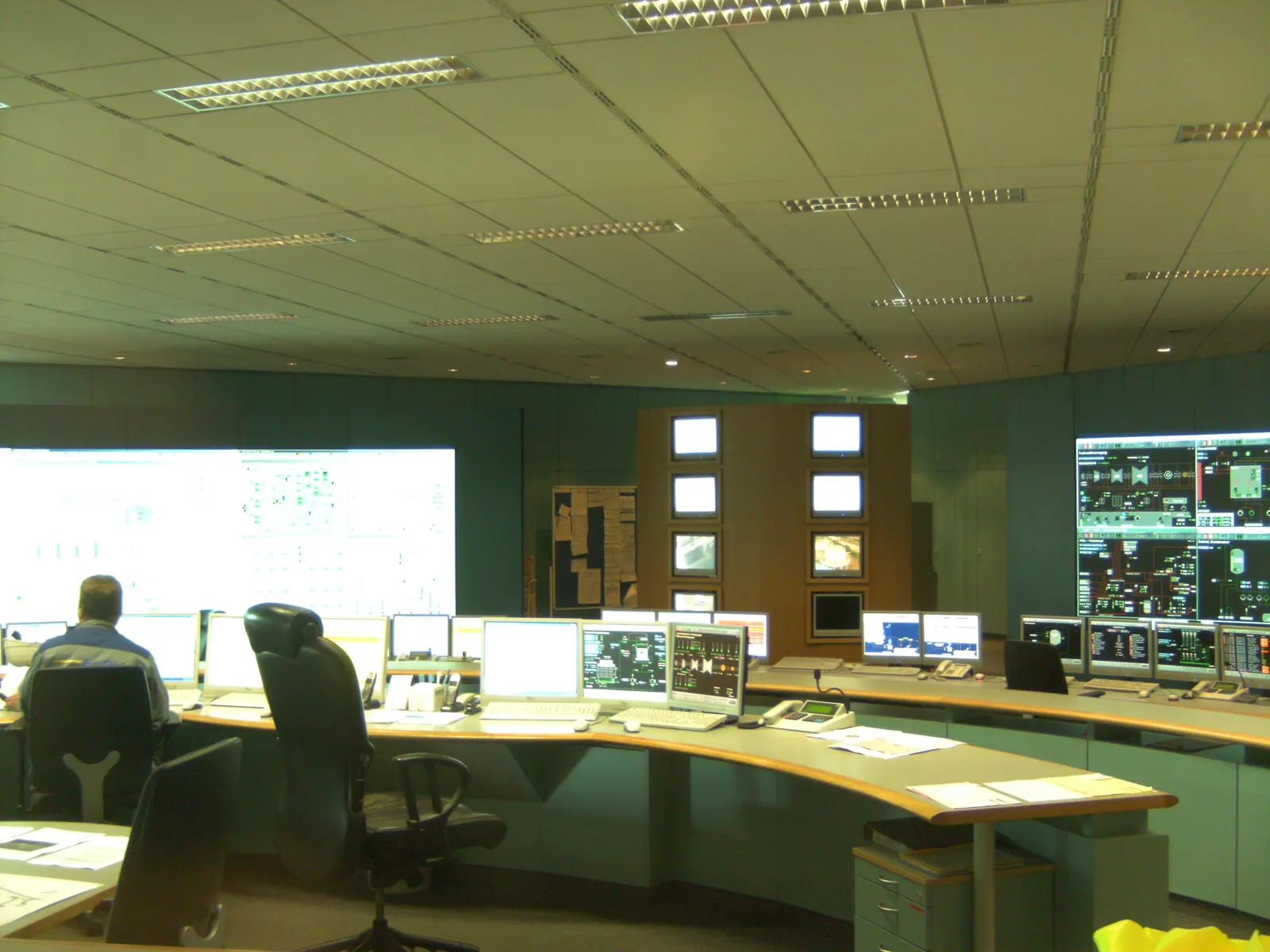
Geothermal O&M looks after two assets at once: the surface plant and the reservoir beneath it. Good practice keeps availability above 95 % and field output steady for decades.
- Well-by-well flow, pressure and enthalpy monitoring
- Tracer tests to follow reinjected fluid
- Reservoir model updates and make-up well planning
- Scale inhibition and periodic well clean-outs
- Turbine inspections for erosion and corrosion
- Gas extraction and H₂S abatement checks
- Cooling tower and condenser maintenance
- Micro-seismic and subsidence monitoring
- Environmental reporting to regulators
Section 11
Finance and Commercial Models
Geothermal has high upfront cost and resource risk, but very low running cost and long, steady output once the field is proven.
| Item | Typical range (international, indicative) |
|---|---|
| Capital cost (flash) | About US$3–5 million per MW including drilling |
| Capital cost (binary) | About US$4–6 million per MW |
| Drilling share of cost | 30–50 % |
| Capacity factor | 80–95 % |
| Development period | 5–8 years from exploration to operation |
| Revenue options | Long-term PPA, heat sales, carbon credits |
Figures are indicative for early screening only; each field needs its own resource assessment, cost estimate and financial model.
Section 12
BARREL Services for Geothermal Power
One partner from the first hot-spring survey to decades of reservoir management, backed by BARREL's network of geoscientists, drilling contractors, equipment makers and financiers.
- Regional screening and site selection
- Geology, geochemistry and geophysics coordination
- Conceptual and reservoir modelling
- Drilling programme management
- Feasibility study and DPR
- Approvals and licence support
- Owner's engineer and lender's engineer
- Turbine and ORC unit sourcing
- Turnkey EPC / EPCM
- Direct-use and district heating schemes
- Project finance facilitation
- O&M and reservoir monitoring
Project desk
Develop your geothermal project with BARREL
From the first hot spring to steady, clean power and heat.
Exploring a geothermal area, planning wells, choosing a flash or binary plant, or looking for direct-use heat — tell us about the site and we will respond with the next steps.
Project categories
- Flash steam plant
- Binary ORC plant
- Dry steam
- Enhanced geothermal
- Direct use / heating
- Exploration programme