
Storage · the complete global ecosystem
Store energy today. Power the world tomorrow.
Storage balances generation and demand, manages intermittency, steadies the grid and cuts peaks. BARREL covers it all — pumped hydro, batteries, thermal and molten salt, compressed and liquid air, hydrogen, gravity and the long-duration technologies to come — classified by how each one actually stores energy.
- Storage families
- 10
- Compared
- 17
- Lifecycle stages
- 17
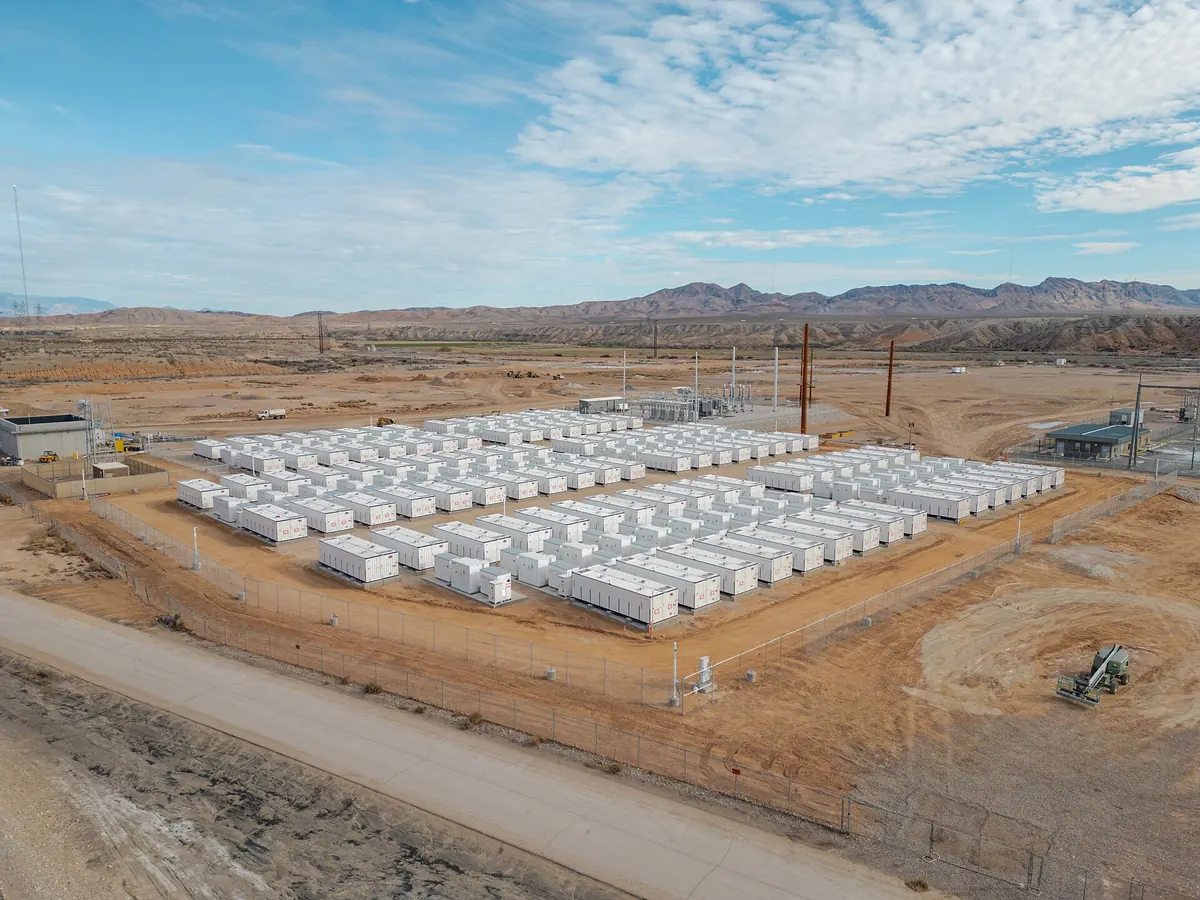
Not everything is a battery. Some technologies store electricity electrochemically; others store it as water at height, pressure, motion, heat, cold or chemical fuel. Output, duration, efficiency and applications differ — so BARREL classifies storage by its actual mechanism.
Master taxonomy
Ten ways to store energy.
Groupings in line with EPRI, IEA and US DOE classifications.
- 01Pumped Hydro StorageOpen-loop, closed-loop, underground and seawater PSP
- 02Battery Storage (BESS)Lithium, sodium, lead, flow, zinc and metal-air
- 03Thermal StorageMolten salt, sand, concrete, PCM and thermochemical
- 04Mechanical StorageCompressed air, liquid air, flywheel, gravity, pumped heat
- 05Chemical StorageHydrogen, ammonia, methanol and synthetic fuels
- 06Electrical StorageSupercapacitors, ultracapacitors and SMES
- 07Cold StorageIce, chilled water and cryogenic
- 08Underground StorageSalt caverns, depleted reservoirs, aquifers, mines, boreholes
- 09Hybrid StorageBattery-hydro, battery-thermal, hydrogen-battery
- 10Emerging TechnologiesIron-air, liquid metal, metal fuels and advanced systems
Technology comparison
Seconds to seasons.
Qualitative classifications, not guaranteed specifications — real performance depends on design, operation and application.
| Technology | Typical role | Duration potential | Maturity |
|---|---|---|---|
| Pumped hydro | Bulk electricity | Hours – days | Established |
| Lithium-ion BESS | Grid and distributed | Seconds – hours | Established |
| Flow batteries | Stationary | Hours – long | Commercial |
| Sodium-ion | Stationary and distributed | Configuration-dependent | Developing |
| Sodium-sulphur | Stationary | Multi-hour | Established niche |
| Molten salt | High-temperature heat | Hours – longer | Established |
| Sand / concrete | Thermal | Hours – seasonal concepts | Developing |
| PCM | Heating and cooling | Hours – days | Commercial |
| CAES | Bulk electricity | Hours – days | Established niche |
| LAES | Bulk electricity | Hours – days | Developing |
| Flywheel | High power, short | Seconds – minutes | Established |
| Gravity | Bulk mechanical | Hours – days | Emerging |
| Hydrogen | Chemical and seasonal | Days – seasonal | Developing |
| Supercapacitors | Rapid power support | Seconds – minutes | Established |
| SMES | Rapid power support | Very short | Established niche |
| Ice / chilled water | Cooling | Hours – days | Established |
| Thermochemical | Heat | Potentially long | Developing |
Applications
The right storage for the job.
- Utility-scale grid
- PSP, BESS, CAES, LAES
- Renewable integration
- BESS, PSP, hydrogen, thermal
- Long duration
- PSP, CAES, flow batteries, thermal, hydrogen
- Seasonal
- Hydrogen, underground thermal, chemical
- Frequency regulation
- BESS, flywheel, supercapacitors, PSP
- Peak shaving
- BESS, PSP, chilled water, thermal
- Industrial heat
- Molten salt, sand, concrete, PCM
- Cooling
- Ice, chilled water, cryogenic
- Data centre backup
- BESS, flywheel, thermal
- EV charging
- BESS, supercapacitors, hybrid
- Remote and off-grid
- BESS, hydrogen, pumped hydro
- District heating / cooling
- Hot water, pits, boreholes · ice, chilled water
- Hydrogen economy
- Hydrogen, ammonia, synthetic fuels
- Emergency power
- Batteries, flywheels, fuel cells
Project value chain
Seventeen stages, from resource to recycling.
01Resource assessment
Demand, resource and site
02Technology assessment
Battery, hydro, thermal or other
03Feasibility
Technical and economic
04Engineering
Conceptual, basic and detailed
05Project development
Land, permits, approvals, financing
06Manufacturing
Cells, machinery, equipment
07Procurement
Equipment and materials
08Construction
Civil, structural, infrastructure
09Installation
Mechanical, electrical, controls
10Integration
Grid, renewable, industrial
11Testing
FAT and SAT
12Commissioning
Energisation and verification
13Operation
Charge, discharge, energy management
14Maintenance
Preventive and predictive
15Modernisation
Upgrades and augmentation
16Recycling
Material recovery and reuse
17Decommissioning
Dismantling and restoration
Manufacturing ecosystem
Each technology, its own supply chain.
Battery
- Mineral and chemical processing
- Cathode and anode materials
- Cylindrical, prismatic, pouch cells
- Modules, packs, racks
- BMS and PCS
- Cooling plates and HVAC
- Containers and cabinets
- Recycling
Pumped hydro
- Pump-turbines
- Motors and generators
- Penstocks
- Pressure valves
- Governors
- Transformers and switchgear
- Tunnel gates
- Heavy steel
Thermal
- Molten salt and oil tanks
- Sand and concrete storage
- Ceramic modules
- PCM and thermochemical materials
- Heat exchangers
- Electric boilers
- Insulation
- High-temperature pumps and valves
Mechanical
- Compressors and expanders
- Turbines
- Pressure vessels
- Cryogenic tanks
- Flywheel rotors
- Magnetic bearings
- Hoists and gearboxes
Hydrogen & chemical
- Electrolysers
- Fuel cell stacks
- Compressors
- Hydrogen and ammonia tanks
- Reactors
- Catalysts and membranes
- Gas detection
BARREL manufactures through OEM partners and works with an OEM / JV partner for batteries.
Raw materials, minerals & chemicals
What storage is made of
- Battery minerals
- Lithium, nickel, cobalt, manganese
- Anode materials
- Natural and synthetic graphite, silicon
- Cathode materials
- Iron phosphate, nickel, manganese, cobalt
- Sodium batteries
- Sodium compounds, aluminium, carbon
- Flow batteries
- Vanadium, bromine, zinc, iron
- Metal-air
- Iron, zinc, aluminium, magnesium
- Electrical
- Copper, aluminium, electrical steel
- Thermal storage
- Nitrate and chloride salts, sand, ceramics
- PCM
- Paraffin, fatty acids, salt hydrates
- Hydrogen systems
- Platinum, iridium, nickel, zirconium-based
- Mechanical
- Steel, cast iron, concrete, alloys
- Insulation and cryogenic
- Mineral wool, ceramic fibre, stainless steel, aluminium
Business ecosystem
One battery maker, many markets.
The same storage manufacturer may supply a solar farm, a substation, a factory, a data centre and an EV charging station — so every company and product is recorded once and linked to each application.
- ManufacturingCells, batteries, containers, PCS, tanks, compressors, turbines, thermal equipment, controls.
- Materials & miningLithium, sodium, graphite, nickel, cobalt, vanadium, zinc, salts, electrolytes.
- Trade & distributionStorage products, components, chemicals, spares and complete systems.
- Engineering & projectsFeasibility, technology selection, system design, EPC, integration, asset management.
- Investment & partnershipsStorage projects, manufacturing JVs, technology partnerships and tenders.
Shared directories
The same masters serve Generation and Storage. Live ones open on BARREL's platforms today.
- Technology directory
- Power plant directory · planned
- Project directory
- Manufacturer directory
- Product directory
- Material directory · planned
- Fuel directory · planned
- Supplier directory
- Service provider directory
- Contractor directory
- Consultant directory · planned
- Tender directory
- Investment directory
- Mining directory · planned
- Technology provider directory · planned
- Standards directory · planned
- Research & innovation directory · planned
Read the numbers right
Megawatts are not megawatt-hours.
- Power ratingMW
- How fast the system can charge or discharge.
- Energy capacityMWh
- How much it can hold. 100 MW / 400 MWh is a four-hour system.
- Discharge durationh
- Energy divided by power — seconds for flywheels, days for hydrogen.
- Round-trip efficiency%
- Energy out against energy in, over a full charge-discharge cycle.
- Cycle life & DoDcycles · %
- How many cycles at what depth of discharge before capacity fades.
- SoC & SoH%
- State of charge now; state of health against the new battery.
Storage enquiry
Sizing, building, supplying or financing storage?
Tell us the application, power and energy you need and where you stand. BARREL replies with the technology options and the next step.