
- Renewable Generation
- Biomass
- Cogeneration
- Turnkey EPC
Biomass Power
Agri-Residue | Wood | Bagasse | Grate & FBC Boilers | Gasifiers | Co-firing
Firm renewable power from what the fields leave behind.
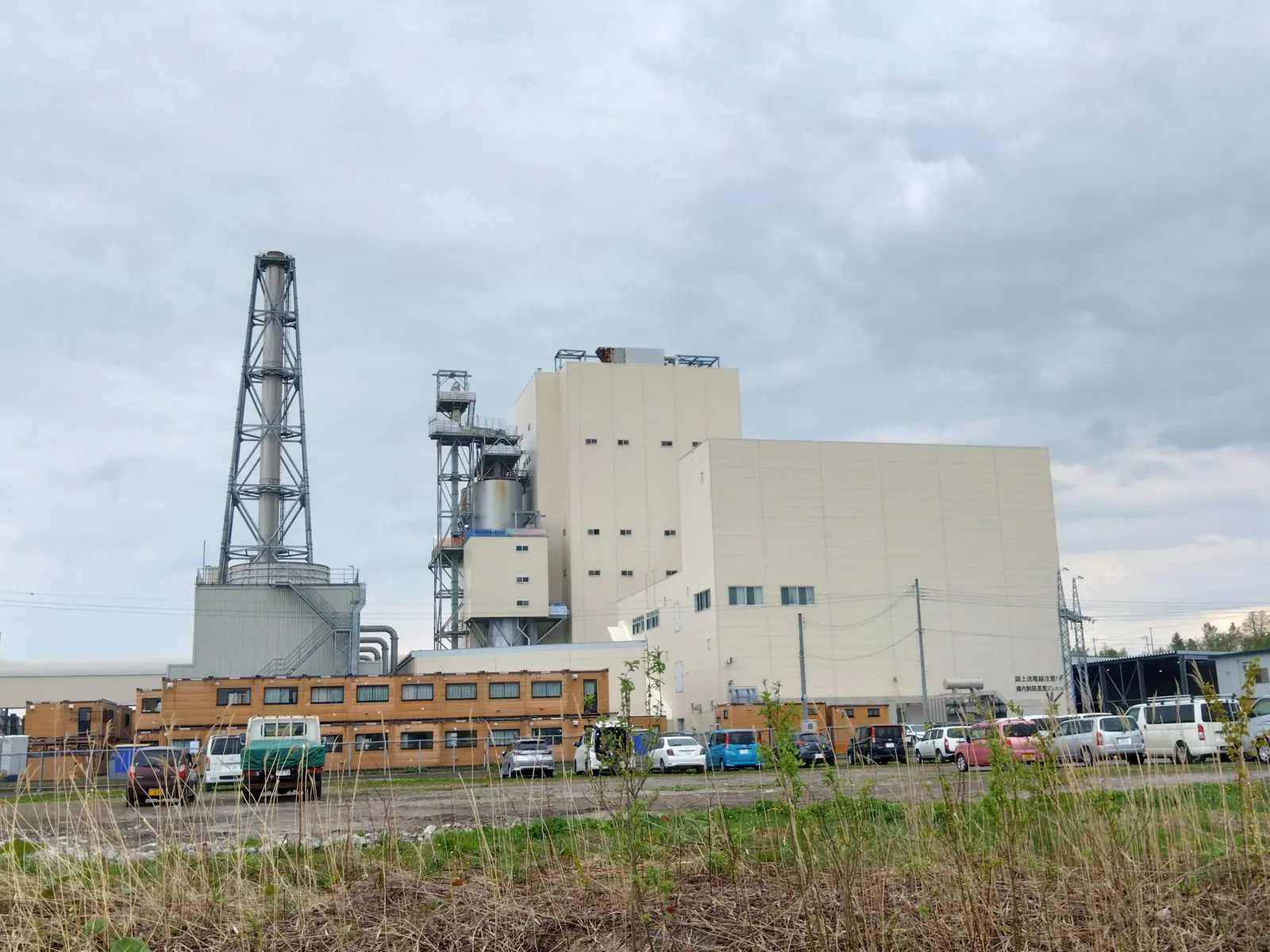
Biomass plants burn or gasify crop residues, wood waste and bagasse to raise steam and generate dispatchable renewable power and process heat. They turn farm waste that is often burnt in the open into income for growers and steady energy for the grid or a factory. BARREL provides and coordinates biomass projects from fuel studies and design through approvals, EPC and long-term operation.
FFuel
Secure residue supply within a short haul
BBoiler
Combustion matched to the fuel's moisture and ash
UUse
Power to the grid, steam to the process
- Typical plant size
- 1–50 MW
- Indicative PLF with secure fuel
- 70–85 %
- Power-only net efficiency
- 22–28 %
- Asset life
- 25+ yrs
- Grid connection
- 11–132 kV
Section 01
Biomass Power — Overview
A biomass power plant works like a small steam power station: fuel is burnt in a boiler, the steam drives a turbine and generator, and the exhaust steam is condensed or used for process heat.
Unlike wind and solar, biomass can run day and night and follow demand, so long as the fuel yard is full. The fuel chain, not the power block, is usually what makes or breaks a project.
1.1Main routes
| Route | Size | Typical use |
|---|---|---|
| Power-only steam plant | 5–50 MW | Grid-connected IPP on agri-residue or wood |
| Bagasse cogeneration | 10–100 MW per mill | Sugar mills: steam for the process, surplus power to the grid |
| Industrial biomass cogeneration | 1–30 MW | Paper, rice, textile and food plants needing steam and power |
| Gasifier with gas engine | Up to about 2 MW | Rice mills, villages, small industry |
| Co-firing in coal plants | A share of a large unit | Pellets or briquettes burnt with coal in utility boilers |
1.2Why biomass
01
Dispatchable renewable
Runs to a schedule, gives inertia and supports the grid like any steam plant.
02
Cleaner air
Gives a value to crop residue that would otherwise be burnt in the open.
03
Rural income
Farmers, balers, transporters and depot operators earn from the fuel chain.
04
Process heat
Cogeneration uses 60–80 % of the fuel energy where steam is needed.
05
Low-carbon coal replacement
Co-firing cuts the fossil fuel burnt in existing coal units.
06
Waste to value
Ash returns to fields, brick kilns or cement plants.
Section 02
Biomass Fuels and Their Properties
Each fuel burns differently. Moisture lowers the usable heat, ash and alkali content cause fouling and slagging, and bulk density decides handling and storage.
2.1Common fuels (indicative, as received)
| Fuel | Moisture | Ash | GCV, kcal/kg | Notes |
|---|---|---|---|---|
| Rice husk | 8–12 % | 15–22 % | 3,000–3,400 | High silica ash; free-flowing |
| Paddy straw | 10–20 % | 12–18 % | 3,000–3,400 | High alkali and chlorine; needs special boiler design |
| Wheat straw | 10–15 % | 6–10 % | 3,300–3,700 | Baled; slagging tendency |
| Cotton and mustard stalks | 10–20 % | 4–8 % | 3,400–3,900 | Woody stalks; shredded before firing |
| Wood chips | 25–45 % | 1–3 % | 2,400–3,400 | Low ash; drying improves output |
| Bagasse | 48–52 % | 2–4 % | 2,200–2,300 | Fired wet straight from the mill |
| Pellets / briquettes | 6–10 % | Fuel-dependent | 3,600–4,200 | Densified; used for co-firing |
Values vary with crop, region, season and storage; every project tests its own fuel samples for proximate, ultimate and ash-fusion analysis.
Section 03
Boilers and Conversion Technology
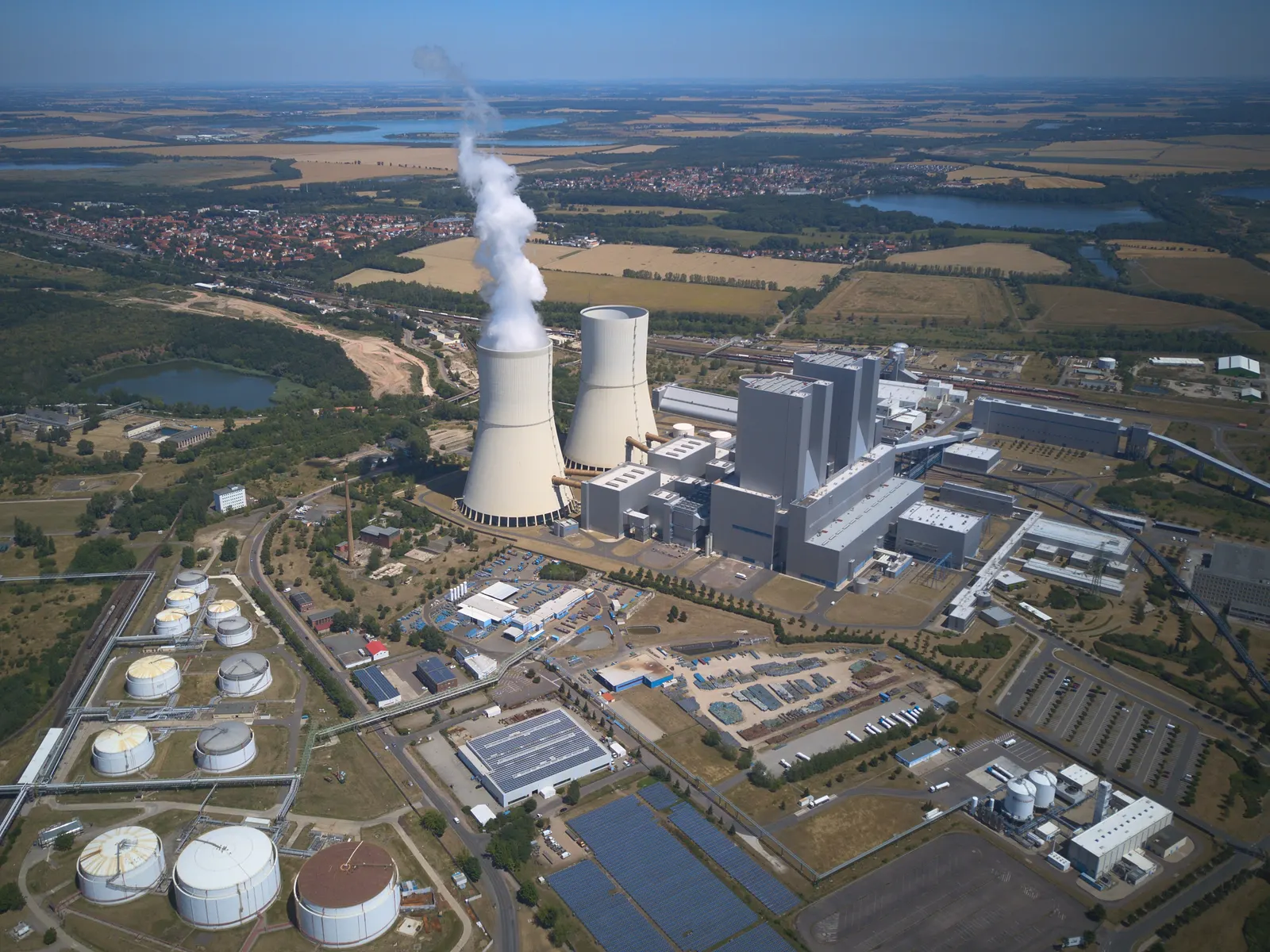
The boiler is chosen from the fuel mix: grates for coarse and variable residues, fluidised beds for mixed and wet fuels, gasifiers for small plants.
01
ResiduesTravelling grate stoker
Fuel spread on a moving grate; robust for husk, stalks and bagasse; simple ash removal.
02
StrawDumping / pulsating grate
Periodic grate movement clears ash; used with high-alkali straw designs.
03
Mixed fuelsAFBC (bubbling bed)
Fuel burns in a bed of hot sand at controlled temperature; handles moisture and fuel switching.
04
Larger unitsCFBC (circulating bed)
Higher velocity bed with cyclone return; high efficiency, wide fuel range, lower emissions.
05
SmallUpdraft / downdraft gasifier
Partial oxidation gives producer gas for engines; needs tar cleaning and steady fuel size.
06
UtilityCo-firing in pulverised coal
Pellets ground with coal or through separate mills and burners in an existing unit.
3.1Steam cycle of a biomass plant
- Fuel yard
- Feeding system
- Boiler
- Steam turbine
- Generator
- Condenser or process steam
- Feed water back to boiler
Section 04
Plant Design, Efficiency and Fuel Demand
Steam pressure and temperature, boiler efficiency and the share of steam used for process set how much fuel each MWh needs.
4.1Electrical output from fuel
Net power
P (MW) = m × GCV × η ÷ 3,600
Indicative: a 10 MW power-only plant at 25 % net efficiency on 3,300 kcal/kg fuel burns about 10–11 t/h, some 70,000–80,000 t a year at 80 % PLF
GCV in kcal/kg is converted with 1 kcal = 4.187 kJ. Overall efficiency is boiler efficiency (75–85 % on GCV basis) times cycle efficiency, less auxiliary power of 8–12 %.
| Symbol | Meaning |
|---|---|
| m | Fuel firing rate, t/h |
| GCV | Gross calorific value, MJ/kg (as fired) |
| η | Net plant efficiency, 0.20–0.30 for power-only, higher overall in cogeneration |
| 3,600 | Converts MJ/h to MW |
4.2Design choices
Steam cycle
5- Pressure 67–110 bar, 485–540 °C for modern plants
- Condensing or extraction-condensing turbine
- Air-cooled or water-cooled condenser
- Feed water heating and deaerator
- Boiler efficiency on GCV basis
Fuel-side design
5- Multi-fuel firing range and moisture limit
- Alkali and chlorine control against fouling
- Sootblowers and tube spacing
- Fuel feeding redundancy
- Emission control: ESP or bag filter
Section 05
Bagasse Cogeneration and Biomass Co-firing
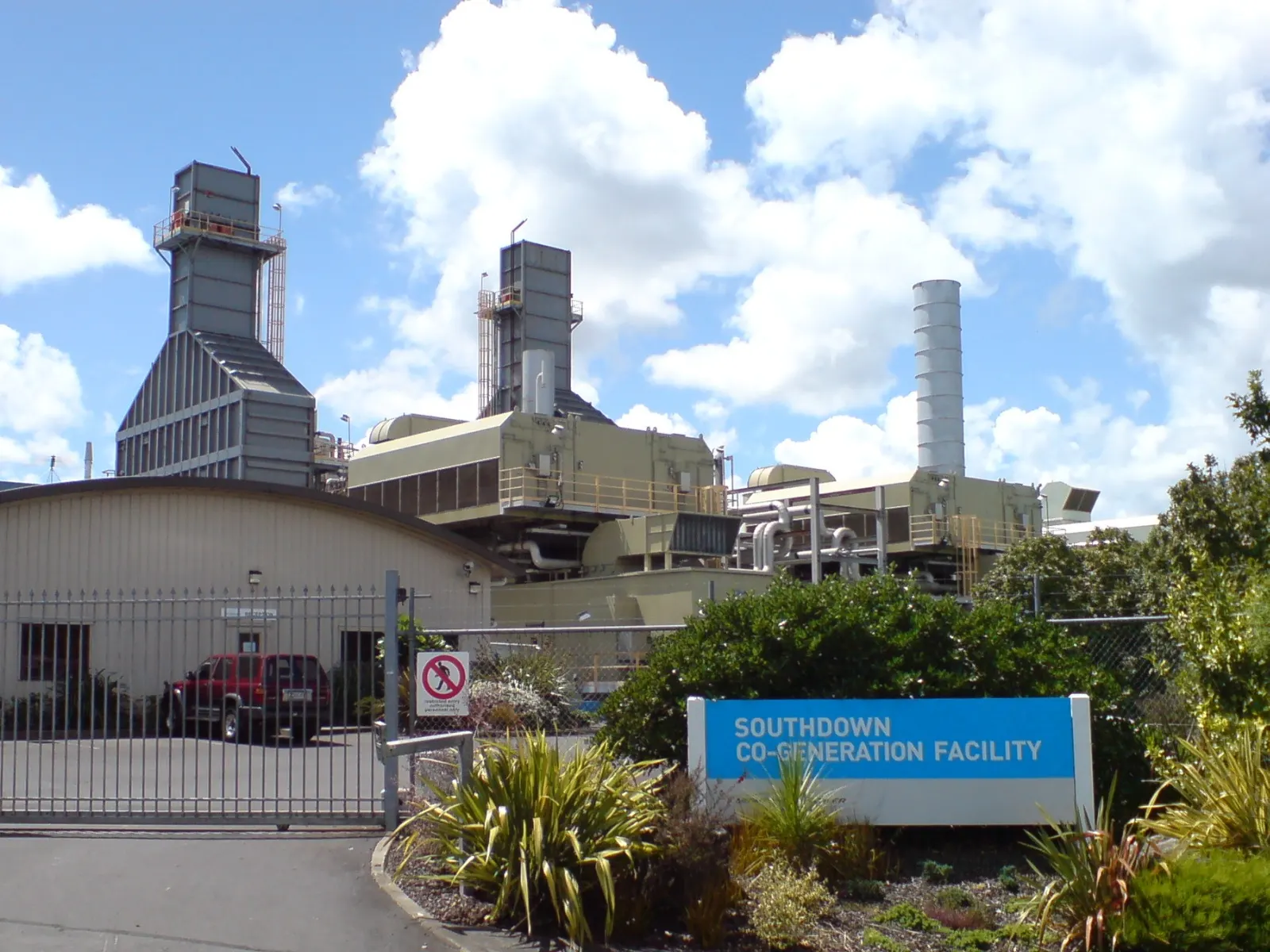
Two of the largest uses of biomass in India sit inside existing industries: sugar mills that burn their own bagasse, and coal plants that blend pellets with coal.
Bagasse cogeneration
5- Bagasse fired in high-pressure boilers during the crushing season
- Extraction steam to juice heating, evaporation and boiling
- Surplus power exported to the grid
- Off-season running on stored bagasse or other biomass
- Upgrading old low-pressure boilers raises export per tonne of cane
Export depends on cane crushed, steam economy of the mill and boiler pressure.
Co-firing in coal plants
5- Pellets or briquettes from agri-residue blended with coal
- Mixing in coal handling or separate biomass mills
- Typical blend a few per cent by weight
- Checks on mill performance, slagging and storage safety
- Pellet supply contracts with local manufacturers
India has a national mission promoting biomass co-firing in thermal plants, with blending targets set by the power ministry; current rules are confirmed for each plant.
Section 06
Fuel Supply Chain and Fire Safety
Residue is seasonal, bulky and spread across thousands of farms. A plant must collect most of a year's fuel in a few weeks and store it safely.
- 1Fuel availability survey within a 30–50 km radius
- 2Agreements with farmers, aggregators and depot operators
- 3Harvest-window collection with balers, rakes and loaders
- 4Village depots for interim storage
- 5Transport to the plant by tractor-trolley and truck
- 6Weighing, moisture testing and pricing at the gate
- 7Covered and open storage with stack spacing
- 8Shredding, screening and feeding to the boiler
6.1Fire safety in the fuel yard
- Stack size and spacing limits
- Fire breaks and access roads
- Hydrant ring main and monitors
- Temperature probes against self-heating
- First-in, first-out stock rotation
- No-smoking and hot-work control
- Lightning protection
- Trained yard fire crew
Section 07
Grid Connection, Emissions and Ash Use
Biomass plants connect like other small thermal plants and must meet air emission norms; their ash is a resource, not a waste.
| Area | Points |
|---|---|
| Grid connection | 11–132 kV to the nearest substation, metering and telemetry, scheduling with the state load despatch centre |
| Air emissions | Particulate control by ESP or bag filter; stack height and monitoring under the pollution control board's consent |
| Water | Cooling water and boiler make-up; air-cooled condensers where water is short |
| Bottom and fly ash | Soil conditioner, brick and block making, cement and concrete use |
| Rice husk ash | High-silica product for refractories, steel and cement |
Section 08
Project Development and Approvals
Lenders look first at the fuel: a credible fuel study and supply plan come before the power purchase agreement.
- 1Fuel assessment study and site selection
- 2State renewable agency registration or allotment
- 3Detailed project report
- 4Consent to establish from the pollution control board
- 5Water drawal permission
- 6Land, building and boiler registration approvals
- 7Grid connectivity and PPA or open access approval
- 8Financial close and EPC award
- 9Consent to operate before commissioning
Section 09
Turnkey EPC Delivery
BARREL coordinates the plant as one turnkey contract or as boiler, turbine and balance-of-plant packages under one interface.
Boiler island
4- Boiler and pressure parts
- Fuel feeding and ash handling
- ESP or bag filter, ID/FD fans
- Chimney
Turbine island
4- Steam turbine-generator
- Condenser and cooling tower or ACC
- Feed water and condensate system
- Water treatment plant
Balance of plant
4- Fuel yard, shredders, conveyors
- Fire protection system
- Switchyard and transmission line
- DCS, instrumentation and control
9.1Typical schedule (10–25 MW, indicative)
- Fuel study & DPR 4–6 mo
- Approvals 6–9 mo
- Construction 18–24 mo
- Commissioning 2–3 mo
Section 10
Operation and Maintenance
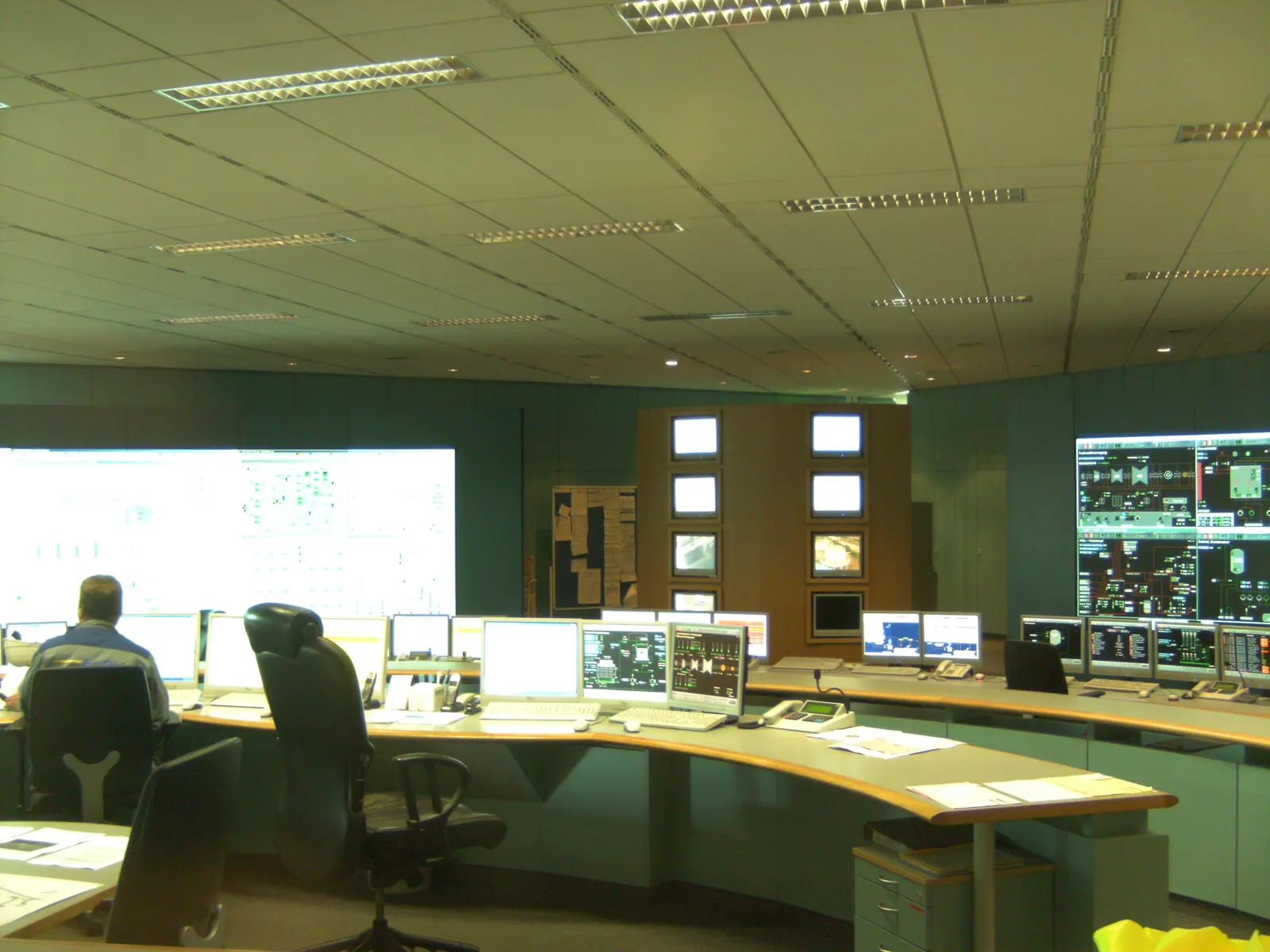
Biomass plants are fuel-handling plants first. Steady fuel quality and clean heating surfaces keep availability and efficiency high.
- Fuel quality testing and blending plan
- Fuel stock and procurement management
- Sootblowing and fouling monitoring
- Grate, bed material and refractory maintenance
- Erosion and corrosion checks on boiler tubes
- Annual statutory boiler inspection
- Turbine and generator overhaul planning
- Emission monitoring and reporting
- Ash disposal and sale contracts
Section 11
Finance and Commercial Models
Biomass power is sold under state PPAs, to captive or group-captive users, or used inside the host industry, with fuel cost as the largest running expense.
| Item | Typical range (India, indicative) |
|---|---|
| Capital cost | ₹5–7 crore per MW for power-only plants |
| Fuel cost | Often 55–65 % of the generation cost; seasonal and local |
| Plant load factor | 70–85 % with secure fuel |
| Revenue options | State PPA, captive and group-captive, cogeneration savings, carbon or green attributes |
| Key risks | Fuel price and availability, competing uses of residue, fouling |
Figures are indicative for early screening only; each project needs its own fuel study, cost estimate and financial model.
Section 12
BARREL Services for Biomass Power
One partner from the fuel survey to decades of steady operation, supported by BARREL's network of consultants, equipment makers and contractors.
- Fuel availability and price studies
- Fuel testing and boiler selection
- Pre-feasibility and DPR
- Approvals support
- Owner's engineer and lender's engineer
- Boiler and turbine sourcing
- Turnkey EPC / EPCM coordination
- Sugar-mill cogeneration upgrades
- Co-firing feasibility for coal plants
- Fuel supply chain set-up
- O&M and performance improvement
- Project finance facilitation
Project desk
Build your biomass project with BARREL
From field residue to firm renewable power.
Planning a new biomass plant, upgrading a sugar-mill cogeneration unit, studying co-firing or setting up a fuel chain — tell us about the site and the fuel and we will respond with the next steps.
Project categories
- Agri-residue power plant
- Bagasse cogeneration
- Industrial cogeneration
- Biomass gasifier
- Co-firing in coal plant
- Plant upgrade