
- Renewable Generation
- Hydro Infrastructure
- Turnkey EPC
- Energy Storage
Hydro Power Generation
Hydropower | Dams | Turbines | Pumped Storage | Water Infrastructure
Harnessing Water. Engineering Energy. Powering the Future.
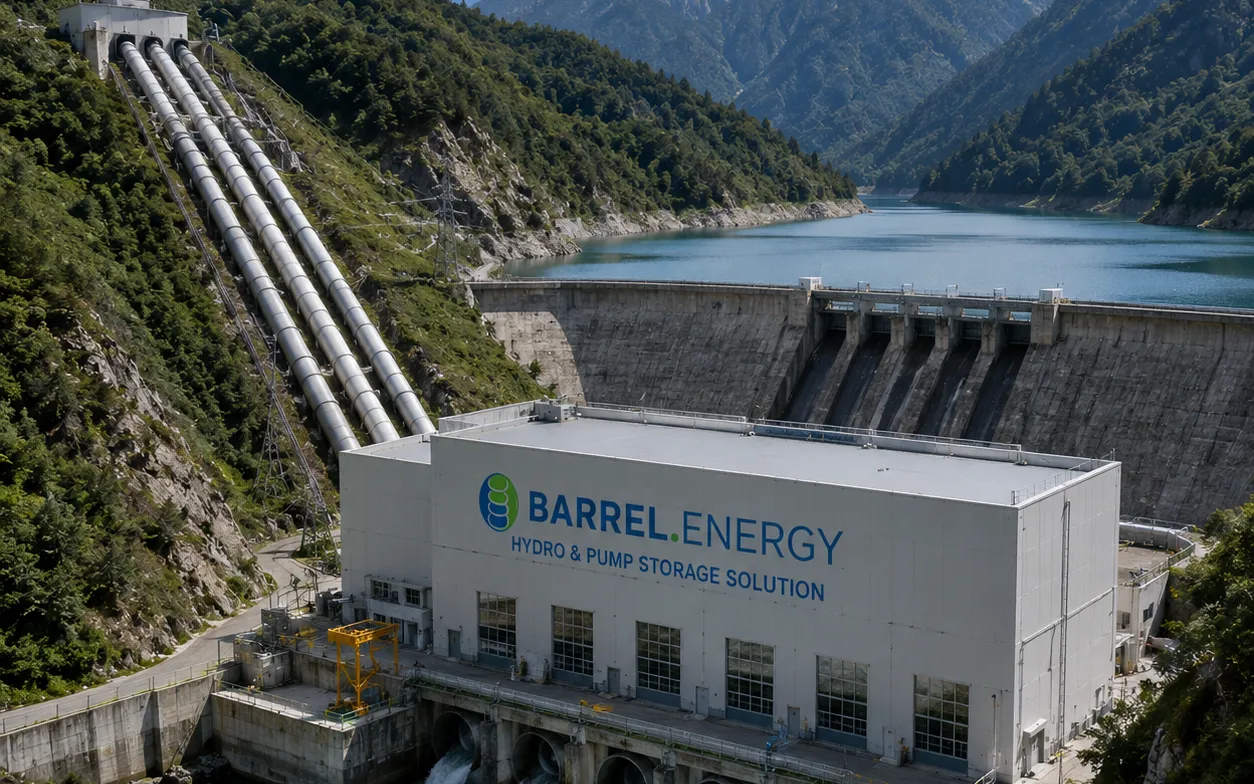
BARREL provides an integrated power and infrastructure ecosystem for hydropower generation, water resource development, hydro-mechanical and electro-mechanical engineering, electrical infrastructure, project execution and asset management — from large storage stations and run-of-river projects to small hydro, pumped storage and advanced water-energy infrastructure, worldwide.
WWater
Hydrology, storage, conveyance
TTurbine
Hydraulic → mechanical energy
GGenerator
Mechanical → electrical energy
- Plant categories
- 6
- Project range
- <5 kW–GW
- EPC phases
- 10
- Evacuation range
- 11–765 kV
- Engineering tools
- 70
Section 01
Hydro Power Generation — Industry Overview
Hydropower generates electricity from the potential and kinetic energy of flowing or falling water. Water stored at height is released through a conveyance system, drives a hydraulic turbine, and the turbine drives a generator.
BARREL presents hydro as a complete water-to-energy infrastructure ecosystem — from identifying a river basin and assessing its hydrological potential to generating electricity and delivering it to the grid.
DRIVER 1
Flow Q
How much water passes the turbine (m³/s) — set by hydrology, the flow duration curve and storage.
DRIVER 2
Net head Hnet
The usable height of fall (m) — gross elevation difference less losses in the waterway.
DRIVER 3
Efficiency η
Turbine × generator × system efficiency — typically 85–92 % overall for modern large units.
Major hydropower categories
01
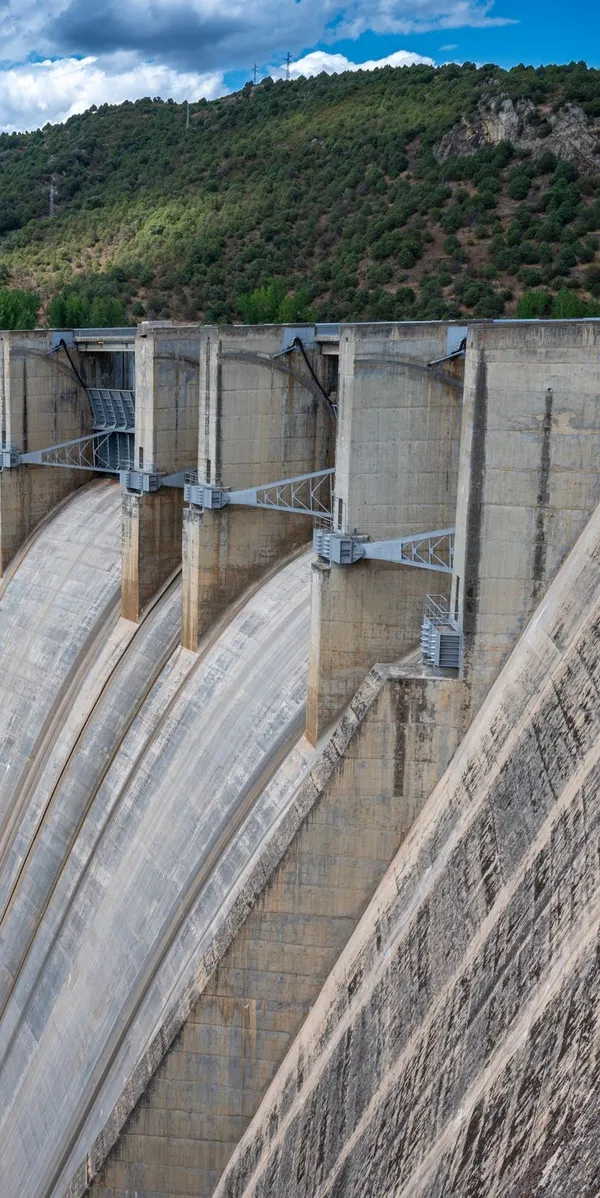
Storage Hydropower
Large dams and reservoirs that store water and generate according to water availability and electricity demand.
02
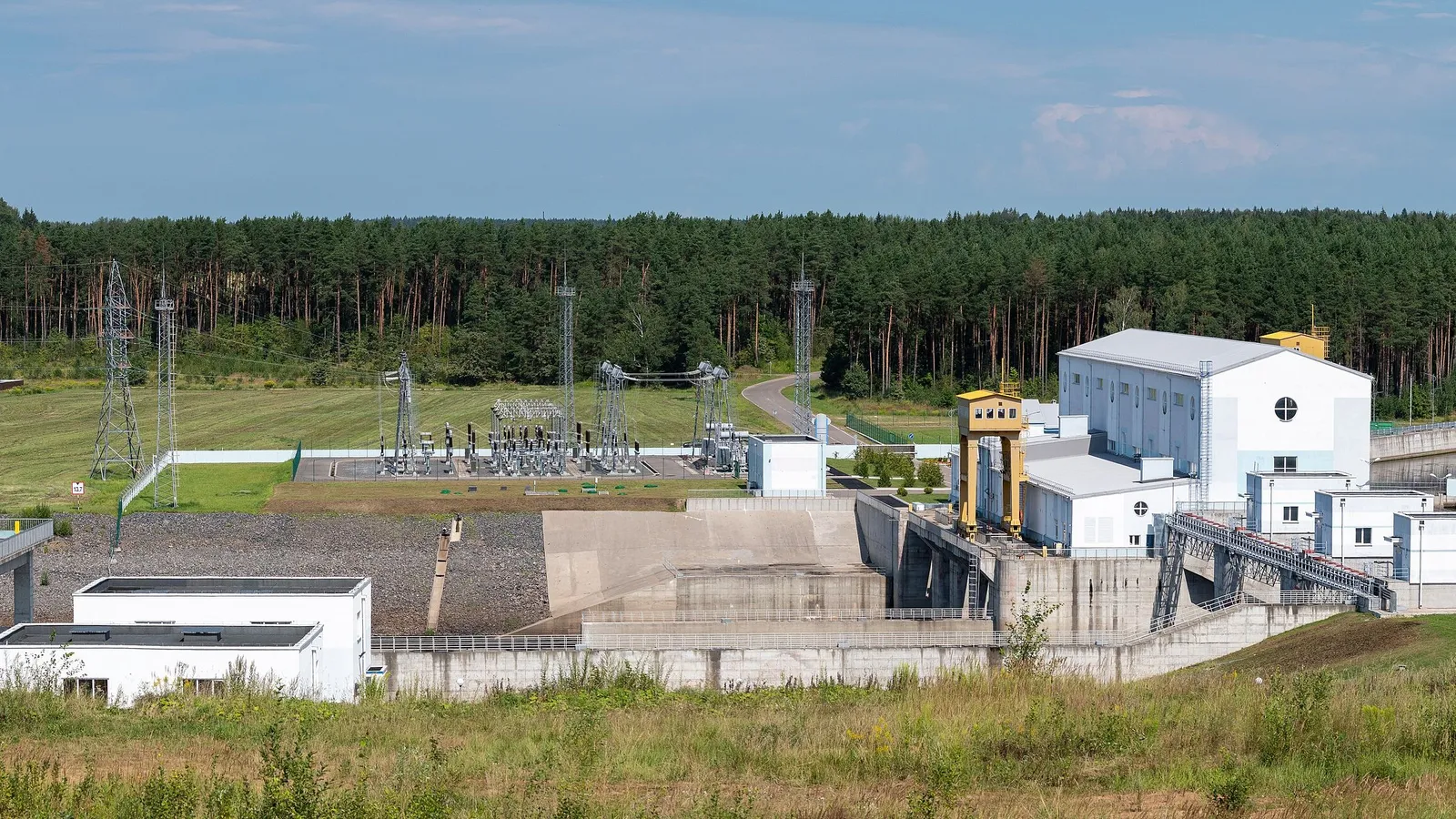
Run-of-River Hydropower
Generation from river flow and the available elevation difference, generally with limited storage.
03
Pumped Storage Hydropower
Energy storage with two reservoirs at different elevations and reversible pumping and generating systems.
04
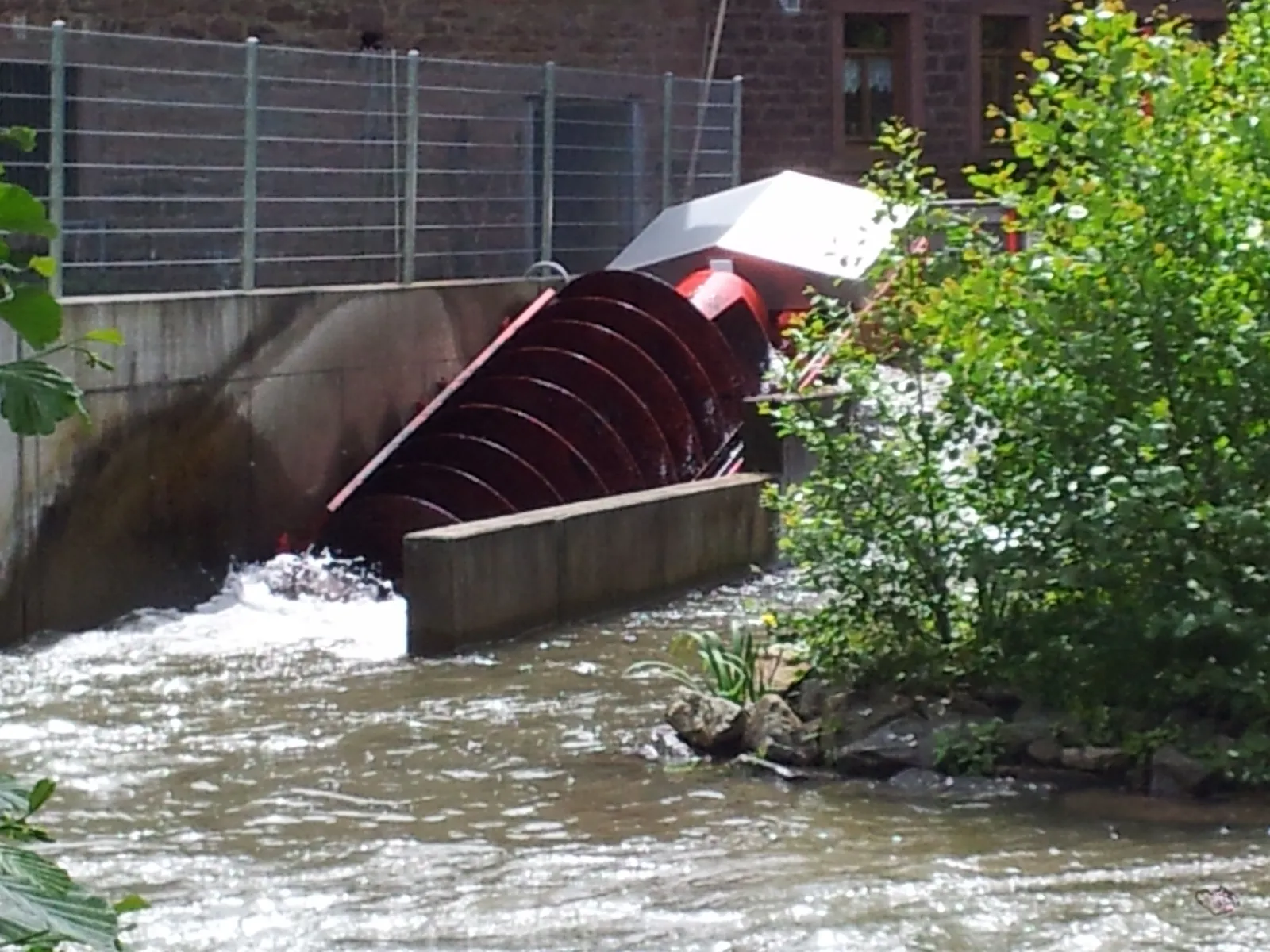
Small, Mini & Micro Hydro
Smaller installations for local grids, rural electrification, industrial use and distributed generation.

05
Hydrokinetic & Marine Energy
Technologies that use flowing water currents, tides and ocean waves to produce electricity.
THE PLATFORM
Five roles of this hub
- 1Hydropower Encyclopedia
- 2Project Development Platform
- 3Turnkey EPC Ecosystem
- 4Industrial Business Network
- 5International Infrastructure Platform
04Capacity & project classification
| Project category | Illustrative capacity |
|---|---|
| Pico Hydro | Below 5 kW |
| Micro Hydro | 5–100 kW |
| Mini Hydro | 100 kW–2 MW |
| Small Hydro | 2–25 MW |
| Medium Hydro | 25–100 MW |
| Large Hydro | 100–500 MW |
| Very Large Hydro | 500–1,000 MW |
| Mega Hydro | 1,000 MW and above |
Typical plant configurations
- 1 × 5 MW
- 2 × 10 MW
- 3 × 25 MW
- 2 × 50 MW
- 4 × 100 MW
- 4 × 250 MW
- 4 × 500 MW
- Multi-unit PSP 1,000 MW +
Proposed commercial categories, not universal statutory classes. Capacity and unit configuration depend on hydrology, head, flow duration, geology, grid requirements, environmental constraints and project economics.
Section 02
Hydropower Plant — Complete Technical Architecture
A multidisciplinary facility: hydraulic engineering, civil construction, mechanical and electrical engineering, hydro-mechanical equipment, automation, environmental systems and grid connectivity.
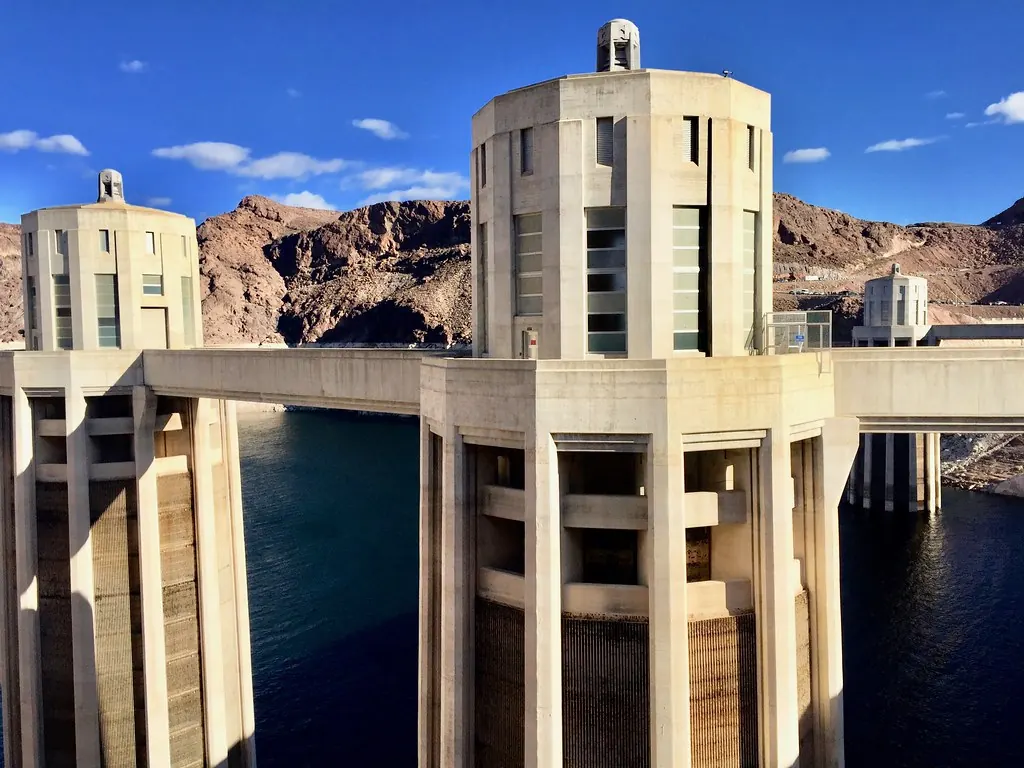
Scheme long-section — reservoir to grid
Swipe sideways to see the full schematic.
2.1How a hydropower plant works
- 1Water is collected in a reservoir or diverted from a river.
- 2Water enters through the intake structure.
- 3Trash racks and screens keep debris out of the conveyance system.
- 4Intake gates and valves control the flow.
- 5Water travels through tunnels, canals or penstocks.
- 6Water reaches the turbine under the designed hydraulic conditions.
- 7The hydraulic turbine rotates.
- 8The turbine shaft drives the generator.
- 9The generator produces electrical energy.
- 10Transformers raise the voltage for transmission.
- 11Electricity is evacuated through the switchyard and lines.
- 12Water leaves through the draft tube and tailrace to the river.
2.2Basic hydropower engineering formula
Theoretical power
P = ρ · g · Q · Hnet · η
Preliminary estimate
P (kW) ≈ 9.81 × Q × Hnet × η
Net head is the gross elevation difference less hydraulic losses in the conveyance system. Final capacity accounts for seasonal flow, operating head, turbine and generator efficiency, auxiliary consumption and design constraints.
| Symbol | Description |
|---|---|
| P | Electrical output power (W) |
| ρ | Water density (kg/m³) |
| g | Acceleration due to gravity (m/s²) |
| Q | Turbine discharge (m³/s) |
| Hnet | Net hydraulic head (m) |
| η | Overall efficiency |
2.3Main hydropower plant components
- AWater Storage & Reservoir System
- BDam Engineering
- CSpillway & Flood Discharge
- DIntake Structures & Desilting
- EWater Conveyance System
- FPowerhouse
- GHydraulic Turbine System
- HGenerator & Electrical Systems
- IDraft Tube & Tailrace
Water Storage & Reservoir System
Stores water and regulates its release for power generation and other designated water uses.
Major components
- Main dam
- Reservoir basin
- Upstream and downstream water systems
- Reservoir intake structures
- Reservoir operating gates
- Water level monitoring
- Reservoir instrumentation
- Sediment management facilities
- Reservoir access roads
- Shore protection
- Catchment drainage
- Water quality monitoring
- Flood management facilities
Reservoir parameters
- Full Reservoir Level (FRL)
- Maximum Water Level (MWL)
- Minimum Drawdown Level (MDDL)
- Dead Storage Level
- Live Storage
- Gross Storage Capacity
- Active Storage Capacity
- Reservoir Area
- Operating Range
- Sedimentation Rate
- Evaporation Losses
Reservoir planning must also consider flood routing, downstream water requirements, sedimentation, ecological flows and competing water uses.
Dam Engineering
A hydraulic structure built to retain, regulate or divert water.
Major components
- Foundation
- Abutments
- Dam body
- Upstream face
- Downstream face
- Crest
- Parapet wall
- Inspection galleries
- Drainage galleries
- Grouting galleries
- Foundation drainage
- Contraction joints
- Waterstops
- Instrumentation systems
- Seepage monitoring
- Uplift pressure monitoring
- Structural movement monitoring
Dam safety instrumentation
- Piezometers
- Inclinometers
- Pendulums
- Joint meters
- Seepage measurement
- Extensometers
- Settlement monitoring
- Strain gauges
- Crack meters
- Temperature sensors
- Automated dam monitoring
| Dam type | Engineering characteristics |
|---|---|
| Concrete Gravity Dam | Resists water pressure primarily through its mass |
| Arch Dam | Transfers loads to the abutments through arch action |
| Buttress Dam | Uses supporting structural elements |
| Earthfill Dam | Built from compacted earth materials |
| Rockfill Dam | Compacted rockfill with an impervious barrier |
| Concrete Face Rockfill Dam | Rockfill with an upstream concrete face |
| Roller Compacted Concrete Dam | Concrete placed and compacted in layers |
| Composite Dam | A combination of structural dam types |
Spillway & Flood Discharge
Safely discharges excess water from the reservoir without compromising dam safety.
Major components
- Ogee spillway
- Chute spillway
- Side channel spillway
- Shaft spillway
- Morning glory spillway
- Siphon spillway
- Labyrinth spillway
- Fuse plug spillway
- Free overflow spillway
Spillway equipment
- Radial gates
- Vertical lift gates
- Stoplog gates
- Emergency gates
- Gate hoists
- Hydraulic operating systems
- Gantry cranes
- Spillway piers
- Energy dissipation structures
- Stilling basins
- Flip buckets
- Chute protection
- Downstream scour protection
Flood management
- Flood forecasting
- Reservoir operation planning
- Inflow forecasting
- Real-time rainfall monitoring
- Dam break analysis
- Emergency Action Plans
- Early Warning Systems
- Downstream flood warning
- Gate operation automation
Intake Structures & Desilting
Controls water entry into the hydroelectric conveyance system.
Major components
- Intake tower
- Intake gates
- Trash racks
- Trash rack cleaning machines
- Stoplogs
- Intake valves
- Gate hoists
- Water level monitoring
- Intake screens
- Ventilation systems
- Inspection platforms
Desilting facilities
- Desilting basins
- Settling chambers
- Sediment flushing
- Gravel traps
- Sand traps
- Silt removal systems
- Sediment monitoring
- Flushing tunnels
- Sediment bypass systems
Desilting is critical on sediment-laden Himalayan and other mountain rivers, where abrasive particles cause serious turbine erosion.
Water Conveyance System
Transfers water from the intake to the turbine and returns it downstream.
Major components
- Head race tunnel
- Head race channel
- Headrace pipe
- Pressure tunnel
- Surge shaft
- Surge tank
- Penstock
- Penstock bifurcation
- Main inlet valve
- Butterfly valves
- Spherical valves
- Expansion joints
- Air valves
- Drainage valves
- Tailrace tunnel
- Tailrace channel
- Draft tube
- Outlet structure
Hydraulic protection
- Water hammer analysis
- Transient pressure analysis
- Surge analysis
- Pressure relief systems
- Surge tank design
- Air admission systems
- Emergency closure arrangements
- Penstock anchorage and supports
Powerhouse
Houses the turbine-generator units and their mechanical, electrical and control equipment.
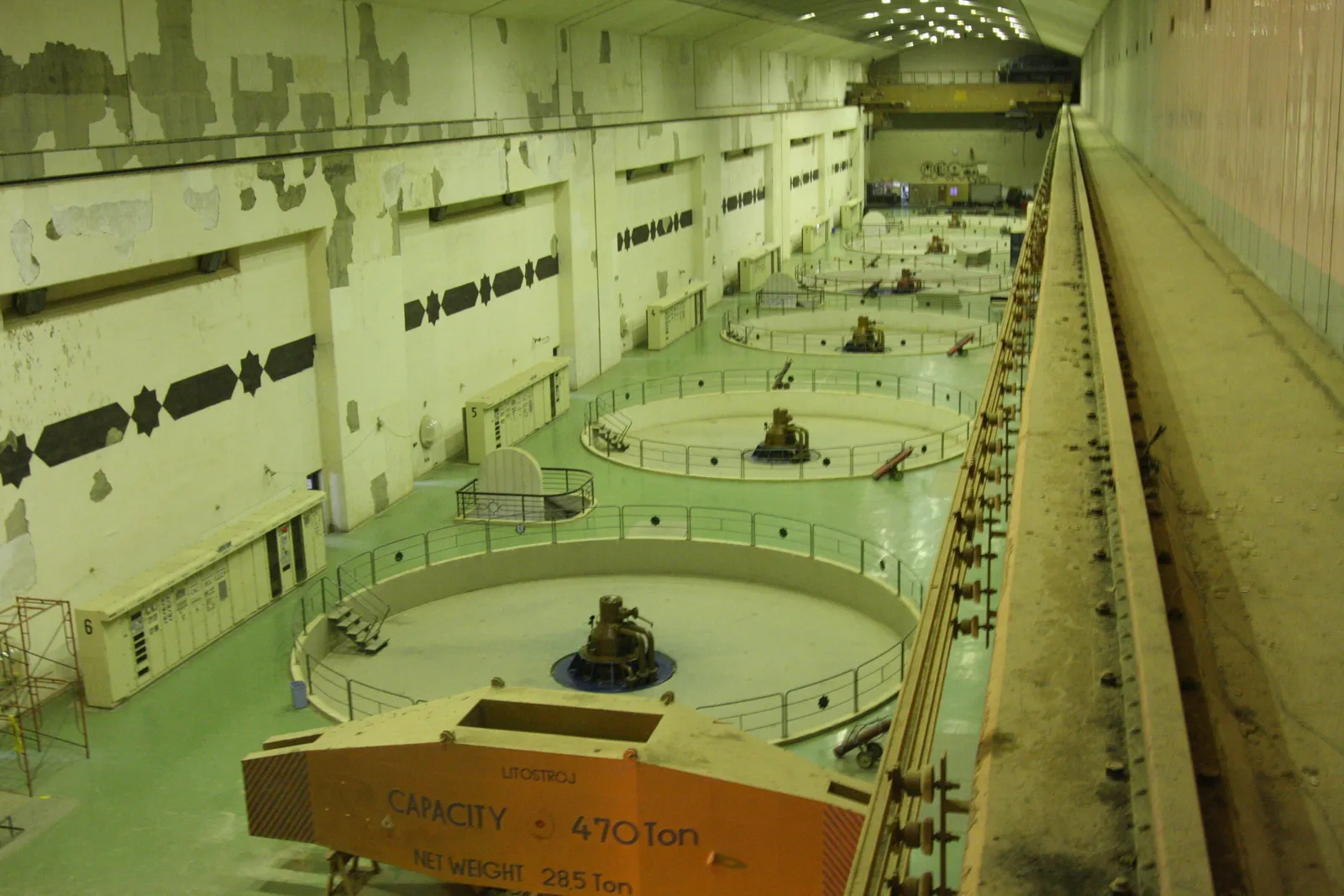
Major components
- Machine hall
- Turbine floor
- Generator floor
- Crane hall
- Erection bay
- Control room
- Electrical rooms
- Transformer cavern or yard
- Cable galleries
- Ventilation system
- Drainage system
- Fire protection
- Maintenance workshop
- Access tunnels and lifts
Powerhouse configurations
- Surface
- Underground
- Semi-underground
- Dam-toe
- Cavern-type
- Shaft-type
- Riverbank
Hydraulic Turbine System
Converts the energy of flowing water into rotational mechanical energy.
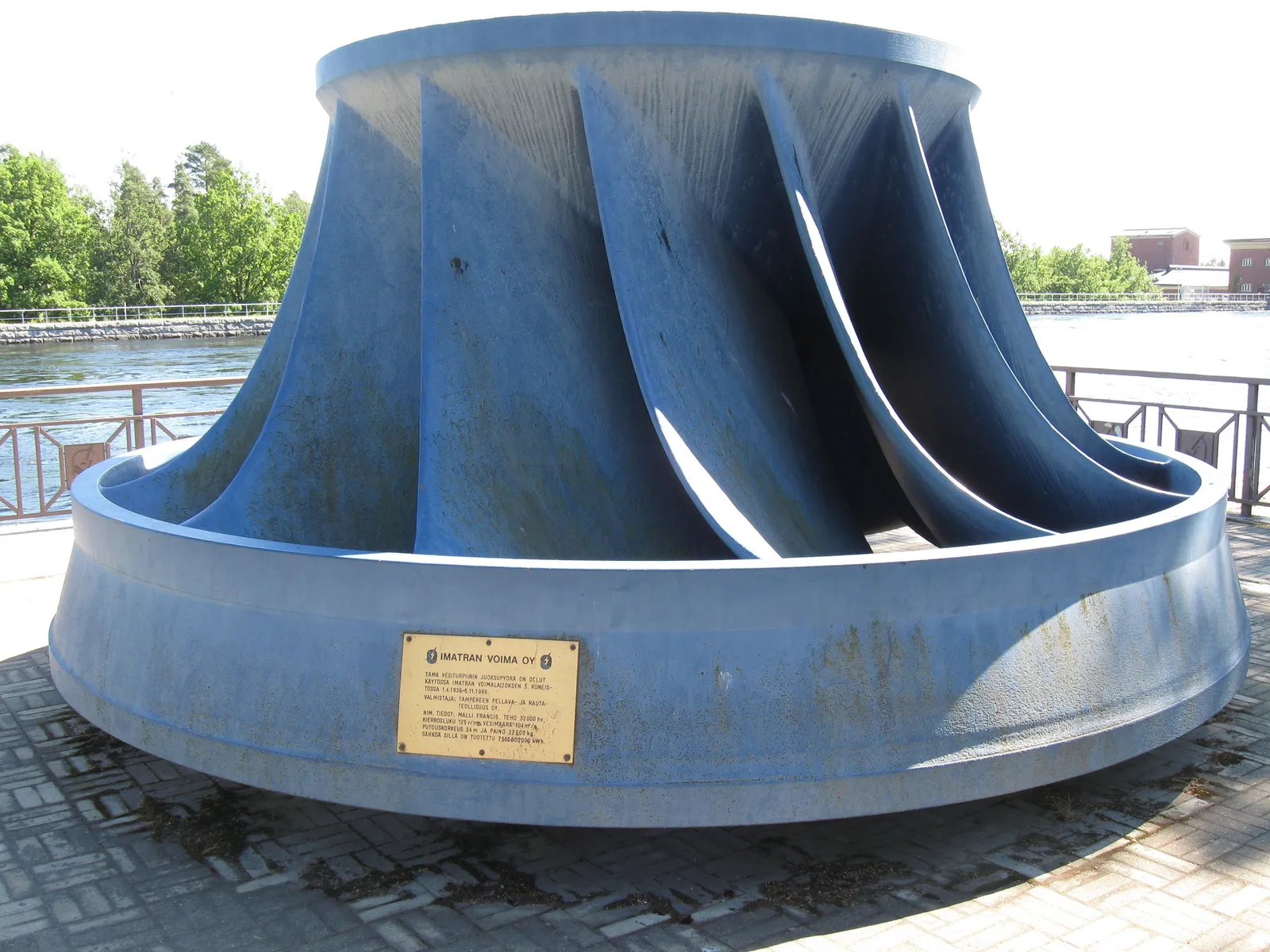
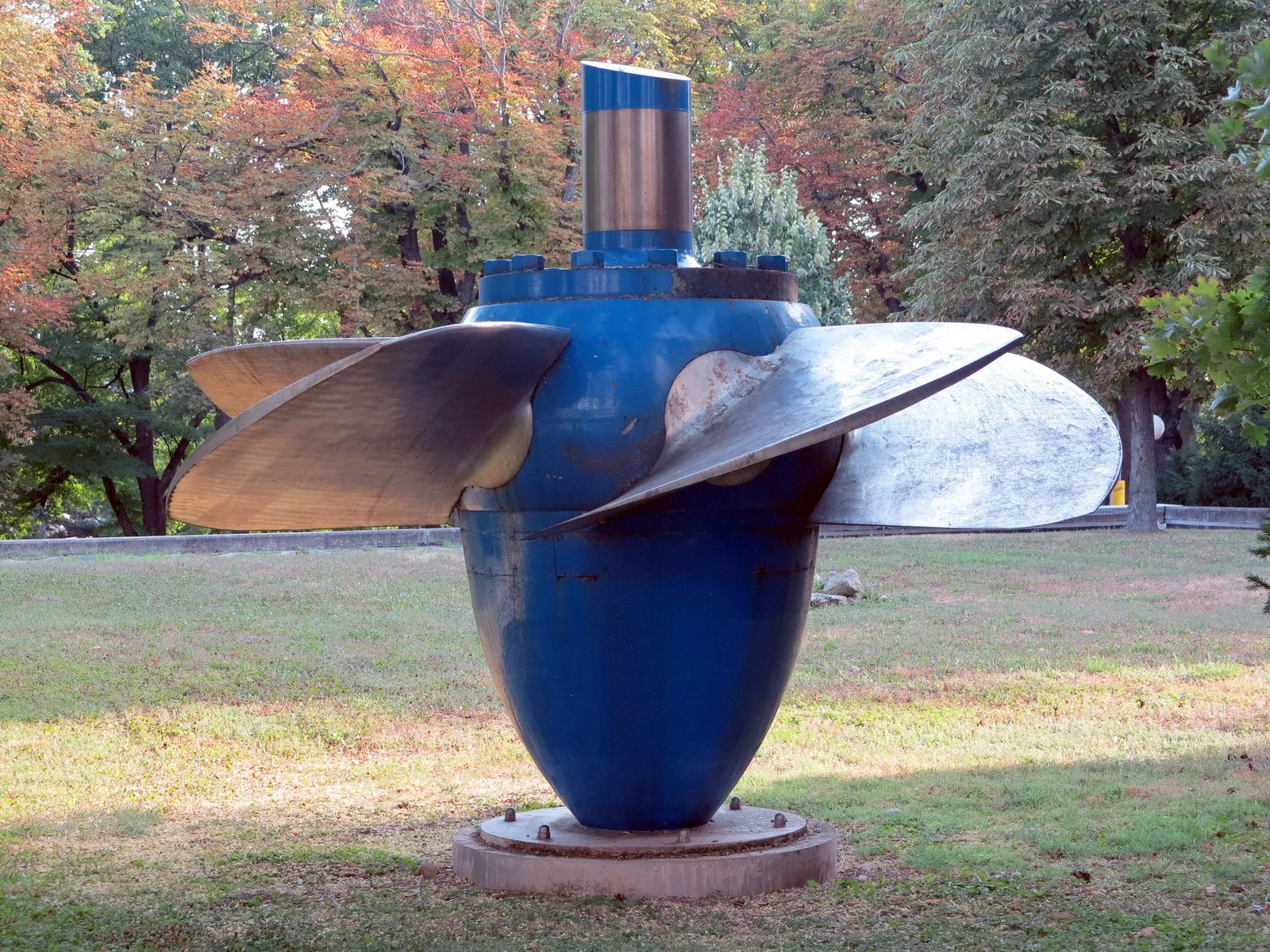
Major components
- Runner
- Runner blades or buckets
- Shaft
- Spiral casing
- Stay vanes
- Guide vanes
- Wicket gates
- Draft tube
- Main inlet valve
- Shaft seals
- Bearings
- Governor
- Hydraulic power unit
- Lubrication system
- Cooling system
- Turbine protection
- Vibration monitoring
- Cavitation protection
Turbine technologies by head range
| Turbine | None | < 10 m | 10–60 m | 60–300 m | 300–800 m | > 800 m | Typical application |
|---|---|---|---|---|---|---|---|
| PeltonHigh head | High head, comparatively low flow | ||||||
| TurgoHigh head | High head and compact arrangements | ||||||
| FrancisMedium head | Medium head, the widest range of applications | ||||||
| KaplanLow head | Low head, higher flow | ||||||
| PropellerLow head | Low head, fixed-blade applications | ||||||
| BulbVery low head | Low-head river and tidal applications | ||||||
| TubularVery low head | Low-head installations | ||||||
| CrossflowLow–medium head | Small hydro and decentralised generation | ||||||
| Pump-TurbineMedium–high head | Reversible pumped storage | ||||||
| HydrokineticNo head head | Flowing water without a conventional hydraulic head |
Turbine selection depends on head, discharge, operating range, sediment, cavitation, rotational speed and project economics.
Generator & Electrical Systems
Converts turbine rotational energy into electrical energy.
Major components
- Stator
- Rotor
- Field winding
- Stator winding
- Excitation system
- Automatic Voltage Regulator
- Generator cooling
- Bearings
- Thrust bearing
- Shaft sealing
- Generator protection relays
- Neutral grounding
- Generator circuit breaker
- Synchronising system
- Bus ducts
- Generator transformer
Generator technologies
- Synchronous hydro generators
- Vertical shaft
- Horizontal shaft
- Bulb-type arrangements
- Motor-generators for pumped storage
- Fixed-speed machines
- Variable-speed machines (suitable PSP)
Draft Tube & Tailrace
The draft tube recovers part of the kinetic energy leaving the turbine and discharges into the tailrace.
Major components
- Draft tube
- Draft tube liner
- Draft tube gates
- Tailrace tunnel
- Tailrace channel
- Tailrace gates
- Outlet structures
- Water level measurement
- Downstream flow monitoring
Section 03
Hydropower Plant Types & Configurations
Each major category has its own infrastructure, operating regime and commercial logic. Pumped storage has its own tab.
3.1Storage Hydropower Plants
Dams and reservoirs store water and release it through the turbines when electricity is required.
Key characteristics
- Large water storage capacity
- Seasonal and daily regulation
- Generation scheduling
- Peak-load generation
- Flood management integration
- Multi-purpose water resource development
- Grid flexibility
Typical infrastructure
- Dam
- Reservoir
- Spillway
- Intake
- Desilting
- HRT
- Surge shaft
- Penstock
- Powerhouse
- Tailrace
- Switchyard
3.2Run-of-River Hydropower Plants
Generation mainly from the natural river flow and the available elevation difference; limited storage, sometimes pondage for short-duration regulation.
Major types
- Diversion-based run-of-river
- Pondage-based run-of-river
- Canal-based hydropower
- River diversion schemes
- Cascade run-of-river
Typical infrastructure
- Diversion weir
- Intake
- Desilting chamber
- Head race channel / HRT
- Forebay
- Penstock
- Powerhouse
- Tailrace
- Grid evacuation
3.4Small, Mini & Micro Hydropower
Decentralised generation from rivers, canals, irrigation infrastructure and small water resources.
Applications
- Rural electrification
- Remote communities
- Industrial captive generation
- Irrigation canals
- Water supply systems
- Mountain communities
- Small commercial projects
- Distributed generation
Technologies
- Pelton turbine
- Crossflow turbine
- Francis turbine
- Kaplan turbine
- Propeller turbine
- Compact hydro generators
- Electronic load controllers
- Microgrid integration
| Category | Indicative capacity |
|---|---|
| Pico Hydro | Below 5 kW |
| Micro Hydro | 5–100 kW |
| Mini Hydro | 100 kW–2 MW |
| Small Hydro | 2–25 MW |
| Large Hydro | Above 25 MW |
Definitions differ across countries and programmes. In India the small hydro programme category extends up to 25 MW.
3.5Canal-Based Hydropower
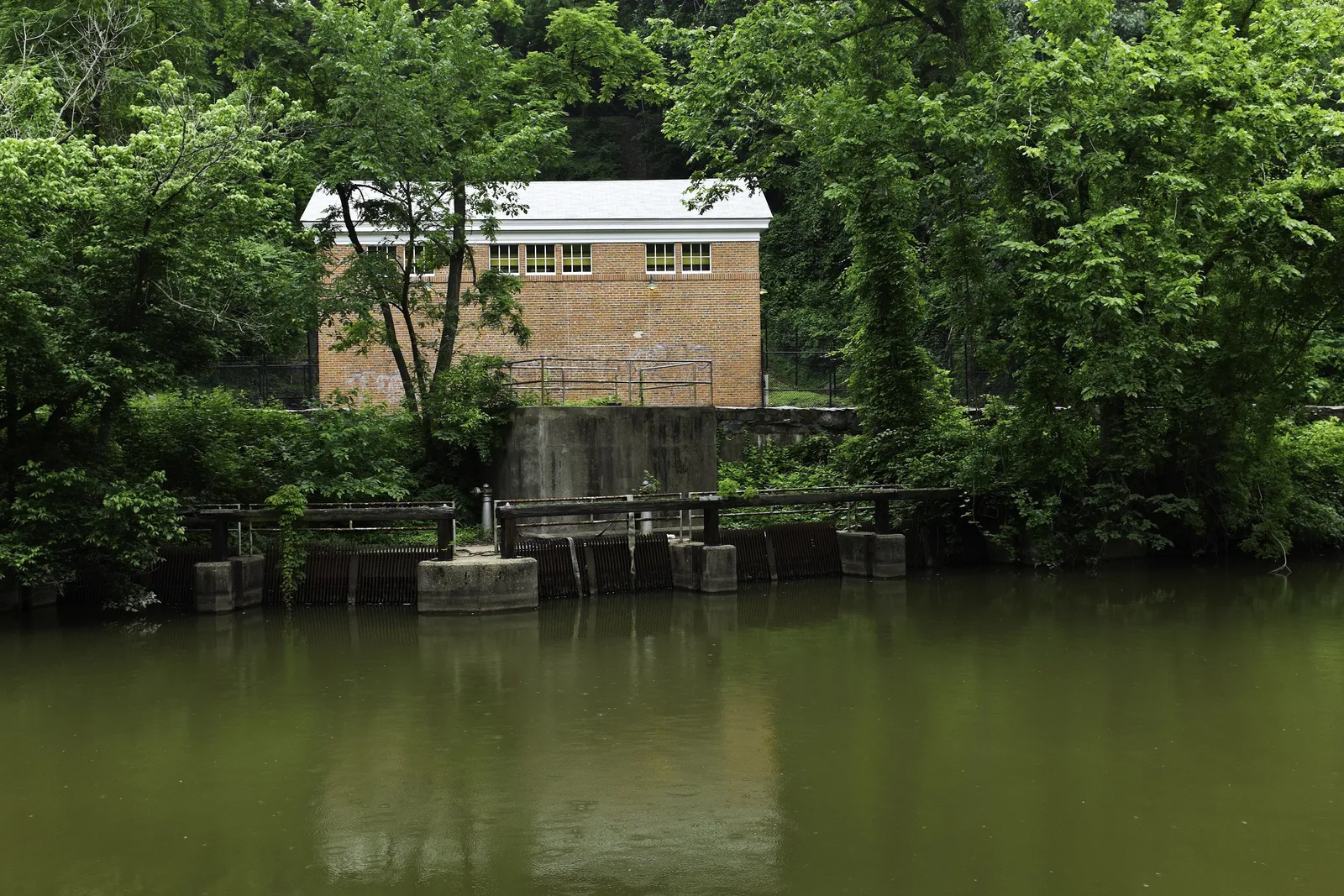
Uses the head and flow available in irrigation and water-distribution canals, integrating generation with existing water infrastructure, subject to water-use priorities and operating conditions.
Project opportunities
- Main irrigation canals
- Canal drops
- Canal falls
- Water supply networks
- Dam outlet channels
- Existing hydraulic structures
- Industrial water conveyance
3.6Hydrokinetic & Marine Hydropower
Extracts energy from moving water without necessarily needing a high-head dam. Maturity varies; projects need marine engineering, hydrodynamic design, corrosion protection, anchoring, subsea electrical systems and environmental assessment.
Technology categories
- River current turbines
- Tidal stream turbines
- Tidal range systems
- Wave energy converters
- Ocean current turbines
- Marine energy devices
Section 04
Pumped Storage Hydropower (PSH) — Strategic Energy Storage Vertical
One of the most important technologies for large-scale electricity storage and grid flexibility. Two reservoirs at different elevations: surplus electricity pumps water up; at high demand the water is released through turbines.
It works as a large-scale storage system and consumes more electricity in pumping than it returns in generation.
Two operating modes
Swipe sideways to see the full diagram.
Pumped storage configurations
- 01Open-loop
- 02Closed-loop
- 03Conventional
- 04Reversible pump-turbine
- 05Ternary hydroelectric
- 06Fixed-speed
- 07Variable-speed
- 08Underground
- 09Off-river
Equipment, engineering & commercial applications
Major equipment
15- Upper reservoir
- Lower reservoir
- Water conveyance tunnels
- Penstocks
- Pump-turbines
- Reversible motor-generators
- Motor-generator transformers
- Main inlet valves
- Hydraulic control systems
- Surge tanks
- Draft tubes
- Tailrace systems
- Switchyard
- Grid connection
- Supervisory control systems
Engineering considerations
15- Gross head and net head
- Reservoir storage volume
- Active storage capacity
- Pumping discharge
- Generation discharge
- Pumping and generating efficiency
- Round-trip efficiency
- Cycle duration
- Water balance
- Hydraulic transient analysis
- Cavitation
- Grid flexibility
- Start-up and reversal time
- Variable-speed operation
- Environmental and water permissions
Commercial applications
9- Renewable energy integration
- Solar power shifting
- Wind energy balancing
- Peak power supply
- Frequency regulation
- Grid stability
- Reserve capacity
- Black-start capability, where designed
- Long-duration energy storage
Why pumped storage is its own BARREL business vertical
Not just another type of conventional plant — a distinct commercial ecosystem that lets BARREL take part in both renewable generation and grid-scale energy storage infrastructure.
- Upper and lower reservoir development
- Greenfield and brownfield pumped storage projects
- Reversible pump-turbine systems
- Motor-generators and variable-speed technology
- Underground powerhouses
- Hydraulic tunnels and pressure shafts
- Renewable energy integration
- Grid-scale energy storage
- Storage capacity and energy trading
- Grid balancing and ancillary services
- Long-duration energy storage project finance
INDIA FOCUS
The Central Electricity Authority has a dedicated Hydro Engineering & Technology Development division, and the International Hydropower Association highlights pumped storage as an important part of India's future power system.
Pumped storage sector pageSection 05
Water Resource Assessment & Hydrological Engineering
Unlike thermal plants, hydropower depends on the availability, timing, distribution and hydraulic characteristics of water. BARREL offers water resource assessment as an independent consultancy and as part of the full development package.

5.1Hydrological studies
- River basin assessment
- Catchment area delineation
- Rainfall analysis
- River discharge analysis
- Historical streamflow analysis
- Flood frequency analysis
- Design flood estimation
- Low-flow assessment
- Dependable flow assessment
- Seasonal flow variation
- Flow duration curves
- Environmental flow assessment
- Sediment yield estimation
- Climate variability assessment
- Climate change impact assessment
- Water balance analysis
5.2Flow Duration Curve (FDC)
The percentage of time a given river discharge is equalled or exceeded.
- Turbine design discharge
- Installed capacity optimisation
- Dependable generation
- Seasonal power estimation
- Plant load factor estimation
- Water availability
- Economic optimisation
5.3Head assessment
- Gross head measurement
- Net head calculation
- Hydraulic losses
- Water level variation
- Intake level
- Forebay level
- Tailwater level
- Operating head range
- Static head
- Dynamic head
- Surge and transient analysis
5.4Survey & investigation
Topographical survey
10- Total station survey
- DGPS survey
- Drone-based mapping
- LiDAR survey
- Contour mapping
- River cross-sections
- Longitudinal sections
- Dam axis survey
- Powerhouse site survey
- Tunnel alignment survey
Geological investigations
12- Geological mapping
- Rock mass classification
- Borehole drilling
- Core logging
- Discontinuity assessment
- Seismic refraction survey
- Electrical resistivity survey
- Rock mechanics testing
- Foundation investigation
- Slope stability analysis
- Landslide assessment
- Seismic hazard assessment
Geotechnical investigations
11- Soil testing
- Rock testing
- Plate load tests
- Permeability tests
- Pressuremeter testing
- Laboratory analysis
- Foundation bearing capacity
- Settlement analysis
- Excavation stability
- Groundwater assessment
- Grouting trials
5.5Water resource & project feasibility reports
- R01Preliminary Hydrology Report
- R02Water Availability Report
- R03Hydrological Design Report
- R04Flood Estimation Report
- R05Sedimentation Study
- R06Water Balance Report
- R07Hydropower Potential Assessment
- R08Head and Discharge Assessment
- R09Dependable Energy Assessment
- R10Preliminary Feasibility Report
- R11Detailed Project Report
Section 06
Hydropower Civil Engineering & Underground Infrastructure
A major share of every hydro project: dams, tunnels, waterways, underground caverns and associated structures all need extensive site-specific engineering.
6.1Major civil engineering packages
Dam construction
12- Foundation excavation
- Foundation treatment
- Concrete placement
- Rockfill construction
- Earthfill construction
- Grouting works
- Drainage galleries
- Contraction joints
- Waterstop installation
- Instrumentation installation
- Dam crest construction
- Upstream and downstream protection
Hydraulic structures
12- Spillways
- Chute channels
- Stilling basins
- Energy dissipation structures
- Intake structures
- Desilting basins
- Forebay structures
- Surge shafts
- Pressure shafts
- Tailrace channels
- Diversion tunnels
- Outlet structures
Underground construction
17- Head race tunnels
- Tailrace tunnels
- Pressure tunnels
- Access tunnels
- Cable tunnels
- Ventilation tunnels
- Transformer caverns
- Underground powerhouse caverns
- Surge chambers
- Vertical shafts
- Inclined shafts
- Emergency access passages
- Tunnel lining
- Rock bolting
- Shotcrete
- Grouting
- Waterproofing
Powerhouse civil works
12- Powerhouse excavation
- Foundation construction
- Turbine pit
- Generator foundation
- Draft tube structures
- Crane beams
- Machine hall
- Erection bay
- Transformer foundations
- Cable galleries
- Drainage galleries
- Equipment access roads
6.2Construction methodologies
- Conventional drill and blast
- Tunnel Boring Machine (TBM)
- New Austrian Tunnelling Method (NATM)
- Sequential excavation
- Roller Compacted Concrete
- Conventional mass concrete
- Rockfill dam construction
- Earthfill dam construction
- Grouting and consolidation
- Ground improvement
- Underwater construction
- Cofferdam construction
- River diversion works
6.3Construction equipment
- Tunnel boring machines
- Excavators
- Hydraulic breakers
- Drilling rigs
- Jumbo drills
- Dump trucks
- Concrete batching plants
- Concrete pumps
- Placing booms
- Cranes and gantry cranes
- Shotcrete machines
- Grouting plants
- Compressors
- Dewatering pumps
- Rock bolting machines
- Survey instruments
- Material handling equipment
Section 07
Hydro-Mechanical Engineering & Equipment
Systems that control, regulate and safely manage water flow throughout the facility — gates, hoists, valves, penstocks and auxiliaries.
7.1Gate types
12- Radial gates
- Vertical lift gates
- Fixed wheel gates
- Roller gates
- Slide gates
- Stoplog gates
- Bulkhead gates
- Intake gates
- Draft tube gates
- Emergency gates
- Maintenance gates
- Spillway gates
7.1Gate operating equipment
10- Hydraulic hoists
- Electrical hoists
- Wire rope hoists
- Chain hoists
- Gate operating machinery
- Hydraulic power packs
- Gate position indicators
- Limit switches
- Gate control panels
- Emergency operating arrangements
7.2Valves & flow control
13- Butterfly valves
- Spherical valves
- Needle valves
- Cone valves
- Howell-Bunger valves
- Pressure relief valves
- Air release valves
- Air admission valves
- Drainage valves
- Main inlet valves
- Bypass valves
- Isolation valves
- Control valves
7.3Penstock engineering
19- Hydraulic design
- Steel plate selection
- Wall thickness calculation
- Pressure analysis
- Hydraulic transient analysis
- Steel fabrication
- Welding engineering
- Non-destructive testing
- Corrosion protection
- Internal lining
- External coating
- Expansion joints
- Anchor blocks
- Saddle supports
- Rock anchors
- Bifurcation
- Branch pipes
- Field erection
- Hydrostatic testing
7.4Mechanical auxiliary systems
15- Turbine governing systems
- Hydraulic power units
- Lubrication systems
- Bearing cooling
- Generator cooling
- Drainage and dewatering
- Compressed air
- Cooling water
- Fire water
- Service water
- Workshop equipment
- EOT cranes
- Gantry cranes
- Maintenance lifting
- Ventilation systems
Section 08
Electrical Engineering & Grid Evacuation
Specialised systems for generator operation, voltage transformation, protection, control and transmission.
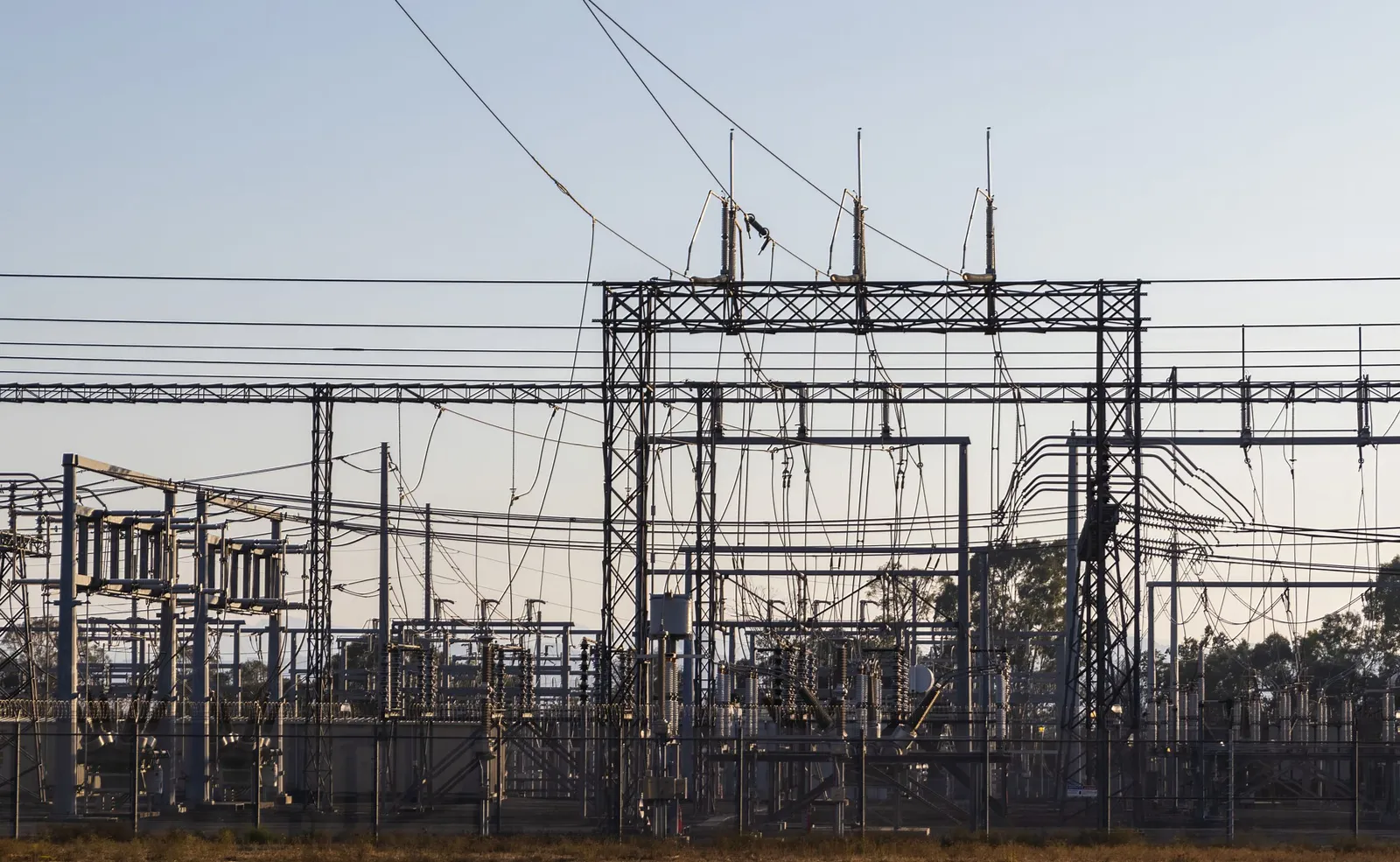
8.4Power evacuation voltage levels
- 11 kV
- 22 kV
- 33 kV
- 66 kV
- 110 kV
- 132 kV
- 220 kV
- 400 kV
- 765 kV
Electrical systems
8.1Generator electrical systems
18- Synchronous generators
- Generator stators
- Generator rotors
- Excitation systems
- Automatic Voltage Regulators
- Neutral grounding
- Generator circuit breakers
- Generator protection
- Differential protection
- Overcurrent protection
- Earth fault protection
- Reverse power protection
- Loss of excitation protection
- Overvoltage protection
- Underfrequency protection
- Synchronising systems
- Generator metering
- Cooling auxiliaries
8.2Transformers & power distribution
18- Generator transformers
- Unit transformers
- Station service transformers
- Auxiliary transformers
- Interconnecting transformers
- Auto transformers
- Earthing transformers
- MV switchgear
- LV switchgear
- Bus ducts
- Busbars
- Cable systems
- Motor Control Centres
- Power Control Centres
- DC systems
- Battery chargers
- UPS systems
- Emergency power supplies
8.3Switchyard & substation
16- AIS substations
- GIS substations
- Power transformers
- Circuit breakers
- Isolators
- Earthing switches
- Current transformers
- Voltage transformers
- Surge arresters
- Busbar systems
- Protection panels
- Control panels
- Metering systems
- PLCC systems
- SCADA integration
- Substation automation
8.4Evacuation infrastructure
13- Transmission line engineering
- Tower design
- Tower fabrication
- Foundation engineering
- Conductor stringing
- Insulator installation
- Earth wire and OPGW
- Underground cable systems
- Grid interconnection bays
- Protection and metering
- Load dispatch communication
- Grid synchronisation
- Power quality assessment
8.5Grid integration & system studies
14- Load flow studies
- Short circuit analysis
- Transient stability
- Dynamic stability
- Generator capability assessment
- Reactive power management
- Harmonic analysis
- Protection coordination
- Grid code compliance
- Frequency response assessment
- Pumped storage grid integration
- Renewable energy balancing
- Black-start feasibility
- Islanding assessment
Section 09
Control, Automation & Digital Hydropower
Essential for safe operation, efficiency, reliability and coordinated control of the reservoir, waterway, units and grid.

9.1Plant automation systems
15- Distributed Control System (DCS)
- Programmable Logic Controllers (PLC)
- SCADA
- Turbine governor control
- Generator control
- Excitation control
- Reservoir level control
- Intake gate automation
- Spillway gate automation
- Pumped storage control
- HPU control
- Protection and interlocks
- Alarm management
- Event recording
- Remote operation
9.2Instrumentation & monitoring
16- Water level sensors
- Pressure transmitters
- Flow meters
- Temperature sensors
- Vibration sensors
- Displacement sensors
- Gate position indicators
- Turbine speed sensors
- Generator monitoring
- Bearing temperature
- Reservoir monitoring
- Dam instrumentation
- Seepage monitoring
- Structural health monitoring
- Rainfall monitoring
- Flood warning sensors
9.3Digital hydropower
15- Digital twin of the facility
- AI predictive maintenance
- Hydraulic performance analytics
- Reservoir optimisation
- Inflow forecasting
- Weather and rainfall integration
- Sedimentation analytics
- Dam safety dashboards
- Turbine condition monitoring
- Generator health monitoring
- Asset performance analytics
- Remote operation
- Cybersecurity
- Digital inspection records
- CMMS
9.4AI-based hydropower intelligence
BARREL Power Intelligence tools planned for the hydro sector:
- AI01River flow forecasting
- AI02Reservoir operation optimisation
- AI03Generation forecasting
- AI04Pumped storage scheduling
- AI05Turbine efficiency optimisation
- AI06Water allocation optimisation
- AI07Flood prediction
- AI08Equipment failure prediction
- AI09Dam safety anomaly detection
- AI10Sediment management planning
- AI11Energy market optimisation
Section 10
Environmental Management, Sustainable Hydropower & Dam Safety
Hydropower is renewable, but development can have significant environmental and social impacts. Safeguards belong in every stage, from site selection through decommissioning.
10.1Environmental Impact Assessment
13- Environmental Impact Assessment (EIA)
- Environmental Management Plan (EMP)
- Catchment Area Treatment Plan
- Reservoir impact assessment
- River ecology assessment
- Aquatic biodiversity
- Forest impact
- Wildlife impact
- Sediment transport
- Water quality
- Greenhouse gas assessment
- Cumulative impact assessment
- Climate resilience assessment
10.2River & aquatic ecosystem
12- Environmental flow assessment
- Minimum downstream flow
- Fish passage systems
- Fish ladders
- Fish lifts
- Fish-friendly turbine assessment
- Aquatic habitat protection
- Sediment continuity
- River connectivity
- Riparian protection
- Water temperature monitoring
- Downstream erosion management
10.3Social & community development
11- Land acquisition planning
- Resettlement and rehabilitation
- Community consultation
- Livelihood restoration
- Indigenous Peoples' safeguards, where relevant
- Cultural heritage protection
- Local employment
- Community infrastructure
- Public health and safety
- Grievance redress mechanisms
- Benefit-sharing mechanisms
10.4Dam safety & emergency management
12- Dam safety inspections
- Structural stability assessments
- Seismic safety assessment
- Reservoir slope stability
- Landslide monitoring
- Instrumentation monitoring
- Flood forecasting
- Dam break analysis
- Emergency Action Plans
- Early Warning Systems
- Downstream emergency communication
- Periodic safety reviews
The International Hydropower Association's sustainability framework covers environmental, social and governance topics, including biodiversity, community relations and cultural heritage.
Section 11
Complete Hydropower Project Development — Turnkey EPC
EPC = Engineering + Procurement + Construction. Coordinated delivery of civil works, hydro-mechanical, electro-mechanical, electrical and transmission infrastructure across the full lifecycle.
Ten project phases
P01Project Identification & Concept Development12 activities
- Opportunity identification
- River basin identification
- Preliminary hydropower potential
- Capacity assessment
- Initial head and flow assessment
- Preliminary site selection
- Ownership structure
- Technology selection
- Preliminary configuration
- Initial project economics
- Investor identification
- Development strategy
P02Feasibility & Due Diligence17 activities
- Preliminary Feasibility Report
- Detailed Project Report
- Hydrological assessment
- Geological investigation
- Geotechnical investigation
- Topographical survey
- Seismic hazard assessment
- Dam site feasibility
- Powerhouse site assessment
- Tunnel alignment assessment
- Reservoir assessment
- Environmental and social assessment
- Grid connectivity study
- Construction logistics study
- Cost estimation
- Financial feasibility
- Project risk assessment
P03Land, Water Rights & Statutory Approvals16 activities
- Land identification
- Land acquisition and leasing
- Land title due diligence
- Water allocation and permissions
- River diversion approvals
- Environmental clearances
- Forest clearances, where applicable
- Wildlife permissions, where applicable
- Dam safety approvals
- Geological and mining permissions, where applicable
- Grid connectivity approvals
- Electrical inspectorate approvals
- Construction permissions
- R&R approvals
- Local authority approvals
- Other host-country requirements
P04Basic Engineering18 activities
- Design Basis Report
- Hydrological design
- Hydraulic design
- Dam type selection
- Reservoir planning
- Spillway design
- Intake design
- Desilting system design
- Water conveyance design
- Turbine selection
- Generator selection
- Powerhouse configuration
- Main equipment selection
- Switchyard configuration
- Preliminary plant layout
- Preliminary electrical design
- Preliminary BOQ
- Project cost estimate
P05Detailed Engineering50 activities
Civil & structural
- Dam design
- Spillway design
- Intake structures
- Tunnel design
- Shaft design
- Powerhouse design
- Foundation design
- Structural steel design
- Hydraulic structures
- Concrete mix design
- Excavation and support design
- Access roads and bridges
Hydraulic
- Water conductor system
- Penstock design
- Surge tank design
- Hydraulic transient analysis
- Water hammer analysis
- Hydraulic model studies
- Flow analysis
- Sediment management
- Energy dissipation design
Mechanical
- Turbine design
- Generator interface engineering
- Main inlet valves
- Gates and hoists
- Penstock and supports
- Cooling systems
- Drainage systems
- Lubrication systems
- Fire protection
- Auxiliary mechanical systems
Electrical
- Generator engineering
- Transformer engineering
- Switchyard design
- MV and LV systems
- Protection coordination
- Cable sizing
- Earthing design
- Lightning protection
- Transmission evacuation
Instrumentation & automation
- DCS architecture
- SCADA
- PLC
- Turbine governor
- Excitation systems
- Gate control systems
- Reservoir monitoring
- Dam instrumentation
- Protection and interlocks
- Cybersecurity architecture
P06Procurement & Supply Chain18 activities
- Tender preparation
- Technical specifications
- Vendor identification
- OEM selection
- Supplier prequalification
- Technical bid evaluation
- Commercial bid evaluation
- Purchase order management
- Manufacturing coordination
- Quality assurance
- Factory inspection
- FAT
- Logistics and freight
- Customs clearance
- Material transportation
- Receipt and inspection
- Inventory management
- Spare parts planning
P07Civil Construction17 activities
- Site mobilisation
- River diversion
- Cofferdam construction
- Excavation
- Dam foundation
- Dam construction
- Spillway construction
- Intake construction
- Tunnel excavation
- Shaft excavation
- Underground powerhouse excavation
- Concrete lining
- Penstock support structures
- Powerhouse civil works
- Tailrace construction
- Access roads
- Drainage and ancillary infrastructure
P08Mechanical & Electrical Installation16 activities
- Gate fabrication and erection
- Hoist installation
- Penstock installation
- Valve installation
- Turbine erection
- Generator erection
- Shaft alignment
- Bearing installation
- Auxiliary mechanical installation
- Cooling system installation
- Electrical panels
- Transformer installation
- Switchyard construction
- Cable laying and termination
- Instrumentation installation
- DCS and SCADA integration
P09Testing & Commissioning22 activities
- Civil structure inspection
- Dam instrumentation verification
- Gate operation testing
- Penstock pressure testing
- Valve testing
- Mechanical completion
- Turbine alignment
- Generator testing
- Insulation resistance testing
- Protection relay testing
- Transformer testing
- Governor testing
- Excitation system testing
- DCS and PLC testing
- SCADA communication testing
- Water filling and impounding readiness
- Controlled water admission
- Turbine first rotation
- First synchronisation
- Initial loading
- Trial operation
- Performance guarantee testing
P10Commercial Operation & Handover18 activities
- Reliability operation
- Capacity verification
- Turbine efficiency testing
- Generator efficiency testing
- Unit performance assessment
- Auxiliary consumption verification
- Vibration assessment
- Protection system verification
- Operational readiness
- Staff training
- Operation manuals
- Maintenance manuals
- As-built drawings
- Asset register
- Spare parts handover
- Warranty management
- Statutory documentation
- COD documentation
All commissioning and impounding follow approved safety procedures, engineering hold points, regulatory permissions and the dam and reservoir operating plan.
21Turnkey hydropower project — delivery packages
Project Development & Feasibility
Pre-EPC- — Project identification
- — Hydrology and water assessment
- — Geological and geotechnical investigations
- — Feasibility and DPR
- — Preliminary financial modelling
Civil Engineering & Infrastructure
Civil works- — Dam and reservoir structures
- — Tunnels and shafts
- — Intake and spillway
- — Powerhouse
- — Tailrace and associated works
Hydro-Mechanical Equipment
Hydro-mechanical- — Gates and hoists
- — Penstocks
- — Valves
- — Trash racks
- — Water conveyance equipment
Electro-Mechanical Equipment
Generation- — Turbines
- — Generators
- — Governors
- — Excitation systems
- — Auxiliary mechanical equipment
Electrical & Grid Infrastructure
Electrical- — Transformers
- — Switchyards
- — Substations
- — Protection and control
- — Transmission lines
Complete Turnkey EPC
Integrated- — Complete civil engineering
- — Hydro-mechanical works
- — Electro-mechanical works
- — Electrical and evacuation
- — Testing, commissioning, handover
Operation & Asset Management
Post-COD- — Plant operation
- — Preventive and predictive maintenance
- — Performance optimisation
- — Asset management
- — Rehabilitation and modernisation
Each package documents its interfaces, battery limits, exclusions, quality requirements, warranties, performance guarantees and contractual responsibilities.
Section 12
Hydropower Equipment & Manufacturing Ecosystem
A comprehensive equipment and manufacturer database covering every category of hydropower equipment.
Main equipment
13- Francis turbines
- Pelton turbines
- Kaplan turbines
- Crossflow turbines
- Propeller turbines
- Pump-turbines
- Hydro generators
- Motor-generators
- Turbine governors
- Excitation systems
- Generator transformers
- Main inlet valves
- Hydraulic power units
Hydro-mechanical equipment
16- Radial gates
- Vertical lift gates
- Fixed wheel gates
- Stoplog gates
- Trash racks
- Trash rack cleaning machines
- Gate hoists
- Hydraulic cylinders
- Penstocks
- Steel liners
- Butterfly valves
- Spherical valves
- Needle valves
- Air valves
- Pressure relief valves
- Expansion joints
Civil & structural materials
12- Structural steel
- Reinforcement steel
- Cement and concrete
- Waterproofing systems
- Rock bolts
- Anchors
- Grouting materials
- Tunnel lining materials
- Geosynthetics
- Waterstops
- Bearings and expansion joints
- Protective coatings
Electrical equipment
14- Power transformers
- Switchgear
- Circuit breakers
- Isolators
- Protection relays
- Generator circuit breakers
- Control panels
- Bus ducts
- Power cables
- Control cables
- Battery systems
- UPS
- Earthing systems
- Lightning protection
Automation & instrumentation
13- DCS
- PLC
- SCADA
- Turbine governors
- Digital excitation systems
- Pressure sensors
- Flow meters
- Level sensors
- Temperature sensors
- Vibration sensors
- Dam instrumentation
- Gate position sensors
- Communication systems
Manufacturing & industrial services
14- Turbine manufacturing
- Generator manufacturing
- Heavy steel fabrication
- Penstock fabrication
- Gate fabrication
- Valve manufacturing
- Casting and forging
- CNC machining
- Precision engineering
- Welding and NDT
- Industrial coating
- Electrical panel manufacturing
- Industrial automation
- Testing and inspection
Section 13
Operation & Maintenance, Renovation & Modernisation
Continuous monitoring and systematic maintenance of hydraulic, mechanical, electrical and civil assets — and the upgrades that extend their life.
13.1Plant operation
15- Reservoir operation
- Water release management
- Intake operation
- Spillway operation
- Turbine operation
- Generator operation
- Governor operation
- Excitation operation
- Switchyard operation
- Grid synchronisation
- Load dispatch
- Pumped storage scheduling
- Flood operation
- Emergency shutdown
- Environmental flow compliance
13.2Mechanical maintenance
14- Turbine overhaul
- Runner inspection
- Runner blade maintenance
- Shaft alignment
- Bearing inspection
- Seal replacement
- Valve maintenance
- Gate maintenance
- Hoist maintenance
- Penstock inspection
- Cooling system
- Lubrication system
- Drainage system
- Crane maintenance
13.3Electrical maintenance
14- Generator inspection
- Stator winding testing
- Rotor inspection
- Insulation testing
- Excitation maintenance
- Transformer oil testing
- Transformer maintenance
- Switchgear maintenance
- Circuit breaker testing
- Protection relay testing
- Cable testing
- Earthing testing
- Battery maintenance
- Switchyard maintenance
13.4Civil & dam maintenance
14- Dam inspections
- Structural monitoring
- Seepage monitoring
- Grouting
- Concrete repairs
- Joint maintenance
- Spillway inspection
- Gate structure maintenance
- Tunnel inspection
- Slope stabilisation
- Landslide monitoring
- Sediment management
- Reservoir surveys
- Access road maintenance
13.5Plant performance indicators
| KPI | Description |
|---|---|
| Plant Availability Factor | Time the generating plant is available |
| Plant Load Factor | Actual generation against possible generation at rated capacity |
| Turbine Efficiency | Hydraulic-to-mechanical conversion efficiency |
| Generator Efficiency | Mechanical-to-electrical conversion efficiency |
| Overall Plant Efficiency | Total system energy conversion performance |
| Unit Outage Rate | Unavailable generating time |
| Forced Outage Rate | Unplanned equipment outages |
| Specific Water Consumption | Water volume per unit of energy generated |
| Energy Generation | Actual electricity production |
| PSP Round-Trip Efficiency | Energy returned relative to energy used for pumping |
| Water Losses | Losses within the defined project boundary |
| Maintenance Cost per MW | Maintenance spend relative to installed capacity |
14Renovation, modernisation & uprating (R&M)
Modernisation opportunities
20- Turbine runner replacement
- Turbine blade redesign
- Turbine efficiency improvement
- Generator rewinding
- Stator replacement
- Rotor refurbishment
- Excitation modernisation
- Governor replacement
- Digital control upgrades
- Transformer replacement
- Switchyard modernisation
- Penstock rehabilitation
- Main inlet valve replacement
- Gate rehabilitation
- Cooling system upgrades
- Drainage improvements
- Dam instrumentation upgrades
- Structural rehabilitation
- Sediment management improvements
- Powerhouse equipment replacement
CAPACITY UPRATING
Possible through improved turbine-generator equipment, higher hydraulic performance, reduced losses and revised operating arrangements — subject to water availability, hydraulic structures, environmental conditions and grid constraints.
Asset life extension
10- Condition assessment
- Residual life assessment
- Turbine performance assessment
- Generator health assessment
- Dam safety assessment
- Hydraulic system assessment
- Penstock integrity assessment
- Electrical system audit
- Equipment replacement planning
- Technical and financial feasibility
Section 14
Advanced Technologies & International Standards
Emerging hydropower and water-based storage technologies, and the compliance library every project is built against.
15Advanced hydropower technologies
Maturity tags are BARREL's indicative reading of commercial readiness, not a certification.
Hydro-solar hybrid projects
- Floating solar on hydro reservoirs
- Solar-hydro complementary operation
- Pumped storage with solar power
- Solar power for pumping
- Shared grid connectivity
- Integrated energy scheduling
- Hybrid project financing
- Shared transmission infrastructure
Hydro-solar integration can optimise existing infrastructure, subject to reservoir, environmental, electrical and operational constraints.
16International standards, codes & compliance
Standards are chosen by project country, dam classification, equipment, regulations, contract and lender requirements.
| Organisation | Application |
|---|---|
| IEC | Hydro generators, turbines, electrical systems and testing |
| IEEE | Electrical engineering and power systems |
| ISO | Quality, environmental, safety and asset management |
| ASME | Pressure systems and mechanical engineering, where applicable |
| ASTM | Construction materials and testing |
| EN | European engineering standards |
| ACI | Concrete engineering |
| AISC | Structural steel engineering |
| NFPA | Fire protection |
| IS Codes | Indian civil, structural and electrical engineering |
| CEA | Indian hydroelectric generation and electrical regulations |
| BIS | Indian standards and specifications |
| ICOLD | Dam engineering and dam safety guidance |
| IHA | International hydropower sustainability framework |
| IFC | Environmental and social safeguards |
Key IEC technical standards
- IEC 60041Field acceptance tests — hydraulic performance of turbines, storage pumps and pump-turbines
- IEC 60193Model acceptance tests of hydraulic turbines, storage pumps and pump-turbines
- IEC 60034Rotating electrical machines
- IEC 62256Rehabilitation and performance improvement of turbines, pumps and pump-turbines
- IEC 62006Acceptance tests of small hydropower plants
- IEC 60545Commissioning and operation of turbines, pump-turbines and storage pumps
Management systems
- ISO 9001 · Quality
- ISO 14001 · Environment
- ISO 45001 · Health & safety
- ISO 50001 · Energy
- ISO 55001 · Asset management
- ISO/IEC 27001 · Information security
Technical reference library
- US DOE — Hydropower Basics
- US EIA — Hydropower Explained
- US DOE — Types of Hydropower Turbines
- US DOE — Types of Hydropower Plants
- US DOE — Pumped Storage Hydropower
- CEA — Hydro Engineering & Technology Development
- CEA — Best Practices in Hydroelectric Generation
- IHA — Hydropower Sustainability Standard
- Hydropower Sustainability Guidelines
Section 15
Project Finance, Investment & Commercial Structuring
Development and commercial facilitation for private developers, government utilities, independent power producers and institutional investors.
Project business models
- 01Independent Power Producer (IPP)
- 02Government-owned project
- 03Private hydropower project
- 04Public-Private Partnership (PPP)
- 05Build-Own-Operate (BOO)
- 06Build-Operate-Transfer (BOT)
- 07Build-Own-Operate-Transfer (BOOT)
- 08EPC
- 09EPCM
- 10Captive hydropower
- 11Small hydro independent generation
- 12Pumped Storage IPP
- 13Existing asset acquisition
- 14Rehabilitation and modernisation
Financial & commercial services
NPV
Net Present Value
IRR
Internal Rate of Return
DSCR
Debt Service Coverage Ratio
LCOE
Levelised Cost of Electricity
Cost estimation
6- Project CAPEX estimation
- Civil construction cost
- Hydro-mechanical equipment cost
- Electro-mechanical equipment cost
- Transmission infrastructure cost
- Project OPEX
Structuring & diligence
7- Project finance structuring
- Debt and equity planning
- Financial due diligence
- Project valuation
- Insurance and risk assessment
- Lender technical advisory
- Investment memorandum
Modelling
6- Financial modelling
- Generation forecasting
- Tariff modelling
- PPA assessment
- Energy storage revenue modelling
- Ancillary services revenue
Commercial revenue models
- Long-term Power Purchase Agreements
- Merchant power sales
- Captive consumption
- Group captive, where permitted
- Peak power supply
- Pumped storage capacity arrangements
- Energy storage services
- Ancillary grid services
- Renewable integration services
Section 16
BARREL Hydro Power Services & Industry Ecosystem
One power ecosystem. Complete water-to-energy infrastructure.
18Service portfolio
- 01Hydropower Project DevelopmentSite identification, water resource assessment, feasibility, DPR and project structuring.
- 02Hydrological & Water Resource ConsultancyRiver basin, rainfall, discharge, dependable flow and hydropower potential studies.
- 03Dam & Hydraulic Infrastructure EngineeringDam, spillway, intake, reservoir, flood discharge and hydraulic structures.
- 04Civil & Underground EngineeringTunnels, shafts, caverns, foundations, powerhouse and structural works.
- 05Hydro-Mechanical EngineeringGates, hoists, valves, penstocks, hydraulic systems and water conveyance.
- 06Turbine & Generator SolutionsTurbine selection, manufacturing, supply, installation, testing and commissioning.
- 07Pumped Storage SolutionsUpper and lower reservoirs, pump-turbines, reversible machines and storage systems.
- 08Electrical & Grid InfrastructureGenerators, transformers, switchyards, substations and transmission evacuation.
- 09Instrumentation & AutomationDCS, PLC, SCADA, governor, excitation, monitoring and digital integration.
- 10Turnkey EPC SolutionsIntegrated civil, hydro-mechanical, electro-mechanical and electrical execution.
- 11EPCM & Project ManagementEngineering coordination, procurement management, construction supervision and controls.
- 12Environmental & Social ConsultancyEIA, EMP, biodiversity, environmental flows, rehabilitation and social safeguards.
- 13Equipment Manufacturing & SupplyTurbines, generators, valves, gates, penstocks, transformers and industrial equipment.
- 14Testing, Inspection & CommissioningEquipment inspection, performance testing, quality assurance and commissioning.
- 15Operation & MaintenancePlant operation, preventive and predictive maintenance and AMC.
- 16Renovation & ModernisationTurbine uprating, generator refurbishment, dam rehabilitation and digital upgrades.
- 17Project Finance & InvestmentFinancial modelling, project finance, investment advisory and technical due diligence.
- 18Hydro Energy Storage & Hybrid ProjectsPumped storage, hydro-solar, hybrid renewable energy and grid flexibility.
19Who participates
Owners & developers
5- Hydropower Project Developers
- Government Hydropower Utilities
- Independent Power Producers
- Pumped Storage Developers
- Water Resource Authorities
Engineering & consultancy
5- Hydraulic Engineering Consultants
- Geological & Geotechnical Consultants
- Hydrological Survey Companies
- Dam Engineering Companies
- Environmental Consultants
Construction
5- Dam Construction Companies
- Civil EPC Contractors
- Underground Construction Contractors
- Tunnel Boring Companies
- Electrical Contractors
Manufacturers
9- Turbine Manufacturers
- Generator Manufacturers
- Pump Manufacturers
- Gate and Valve Manufacturers
- Penstock Manufacturers
- Transformer Manufacturers
- Switchgear Manufacturers
- Instrumentation Manufacturers
- Automation Companies
Services
3- Testing & Inspection Agencies
- Operation & Maintenance Companies
- Industrial Logistics Providers
Capital & risk
3- Infrastructure Investors
- Project Finance Institutions
- Insurance Companies
BARREL partner programmes
22Why BARREL for hydropower infrastructure?
- Complete water resource and hydropower project development
- Hydrological, geological and geotechnical consultancy
- Civil and underground engineering coordination
- Dam, reservoir and hydraulic structure solutions
- Turbine, generator and hydro-mechanical equipment ecosystem
- Integrated electrical and grid evacuation infrastructure
- Pumped storage and energy storage development
- Engineering, procurement and construction coordination
- Global supplier and manufacturer network
- Testing, inspection and commissioning
- Plant operation and maintenance
- Rehabilitation and modernisation
- Digital engineering and Power Intelligence
BARREL defines its contractual execution role for each project and coordinates qualified specialist organisations for regulated and technically critical activities.
Section 17
BARREL Power Intelligence — Hydropower Knowledge & Engineering Centre
A technical knowledge and data platform for hydropower developers, consultants, engineers, contractors, manufacturers, investors and operators.
Three connected layers
BARREL.ENERGY
Business & Solutions
Project development, dams, civil construction, turbines, generators, equipment, EPC, consultancy, procurement, O&M and investment.
BARREL Power Intelligence
Technical Knowledge
Hydrology, water resources, hydraulic calculations, turbine and dam engineering, equipment databases, standards, cost intelligence and calculators.
BARREL OS
Project Execution
Planning, civil workflow, equipment procurement, contractors, construction monitoring, QA, commissioning, O&M and asset management.
20.1Knowledge modules
| Module | Information repository |
|---|---|
| Hydropower Encyclopedia | Technologies, terminology and engineering principles |
| Hydrology Intelligence | Rainfall, discharge, flow duration and water availability |
| Dam Engineering | Dam types, design, construction and safety |
| Hydraulic Engineering | Head, flow, pressure and hydraulic structures |
| Turbine Intelligence | Pelton, Francis, Kaplan, Crossflow and pump-turbines |
| Generator Intelligence | Generator design, excitation and electrical systems |
| Pumped Storage Intelligence | Reversible machines, reservoirs and storage |
| Civil Engineering Library | Tunnels, shafts, foundations and structures |
| Hydro-Mechanical Library | Gates, valves, penstocks and hoists |
| Electrical Engineering Library | Transformers, switchyards and grid systems |
| Automation Library | DCS, PLC, SCADA and digital monitoring |
| Equipment Registry | OEMs, manufacturers, models and specifications |
| Supplier Directory | Manufacturers and authorised suppliers |
| Contractor Registry | EPC contractors and specialist service providers |
| Project Intelligence | Projects, capacities and development status |
| Cost Intelligence | Civil, mechanical, electrical and EPC cost databases |
| O&M Intelligence | Operating parameters, maintenance and KPIs |
| Regulatory Intelligence | Standards, permissions and compliance |
| Sustainability Intelligence | Environmental, social and dam safety information |
20.2Hydro power engineering calculators (70)
All 70 calculators are built and run in BARREL Office for staff and admins. Select one to see how to access it.
Hydrology & water resources
15Hydraulic engineering
13Turbine & generator
14Hydropower plant
13Civil & project cost
15Every calculator states its method, units, input validation, assumptions and limits, and whether the result is preliminary or fit for detailed engineering. For a project estimate, send an enquiry and BARREL engineers will run it for you.
One architecture across every generation sector
| Generation sector | Main technical specialisation |
|---|---|
| Solar | PV, CSP, floating solar |
| Wind | Onshore, offshore, wind turbines |
| Hydro | Dams, turbines, water resources |
| Thermal | Coal, lignite, oil, gas |
| Nuclear | Nuclear generation and associated infrastructure |
| Biomass | Biomass, biogas, waste-to-energy |
| Emerging | Hydrogen, advanced storage, smart grids |
All sectors share one business ecosystem, supplier and service-provider registry, engineering workflow, procurement intelligence, project finance and BARREL OS — a single-source ecosystem for the complete power and energy value chain.
Section 23 · Project desk
Build your hydropower project with BARREL
From water resource assessment to commercial power generation.
Planning a new hydropower project, developing pumped storage, building a small hydro plant, procuring turbine-generator equipment, modernising a station or seeking an engineering and EPC partner — BARREL supports it through one integrated power-sector ecosystem.
Project categories
- Large Hydropower
- Storage Hydropower
- Run-of-River
- Pumped Storage
- Small Hydropower
- Mini & Micro Hydro
- Canal-Based Hydro
- Underground Hydropower
- Hydro-Solar Hybrid
- Hydro-Wind Hybrid
- Hydrokinetic
- Dam Construction & Rehabilitation
- Turbine & Generator Replacement
- Hydro-Mechanical Projects
- Powerhouse Construction
- Transmission & Grid Evacuation
- Renovation & Modernisation
- Hydropower Asset Acquisition