
- Renewable Generation
- Rooftop Solar
- Distributed Energy
- Net Metering
Rooftop & Distributed Solar
Residential | C&I | Carports | BIPV | Net Metering | RESCO
Make power where it is used.
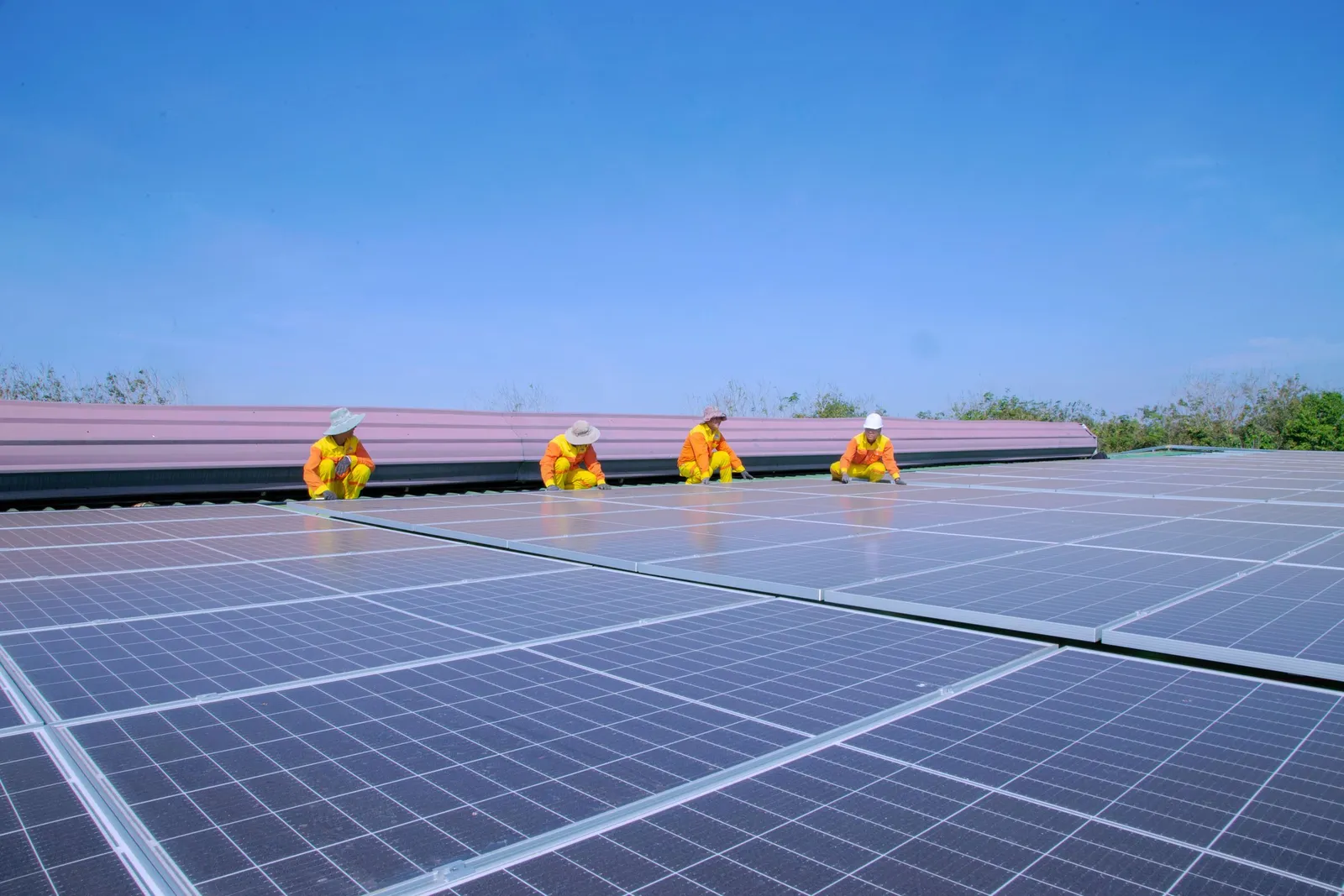
Rooftop and distributed solar puts generation on homes, factories, warehouses, campuses and car parks, cutting electricity bills and grid losses with no new land. BARREL supports rooftop projects from the first bill analysis and structural check through design, DISCOM approvals, installation, metering and safe, long-term operation, on CAPEX or RESCO models.
RRoof
Shadow-free area and structural strength
LLoad
When and how much power is used on site
MMetering
Net, gross or net billing with the DISCOM
- System size
- 1 kW–1 MW+
- Per kWp per day (India)
- 4–5 kWh
- Roof area per kWp
- 6–10 m²
- Module life
- 25+ yrs
- Typical C&I payback
- 3–6 yrs
Section 01
Rooftop & Distributed Solar — Overview
Distributed solar is generation connected at or near the point of use — on the consumer's side of the meter or on the local distribution network — rather than at a remote solar park. Most of it is on rooftops, but carports, canopies and building façades are growing.
Power generated on site first serves the building's own load; any surplus flows to the grid under the state's metering rules. Every unit used on site displaces a unit bought at the retail tariff, which is why rooftop solar pays back quickly for high-tariff consumers.
1.1Segments
| Segment | Typical size | Main driver |
|---|---|---|
| Residential | 1–10 kW | Lower monthly bill, central and state support |
| Housing societies / RWAs | 10–200 kW | Common-area loads, shared savings |
| Commercial (offices, malls, hospitals) | 50 kW–1 MW | High commercial tariff, daytime load |
| Industrial (factories, warehouses) | 100 kW–5 MW+ | Large roofs, high tariff, sustainability targets |
| Institutional and government | 10 kW–1 MW | Public buildings, schools, RESCO tenders |
1.2Why rooftop solar
01
No new land
Uses roofs, sheds and car parks that already exist.
02
Bill savings
Each self-consumed unit avoids the full retail tariff, including taxes and duties.
03
Lower losses
Generation at the load reduces transmission and distribution losses.
04
Quick to build
Most systems are installed in days to a few weeks once approvals are in place.
05
Cooler buildings
Panels shade the roof and can reduce heat gain in top floors and sheds.
06
Sustainability reporting
Measured on-site generation supports emissions and RE targets.
Section 02
Installation Types
The mounting follows the surface: flat concrete roofs, metal sheds, tiled homes, open car parks and building skins each need a different structure.
01
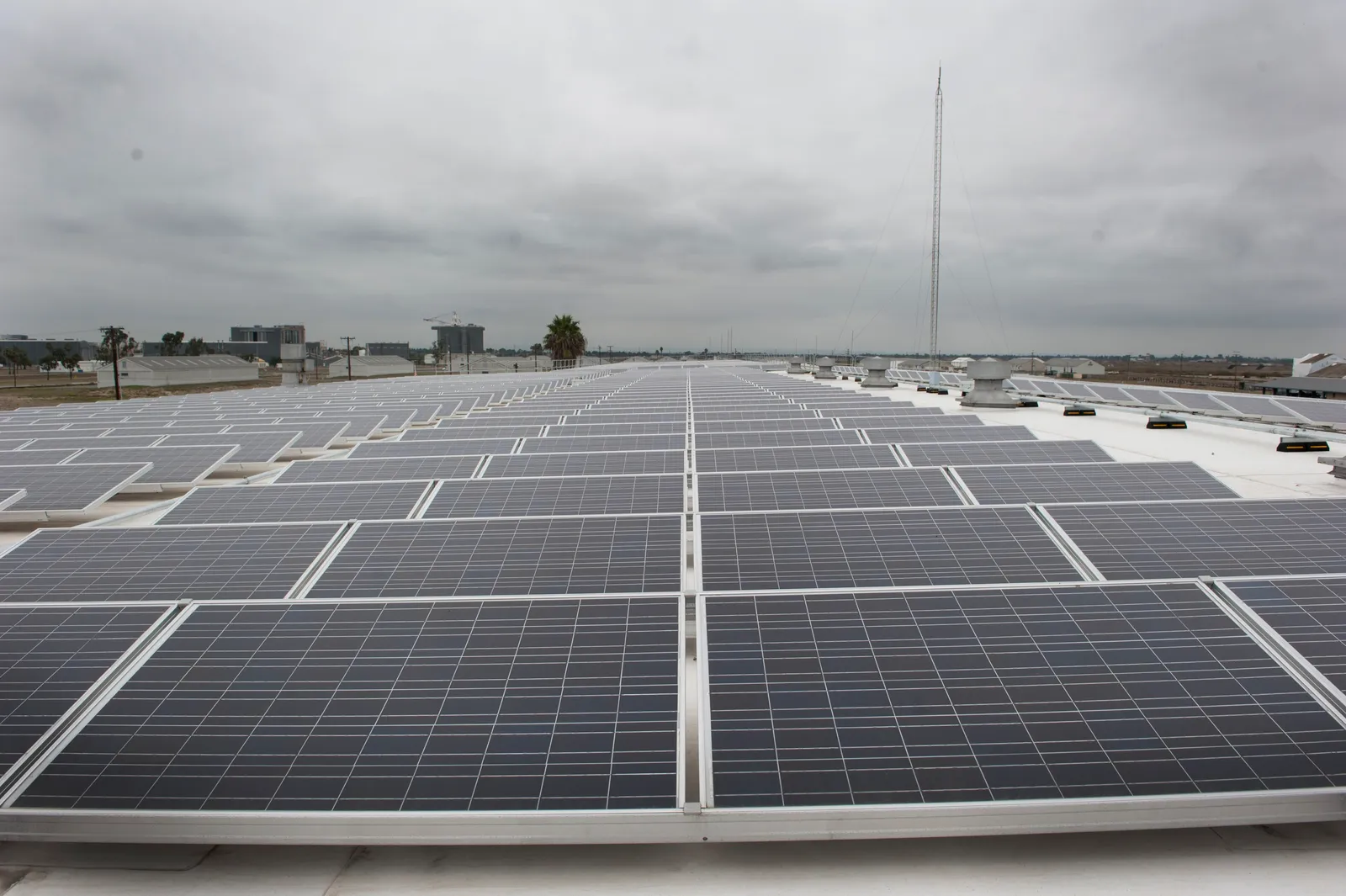
Elevated or ballastedFlat RCC roof
Galvanised or aluminium structures tilted near the site latitude, anchored or ballasted; elevated frames keep the roof usable beneath.
02
IndustrialMetal sheet roof
Low-profile rails clamped to standing-seam or trapezoidal sheets, following the roof slope; minimal added load.
03
ResidentialTiled or sloped roof
Hooks and rails under the tiles, panels flush with the slope.
04
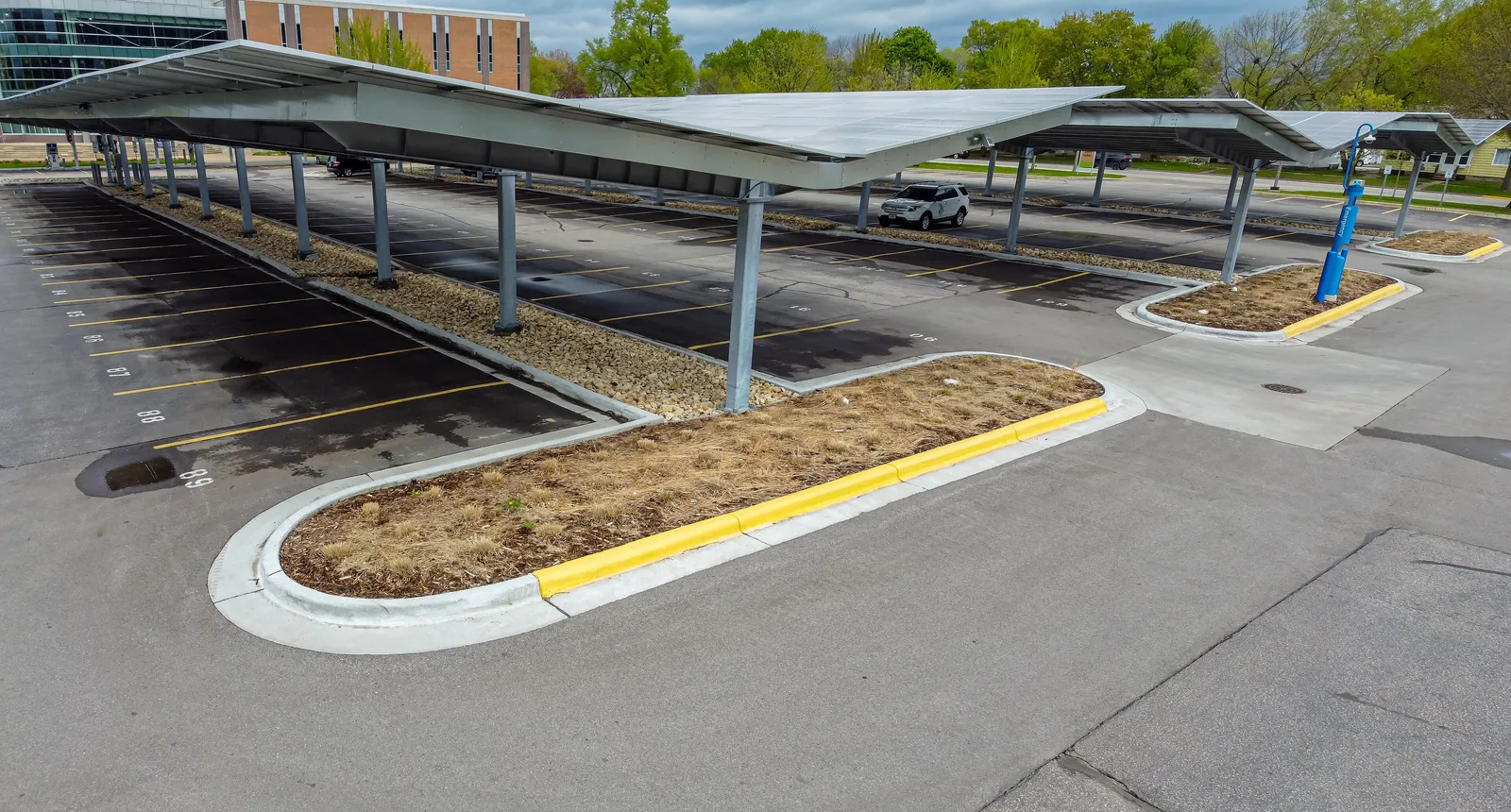
Car parksSolar carport
Steel canopies give shade and rain cover to vehicles and can host EV chargers below.
05
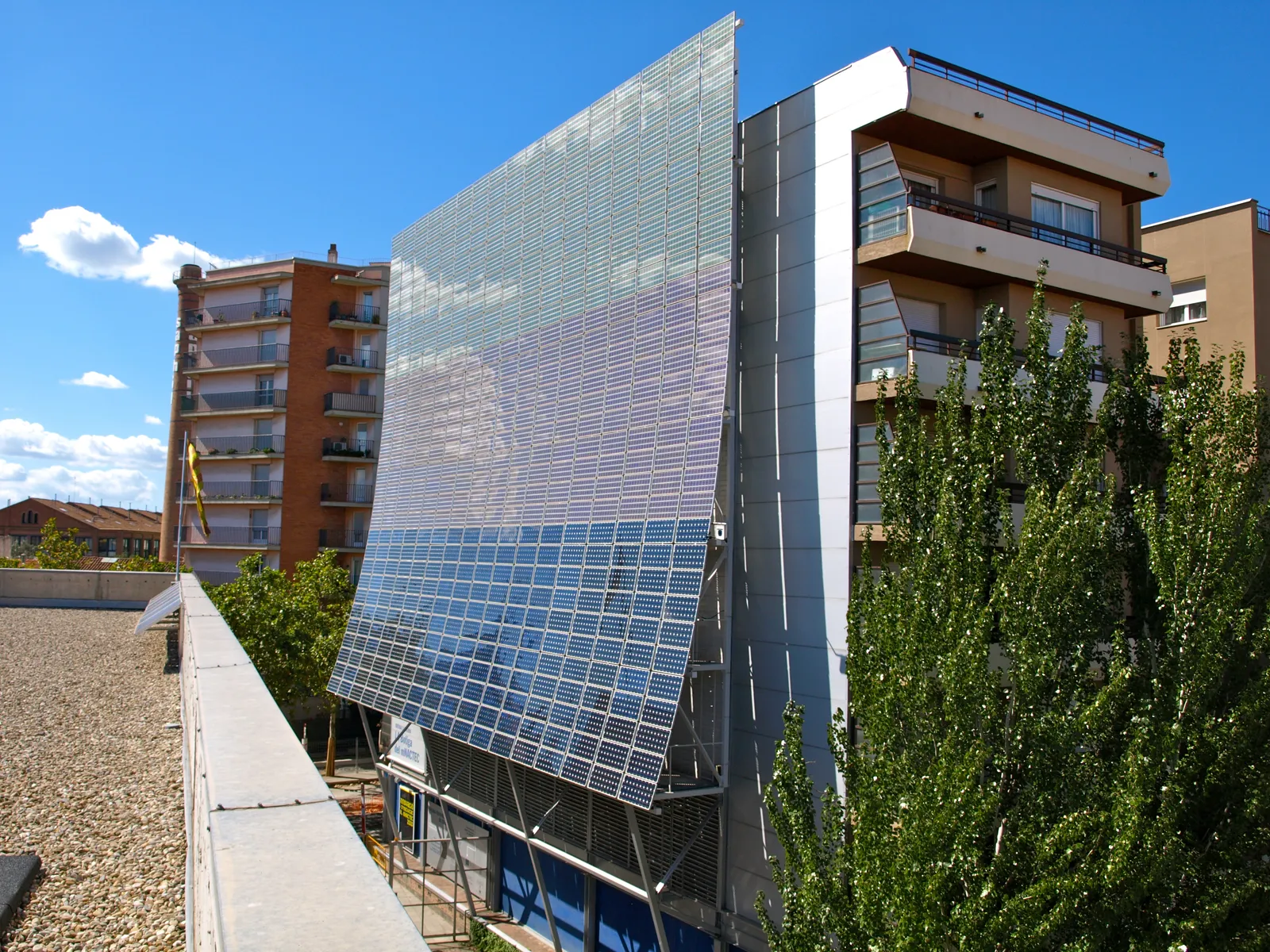
Building-integratedBIPV
Modules replace building materials — façades, skylights, balustrades or roof tiles — combining envelope and generation.
06
CampusesGround-mounted on premises
Small arrays on open land within a factory or institution, connected behind the same meter.
2.1Beyond the roof
Section 03
System Design and Energy Yield
A good rooftop design starts from the electricity bill, not the roof: size the system to the daytime load and the metering rules, then fit it to the shadow-free area.
3.1Annual energy from a rooftop system
Annual energy
E (kWh/yr) = P × PSH × PR × 365
Example (indicative): 100 kWp × 5.0 × 0.78 × 365 ≈ 1.42 lakh kWh per year
Peak sun hours are the daily solar irradiation on the panel plane in kWh/m², which equals hours at 1,000 W/m². Across most of India they lie between about 4.5 and 5.5. Performance ratio covers temperature, soiling, wiring, mismatch, inverter and availability losses.
| Symbol | Meaning |
|---|---|
| P | DC capacity of the array, kWp |
| PSH | Peak sun hours on the panel plane, h/day |
| PR | Performance ratio, typically 0.75–0.82 |
| 365 | Days per year |
3.2Design inputs
Energy and tariff
4- Twelve months of bills and sanctioned load
- Daytime load profile or interval meter data
- Tariff category and time-of-day rates
- Diesel generator use and backup needs
Site
4- Shadow analysis of parapets, tanks, towers and trees
- Roof orientation, tilt and usable area
- Walkways, fire setbacks and access
- Location of meter, main panel and cable route
Yields above are indicative screening values; a bankable estimate uses site irradiation data, a 3D shading model and simulation software.
Section 04
Structural and Site Checks
A rooftop system adds load and wind forces for 25 years. A qualified structural engineer should confirm that the roof, sheds and purlins can carry it before any design is fixed.
| Check | What is examined | Notes |
|---|---|---|
| Dead load | Weight of modules, structure and ballast | About 15–25 kg/m² for framed systems; more with ballast (indicative) |
| Wind load | Uplift and drag on panels and frames | Basic wind speed and terrain per IS 875 (Part 3) |
| Seismic | Lateral forces on elevated structures | Seismic zone per IS 1893 |
| Roof condition | Age, cracks, corrosion, leakage history | Repair or re-roof before installing |
| Waterproofing | Penetrations and anchor points | Sealed anchors or non-penetrating ballast on RCC roofs |
| Metal sheds | Purlin size, spacing and sheet gauge | Clamp types matched to the sheet profile |
| Corrosion | Coastal or industrial atmosphere | Hot-dip galvanising thickness or aluminium alloy choice |
Section 05
Modules, Inverters and Balance of System
Module and inverter choice decides output, monitoring and safety. Inverter topology is the main design decision on rooftops with mixed orientations or shading.
5.1Inverter types
| Type | Best for | Points to weigh |
|---|---|---|
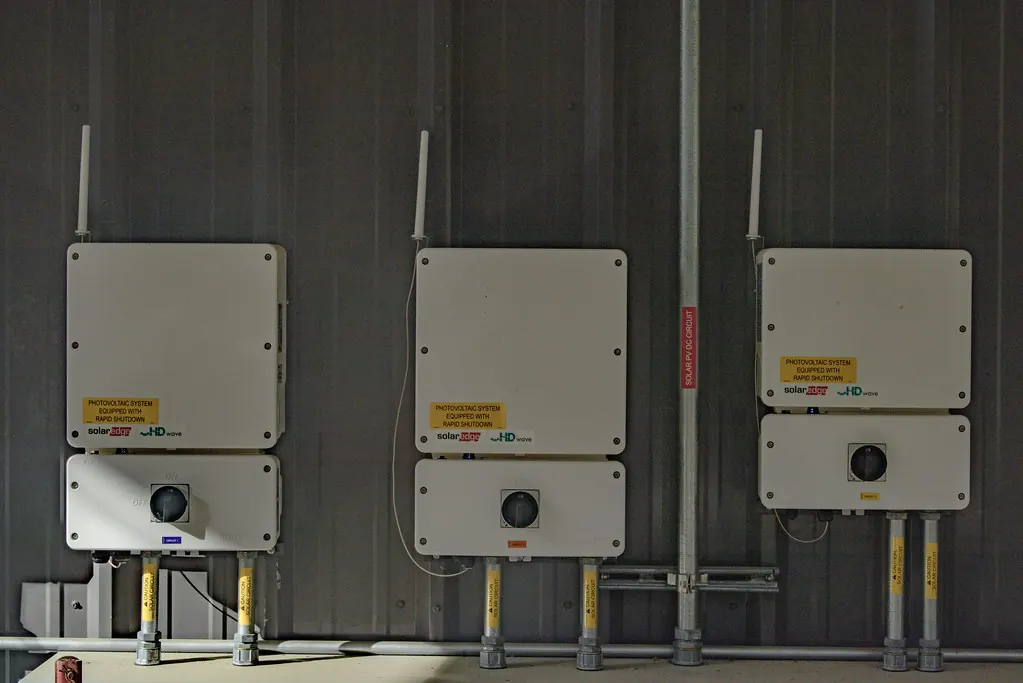
| String inverter | Homes to large C&I roofs with uniform arrays | Lowest cost per kW; several MPPT inputs for different roof faces |
| Microinverter | Small roofs with shading or many orientations | Module-level MPPT and monitoring; low DC voltage on the roof; higher cost |
| String + optimisers | Partly shaded roofs | Module-level tracking with a central inverter |
| Hybrid inverter | Sites wanting battery backup | Manages solar, battery and grid; can island during outages |
| Central inverter | Very large sheds or campuses | Few units, often for ground-mounted parts of a site |
5.2Balance of system
- Modules certified to IEC 61215 / IEC 61730 and BIS (IS 14286)
- Modules from the approved list (ALMM) where a scheme requires it
- Inverters to IEC 62109 and grid-protection standards
- DC cables to EN 50618 / IEC 62930
- Matched DC connectors from one maker
- DC and AC distribution boxes with isolators
- Surge protection devices on DC and AC sides
- Earthing and lightning protection
- Monitoring data logger and remote portal
- Optional battery for backup or peak shaving
Section 06
Metering Arrangements and Grid Connection
How the surplus is credited decides the right system size. Central rules set the framework; each state regulator sets limits, tariffs and procedures, which change from time to time.
01
Units offsetNet metering
A bidirectional meter records import and export; exported units offset imported units in the billing period, with any annual surplus settled at a set rate.
02
All units soldGross metering
All solar generation is exported and paid at a feed-in tariff; the building buys its own power at the normal tariff.
03
Value offsetNet billing / net feed-in
Imports are charged at the retail tariff and exports credited at a separate, usually lower, rate; the bill nets the two in money, not units.
04
Self-use onlyBehind-the-meter, zero export
The system serves the load and a controller prevents export, used where export is not allowed or not worthwhile.
05
SharedGroup and virtual net metering
Some states let one system credit several meters of the same owner, or members of a society.
6.1Grid-connection requirements (typical)
- Connectivity per CEA technical standards for distributed generation
- Anti-islanding protection that disconnects on grid failure
- Voltage, frequency and power-quality limits
- Bidirectional or solar meter tested by the DISCOM
- Capacity limits linked to sanctioned load and transformer loading
- Inspection before commissioning
Section 07
Government Schemes and Approvals
India supports residential rooftop solar through the PM Surya Ghar scheme, which gives central financial assistance for household systems up to a capped size through a national portal, with registered vendors and DISCOM inspection. Rates, eligibility and the domestic-content rule are set by the government and revised from time to time — always check the current terms.
- 1Bill and load review, site survey
- 2Design and quotation; choose metering arrangement
- 3Application on the DISCOM or national portal
- 4Technical feasibility check by the DISCOM
- 5Installation by the vendor
- 6Work-completion report and documents uploaded
- 7DISCOM inspection and meter installation
- 8Commissioning and synchronisation
- 9Subsidy release or tariff credit as applicable
Commercial and industrial consumers generally do not receive residential subsidies; for them the case rests on tariff savings, accelerated depreciation where available and green-energy obligations. Larger C&I systems may need electrical inspectorate approval.
Section 08
Electrical and Fire Safety
A rooftop array produces DC voltage whenever there is daylight and cannot simply be switched off at the panels. Safe design and installation protect occupants, firefighters and maintenance staff.
Electrical
5- Correct string voltage at the coldest temperature
- DC isolators near the inverter
- Surge protection on both sides
- Earthing per IS 3043; lightning protection per IEC 62305
- Never mix connector brands
Fire
5- Clear access paths and setbacks on the roof
- Cable routing in metal trays or conduits
- Arc-fault detection or module-level shutdown where specified
- Signage for firefighters at the main panel
- Fire-rated penetrations
Work at height
5- Lifelines and anchor points
- Guard rails or edge protection
- Safety harness and training
- Safe ladder and material lifting
- Permit-to-work for maintenance
Section 09
Installation and EPC Delivery
BARREL coordinates rooftop delivery from design to handover, using vetted installers and documented quality checks at every stage.
9.1Typical delivery (100 kW C&I, indicative)
- Survey & design 1–2 wk
- Approvals 2–6 wk
- Supply 2–4 wk
- Installation 2–3 wk
- Testing & DISCOM 1–3 wk
9.2Quality checks before handover
- Incoming inspection of modules and inverters
- Torque checks on clamps and anchors
- Insulation resistance and polarity tests
- String open-circuit voltage and current
- Earthing resistance measurement
- Thermal imaging under load
- Monitoring portal live and verified
- As-built drawings and O&M manual
Section 10
Operation and Maintenance
Dust is the largest avoidable loss on Indian rooftops. Regular cleaning and remote monitoring keep a system close to its design yield for 25 years.
- Module cleaning with soft water, frequency set by dust and season
- Daily remote monitoring of generation against expected yield
- Alerts for inverter faults and string under-performance
- Quarterly visual and thermal inspection
- Tightening of terminals and checking of connectors
- Earthing and surge device checks before monsoon
- Structure corrosion inspection
- Inverter servicing and firmware updates
- Warranty claims for modules and inverters
Use safe access for cleaning: no walking on modules, and no high-pressure jets or harsh chemicals that damage the anti-reflective coating.
Section 11
Finance and Commercial Models
Consumers can own the system outright or buy its power from a developer who owns it. The right model depends on cash, tax position and how long the roof will be available.
11.1Ownership models
| Model | Who invests | Consumer pays | Suits |
|---|---|---|---|
| CAPEX (owner) | Consumer | Upfront cost or a loan; then only O&M | Consumers with funds and tax benefits |
| RESCO / OPEX PPA | Developer | A fixed tariff per kWh for 15–25 years | Consumers who want savings without capital |
| Lease | Developer or lessor | Fixed monthly rent for the equipment | Predictable costs, simpler contracts |
| Loan-financed CAPEX | Consumer with bank finance | EMI out of bill savings | Homes and small businesses |
11.2Indicative figures (India)
| Item | Typical range (indicative) |
|---|---|
| Residential system cost | ₹50,000–70,000 per kW before subsidy |
| C&I system cost | ₹35,000–45,000 per kW |
| RESCO tariff | Usually well below the grid tariff, set by site and term |
| Simple payback (C&I, CAPEX) | 3–6 years |
Figures are indicative for early screening only and change with module prices, taxes and state rules; each site needs its own quotation and financial model.
Section 12
BARREL Services for Rooftop & Distributed Solar
One partner from the first bill review to decades of clean power, backed by BARREL's network of designers, manufacturers, installers and financiers.
- Bill and load analysis
- Site survey and shadow study
- Structural assessment coordination
- System design and yield simulation
- Metering and scheme guidance
- DISCOM application support
- Module, inverter and battery sourcing
- Installation and EPC coordination
- Testing and commissioning
- RESCO and finance facilitation
- O&M, cleaning and monitoring
- Performance audits of existing systems
Project desk
Put your roof to work with BARREL
From your electricity bill to clean power on site.
Planning solar on a home, a society, a factory, a campus or a car park, or looking for an installer, a RESCO partner or O&M for an existing system — tell us about the site and we will respond with the next steps.
Project categories
- Residential rooftop
- Housing society
- Commercial rooftop
- Industrial rooftop
- Solar carport
- BIPV