
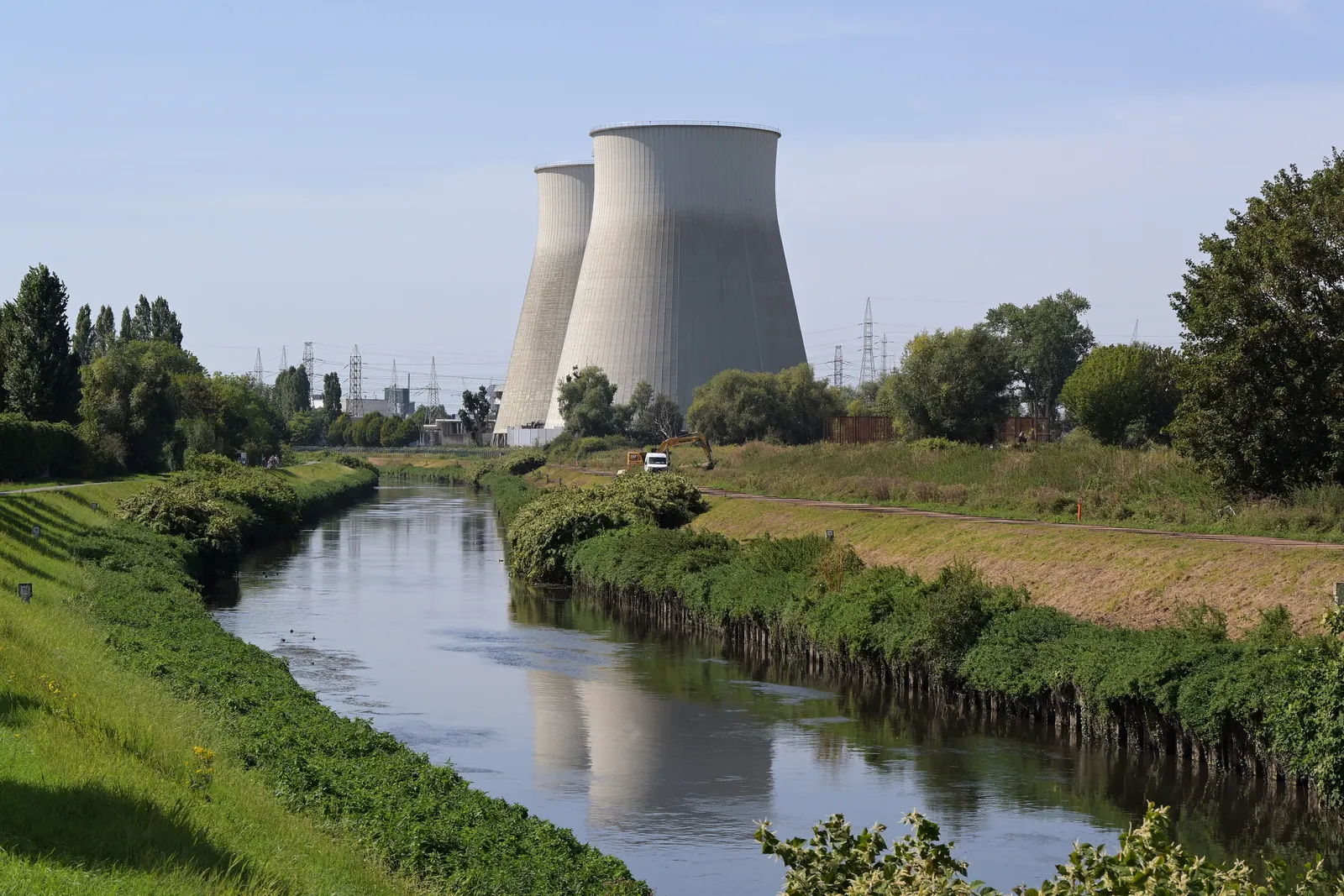
When the product is electricity, stored heat goes through a power cycle. Efficiency rises with temperature: ≈ 10–20 % for low-temperature ORC, ≈ 35–42 % for salt-fed steam cycles, higher targets for sCO₂.
The electricity-to-heat-to-electricity round trip is therefore well below battery round trips; the case depends on cheap charging, long durations and the value of firm power.
Key facts
- Steam Rankine
- ≈ 35–42 % at 540–565 °C
- ORC
- ≈ 10–20 % at 100–300 °C
- sCO₂
- Target ≥ 45 %
- Caution
- Conversion losses
Thermal storage power plant10
- Grid-connected charging system
- Electric heater or heat pump
- High-temperature storage medium
- Thermal insulation and containment
- Discharge heat exchanger
- Steam generation or alternative power cycle
- Turbine-generator system
- Condenser and cooling system
- Auxiliary electrical systems
- Grid synchronisation and protection
Power cycles5
- Steam Rankine Cycle — Proven utility-scale cycle; CSP and thermal plants
- Organic Rankine Cycle (ORC) — Lower-temperature heat, waste-heat and small units
- Supercritical CO₂ Brayton — Compact, high-efficiency cycle under development
- Closed-cycle gas turbines — High-temperature solid-media and air systems
- Other advanced cycles — Evaluated project by project
Commercial caution
Electricity-to-heat-to-electricity systems have significant conversion losses; compare with batteries, direct heat supply and demand flexibility.
Related calculators
Calculators are available to staff / admin only.
Related topics
- CSP StorageConcentrated solar power with molten-salt storage generates electricity for hours after sunset.
- Pumped ThermalA heat pump charges hot and cold reservoirs; a heat engine runs between them to give electricity back.
- Thermal BatteryIntegrated systems that turn electricity — often cheap renewable power — into stored high-temperature heat for steam, hot air or power.
- Molten SaltNitrate salts stored between ≈ 290 and 565 °C in hot and cold tanks deliver hours of dispatchable heat and power.
Project & partnership desk
Planning Heat-to-Power?
Tell us your heat demand, site and timeline — BARREL engineers, suppliers and partners will help you scope it.