
- Future energy. Intelligent infrastructure.
- Technology umbrella
- Research → deployment
Emerging New Energy Technologies
Powering the next generation of energy infrastructure.
Discover, develop and deploy the technologies reshaping power systems — next-generation storage and smart grids, AI-enabled infrastructure, grid-forming power electronics, hydrogen and Power-to-X, carbon management and frontier research — each shown at its real maturity.
Research · Technology · Engineering · Manufacturing · Projects · Investment · Digital Intelligence
- Technology verticals
- 12
- Battery chemistries tracked
- 18
- Maturity shown for every area
- TRL 1–9
- Proposed business divisions
- 20
- Questions answered
- 20
Section 01
The next era of energy
Conventional energy infrastructure is becoming an interconnected system of intelligent, flexible, decentralised and increasingly automated assets. This page is BARREL's gateway to the technologies changing how energy is generated, stored, converted, transmitted, distributed, traded and consumed — those near commercial deployment and those that may matter over the next 10–25 years.
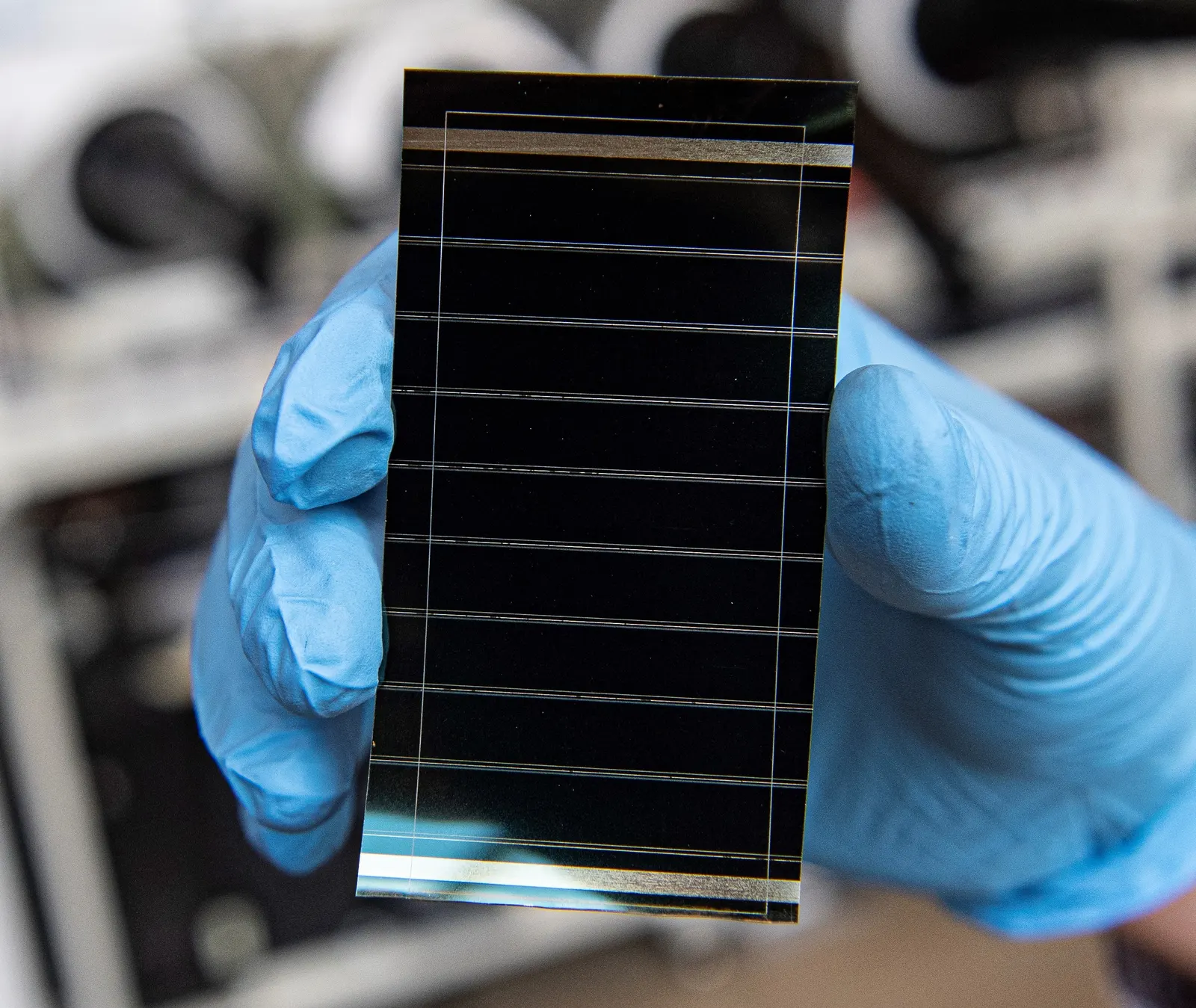
The International Energy Agency's recent innovation reviews point to sodium-ion batteries, perovskite solar, fusion and next-generation geothermal, and name grid-forming inverters, solid-state transformers and long-duration storage as important for future grid resilience.
1What the next generation combines
- Advanced energy storage and long-duration storage
- AI, machine learning and autonomous energy management
- Smart grids, digital substations and grid-enhancing technologies
- Advanced power electronics and grid-forming inverters
- Next-generation renewable and low-carbon generation
- Hydrogen, ammonia, synthetic fuels and alternative carriers
- Small modular reactors and fusion research
- Advanced geothermal, ocean energy and other emerging generation
- Carbon capture, utilisation and storage
- Virtual power plants, distributed resources and peer-to-peer energy
- Intelligent electric mobility and vehicle-to-grid
- Advanced materials, manufacturing, sensors, robotics and automation
2The emerging energy technology ecosystem
Twelve connected verticals rather than a list of unrelated innovations. Each card opens its tab.
- V01
Advanced Energy Storage
New battery chemistries, mechanical, thermal and chemical storage
- V02
Intelligent Power Grids
Smart grids, grid automation, grid-forming systems and digital substations
- V03
AI & Energy Intelligence
Forecasting, optimisation, digital twins and autonomous operations
- V04
Next-Generation Generation
Advanced solar, geothermal, ocean energy, fusion and advanced nuclear
- V05
Hydrogen & Alternative Fuels
Hydrogen, ammonia, e-fuels and synthetic energy carriers
- V06
Advanced Power Conversion
Solid-state transformers, power electronics and high-efficiency converters
- V07
Carbon Management
Carbon capture, utilisation, storage and low-carbon industrial systems
- V08
Distributed Energy Systems
Microgrids, virtual power plants and distributed generation
- V09
Intelligent Energy Mobility
Vehicle-to-grid, vehicle-to-building and smart charging
- V10
Advanced Materials & Manufacturing
New conductors, superconductors, semiconductors and energy materials
- V11
Industrial Energy Innovation
Electrification, waste heat recovery and advanced thermal systems
- V12
Future Energy Research
Experimental, demonstration-stage and frontier energy technologies
34How BARREL is organised for emerging technologies
Three layers of capability feed one commercial ecosystem, which delivers integrated projects.
Technology
Research, innovation, materials and readiness
Engineering
Design, integration, projects and manufacturing
Intelligence
AI, digital twins, software and optimisation
BARREL commercial ecosystem
OEMs · Suppliers · Partners · EPC · Trade · Finance · Investment · O&M
Integrated energy projects and infrastructure
From concept and technology selection to commissioning and lifecycle management
BARREL approach
The right technology for the right application — never a technology promoted regardless of its maturity, safety, cost or performance.
Section 02
Advanced energy storage technologies
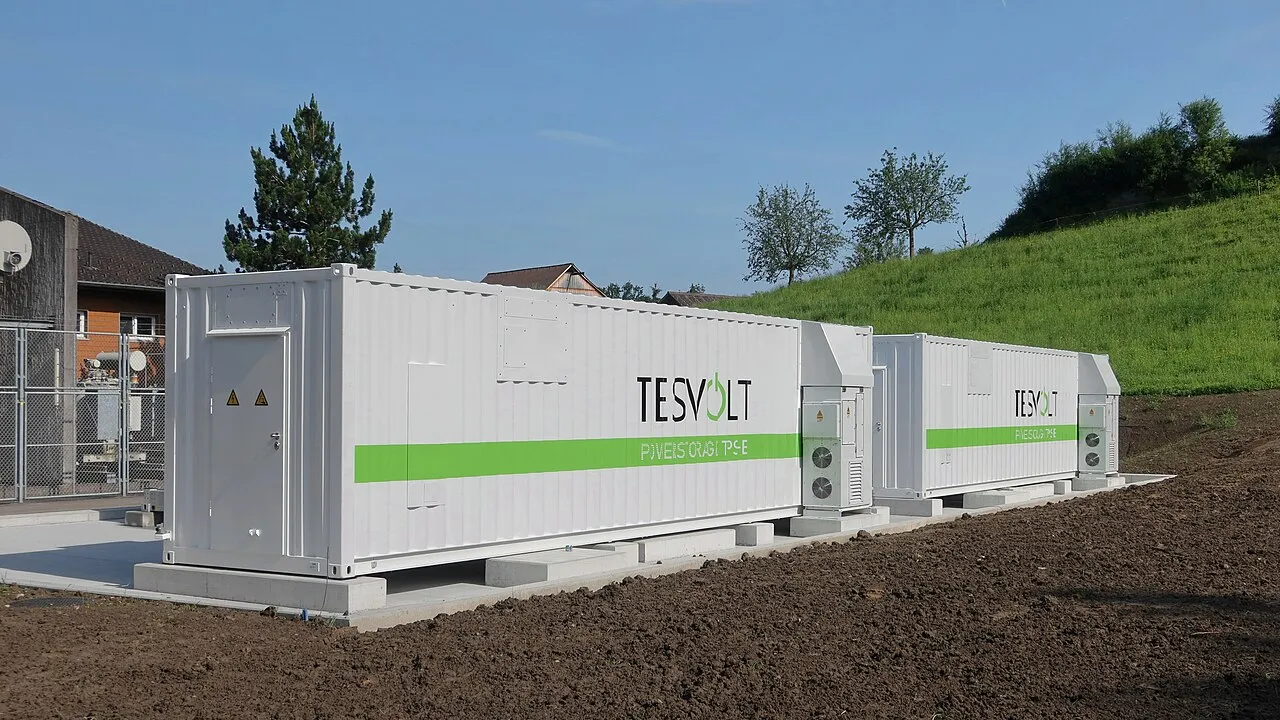
Storage manages renewable variability, peak demand, frequency response, congestion, arbitrage, backup supply and resilience. BARREL covers the whole storage lifecycle.
Storage lifecycle
- 1Technology assessment
- 2Feasibility
- 3System sizing
- 4Engineering
- 5Manufacturing partnerships
- 6Procurement
- 7Integration
- 8EPC coordination
- 9Commissioning
- 10O&M
3.1Advanced electrochemical batteries — 18 chemistries
Maturity labels are BARREL's indicative reading of public evidence in 2026; they change as projects prove out.
Lithium Iron Phosphate (LFP)
CommercialStationary storage, renewable integration and industrial BESS
Lithium Nickel Manganese Cobalt (NMC)
CommercialHigh-energy-density applications
Lithium Titanate (LTO)
CommercialHigh-power, fast-charge and high-cycle applications
Sodium-ion
Early commercialAlternative chemistry with potential for stationary storage and selected mobility uses
Solid-state
PilotAdvanced architecture using solid electrolytes
Semi-solid-state
Early commercialTransitional architectures between liquid and solid-state systems
Lithium-sulphur
PilotPotential high-specific-energy applications
Lithium-metal
PilotAdvanced high-energy-density battery research
Zinc-based
Early commercialStationary and long-duration storage applications
Zinc-air
DemonstrationMetal-air storage with potential for longer durations
Iron-air
DemonstrationLong-duration stationary storage
Iron-flow
Early commercialLong-duration electrochemical storage
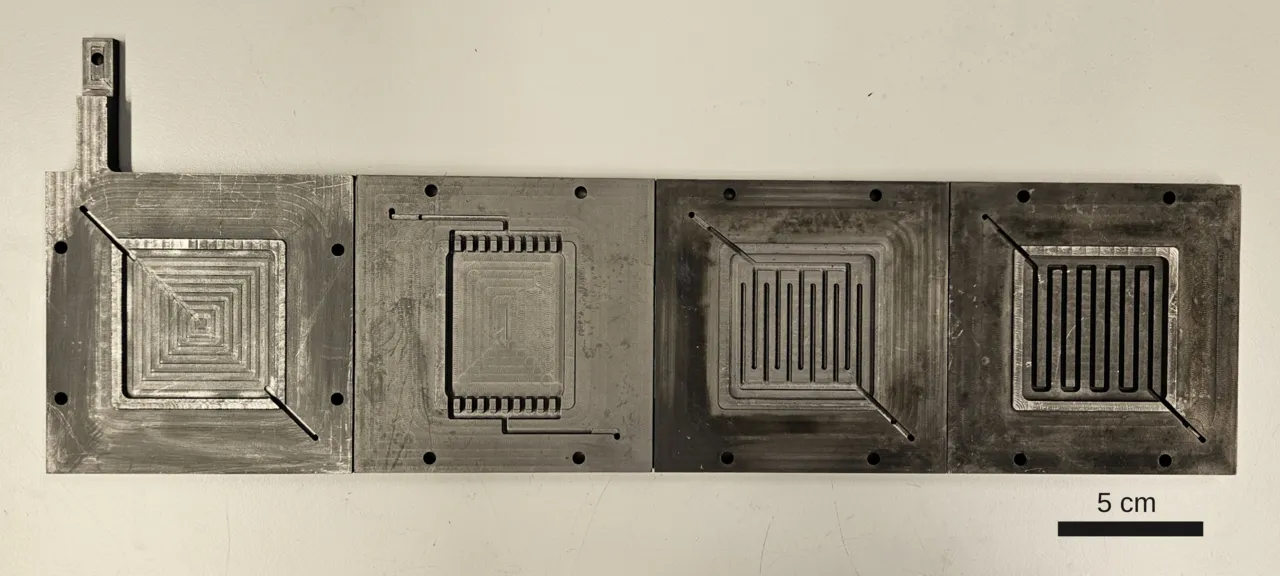
Vanadium redox flow
CommercialScalable power and energy capacity for stationary storage
Organic flow
DemonstrationAlternative flow-battery chemistries
Aluminium-ion
ResearchEmerging electrochemical storage research
Magnesium-based
ResearchAdvanced battery research
Calcium-based
ResearchEmerging alternative battery chemistry
Potassium-ion
ResearchResearch into alternative ion-based systems
BARREL battery business opportunities
9- Battery technology sourcing and evaluation
- Cell, module, rack and containerised BESS procurement
- Battery manufacturing and assembly partnerships
- Battery energy storage project development
- BESS integration with solar, wind, hydro and grid substations
- Battery management systems (BMS)
- Battery safety, thermal management and fire protection
- Battery testing, diagnostics and lifecycle assessment
- Recycling, second-life use and material recovery
3.4 Mechanical and other storage
9- Flywheel energy storage
- Superconducting magnetic energy storage (SMES)
- Supercapacitors and ultracapacitors
- Gravity-based storage
- Hydraulic storage
- Compressed gas storage
- Battery–supercapacitor hybrids
- Battery–flywheel hybrids
- Battery–pumped hydro hybrids
3.5Battery intelligence and storage software
- Battery sizing and configuration
- Energy capacity and power rating selection
- Charge–discharge optimisation
- State of Charge (SoC) and State of Health (SoH) analytics
- Degradation and warranty modelling
- Thermal runaway risk monitoring
- Lifecycle and replacement forecasting
- Revenue stacking and market participation
- Energy arbitrage and demand-charge optimisation
- Renewable and storage co-optimisation
- Recycling and second-life assessment
Safety is designed in, not added
Section 03
Long-duration, thermal and mechanical storage
Long-duration storage discharges for extended periods — where seasonal swings, multi-day weather or long outages cannot be met economically by short-duration batteries alone.
Which storage for which duration
- Supercapacitors / SMESseconds
- Flywheelsseconds–minutes
- Lithium-ion BESStypically 1–4 h
- Sodium-ion / zincemerging
- Flow batteriesvanadium, iron, organic
- Thermal storagemolten salt, solid media
- Compressed / liquid airCAES, LAES
- Pumped hydrocommercial at GWh scale
- Iron-airmulti-day, demonstration
- Hydrogen (incl. underground)days to seasons
3.2Long-duration energy storage (LDES)
| Technology | Operating principle |
|---|---|
| Pumped hydro energy storage | Pumps water to an elevated reservoir and generates on the way down |
| Compressed air energy storage | Stores energy as compressed air in suitable caverns or vessels |
| Liquid air energy storage | Uses liquefied air as the storage medium |
| Advanced adiabatic CAES | Keeps the heat of compression in thermal storage and reuses it |
| Iron-air batteries | Reversible oxidation and reduction (rusting) of iron |
| Flow batteries | Energy held in liquid electrolytes in external tanks |
| Hydrogen storage | Converts electricity into hydrogen for later use |
| Underground hydrogen storage | Hydrogen held in suitable geological formations |
| Thermal energy storage | Stores energy as heat or cold |
| Gravity energy storage | Lifts and lowers heavy masses |
| Rail-based gravity storage | Moves heavy rail cars up and down a slope |
| CO₂ energy storage | Carbon dioxide in a closed thermodynamic storage cycle |
| Subsurface thermal storage | Heat stored underground for later recovery |
| Hybrid storage | Several technologies combined for different duties |
3.3Thermal energy storage
Shifts consumption, decouples generation from demand, improves industrial efficiency and supports power generation.
- Molten salt storage
- Sensible heat storage
- Latent heat storage
- Phase change materials (PCM)
- Thermochemical storage
- High-temperature solid-media storage
- Ceramic and refractory thermal batteries
- Sand and rock thermal storage
- Steam accumulators
- Hot water storage
- Chilled water and ice storage
- Underground thermal energy storage (UTES)
- Borehole thermal energy storage (BTES)
- Aquifer thermal energy storage (ATES)
- Seasonal heat storage
- Industrial waste-heat storage and recovery
Applications
- Industrial furnaces
- Cement
- Steel
- Chemicals
- Food processing
- District heating
- Concentrated solar power
- Data centres
- Thermal power stations
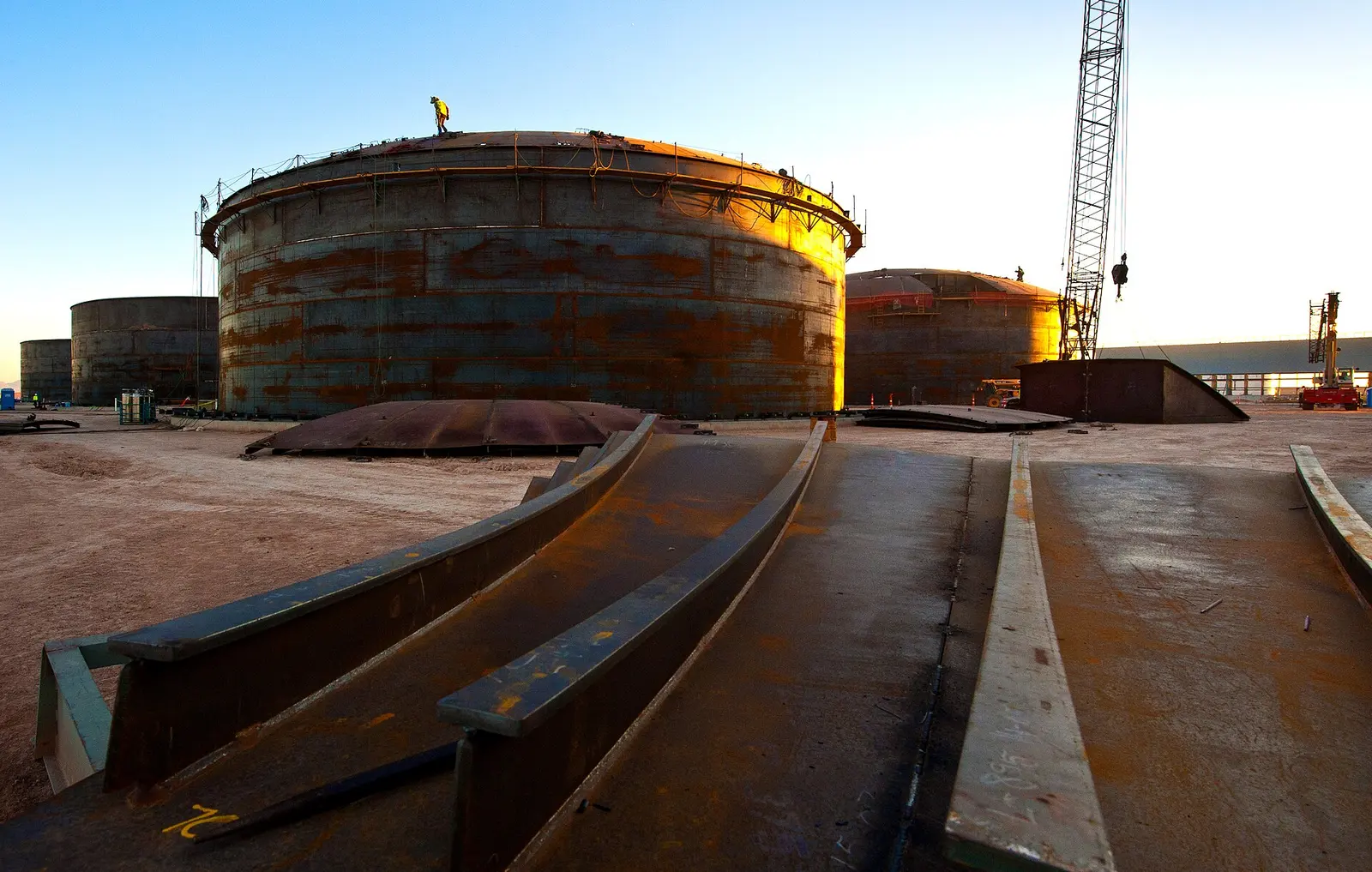
Storage sizing and levelised cost estimator
Change any value; presets fill typical figures. The first preset reproduces the worked example below.
- Usable energy
- 400.0 MWh
- Nameplate energy
- 444.4 MWh
- at 90 % usable depth
- Installed cost
- ₹ 355.6 crore
- ₹ 3.56 crore per MW
- Energy delivered over life
- 1,725.4 GWh
- end-of-life capacity 75 %
- Levelised cost of storage
- ₹ 7.97 / kWh
- discharged energy
- Charging energy share
- 43 %
- of LCOS
Screening estimate. No augmentation, replacements, taxes, financing structure, grid charges or residual value. Prices are your inputs — the defaults are round illustrative numbers, not quotes. Bankable figures come from a project-specific model with OEM warranties.
Worked example — LFP battery, 100 MW × 4 h, one cycle a day
Energy
E = 100 MW × 4 h = 400 MWh usable ÷ 0.90 DoD = 444 MWh nameplate
Installed cost (illustrative input)
444,444 kWh × ₹ 8,000 ≈ ₹ 356 crore
Delivered over 15 years
400 × 330 × Σ 0.98^(y−1) ≈ 1,725 GWh
LCOS at 10 %, charging ₹ 3 / kWh, RTE 87 %
3.93 + 0.60 + 3.45 ≈ ₹ 7.97 / kWh
≈ ₹ 7.97
LCOS per kWh discharged
≈ ₹ 3.93
of which capital
≈ ₹ 3.45
of which charging energy
≈ 75 %
Capacity left in year 15
Capital ₹ 3.93, O&M ₹ 0.60 and charging ₹ 3.45 per discounted kWh. The ₹ 8,000 / kWh cost is a round illustrative input, not a market quote.
Section 04
Smart grids and next-generation power infrastructure
The future grid must carry distributed generation, large storage, electric vehicles, data centres, industrial electrification and highly variable renewables. The IEA treats digitalisation, grid-enhancing technologies and AI as complementary tools for using, planning and operating networks better.
4.1Grid-enhancing technologies (GETs)
Get more out of existing lines and substations before — or while — new ones are built.
- Dynamic line rating (DLR)
- Dynamic transformer rating (DTR)
- Advanced power flow control (APFC)
- Topology optimisation
- Real-time contingency analysis
- Automated congestion management
- Storage as a transmission asset
- Advanced reconductoring
- High-temperature low-sag conductors
- Composite-core conductors
- Voltage uprating
- Wide area monitoring systems (WAMS)
- Phasor measurement units (PMUs)
- Synchrophasor grid monitoring
- Advanced reactive power management
4.4 Digital substations and intelligent grid systems
13- IEC 61850 substation automation
- Process bus and digital instrument transformers
- Intelligent electronic devices (IEDs)
- Digital protection relays
- Remote terminal units (RTUs)
- Substation automation systems (SAS)
- SCADA and energy management systems
- Advanced distribution management (ADMS)
- Distribution management systems (DMS)
- Outage management systems (OMS)
- Wide area monitoring, protection and control (WAMPAC)
- Digital substations and digital twins
- Remote asset monitoring and predictive maintenance
4.5 Advanced grid technologies
12- Flexible AC transmission systems (FACTS)
- STATCOM and SVC
- Series and shunt compensation
- Advanced synchronous condensers
- Superconducting power cables
- High-temperature superconducting systems
- Multi-terminal HVDC
- Multi-infeed HVDC
- Hybrid AC / DC transmission
- Medium-voltage DC distribution
- Low-voltage DC microgrids
- Advanced earthing and fault-current management
BARREL opportunity
Dynamic line rating, reconductoring and storage-as-transmission can release capacity on congested corridors in months, while new lines take years.
Section 05
Grid-forming inverters and advanced power electronics
As inverter-connected generation and storage replace spinning machines, power electronics must provide the voltage, inertia and fault support the grid used to get from synchronous generators.
4.2Grid-forming and advanced inverter technologies
- Grid-forming inverters
- Grid-following inverters
- Virtual synchronous machines
- Virtual oscillator control
- Inertia emulation
- Synthetic inertia
- Black-start-capable inverters
- Renewable plant grid-support systems
- Advanced BESS power conversion systems
- Hybrid AC / DC grid interfaces
- Inverter-based resource stability controls
Grid-following and grid-forming compared
| Grid-following (GFL) | Grid-forming (GFM) | |
|---|---|---|
| Behaves like | A controlled current source | A controlled voltage source behind an impedance |
| Needs a strong grid? | Yes — locks on to an existing voltage (PLL) | No — can set voltage and frequency itself |
| Inertia and fault response | Limited, through added controls | Fast inertial and voltage response, within current limits |
| Black start / islanding | Not on its own | Possible where designed and approved |
| Typical today | Most solar and wind inverters | New BESS projects, weak-grid and island systems |
Design and operation must be validated through grid studies, protection coordination and the utility's connection requirements.
4.3Advanced power electronics and solid-state transformers
- Solid-state transformers
- Modular multilevel converters
- Voltage source converters
- High-voltage DC converters
- Silicon carbide (SiC) power modules
- Gallium nitride (GaN) power devices
- Advanced IGBT systems
- High-efficiency rectifiers and inverters
- Active front-end converters
- High-frequency power conversion
- Solid-state circuit breakers
- DC circuit breakers
- Advanced motor drives
- Wide-bandgap semiconductor applications
Why wide-bandgap matters
Silicon carbide and gallium nitride devices switch faster and run hotter with lower losses than silicon — smaller, more efficient inverters, chargers, rectifiers and, in time, solid-state transformers.
Section 06
Artificial intelligence and intelligent energy infrastructure
BARREL positions AI as an intelligence layer connecting energy assets, project information, engineering calculations, commercial systems and real-time operating data — not as a software feature.
5.1AI across the energy value chain
| Application | AI-enabled capability |
|---|---|
| Energy forecasting | Predict demand, generation, consumption and prices |
| Renewable forecasting | Solar irradiance, wind speed and generation prediction |
| Load forecasting | Short-, medium- and long-term demand |
| Grid operations | Congestion, voltage and network optimisation |
| Predictive maintenance | Find asset deterioration and probable failures early |
| Power plant operations | Optimise performance and availability |
| Battery management | Predict degradation and optimise dispatch |
| Project engineering | Assist with calculations, design reviews and specifications |
| Project management | Track schedules, resources, risks and costs |
| Procurement | Supplier evaluation, quotation comparison, procurement intelligence |
| Commercial management | Cost estimation, financial modelling and contract analysis |
| Energy trading | Market analytics, forecasting and risk monitoring |
| Safety management | Detect unsafe conditions and operational risks |
| Asset management | Lifecycle analytics and maintenance planning |
5.2 AI-powered engineering
13- AI-assisted electrical design
- Single-line diagram interpretation
- Substation layout review
- Transmission route analysis
- Cable sizing assistance
- Transformer specification assistance
- Protection coordination support
- Load-flow and short-circuit study assistance
- Bill of quantities support
- Technical specification comparison
- Drawing and document review
- Engineering change management
- Design compliance checking
Engineering outputs stay subject to qualified professional review, verified inputs, applicable codes and approved design procedures.
5.3 AI-powered energy operations
12- Autonomous energy management
- Predictive load balancing
- Renewable generation optimisation
- Battery dispatch optimisation
- Microgrid control assistance
- Real-time equipment health monitoring
- Fault detection and classification
- Power quality analytics
- Outage prediction
- Restoration decision support
- Energy consumption optimisation
- Industrial energy efficiency
5.4Agentic AI — fifteen illustrative BARREL agents
Specialised agents coordinate connected tasks under defined permissions and human oversight.
- 01Energy Research Agent
- 02Project Feasibility Agent
- 03Electrical Engineering Agent
- 04Civil Engineering Agent
- 05Mechanical Engineering Agent
- 06Procurement Intelligence Agent
- 07Supplier Evaluation Agent
- 08Tender Analysis Agent
- 09BOQ & Costing Agent
- 10Project Scheduling Agent
- 11Finance & Investment Agent
- 12Regulatory Research Agent
- 13Quality & Inspection Agent
- 14O&M Intelligence Agent
- 15Energy Market Intelligence Agent
People approve what matters
Section 07
Digital twins
A digital twin is a digital representation of a physical asset, system or process, connected to its engineering and operating information.

Five layers of a useful twin
- 01
Physical asset
Equipment, sensors, meters and controllers in the field.
- 02
Data layer
Live telemetry, SCADA, historian, inspection and maintenance records.
- 03
Engineering model
3D model, single-line diagram, ratings, drawings and as-built data.
- 04
Analytics & simulation
Condition monitoring, performance simulation, what-if studies.
- 05
Decisions
Maintenance planning, operating set-points and lifecycle choices — by people.
5.5Assets BARREL can build or integrate twins for
- Power plants
- Solar parks
- Wind farms
- Hydropower plants
- Pumped storage projects
- Battery storage facilities
- Electrical substations
- Transmission networks
- Distribution networks
- Industrial plants
- Microgrids
- Data centres
- Energy parks and integrated infrastructure
Capabilities can include 3D visualisation, live telemetry, engineering data integration, condition monitoring, performance simulation, maintenance planning and lifecycle management.
Section 08
Virtual power plants and distributed energy resources
A virtual power plant coordinates many distributed resources through software and controls so they operate as one aggregated portfolio.
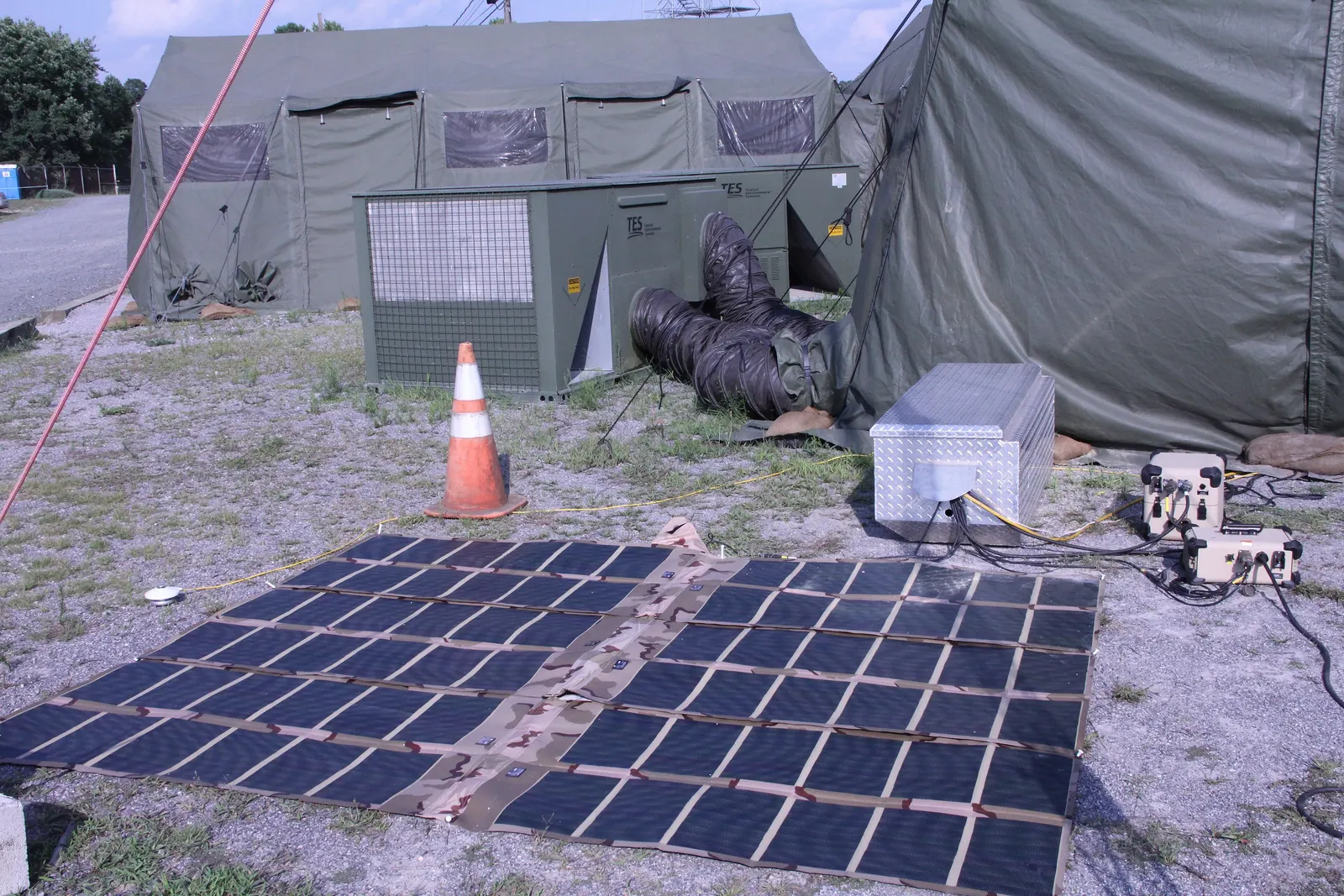
How a VPP works
Swipe sideways to see the full diagram. Conceptual architecture. Which services an aggregated portfolio may offer depends on market rules and the grid code.
6.1 Distributed energy resources
12- Rooftop solar
- Commercial and industrial solar
- Small wind
- Battery storage
- EV charging infrastructure
- Vehicle-to-grid resources
- Flexible industrial loads
- Demand response
- Distributed generators
- Small hydro
- Thermal storage
- Community energy systems
6.2 VPP technologies
10- DER aggregation platforms
- Distributed energy resource management systems (DERMS)
- Aggregator control systems
- Forecasting and optimisation software
- Real-time dispatch
- Automated demand response
- Market bidding and settlement
- Smart metering integration
- Distributed asset monitoring
- Customer participation platforms
6.3 Business opportunities
9- VPP project development
- DER aggregation
- C&I energy management
- Battery aggregation
- Renewable portfolio optimisation
- Demand response services
- Energy flexibility services
- Grid ancillary services, where market rules permit
- Energy trading and settlement support
Section 09
Advanced renewable and next-generation generation
Solar, wind, geothermal and ocean technologies that widen where and how clean power can be produced.
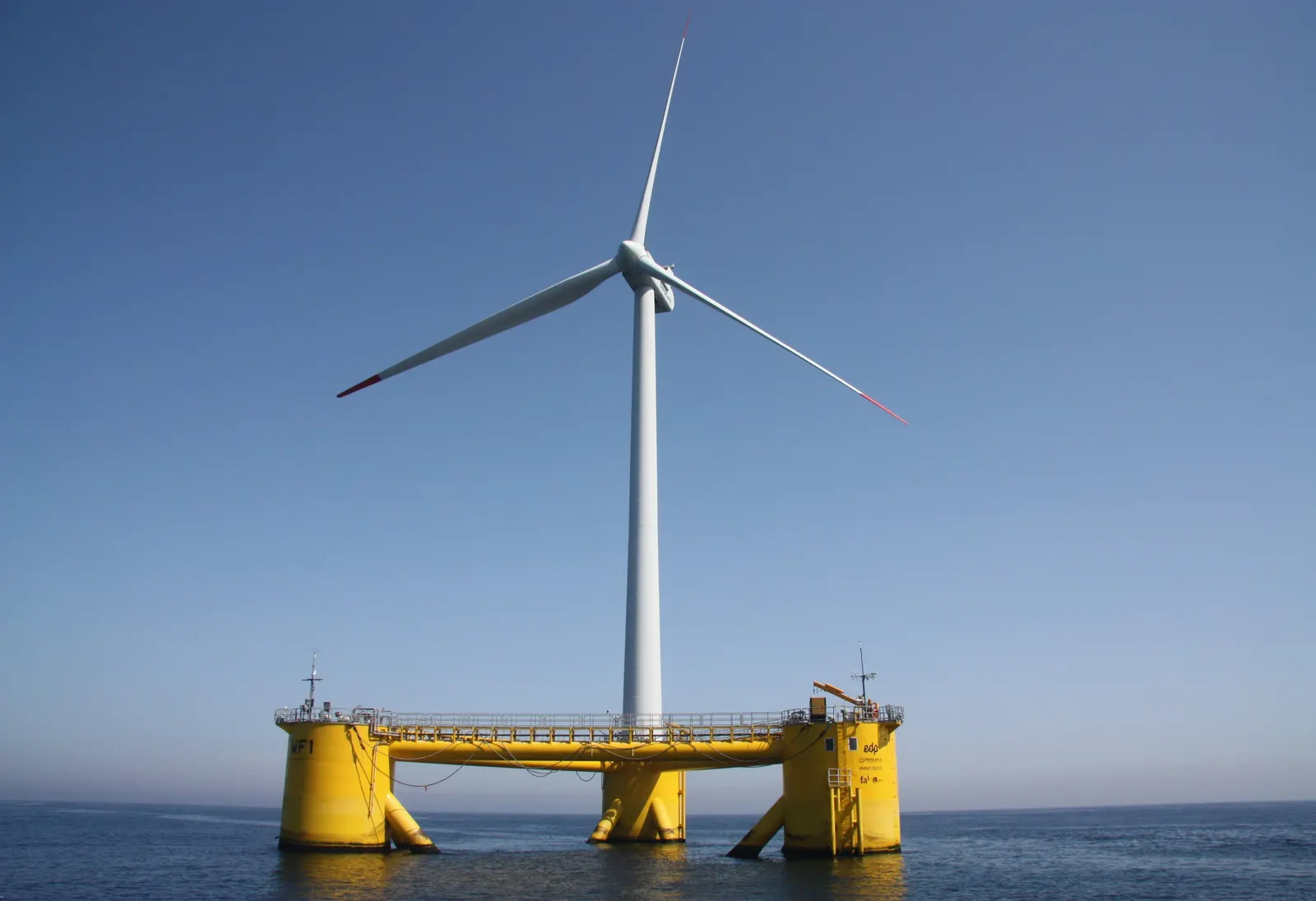
7.1Next-generation solar
14- Perovskite solar cells
- Perovskite–silicon tandem cells
- Multi-junction cells
- Organic photovoltaics
- Quantum dot cells
- Concentrator photovoltaics
- Building-integrated PV (BIPV)
- Vehicle-integrated PV
- Floating solar with advanced anchoring
- Agrivoltaics
- Transparent solar
- Space-based solar power research
- Advanced solar thermal
- Solar-to-hydrogen integration
7.2Advanced wind
10- Floating offshore wind
- Deep-water offshore wind
- Vertical-axis turbines
- Airborne wind energy
- Advanced blade materials
- High-altitude wind
- Integrated wind–storage
- Offshore wind hydrogen
- Hybrid offshore energy platforms
- Turbine recycling and material recovery
7.3Advanced geothermal
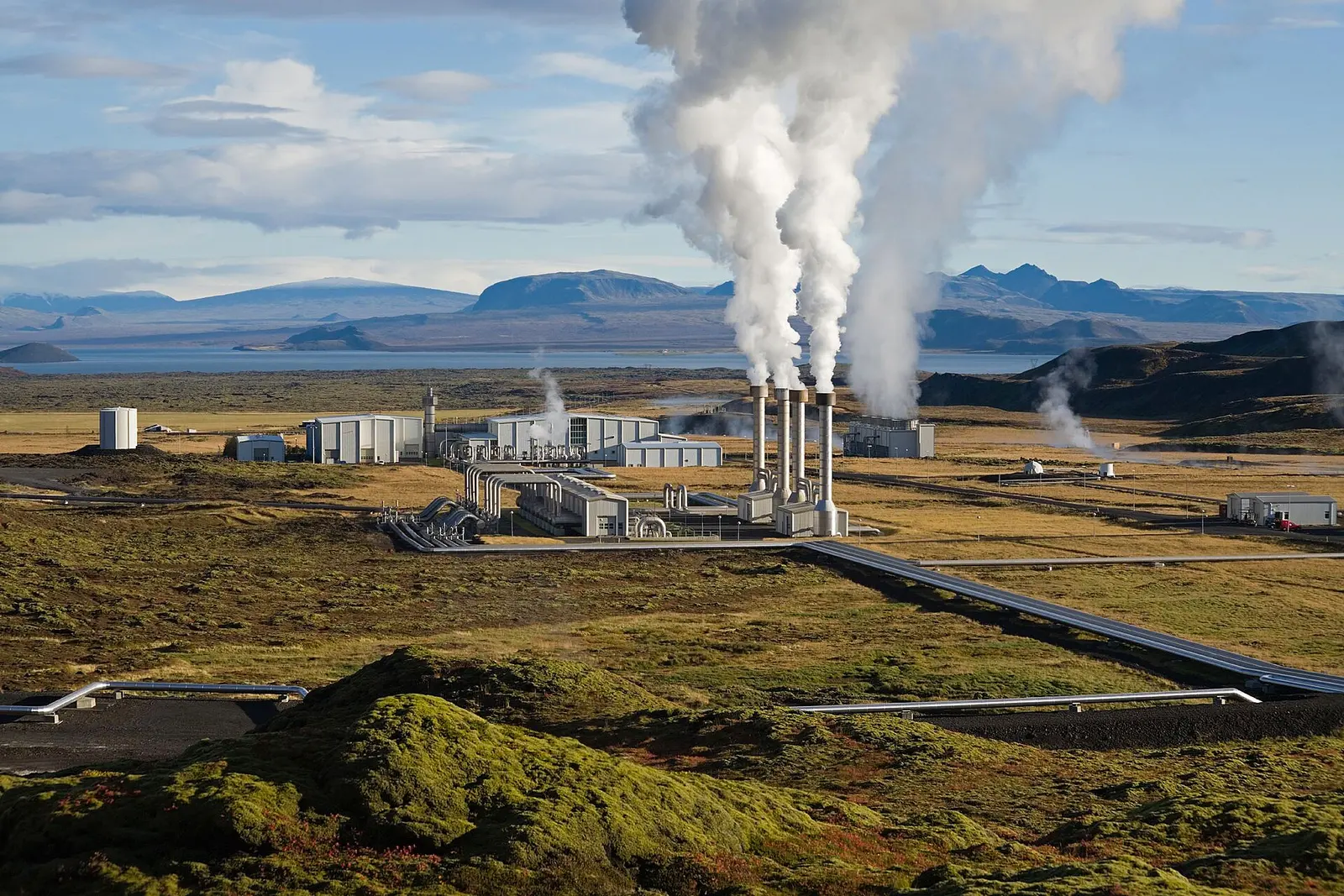
9- Enhanced geothermal systems (EGS)
- Advanced geothermal systems
- Closed-loop geothermal
- Superhot rock geothermal
- Deep geothermal drilling
- Advanced drilling technologies
- Geothermal heat and power cogeneration
- Geothermal lithium extraction
- Geothermal storage integration
7.4Ocean and marine energy
9- Tidal stream
- Tidal range
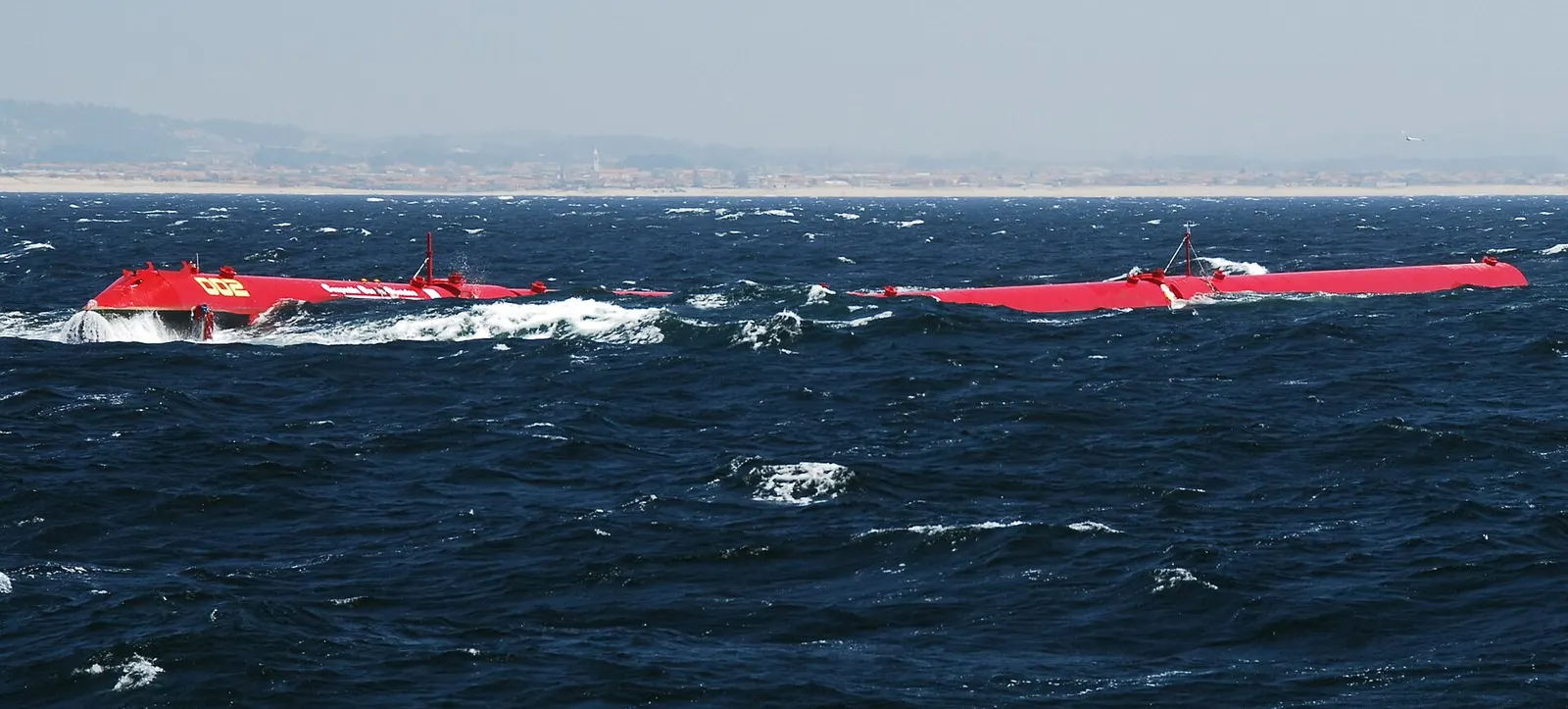
- Wave energy converters
- Ocean thermal energy conversion (OTEC)
- Salinity gradient energy
- Marine current turbines
- Offshore floating solar
- Integrated offshore wind, solar and storage
- Ocean energy and hydrogen platforms
Section 10
Advanced nuclear technologies and fusion research
Small modular and advanced reactors promise firm low-carbon power and industrial heat; fusion remains research and demonstration.
7.5Technology coverage
- Small modular reactors (SMRs)
- Microreactors
- Advanced pressurised water reactors
- High-temperature gas-cooled reactors
- Molten salt reactors
- Sodium-cooled fast reactors
- Lead-cooled fast reactors
- Micro modular reactors
- Advanced nuclear fuels
- Nuclear heat for industry
- Nuclear–renewable hybrid systems
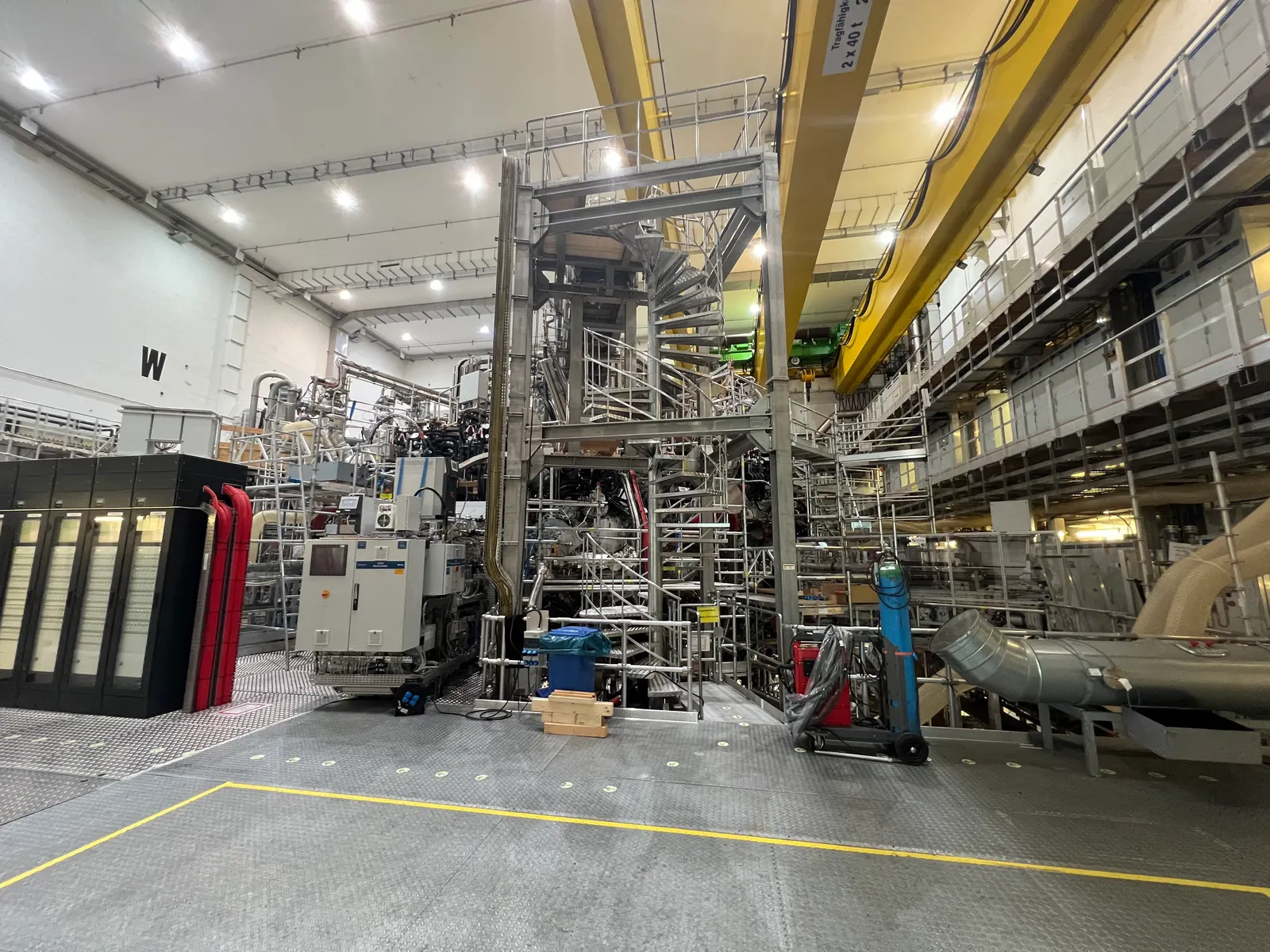
- Fusion research and enabling technologies
Only lawful, qualified and authorised partnerships
Section 11
Hydrogen, ammonia and Power-to-X
This vertical complements BARREL's dedicated Green Hydrogen & Allied Products sector page, which carries the full engineering detail.
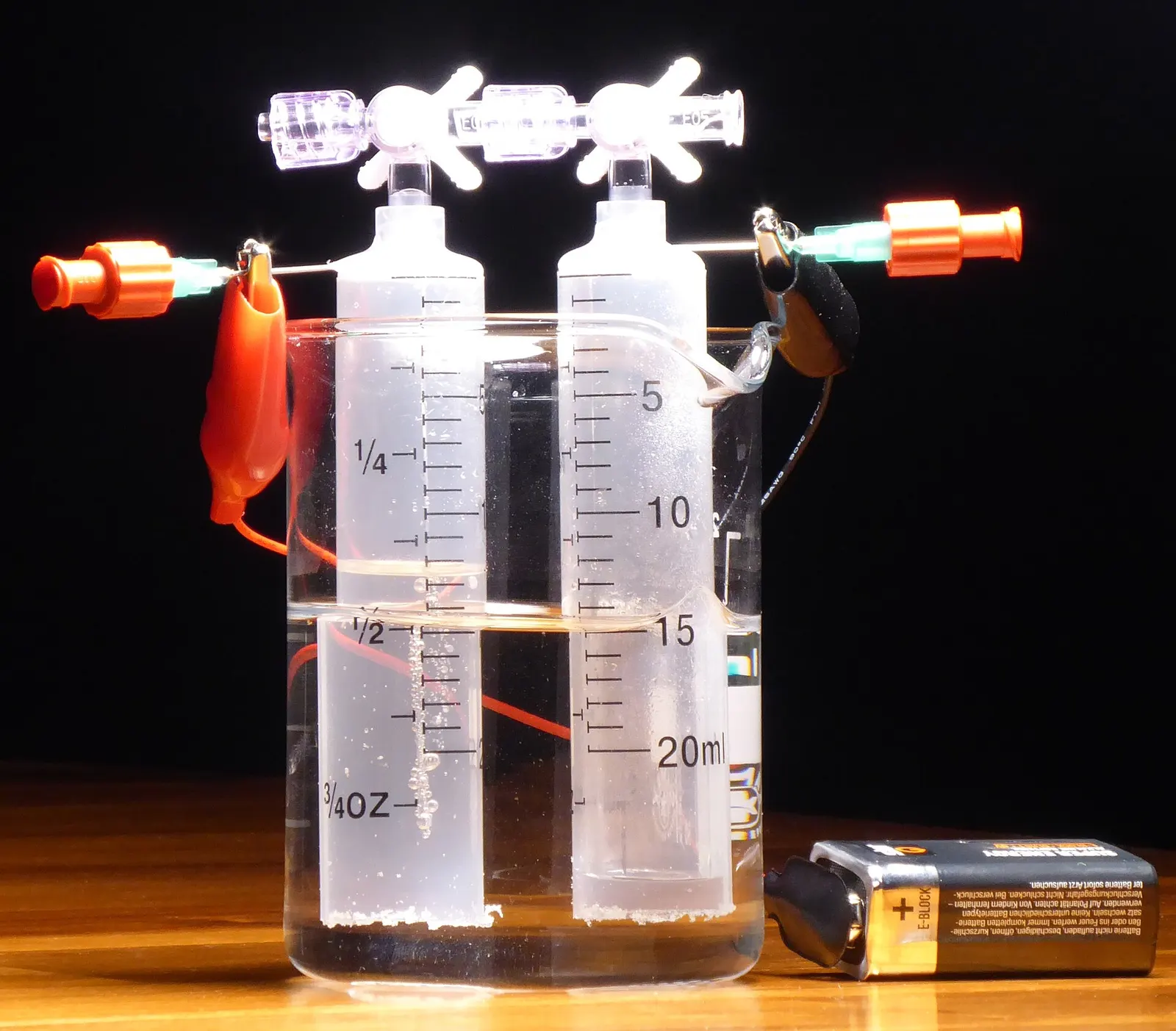
8Hydrogen and energy-carrier technologies
- PEM electrolysers
- Alkaline electrolysers
- Solid oxide electrolysers
- AEM electrolysers
- High-temperature electrolysis
- Compression and liquefaction
- Hydrogen storage tanks
- Underground hydrogen storage
- Pipelines and transport
- Fuel cells
- Green ammonia
- Blue and low-carbon hydrogen
- Green methanol
- E-methanol
- Synthetic aviation fuels
- Synthetic diesel and e-fuels
- Blending and industrial use
- Hydrogen-to-power
- Ammonia cracking and hydrogen recovery
- Hydrogen-fired industrial heat
10Power-to-X — electricity into molecules, heat and materials
Conversion pathways
12- Power-to-Hydrogen
- Power-to-Ammonia
- Power-to-Methanol
- Power-to-Methane
- Power-to-Liquid fuels
- Power-to-Heat
- Power-to-Steam
- Power-to-Chemicals
- Power-to-Synthetic aviation fuel
- Power-to-Industrial feedstock
- Renewable electricity to industrial hydrogen
- Integrated renewable power and chemical production
Equipment and infrastructure
12- Electrolysers
- Rectifiers and power converters
- Hydrogen compressors
- Gas purification
- Reactors and synthesis loops
- Heat exchangers
- Cooling systems
- Storage tanks
- Pumps and process equipment
- Instrumentation and control
- Safety and gas detection
- Utility and electrical infrastructure
Section 12
Carbon capture, utilisation and storage
For emissions from industrial processes and energy systems where direct electrification or other reductions are difficult.
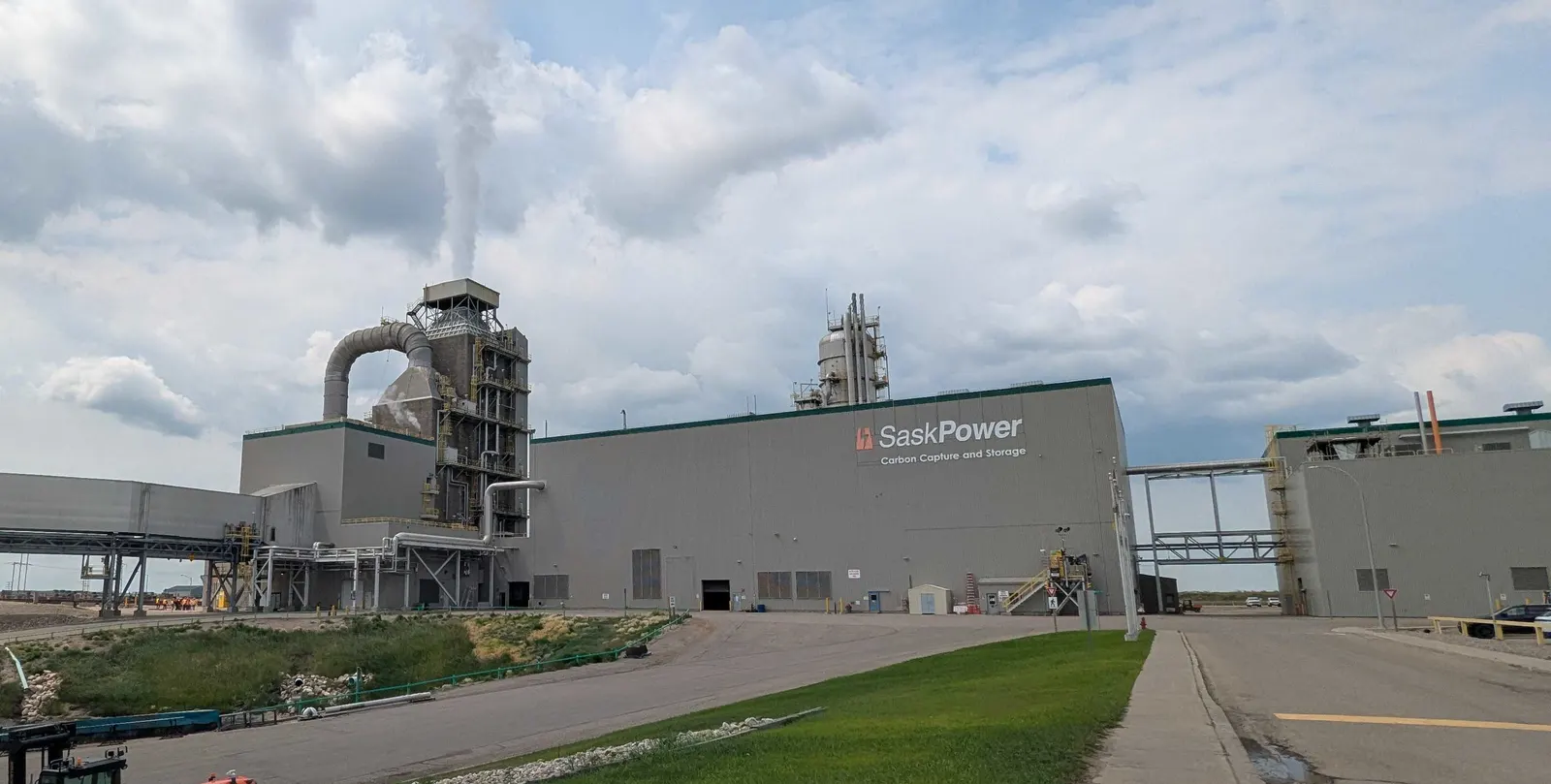
The CCUS chain
- 1Emission source
- 2Capture
- 3Compression & dehydration
- 4Transport (pipe / ship)
- 5Utilisation or injection
- 6Storage & monitoring
- 7MRV
9Technology categories
- Carbon capture, utilisation and storage (CCUS)
- Post-combustion capture
- Pre-combustion capture
- Oxy-fuel combustion
- Direct air capture (DAC)
- Bioenergy with CCS (BECCS)
- Carbon mineralisation
- Enhanced weathering
- CO₂ compression and dehydration
- CO₂ pipelines
- CO₂ shipping and transport
- Geological CO₂ storage
- CO₂ utilisation for chemicals and materials
- CO₂-based synthetic fuels
- Capture for cement and steel
- Measurement, reporting and verification (MRV)
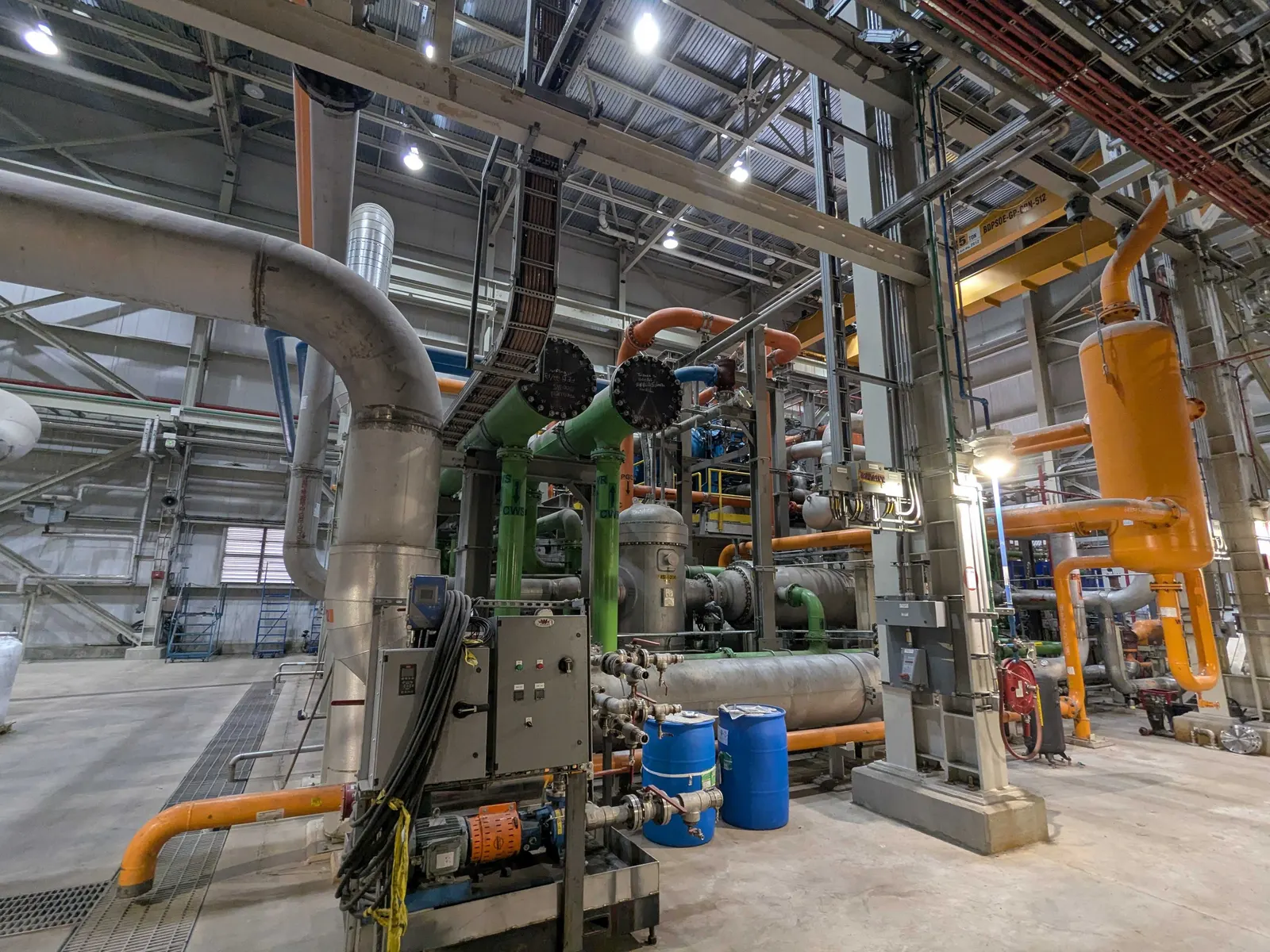
BARREL opportunity
Feasibility, power and utility infrastructure, engineering coordination, equipment sourcing, industrial integration and project partnerships.
Removal claims need proof
Section 13
Advanced energy efficiency and industrial electrification
Electric heat, efficient drives and waste-heat recovery cut fuel use and emissions in the industries that use the most energy.
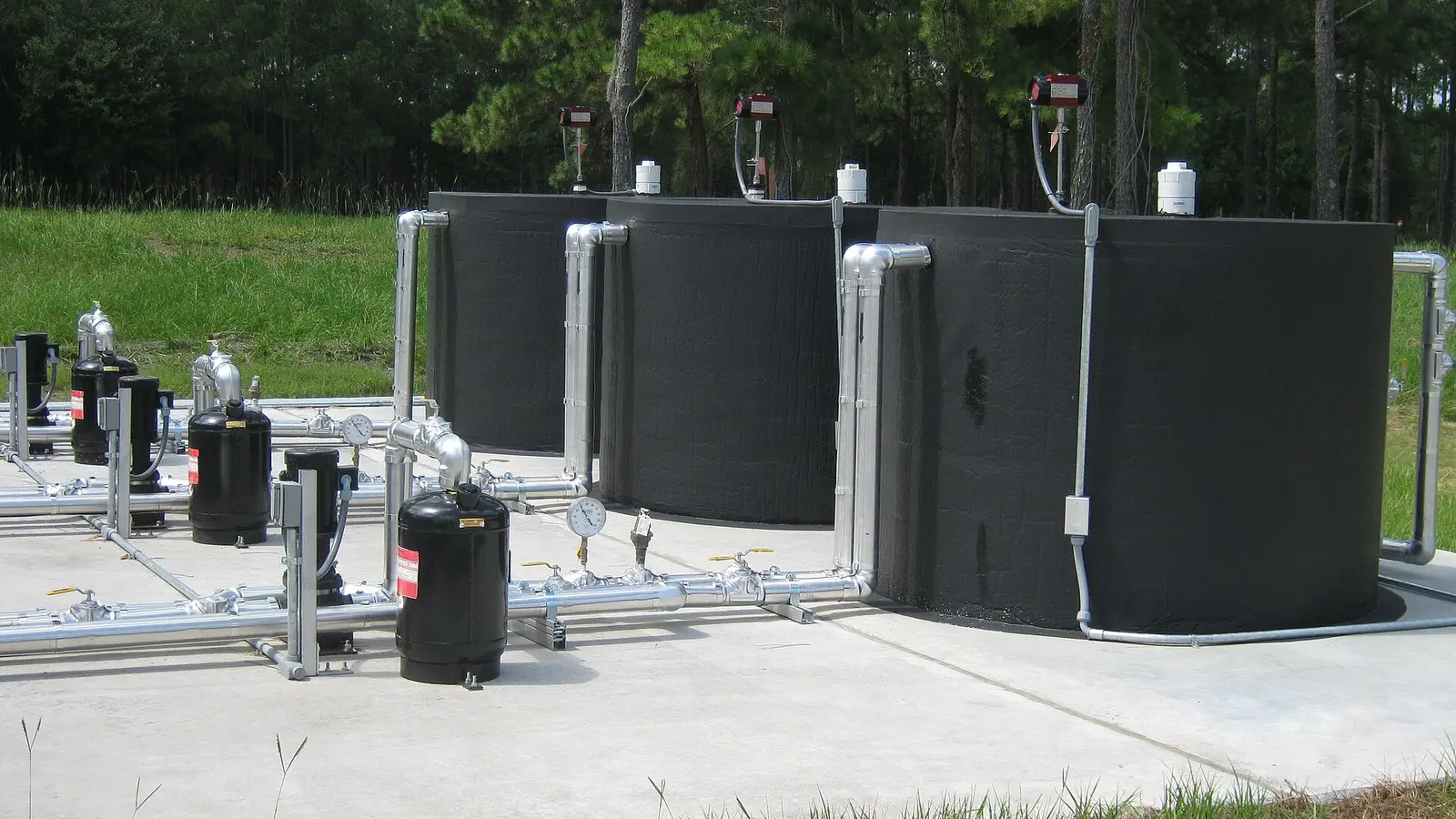
How hot can electricity go?
- Industrial heat pumps≈ 150 °C
- High-temperature heat pumps≈ 200 °C
- Electric / electrode boilers (steam)≈ 350 °C
- Thermal batteries (solid media)≈ 1,000 °C
- Induction / resistance furnaces≈ 1,600 °C
- Electric arc / plasma≈ 3,000 °C
11Technology categories
- Industrial heat pumps
- High-temperature heat pumps
- Industrial electrification
- Electric boilers
- Electrode boilers
- Electric furnaces
- Induction heating
- Microwave heating
- Plasma heating
- Waste heat recovery
- Organic Rankine cycle (ORC)
- Supercritical CO₂ power cycles
- Advanced steam cycles
- High-efficiency motors
- Variable frequency drives
- Advanced power factor correction
- Efficient compressed air systems
- Industrial energy management
- District heating and cooling
- Advanced refrigeration and cooling
- Thermal process optimisation
Target industries
- Steel and metals
- Cement
- Chemicals and petrochemicals
- Fertilisers
- Textiles
- Food processing
- Pharmaceuticals
- Paper and pulp
- Mining and minerals
- Glass and ceramics
- Data centres
- Cold storage and logistics
Section 14
Intelligent electric mobility and vehicle-to-grid
Electric vehicles become flexible loads — and, with bidirectional charging and the right commercial arrangements, mobile storage.
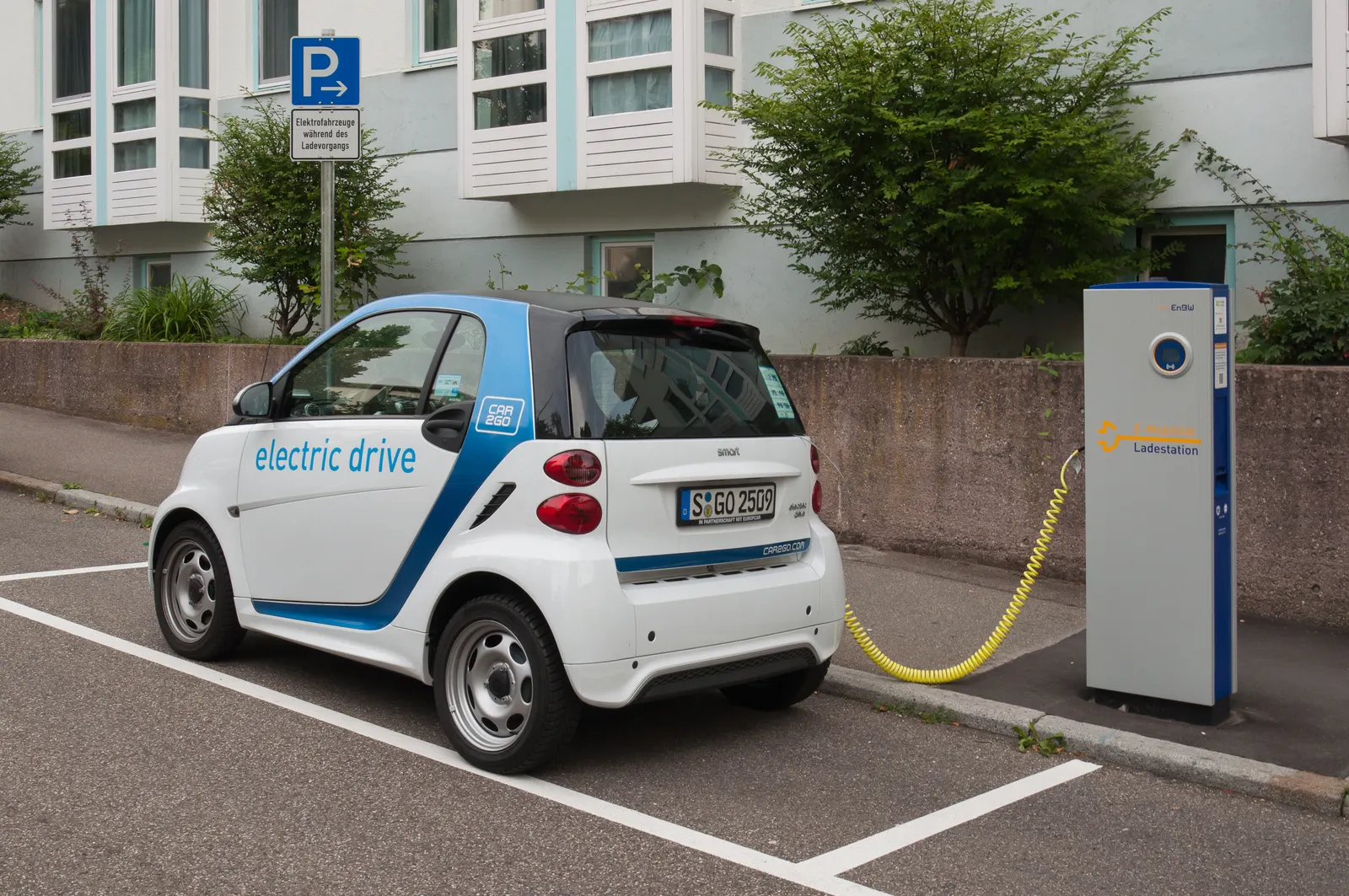
12Technology categories
- Vehicle-to-grid (V2G)
- Vehicle-to-home (V2H)
- Vehicle-to-building (V2B)
- Vehicle-to-everything (V2X)
- Smart charging
- Bidirectional charging
- Megawatt charging systems (MCS)
- Battery swapping
- Wireless charging
- Dynamic wireless charging
- Heavy-duty EV infrastructure
- Electric bus depots
- Electric truck charging corridors
- Fleet energy management
- EV battery second-life storage
- Integrated EV charging with solar and storage
Charging classes at a glance
| Charging class | Typical power | Typical use |
|---|---|---|
| AC slow / home | 3–22 kW | Homes, offices, overnight fleets |
| DC fast | 50–150 kW | Highways, city hubs, taxis |
| DC ultra-fast | 150–400 kW | Corridors, premium hubs |
| Megawatt (MCS) | ≈ 1 MW and above | Heavy trucks, buses, mining vehicles |
| Bidirectional (V2X) | Depends on vehicle and charger | V2H, V2B and V2G under commercial and grid rules |
Indicative ranges. Connector standards, grid connection and V2G permissions depend on the vehicle, the charger and the distribution utility.
Section 15
Advanced materials and future energy manufacturing
Materials improve conversion efficiency, cut losses, raise reliability and make new technologies possible.
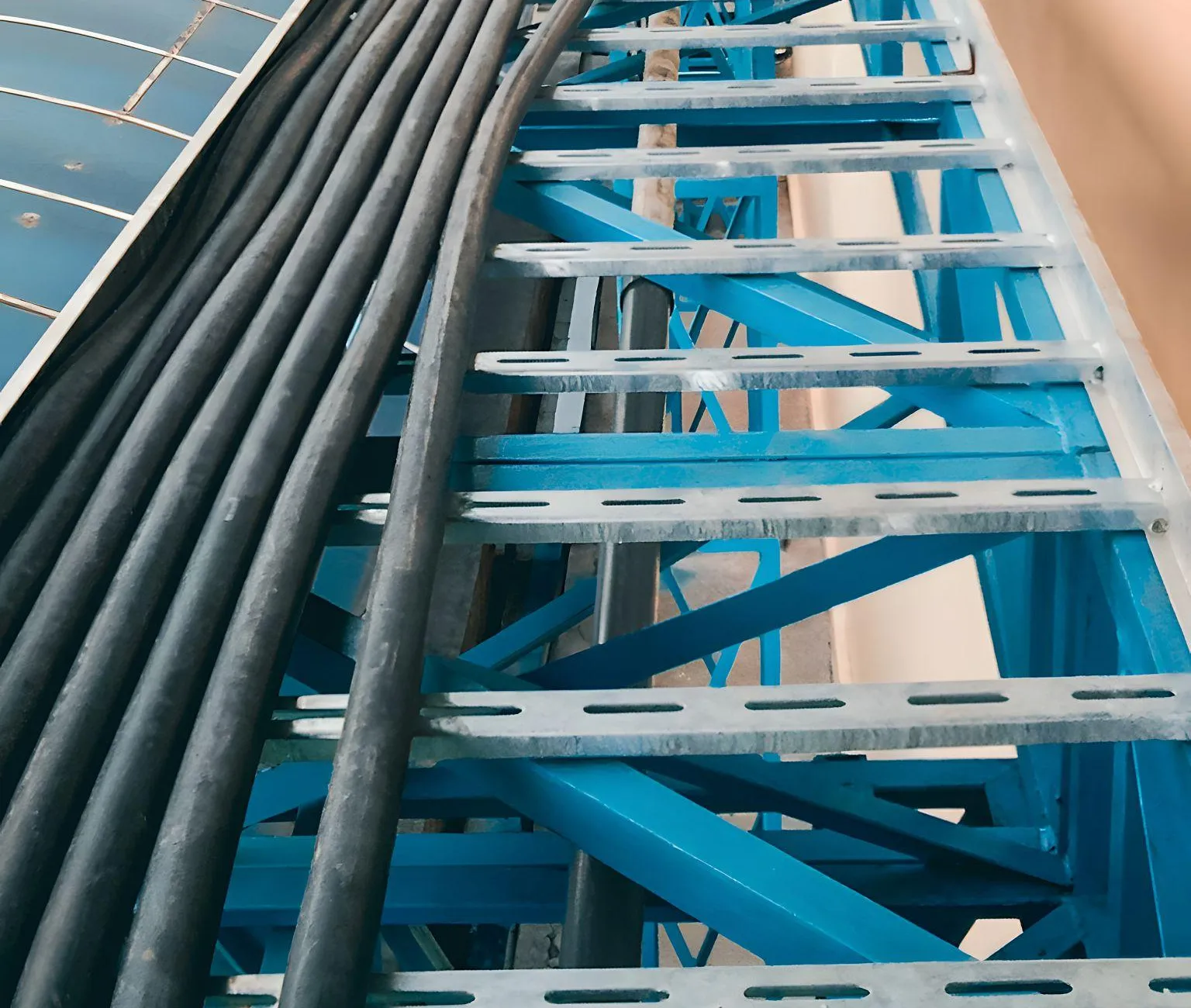
13Materials and manufacturing areas
- High-temperature superconductors
- Superconducting cables
- Advanced electrical steel
- Amorphous metal transformer cores
- Nanocrystalline magnetic materials
- Silicon carbide semiconductors
- Gallium nitride semiconductors
- Advanced insulation materials
- High-temperature conductors
- Carbon-fibre composite conductors
- Advanced anode materials
- Advanced cathode materials
- Solid electrolytes
- Hydrogen-resistant materials
- Advanced membranes
- Ceramic and refractory materials
- Phase change materials
- Thermal insulation materials
- Power semiconductor packaging
- Recyclable turbine blade materials
- Additive manufacturing of energy equipment
BARREL commercial opportunities
- Technology licensing and collaboration
- Manufacturing partnerships
- Equipment sourcing
- Import and export
- OEM and component supplier development
- Industrial project development
- Technology transfer, subject to applicable law
- Testing and quality assurance
- Supply-chain development
Section 16
Advanced energy management, trading and market technologies
Generation, storage, flexible demand and electricity markets now interact in real time.
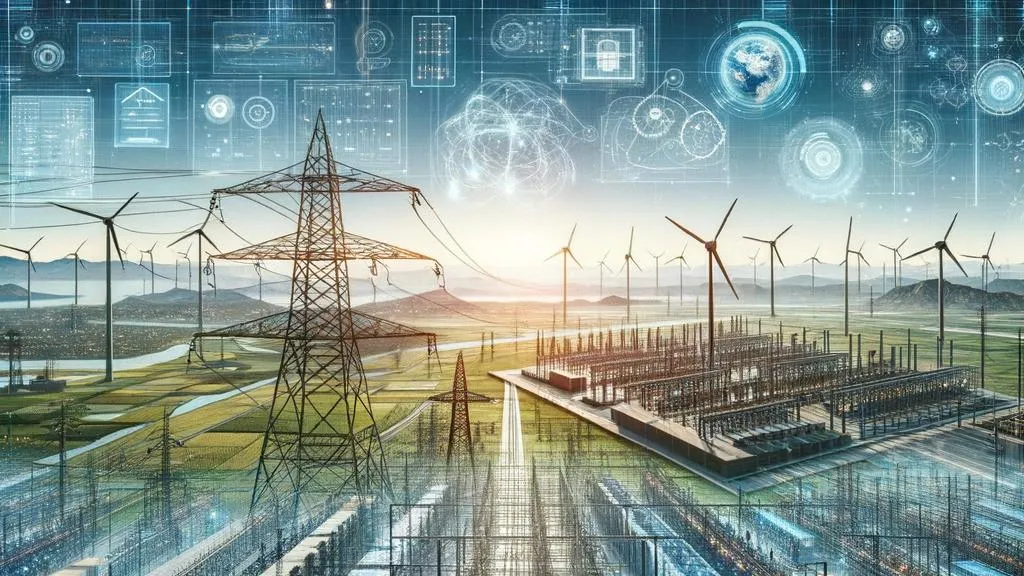
14Technology categories
- AI-enabled energy management systems
- Advanced energy trading platforms
- Automated market bidding
- Demand response management
- Flexibility markets
- Ancillary services platforms
- Peer-to-peer energy trading
- Blockchain-based settlement
- Renewable energy certificate management
- Carbon market intelligence
- Energy portfolio optimisation
- Smart metering and AMI
- Real-time energy accounting
- PPA management
- Forecasting and imbalance management
- Distributed energy settlement
Blockchain case by case
Section 17
Robotics, drones and autonomous energy infrastructure
Machines take on repetitive, remote and hazardous inspection and maintenance work.
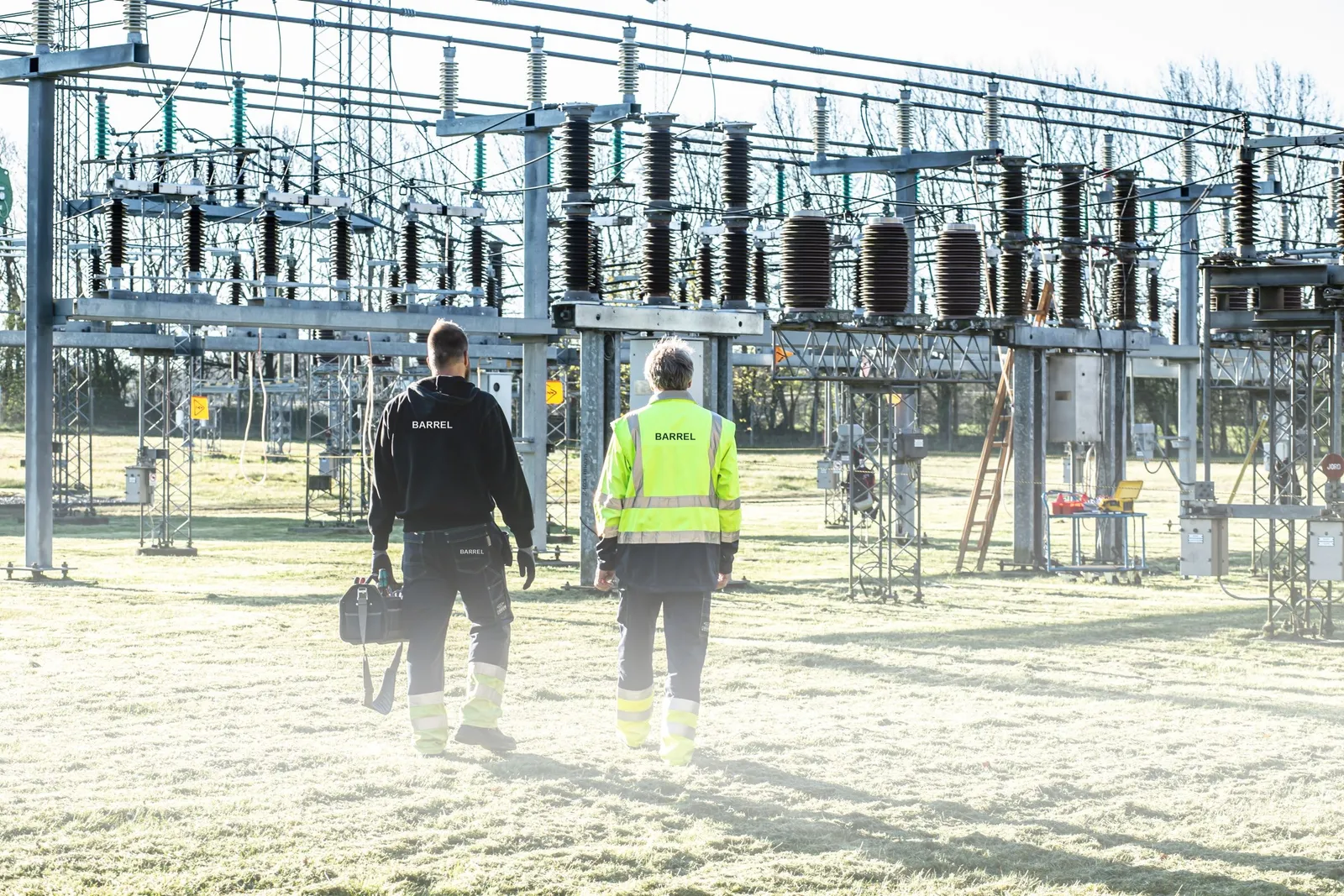
15Technology categories
- Autonomous substation inspection robots
- Transmission line inspection drones
- Thermal imaging drones
- Solar panel cleaning robots
- Wind turbine inspection robots
- Robotic blade inspection
- Cable tunnel inspection robots
- Pipeline inspection robots
- Power plant maintenance robots
- Automated warehouses
- Robotic equipment assembly
- Autonomous vegetation management
- AI visual inspection
- Remote-controlled maintenance
- Digital work permits and field-service automation
Rules of the air and the switchyard
Section 18
Cybersecurity and resilient energy infrastructure
As energy infrastructure goes digital, security must be designed into the architecture, not added after deployment.

Defence in depth — zones from field to enterprise
Level 0–1 · Field
Sensors, IEDs, relays, inverters, BMS — signed firmware, physical security.
Level 2 · Control
Substation / plant SCADA, HMI — segmented zones, allow-listed protocols.
Level 3 · Operations
Historian, EMS / DMS, engineering workstations — monitored, patched, backed up.
DMZ
Brokered data exchange between OT and IT — nothing passes straight through.
Level 4–5 · Enterprise
ERP, email, cloud analytics — zero-trust identity, never a direct path to control.
16Technology and service categories
- Operational technology (OT) security
- Industrial control system (ICS) security
- SCADA cybersecurity
- Substation network security
- Secure remote access
- Network segmentation
- Identity and access management
- Zero-trust architecture
- OT asset discovery
- Security information and event management (SIEM)
- Security operations centre integration
- Intrusion detection
- Incident response
- Backup and disaster recovery
- Critical infrastructure resilience
- Supply-chain cybersecurity
- Secure firmware and software management
- AI model security and governance
BARREL engineering principle
Cybersecurity is part of every digital substation, smart grid, microgrid, BESS, power plant and energy management project — in India under CEA's cyber security regulations and CERT-In directions.
Section 19
Future energy technologies — research and frontier innovation
A research and technology-watch programme for concepts that are not yet commercially mature.
17Areas on the watch list
- Space-based solar power
- Nuclear fusion
- Advanced superconducting energy systems
- Wireless power transmission
- Advanced thermophotovoltaics
- Quantum technologies for energy materials and sensing
- Artificial photosynthesis
- Solar fuels
- Advanced bioenergy
- Algae-based energy
- Advanced waste-to-energy
- Supercritical CO₂ power generation
- Novel thermoelectrics
- Magnetocaloric cooling
- High-altitude wind
- Advanced ocean energy
- Next-generation geothermal drilling
- Underground thermal and electrical storage concepts
- Advanced energy harvesting
Shown at their real maturity
Section 20
Technology readiness and commercialisation
Every technology is classified by Technology Readiness Level, project evidence, certification status, commercial track record and deployment risk.

18From idea to proven operation
- TRL 1–2
Basic principles and early concepts
BARREL: Research, technology watch and academic partnerships
e.g. Artificial photosynthesis, magnetocaloric cooling
- TRL 3–4
Experimental proof and laboratory validation
BARREL: Research partnerships and prototype evaluation
e.g. Aluminium-, magnesium-, calcium-ion batteries
- TRL 5–6
Relevant-environment validation and pilots
BARREL: Pilot project development and feasibility
e.g. Superhot-rock geothermal, airborne wind
- TRL 7–8
Operational demonstration and qualification
BARREL: Demonstration projects, OEM partnerships, early deployment
e.g. Iron-air, sodium-ion, SMRs, grid-forming BESS at scale
- TRL 9
Proven operational technology
BARREL: Commercial projects, procurement, EPC and O&M
e.g. LFP BESS, pumped hydro, STATCOM, digital substations
TRL is a useful framework, not a substitute for independent due diligence. A high TRL does not make a technology suitable for every site, grid, climate, duty cycle or business model.
Twenty evaluation criteria
- 01Technology maturity
- 02Independent performance evidence
- 03Technical feasibility
- 04Safety and reliability
- 05Standards and certification
- 06Manufacturing capability
- 07Supply-chain availability
- 08Capital expenditure
- 09Operating expenditure
- 10Lifecycle cost
- 11Efficiency and performance
- 12Environmental impact
- 13Land and resource needs
- 14Grid compatibility
- 15Commercial scalability
- 16IP and licensing
- 17Regulatory and permitting
- 18Warranty and service support
- 19End-of-life management
- 20Financial and investment risk
Section 21
Integrated future energy systems
The biggest opportunity is rarely one technology — it is combining several into systems that produce, store, convert, manage and deliver energy to match demand.
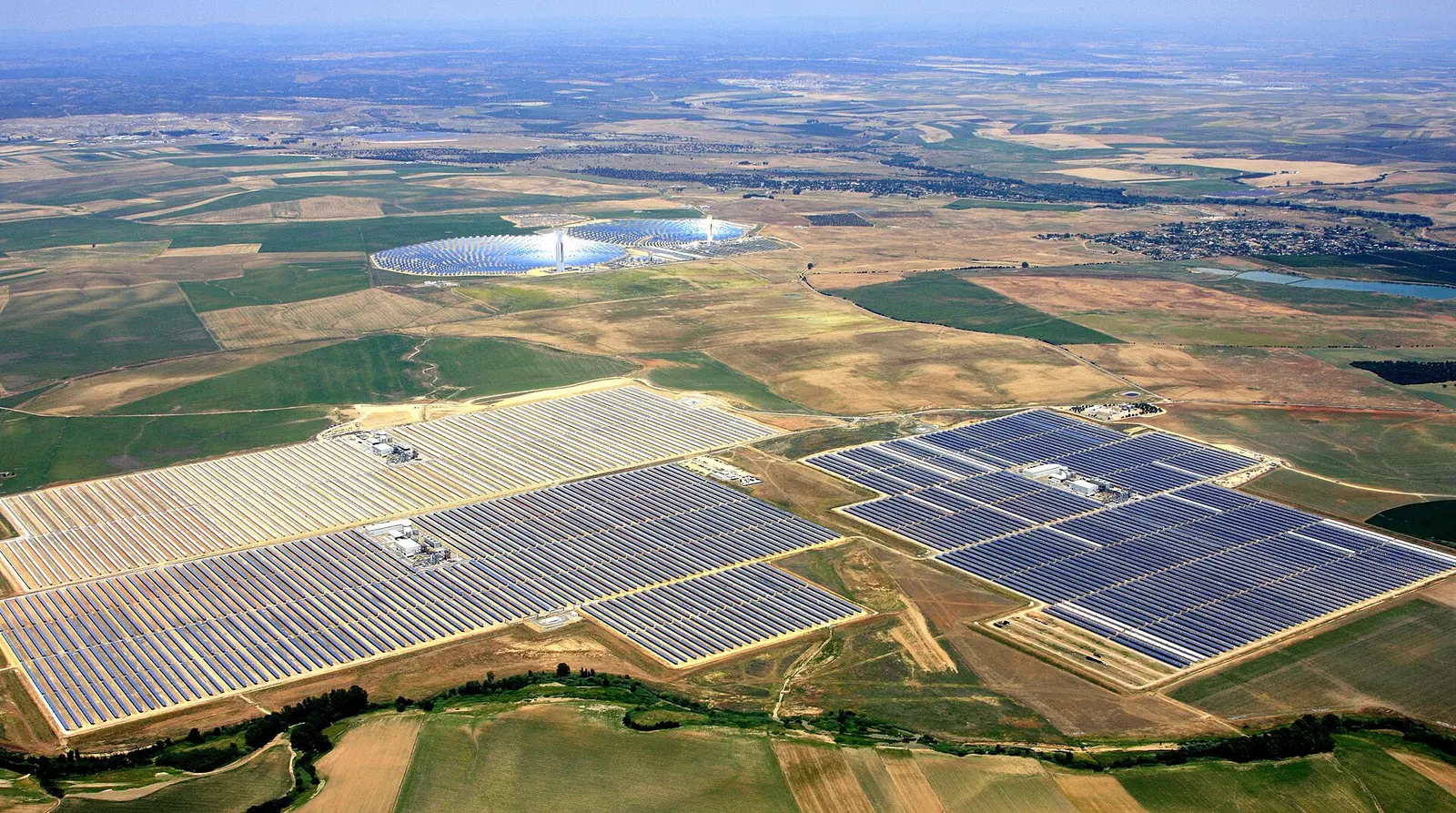
19.1Renewable + battery + hydrogen complex
Swipe sideways to see the full diagram. Conceptual layout. Configuration, voltages and equipment follow resource studies, grid connectivity and offtake.
19.1Renewable + battery + hydrogen complex
Renewable parks, industrial hubs, export hydrogen, captive power.
- Solar power plants
- Onshore and offshore wind
- Battery energy storage
- Pumped hydro, where suitable
- Electrolysers
- Hydrogen compression and storage
- Green ammonia or methanol
- Pooling and evacuation substations
- AI-enabled energy management
- Industrial power and heat supply
19.2AI-powered smart industrial energy park
One energy backbone shared by many factories.
- Renewable generation
- Grid connectivity
- Battery storage
- Captive generation
- Microgrids
- Intelligent substations
- AI load management
- Waste heat recovery
- High-efficiency equipment
- Smart metering
- Energy trading and settlement
- Predictive maintenance
- Integrated cybersecurity
19.3Autonomous energy campus
Universities, townships, hospitals, defence and corporate campuses.
- Solar and wind
- Battery and thermal storage
- Backup generation
- Microgrid control
- Smart buildings
- EV charging
- V2G infrastructure
- AI energy management
- Demand response
- Digital twins
- Autonomous inspection and maintenance
19.4Data centre energy infrastructure
Reliable, high-density power and cooling for AI computing.
- High-capacity grid substations
- Dedicated transmission and distribution
- On-site generation
- Renewable procurement
- Battery storage
- UPS and power conditioning
- Backup generation
- High-efficiency transformers
- Advanced cooling and heat rejection
- Thermal storage
- Waste heat recovery
- AI energy management
- Microgrids and islanding
- Power quality and reliability studies
- Energy and cooling digital twins
19.5Smart city and community energy
Municipal and community-scale systems.
- Distributed solar
- Community batteries
- Smart street lighting
- EV charging
- Smart buildings
- District cooling and heating
- Waste-to-energy
- Microgrids
- Smart meters
- Demand response
- AI municipal energy management
Section 22
BARREL emerging technology services
The full journey from the first technology idea to commercial operation, in eight service families.
AResearch and technology intelligence
10- Global technology research
- Technology benchmarking
- Readiness assessment
- Patent and IP research
- OEM and provider identification
- Competitive analysis
- Market opportunity assessment
- Regulatory and standards mapping
- Demonstration tracking
- Commercialisation strategy
BFeasibility and project development
12- Preliminary technology assessment
- Technical feasibility
- Site and resource assessment
- Grid integration assessment
- Concept engineering
- Preliminary design
- Project configuration
- CAPEX and OPEX estimation
- Financial modelling
- Risk assessment
- Business model development
- Development coordination
CEngineering and technical services
13- Conceptual engineering
- Basic engineering
- Detailed engineering
- Electrical
- Civil and structural
- Mechanical
- Instrumentation and control
- Automation and SCADA
- Power system studies
- Energy modelling
- Simulation and digital twins
- Technical specifications
- Design review and coordination
DManufacturing and industrial partnerships
10- OEM identification
- Manufacturing partner development
- Licensing coordination
- Contract manufacturing
- Component sourcing
- Assembly and integration
- Factory inspection
- Quality assurance
- Testing and certification
- Supply-chain development
EProcurement, import and export
10- Technology and equipment procurement
- Global supplier identification
- Technical and commercial comparison
- Vendor registration
- Tender and RFQ management
- Import and export coordination
- Logistics and shipping
- Customs and compliance
- Warranty and after-sales
- Spares and consumables
FProject implementation
10- EPC and turnkey coordination
- EPCM
- Design and engineering coordination
- Procurement management
- Civil and electrical works
- Mechanical installation
- System integration
- Testing and commissioning
- Performance verification
- Handover and documentation
GOperations and lifecycle
11- Operations and maintenance
- Preventive and predictive maintenance
- Remote monitoring
- Performance optimisation
- Asset management
- Equipment health monitoring
- Spare parts management
- Technology upgrades
- Refurbishment
- Repowering
- Recycling and end-of-life
HFinance and investment
10- Project finance facilitation
- Technology investment opportunities
- Joint ventures
- Strategic partnerships
- Infrastructure investment
- Equipment leasing
- Technology acquisition support
- Commercial structuring
- Financial feasibility
- Investment risk assessment
Section 23
Business divisions and partner ecosystem
Distinct divisions let each technology area grow its own team, partners, suppliers, projects, revenue model and digital platform.

20Twenty proposed BARREL divisions
- Division 01
BARREL Advanced Energy Storage
Battery, LDES, thermal, mechanical and hybrid storage
- Division 02
BARREL Smart Grid Technologies
Smart grids, digital substations and grid automation
- Division 03
BARREL AI & Energy Intelligence
AI, digital twins, predictive analytics and optimisation
- Division 04
BARREL Advanced Power Electronics
Converters, inverters, solid-state transformers and FACTS
- Division 05
BARREL Virtual Power Plants
DER aggregation, flexibility and distributed energy
- Division 06
BARREL Next-Generation Solar
Perovskite, tandem, BIPV and advanced PV
- Division 07
BARREL Advanced Wind Technologies
Floating offshore, airborne and next-generation wind
- Division 08
BARREL Advanced Geothermal
EGS, closed-loop and next-generation geothermal
- Division 09
BARREL Ocean Energy
Tidal, wave and ocean thermal technologies
- Division 10
BARREL Advanced Nuclear Technologies
Lawful, qualified nuclear infrastructure partnerships
- Division 11
BARREL Hydrogen & Power-to-X
Hydrogen, ammonia, e-fuels and energy conversion
- Division 12
BARREL Carbon Management
CCUS, industrial decarbonisation and carbon infrastructure
- Division 13
BARREL Industrial Energy Innovation
Electrification, thermal systems and waste heat recovery
- Division 14
BARREL Intelligent Mobility
V2G, smart charging and battery swapping
- Division 15
BARREL Advanced Materials
Superconductors, semiconductors and energy materials
- Division 16
BARREL Robotics & Automation
Inspection, drones and autonomous maintenance
- Division 17
BARREL Energy Cybersecurity
OT, ICS and critical energy infrastructure security
- Division 18
BARREL Future Energy Research
Technology scouting, pilots and research partnerships
- Division 19
BARREL Technology Trade & Supply Chain
OEMs, equipment, components, import / export, distribution
- Division 20
BARREL Emerging Energy Finance
Project finance, investment, technology funding and partnerships
Proposed divisions, activated progressively
22Partner categories
- Technology developers
- Research institutions
- Universities and laboratories
- Patent and IP owners
- Technology licensors
- Original equipment manufacturers
- Battery manufacturers
- Power electronics manufacturers
- Electrical equipment manufacturers
- Automation and software companies
- AI and digital twin companies
- Engineering consultants
- EPC contractors
- System integrators
- Testing and certification bodies
- Industrial manufacturers
- Distributors and importers
- Exporters and trading companies
- Project developers
- Infrastructure investors
- Financial institutions
- Utilities and operators
- Industrial consumers
- O&M service providers
- Recycling and circular-economy companies
Partner classifications
| Partner classification | Role |
|---|---|
| BARREL Technology Partner | Provides a technology, innovation or technical solution |
| BARREL Authorized Supplier Partner | Supplies approved or evaluated products and equipment |
| BARREL Authorized Service Provider | Technical and field services within its verified scope |
| BARREL Engineering Partner | Specialised engineering and consultancy |
| BARREL EPC Partner | Executes projects under agreed contractual scope |
| BARREL Research Partner | Supports R&D, testing and demonstration |
| BARREL Manufacturing Partner | Manufactures or assembles equipment and components |
| BARREL Project Development Partner | Collaborates on project origination and development |
| BARREL Investment Partner | Participates in eligible project or technology investments |
| BARREL Global Trade Partner | Supports international sourcing, distribution and trade |
Approval rests on documented credentials, technical capability, quality systems, financial standing, safety record, references and regulatory authorisations. "Authorised" is used only after formal BARREL approval and an agreement.
Section 24
BARREL Emerging Technology Intelligence Centre
A planned digital platform connecting research, engineering, suppliers, projects, investment and operating assets — nineteen modules.

23Platform architecture
| Platform module | Functional scope |
|---|---|
| Technology Knowledge Centre | Technology library, explanations, specifications, documents |
| Global Innovation Tracker | Technologies, companies, patents and announcements |
| Technology Readiness Centre | TRL, maturity, demonstration and commercialisation status |
| Research & Development Centre | Research projects, laboratories, universities, collaboration |
| Technology Comparison Centre | Compare by performance, cost, maturity and application |
| Engineering Intelligence Centre | Calculations, design tools, studies and simulation |
| Energy Storage Design Centre | Battery sizing, LDES, hybrid storage, lifecycle modelling |
| Smart Grid Design Centre | Grid integration, automation, protection, digitalisation |
| AI Energy Intelligence Centre | Forecasting, analytics, optimisation, AI-assisted workflows |
| Digital Twin Centre | Asset models, simulations, monitoring, lifecycle information |
| Project Development Centre | Feasibility, pipeline, land, approvals and tracking |
| EPC & Implementation Centre | Planning, procurement, construction and commissioning |
| Equipment & Product Centre | Catalogues, OEMs, specifications and comparisons |
| Supplier & Partner Registry | Verified suppliers, technology partners, service providers |
| Technology Trade Centre | Import, export, distribution and global procurement |
| Investment & Finance Centre | Opportunities, project finance and financial models |
| Operations & Asset Intelligence | Monitoring, maintenance, performance, lifecycle |
| Standards & Compliance Centre | Codes, standards, regulations, certifications, records |
| Future Energy Observatory | Frontier research, forecasts and innovation watch |
23.1Planned software tools and calculators
The storage estimator on the Long-Duration & Thermal tab is the first public one.
23.1aAdvanced storage tools
11- Battery energy and power sizing
- Battery duration
- BESS configuration and string sizing
- Degradation model
- Battery lifecycle cost
- Levelised cost of storage (LCOS)
- Pumped storage feasibility
- Compressed air storage
- Thermal storage sizing
- Hydrogen storage sizing
- Hybrid storage optimisation
23.1bSmart grid tools
10- Dynamic line rating assessment
- Transformer loading
- Grid congestion analysis
- Grid-forming inverter evaluation
- Reactive power and voltage support
- Microgrid sizing and optimisation
- DG hosting capacity
- Grid stability study workflow
- Demand response potential
- VPP aggregation model
23.1cAI and digital energy tools
10- Solar generation forecasting
- Wind generation forecasting
- Load forecasting
- Energy consumption analytics
- Predictive maintenance assessment
- Digital twin project assessment
- AI energy savings estimate
- Data centre energy and cooling
- Asset health index
- Energy optimisation model
23.1dProject and financial tools
12- Technology CAPEX
- Technology OPEX
- LCOE
- LCOH
- Project IRR and NPV
- Payback period
- Debt and equity model
- Project finance model
- Equipment replacement
- Lifecycle cost analysis
- Technology comparison matrix
- Project risk scoring
Calculators show their assumptions
Section 25
Indian institutions and technical standards
A regulatory and institutional knowledge base, tracked separately for Indian and international requirements.
24.1Key Indian institutions
| Institution | Relevance |
|---|---|
| Ministry of Power | Electricity policy and power-sector development |
| Ministry of New and Renewable Energy (MNRE) | Renewable energy and emerging clean-energy programmes |
| Ministry of Heavy Industries | Advanced manufacturing and mobility initiatives |
| Ministry of Science and Technology | Scientific research and technology development |
| Department of Atomic Energy (DAE) | Nuclear science and authorised nuclear-sector development |
| Central Electricity Authority (CEA) | Technical standards and electricity infrastructure |
| Central Electricity Regulatory Commission (CERC) | Electricity market and regulatory framework |
| State Electricity Regulatory Commissions | State-level electricity regulation |
| Grid Controller of India | National and regional grid operation |
| Bureau of Indian Standards (BIS) | Indian standards and technical specifications |
| NABL | Testing and calibration laboratory accreditation |
| Central Power Research Institute (CPRI) | Electrical testing and power research |
| Indian Institute of Science (IISc) | Scientific and engineering research |
| IITs and technical institutions | Research, engineering and technology development |
| National laboratories and research centres | Specialised energy research and testing |
24.2International organisations and research institutions
- International Energy Agency (IEA)
- International Renewable Energy Agency (IRENA)
- International Electrotechnical Commission (IEC)
- IEEE
- National Renewable Energy Laboratory (NREL)
- International Solar Alliance (ISA)
- International Atomic Energy Agency (IAEA)
- Electric Power Research Institute (EPRI)
- European Commission energy programmes
- National laboratories and university research centres
- Manufacturers and industry associations
24.3Standards and technical frameworks
- IEC 62933 seriesStorageElectrical energy storage systems
- IEC 62619StorageSafety of industrial lithium secondary cells and batteries
- IEC 62477 seriesPower electronicsSafety of power electronic converter systems
- IEC 61850GridCommunication networks for power utility automation
- IEC 62351 seriesCyberPower-system information exchange and cybersecurity
- IEC 61400 seriesGenerationWind energy generation systems
- IEC 61215 seriesGenerationTerrestrial photovoltaic modules
- IEC 61730 seriesGenerationPV module safety qualification
- IEC 62109 seriesPower electronicsSafety of power converters for PV systems
- IEEE 1547GridInterconnection and interoperability of DER
- IEEE 2030 seriesGridSmart grid interoperability
- ISO 50001ManagementEnergy management systems
- ISO/IEC 27001CyberInformation security management systems
- ISO 14001ManagementEnvironmental management systems
- ISO 45001ManagementOccupational health and safety management
Reference frameworks, not a certification checklist
Section 26
Global markets and revenue models
Emerging technologies create business across the whole power and energy value chain — and BARREL plans several complementary revenue streams, not EPC alone.

25Market segments
| Market segment | Commercial opportunities |
|---|---|
| Utility-scale energy storage | BESS, long-duration storage and hybrid projects |
| Grid modernisation | Digital substations, automation, grid-enhancing technologies |
| AI infrastructure | Data centre power systems and intelligent energy management |
| Renewable integration | Advanced inverters, storage and forecasting |
| Hydrogen economy | Electrolysers, storage, transport and derivatives |
| Industrial decarbonisation | Electrification, thermal storage and CCUS |
| Electric mobility | Smart charging, V2G and battery swapping |
| Advanced manufacturing | Batteries, power electronics and energy materials |
| Geothermal | Exploration, drilling, equipment and power plants |
| Offshore energy | Floating wind and marine energy infrastructure |
| Nuclear innovation | Qualified and authorised advanced nuclear infrastructure |
| Energy trading | Digital marketplaces, aggregation and optimisation |
| Energy services | O&M, diagnostics, automation and asset intelligence |
Target customers
- Government departments
- Electricity utilities
- Transmission and distribution companies
- Renewable developers
- Independent power producers
- Industrial and manufacturing companies
- Data centre developers and operators
- Mining and mineral companies
- Infrastructure developers
- Airports, ports and railways
- Commercial property developers
- EV charging operators
- Energy traders and aggregators
- Banks, NBFCs and infrastructure investors
- Technology manufacturers and OEMs
26Business and revenue models
| Business model | Revenue opportunity |
|---|---|
| Technology trading | Trading margins on equipment and technology |
| Equipment distribution | Distribution margins and channel commissions |
| Import & export | International trade and sourcing margins |
| Engineering consultancy | Engineering and professional service fees |
| Project development | Development and coordination fees |
| EPC / turnkey | Project execution and management margins |
| EPCM | Engineering and project management fees |
| Technology licensing | Licensing income, where rights permit |
| Manufacturing partnerships | Manufacturing and assembly revenue |
| System integration | Integration and commissioning fees |
| Software & SaaS | Subscription and platform fees |
| AI & digital services | Analytics, optimisation and software services |
| O&M | Annual maintenance and operating contracts |
| Asset management | Asset management fees |
| Testing & inspection | Testing and inspection service fees |
| Project finance facilitation | Permitted advisory and facilitation fees |
| Investment & joint ventures | Returns from eligible investments and partnerships |
| Research partnerships | Contract research and demonstration income |
| Training & certification support | Training and professional services, within authorised scope |
Clear lines between roles
Section 27
Long-term technology roadmap and why BARREL
A phased path builds a credible business without trying to commercialise every technology at once.

Five phases
- Phase 1
Establish the technology platform
Foundation and market entry
- Emerging Technologies knowledge portal
- Technology categories and sub-sector pages
- OEM, supplier and technology partner databases
- Identify commercial-ready technologies
- Technology comparison and enquiry systems
- First storage, AI and smart-grid tools
- Pilot project opportunities
- Phase 2
Engineering and commercial development
Technical and project capabilities
- Advanced storage project capability
- Smart grid and digital infrastructure partnerships
- Engineering calculators and feasibility systems
- AI-based project intelligence
- Technology procurement and supplier networks
- Solar–storage–microgrid opportunities
- Project finance and investment partnerships
- Phase 3
Demonstration and deployment
From discovery to implementation
- Pilot and demonstration projects
- Technology integration capability
- Manufacturing and assembly partnerships
- Qualified storage and smart-grid projects
- Industrial energy-efficiency solutions
- VPP and distributed energy
- Lifecycle O&M and digital asset services
- Phase 4
Global technology ecosystem
Scale commercial operations
- International technology sourcing
- Regional supplier and service networks
- Global project partnerships
- Technology distribution and trade
- Software and AI energy services
- Advanced manufacturing and technology investments
- Integrated infrastructure portfolios
- Phase 5
Future energy innovation
Long-term research and commercialisation
- Research and university collaborations
- Advanced nuclear and fusion within permitted scope
- Next-generation storage partnerships
- Advanced geothermal and ocean energy
- Frontier materials and conversion technologies
- Selected demonstration and commercialisation programmes
34Five flagship initiatives
- 01
BARREL Advanced Energy Storage Centre
Battery technologies, long-duration and thermal storage, storage integration and project development.
- 02
BARREL Smart Grid & AI Centre
Digital substations, grid-enhancing technologies, AI grid management, digital twins and intelligent infrastructure.
- 03
BARREL Future Energy Research & Innovation Centre
A technology observatory and collaboration platform for researchers, developers, manufacturers and investors.
- 04
BARREL Technology & Manufacturing Exchange
Connects technology owners, OEMs, component makers, suppliers, buyers and global trade partners.
- 05
BARREL Emerging Energy Project Development Centre
Turns selected technologies into feasibility studies, pilots, commercial projects and investable infrastructure.
Priority
Advanced storage, smart grids, AI-enabled infrastructure, power electronics and virtual power plants first — they connect directly to BARREL's generation, transmission, substation, storage and energy-intelligence work. Frontier technologies stay in the research programme until their commercial maturity is shown.
28Why choose BARREL for emerging energy technologies?
- Multi-technology energy-sector coverage
- Generation, storage, grid and consumption integrated
- Technical and commercial project development
- Domestic and international technology partners
- Equipment sourcing and global trade
- Engineering and EPC coordination
- Digital intelligence and AI solutions
- Project finance and investment partnerships
- Supplier and service-provider ecosystem
- Long-term operations and lifecycle support
One technology ecosystem. Multiple commercial opportunities. Connected energy infrastructure.
Section 28
Frequently asked questions and references
Short answers; ask through the form below for anything project-specific.
29Frequently asked questions
Q1What are emerging energy technologies?
New or rapidly developing technologies that improve how energy is generated, stored, converted, transmitted, distributed, managed and consumed.
Q2Which emerging energy technologies matter most?
Advanced battery and long-duration storage, smart grids, AI-based energy management, grid-forming inverters, solid-state transformers, hydrogen, advanced geothermal, next-generation solar and carbon management.
Q3What is advanced energy storage?
New battery chemistries, flow batteries, thermal storage, compressed and liquid air, gravity storage, hydrogen storage and other technologies that store energy for later use.
Q4What is long-duration energy storage?
Systems designed to deliver stored energy over extended periods — commonly eight hours or more, though the duration that counts as 'long' depends on the application, design and market definition.
Q5What is a smart grid?
An electricity network that uses digital communication, sensors, automation, control systems and analytics to monitor and manage power flows more intelligently.
Q6What is a grid-forming inverter?
A power electronic converter that can establish or support voltage and frequency in a network, behaving like a voltage source rather than following an existing grid — subject to its design and controls.
Q7What is a solid-state transformer?
A transformer built from power electronics and high-frequency conversion, giving controllability and AC / DC conversion in addition to the voltage transformation.
Q8How is AI used in the power sector?
Demand and renewable forecasting, asset monitoring, predictive maintenance, grid optimisation, trading analytics and project intelligence — with people keeping authority over safety-critical decisions.
Q9What is a virtual power plant?
Software and controls that aggregate distributed resources — solar, batteries, flexible loads — so they can be coordinated and offered as one portfolio.
Q10What is a digital twin in the energy sector?
A digital representation of a physical asset or system that brings together engineering data, operating information, simulation and performance monitoring.
Q11What is Power-to-X?
Converting electricity into other carriers or products — hydrogen, ammonia, methanol, synthetic fuels, chemicals, heat and industrial feedstocks.
Q12What is vehicle-to-grid?
Compatible electric vehicles exchanging electricity with the grid through bidirectional chargers and suitable commercial arrangements.
Q13What is next-generation geothermal?
Enhanced geothermal systems, closed-loop designs and superhot-rock exploration that aim to widen access to geothermal heat beyond natural hydrothermal sites.
Q14Is fusion energy commercially available?
No. Fusion is an active research and demonstration field; it is not an established commercial electricity source and is shown here only as research.
Q15Can emerging technologies be added to existing power plants?
Yes, where technically and commercially feasible — storage, advanced controls, AI, waste heat recovery, power electronics and grid technologies can be integrated with existing infrastructure.
Q16Does BARREL provide emerging energy technology solutions?
BARREL connects technology providers, manufacturers, engineering partners, suppliers, developers and investors to develop and deliver solutions within the applicable technical and regulatory framework.
Q17Does BARREL support technology procurement?
Yes — sourcing, supplier identification, technical comparison, procurement and international trade through its supplier and partner ecosystem.
Q18Can BARREL help develop pilot projects?
BARREL can work on feasibility, technical partnerships, equipment sourcing, engineering coordination, project structuring and implementation support for suitable pilot and demonstration projects.
Q19Does BARREL cover only renewable technologies?
No. The ecosystem also covers storage, grid infrastructure, nuclear innovation, power electronics, hydrogen, industrial electrification, digital technologies, carbon management and advanced manufacturing.
Q20How can a technology company become a BARREL partner?
Send your company profile, technology details, certifications, project references and proposed collaboration model through the enquiry form below; partnership follows BARREL's evaluation and a formal agreement.
Technical reference library
- IEAEnergy Technology Perspectives and clean energy innovation
- IEAElectricity grids and secure energy transitions
- IRENAInnovation landscape for a renewable-powered future
- NRELResearch — storage, grid, solar, hydrogen
- MNREMinistry of New and Renewable Energy
- CEACentral Electricity Authority — regulations and standards
- CERCCentral Electricity Regulatory Commission
- BISBureau of Indian Standards
- IECInternational Electrotechnical Commission
- NASATechnology Readiness Levels (definition)
Related BARREL pages
Future energy. Intelligent infrastructure.
Bring your technology, project or partnership to BARREL.
Evaluating a new storage chemistry, planning a pilot, modernising a grid, building an AI or digital-twin platform, sourcing equipment or looking for a technology partner — BARREL connects the right technical, commercial and execution capabilities.
Connect with BARREL for
- Advanced and long-duration storage
- Smart grids and digital substations
- Grid-forming and power electronics
- AI and digital twins
- Virtual power plants
- Hydrogen and Power-to-X
- Carbon management
- Industrial electrification
- EV and V2G
- Technology sourcing and trade
- Pilots and demonstrations
- Investment and partnerships
BARREL.ENERGY · Rooted in Bharat. Global by Vision. One World. One Power Network.