
- Renewable Sector
- Onshore · Offshore · Floating
- Engineering & EPC
Wind Power
Harness the Wind. Generate Clean Energy. Power the Future.
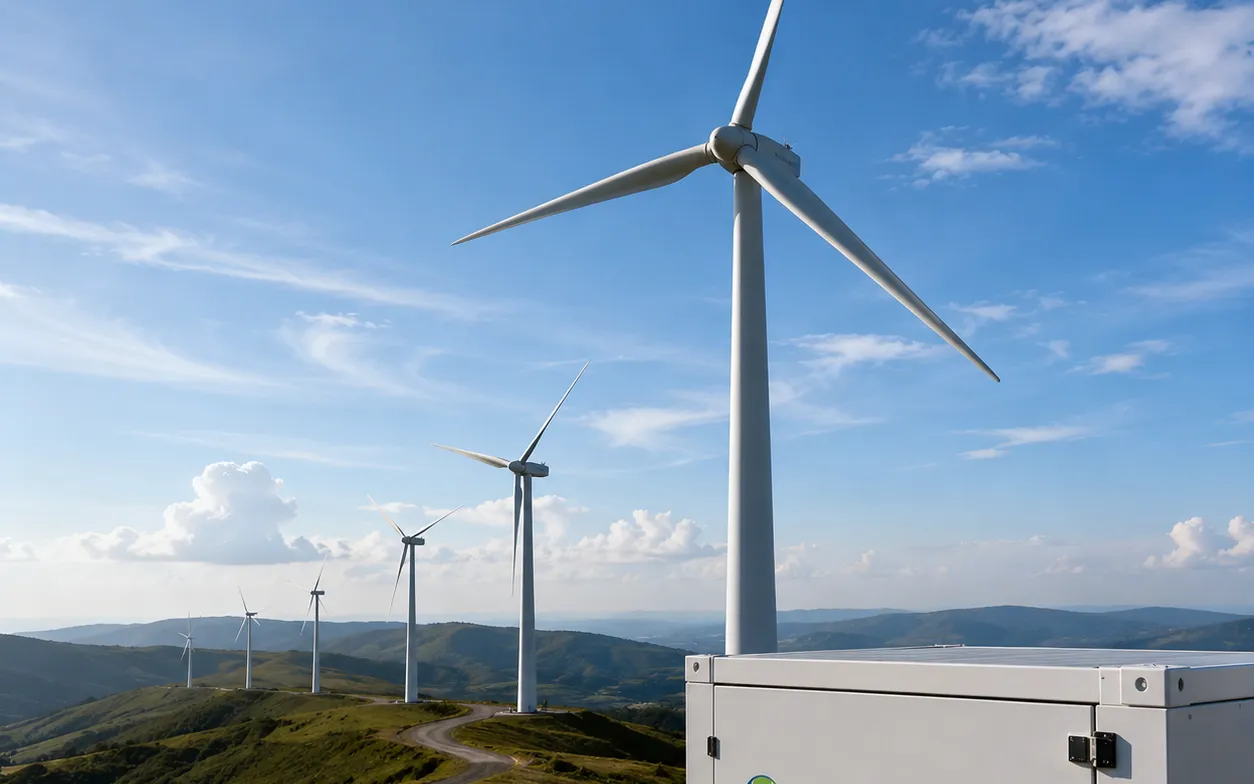
The complete wind energy ecosystem — onshore, offshore, floating, turbines, manufacturing, engineering, infrastructure and power markets.
From the first wind measurement to a fully operational wind farm, BARREL connects the technology, expertise, equipment, capital and businesses required to build the next generation of wind power infrastructure — across India and international markets.
- Explore onshore wind
- Explore offshore wind
- Explore floating wind
- Find equipment
- Engineering & EPC
- Become a partner
- Access wind intelligence
- Technology families
- 6
- Business divisions
- 8
- Business verticals
- 34
- Grid voltage range
- 11–765 kV
- Engineering calculators
- 100
Section 01
BARREL Wind Power
BARREL Wind Power is an integrated business, engineering, infrastructure and technology ecosystem covering the complete wind energy value chain — from wind-resource assessment, project development and turbine manufacturing to onshore wind farms, offshore wind infrastructure, floating wind platforms, electrical evacuation, energy storage, power trading and lifecycle management.
We connect the businesses, technologies, professionals, manufacturers, suppliers, contractors, investors and project developers that drive the global wind industry — to support reliable, efficient, commercially viable and sustainable wind power infrastructure across India and international markets. Rooted in Bharat. Global by Vision.
1.0Three generation pathways
Onshore Wind
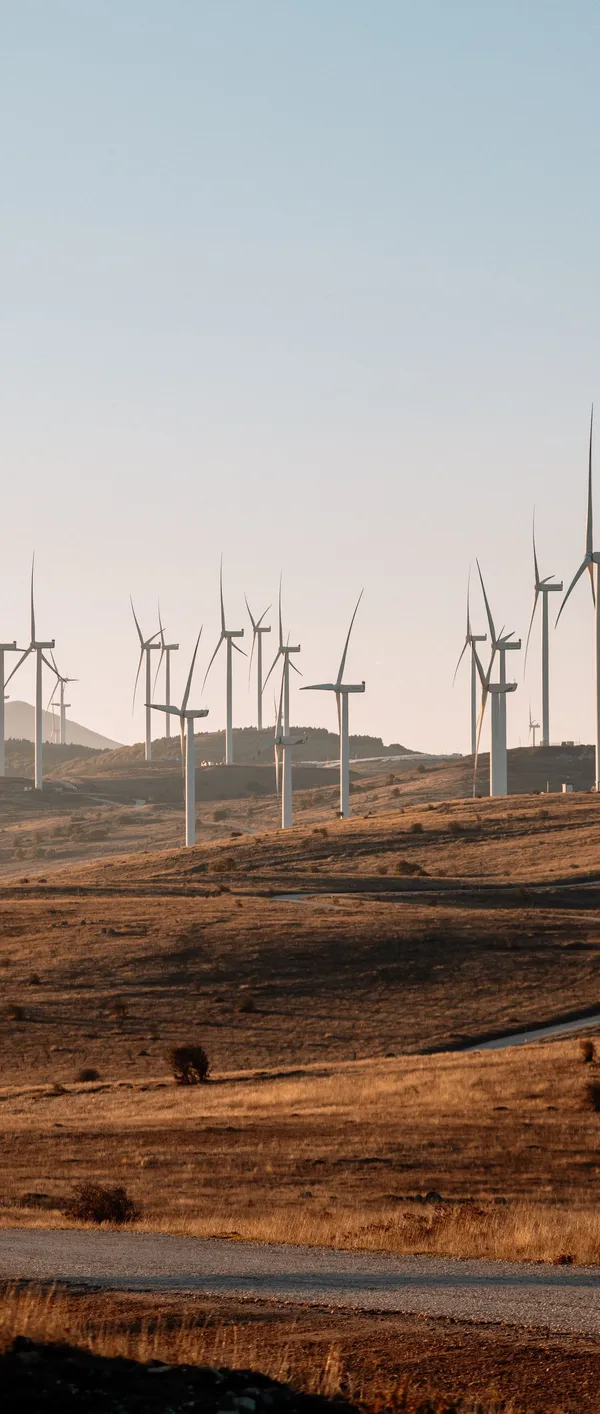
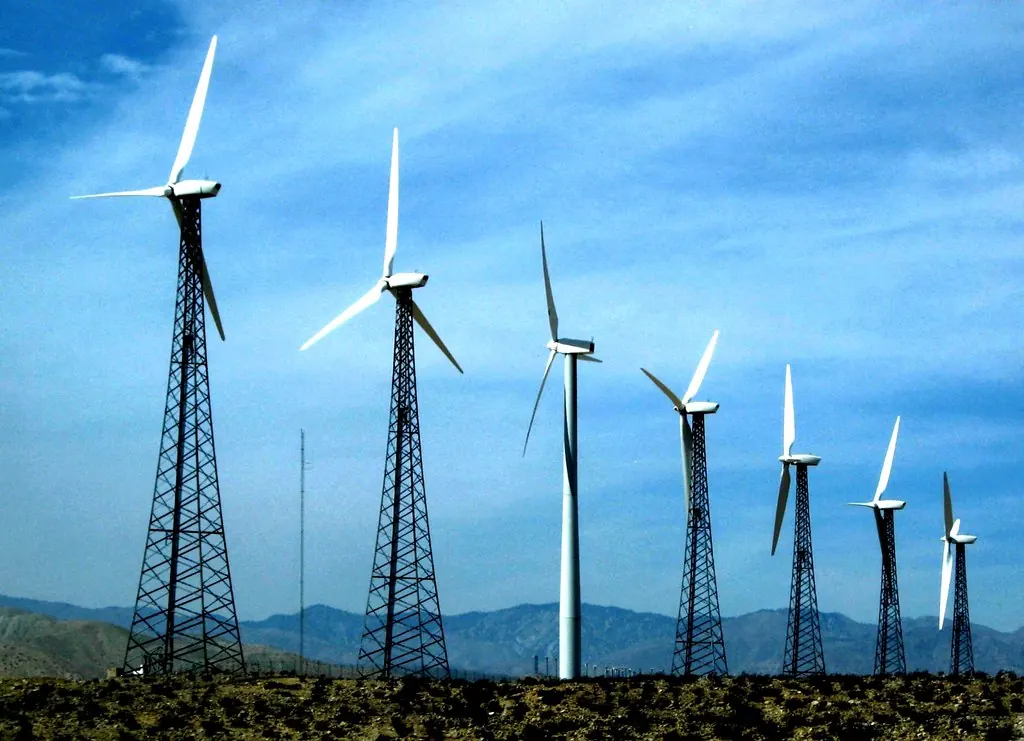
Turbines on land — utility-scale wind parks, captive and group-captive plants, community wind, hybrids and repowering.
Offshore Wind
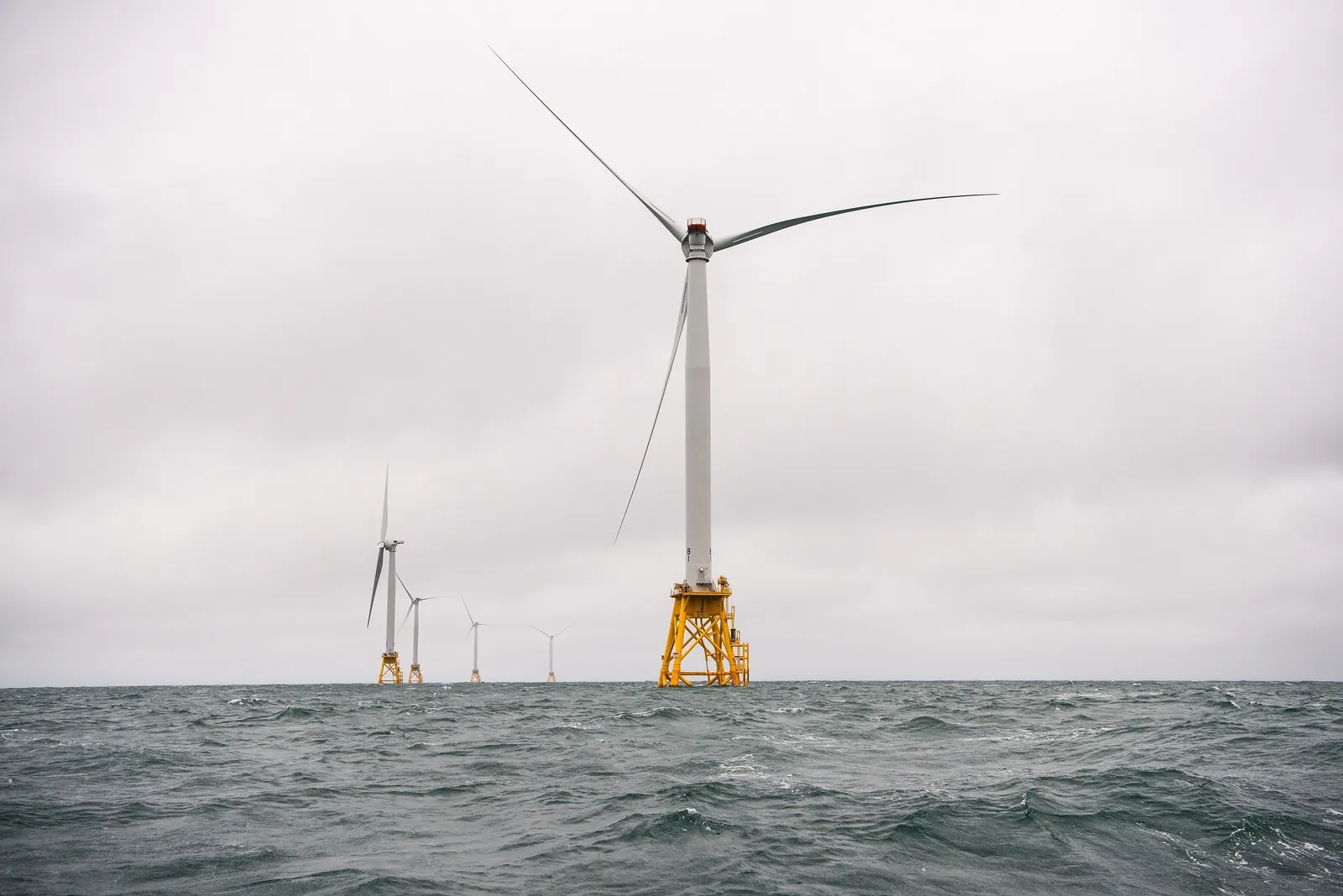
Turbines in the sea on fixed-bottom foundations, where wind is stronger and steadier — a marine, industrial and grid business.
Floating Wind
Turbines on moored floating platforms for deep water where fixed foundations are not practical.
1.1How a wind farm works
Swipe sideways to see the full diagram.
- 1
Wind resource
Kinetic energy of moving air — speed, direction, shear, turbulence, density
- 2
Rotor
Blades turn wind into rotating mechanical power; pitch and yaw keep it in the wind
- 3
Drivetrain & generator
Geared, medium-speed or direct-drive train turns the generator
- 4
Conversion
Power converter and turbine transformer make grid-quality AC
- 5
Collection & grid
33/66 kV array, pooling or offshore substation, export line to the grid
1.2A wind project is a coordinated system
Wind power is not a turbine installation business alone. A bankable wind asset needs every one of these elements — a weak link (land title, blade transport route, grid capacity, seabed rights, offtake) can stall the whole project.
- 01Wind resource
- 02Land or seabed rights
- 03Turbine technology
- 04Foundations & access
- 05Electrical evacuation
- 06Grid connectivity
- 07Offtake & financing
- 08Operations & lifecycle
1.3The complete wind value chain
- 01Wind-resource assessment
- 02Site & land
- 03Project development
- 04Turbine manufacturing
- 05Component supply
- 06Foundations
- 07Offshore infrastructure
- 08EPC & erection
- 09Electrical evacuation
- 10Power generation
- 11Storage & hybrid
- 12Power trading
- 13O&M
- 14Asset management
- 15Repowering
- 16Decommissioning & recycling
1.4BARREL Wind Power — eight business divisions
01
Onshore Wind Power
Utility-scale, distributed, community and industrial wind projects.
02
Offshore Wind Power
Fixed-bottom offshore generation projects and offshore energy hubs.
03
Floating Wind Power
Deep-water floating technology, platforms and mooring systems.
04
Wind Manufacturing & Supply Chain
Turbines, blades, towers, components and industrial equipment.
05
Wind Engineering & EPC
Resource assessment, design, civil, mechanical, electrical, grid and execution.
06
Marine & Offshore Infrastructure
Foundations, ports, vessels, subsea cables and offshore substations.
07
Wind Operations & Lifecycle
O&M, inspection, asset management, repowering and recycling.
08
Wind Intelligence & Commercial
Technical intelligence, calculators, procurement, finance, investment and trading.
Wind Power stays one major sector of the BARREL Energy ecosystem, run as eight independently managed divisions — so a turbine supplier, project developer, EPC contractor, marine infrastructure company and power generator are never treated as the same type of business. Offshore wind is a major industrial division in its own right: steel and heavy fabrication, marine engineering, ports, vessels, subsea cables, offshore substations, transmission and long-term maintenance.
1.5India focus
Onshore
An onshore project ecosystem across India's suitable wind-resource states — utility parks, captive and group captive plants, wind-solar hybrids and the repowering of older, smaller turbines.
Offshore
Offshore capabilities developed around the potential areas identified along the coasts of Gujarat and Tamil Nadu — foundations, ports, vessels, subsea cables and offshore substations.
Verify before committing
Section 02
Wind Power Technologies
All major commercial, industrial, distributed and emerging wind technologies — each with its own resource, support structure, supply chain and market.
AOnshore wind power
5- Utility-scale wind farms
- Captive and group captive
- Community and agricultural wind
- Wind-solar and wind-BESS hybrids
- Repowering and expansion
BOffshore wind power
5- Fixed-bottom offshore wind farms
- Nearshore and deep-water projects
- Offshore energy hubs
- Offshore wind-to-hydrogen / ammonia
- Offshore grid and transmission
CFloating offshore wind
5- Semi-submersible platforms
- Spar-buoy platforms
- Tension-leg platforms
- Barge and hybrid platforms
- Mooring, anchoring and dynamic cables
DDistributed and small wind
5- Small and micro wind turbines
- Rooftop and campus systems
- Rural, telecom and off-grid
- Hybrid solar-wind and microgrids
- Wind-powered water pumping
ETurbine architectures
5- Horizontal axis (HAWT)
- Vertical axis (VAWT)
- Geared, medium-speed, direct-drive
- PMSG, DFIG, full-converter
- Variable-speed power electronics
FEmerging wind technologies
5- Airborne and kite wind energy
- Bladeless / vortex concepts
- High-altitude wind
- AI-controlled wind farms
- Wind-to-X energy systems
Tagged by technology readiness on the Emerging Technologies tab — not equivalent to utility-scale turbines.
2.1Comparative technology overview
Typical values for orientation only — every project is defined by its site, turbine model and grid.
| Onshore | Offshore fixed-bottom | Floating offshore | Distributed / small | |
|---|---|---|---|---|
| Typical turbine rating | 2–7 MW | 8–15+ MW | 8–15+ MW | < 1 kW – 1 MW |
| Typical hub height | 100–160 m | 100–160 m | 100–160 m | 10–50 m |
| Water depth | — | ≈ 0–60 m | ≈ 60 m to 1,000 m+ | — |
| Support structure | RCC spread / pile foundation | Monopile, jacket, tripod, gravity, suction bucket | Semi-sub, spar, TLP, barge + moorings | Guyed or free-standing mast, roof mount |
| Indicative capacity factor | ≈ 25–40 % | ≈ 40–50 %+ | ≈ 40–50 %+ | ≈ 10–30 % |
| Main constraints | Land, roads for blade transport, grid | Seabed, ports, vessels, export cable | Mooring, dynamic cables, port assembly | Turbulence, low hub height, noise |
2.2Select the technology by
01
Wind resource
02
Land or water depth
03
Grid access
04
Logistics & ports
05
Offtake model
06
Turbine class (IEC)
07
Environment
08
Cost of energy
Section 03
Onshore Wind Power
Electricity from wind turbines installed on land — the backbone of the global wind fleet and of India's wind capacity.
AOur onshore wind business
- Utility-scale wind farms
- Large-capacity wind turbines
- Medium-scale wind power projects
- Small wind power systems
- Distributed wind generation
- Community wind projects
- Industrial captive wind power
- Group captive wind power
- Agricultural wind energy
- Wind-diesel hybrid systems
- Wind-solar hybrid power parks
- Wind-BESS integrated projects
- Repowering of existing wind farms
- Wind farm capacity expansion
- Existing wind asset acquisition and redevelopment
A.1Common onshore project models
- Utility-scale IPP
- Large wind parks selling to utilities under long-term PPAs
- Captive / group captive
- Industry owns or co-owns the plant and draws the power through open access
- Hybrid park
- Wind and solar share land, pooling substation and transmission
- Repowering
- Older, smaller turbines replaced with fewer, larger, taller machines
A.2From land to grid
- 1Wind measurement
- 2Land & micrositing
- 3Roads & hardstands
- 4Foundations
- 5Erection
- 633 kV collection
- 7Pooling substation
- 8Grid & COD
The full onshore build — land, civil, mechanical erection and electrical evacuation — is on the Onshore Farm Infrastructure tab; repowering and life extension are on O&M and Lifecycle.
Section 04
Offshore Wind Power
Wind turbines in marine environments, where wind resources are generally stronger and more consistent. Offshore wind is a complete marine, industrial, engineering and power infrastructure sector — from seabed assessment to offshore generation and grid connection.
BWhat BARREL covers offshore
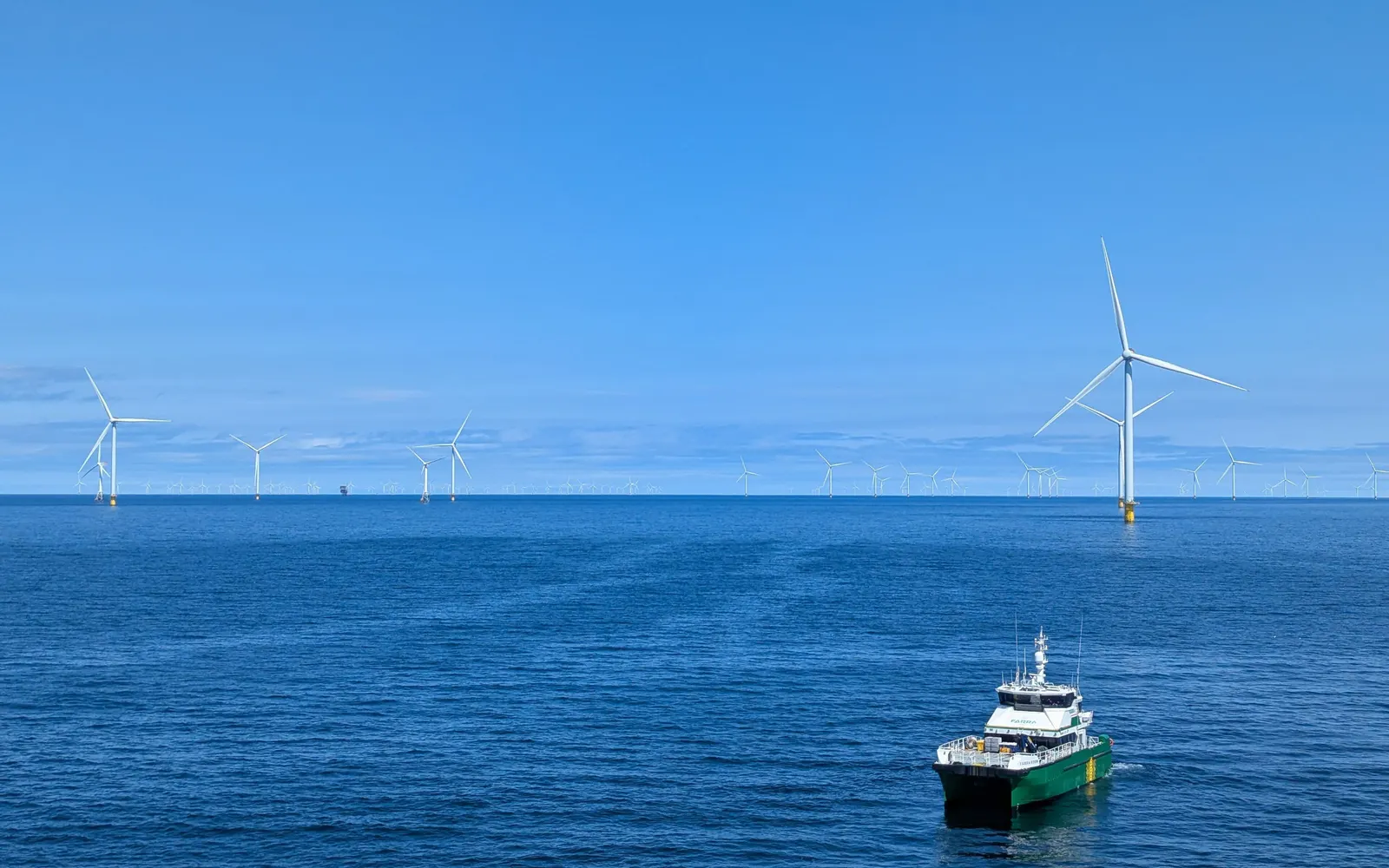
- Fixed-bottom offshore wind farms
- Floating offshore wind farms
- Nearshore wind projects
- Deep-water offshore wind projects
- Large-scale offshore wind parks
- Offshore wind energy hubs
- Offshore power generation platforms
- Offshore wind-to-hydrogen projects
- Offshore wind-to-ammonia projects
- Offshore wind and energy storage integration
- Offshore grid infrastructure
- Offshore transmission systems
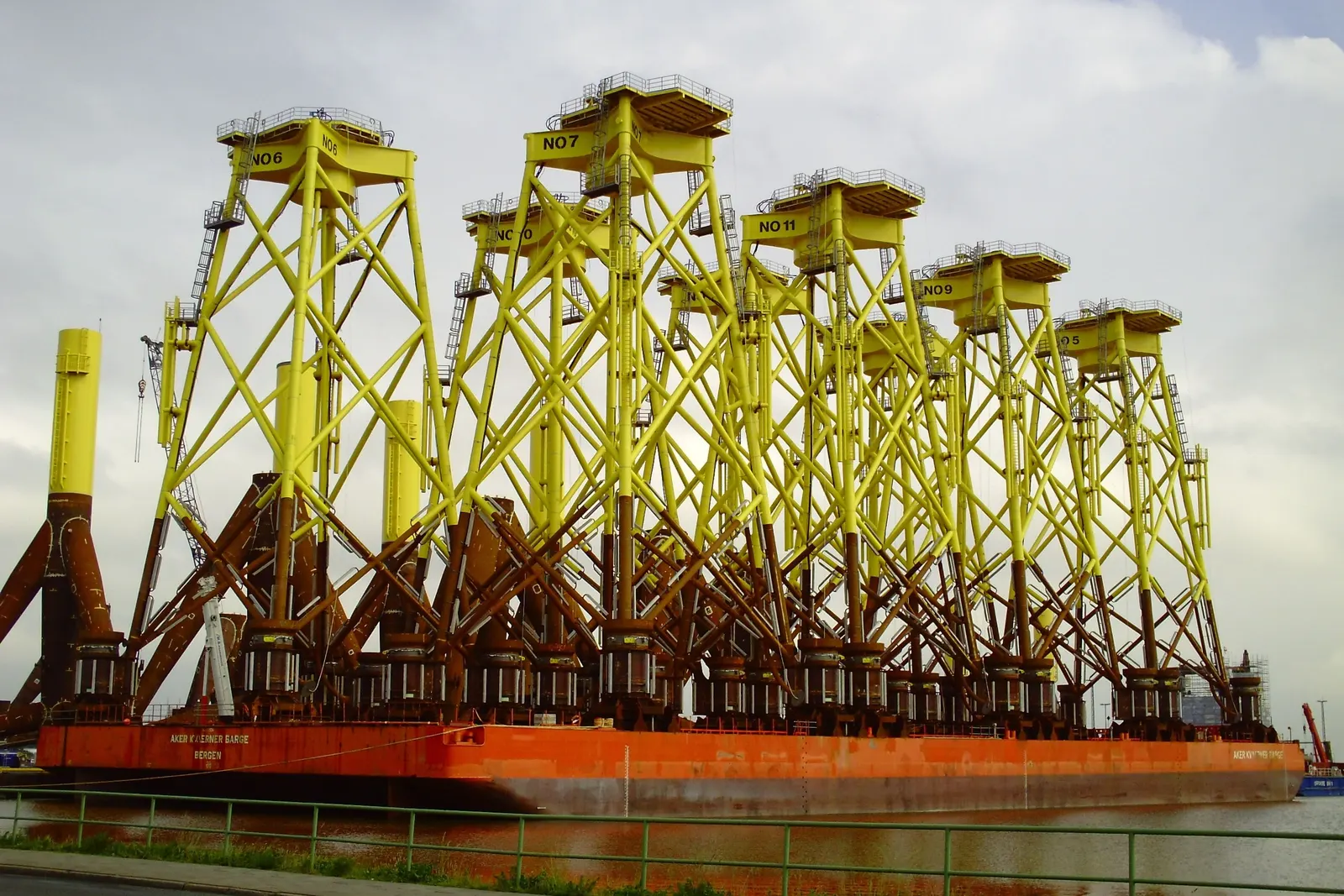
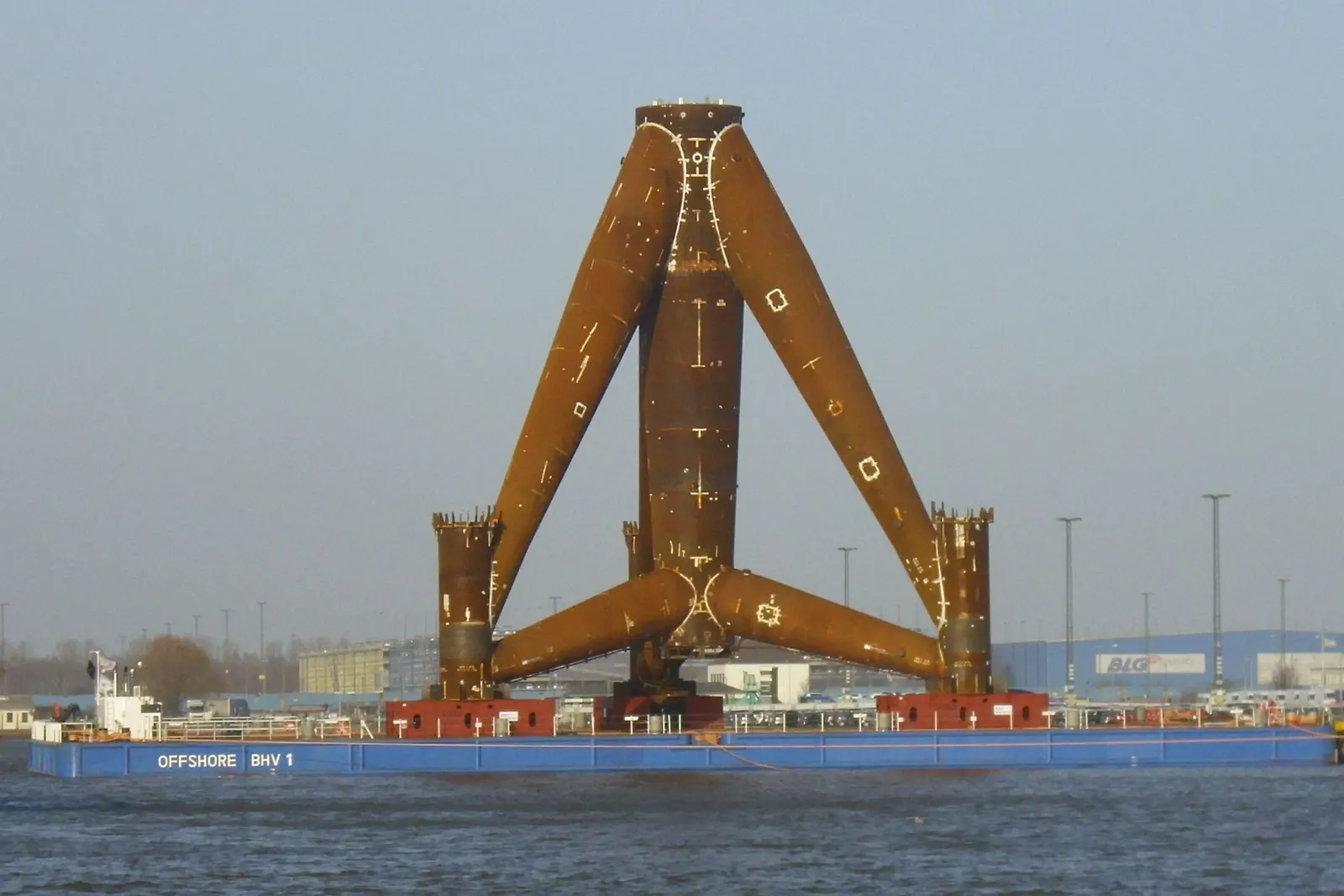
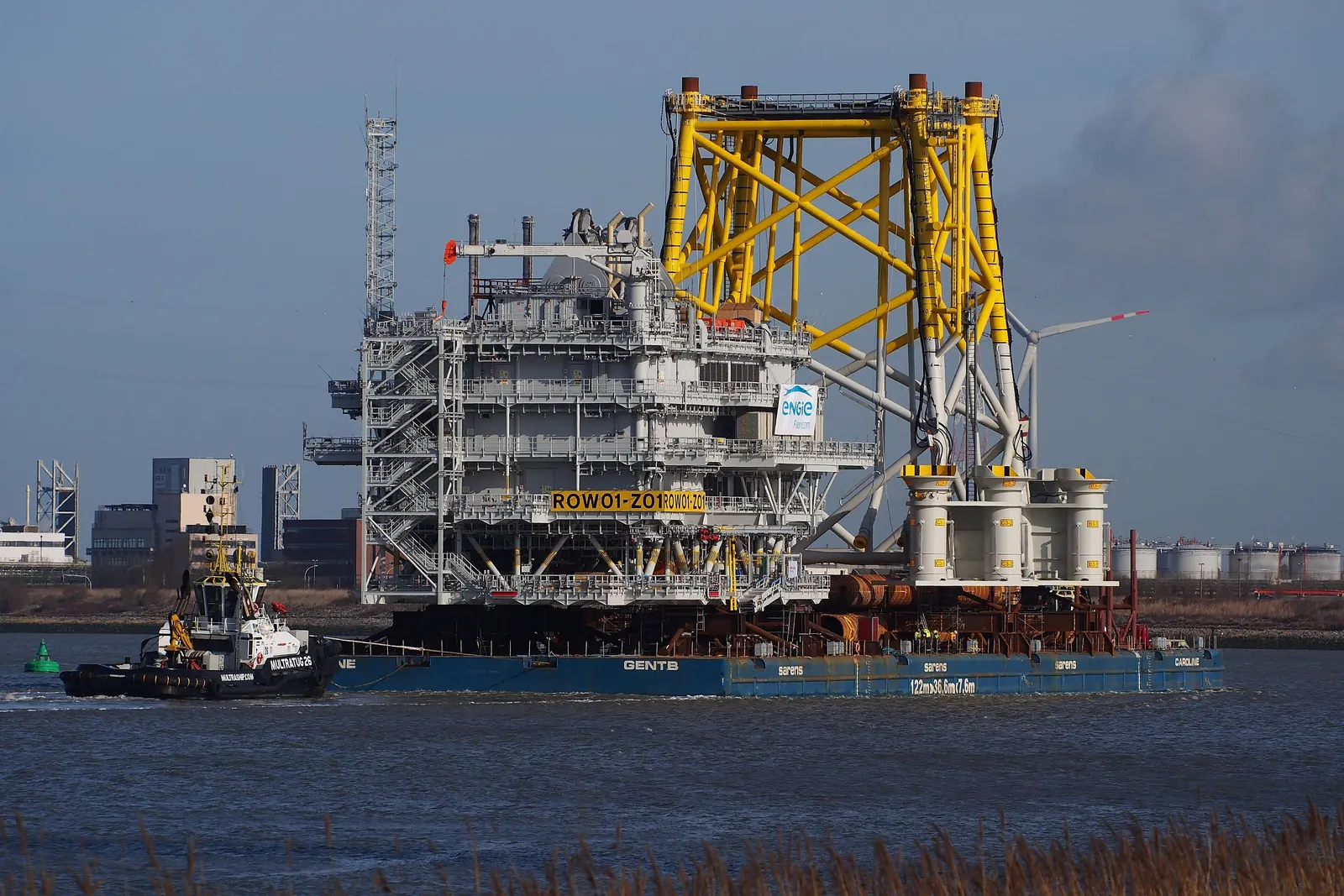
B.1Support structures by water depth
Indicative ranges, not to scale — the choice depends on seabed soils, metocean loads, turbine size, fabrication and installation vessels.
Swipe sideways to see the full diagram.
B.2Fixed-bottom offshore foundations
Suitable where water depth and seabed conditions allow fixed foundations.
Monopile
≈ 0–60 mSingle large steel tube driven or drilled into the seabed; the most widely used offshore foundation.
Jacket
≈ 30–70 mLattice steel frame on three or four legs, pinned with piles or suction buckets.
Tripod / tripile
≈ 20–50 mThree-legged steel structures spreading the load to three piles.
Gravity-based
≈ 0–40 mHeavy concrete or steel base held by its own weight; needs a prepared seabed.
Suction bucket
≈ 20–60 mUpturned steel buckets sucked into soft seabed; quieter installation, no piling.
Other seabed-supported
Site-specificEngineered hybrids for unusual soils, ice or very large turbines.
B.3Offshore-specific surveys
- Bathymetric surveys
- Geophysical seabed surveys
- Geotechnical investigations
- Metocean studies
- Marine environmental surveys
- Seabed mobility assessment
- Cable-route surveys
- Port and installation feasibility
6AOffshore foundations and structures
12- Monopile manufacturing
- Jacket structure manufacturing
- Tripod structures
- Gravity-based foundations
- Suction bucket foundations
- Transition pieces
- Offshore platforms
- Secondary steel structures
- Boat landing systems
- Access platforms
- Corrosion protection
- Offshore structural inspection
6COffshore electrical infrastructure
14- Inter-array cables
- Export cables
- Dynamic subsea cables
- Static subsea cables
- Offshore substations
- Offshore transformers
- Offshore switchgear
- Reactive power compensation
- HVDC converter platforms
- HVAC transmission systems
- Cable protection systems
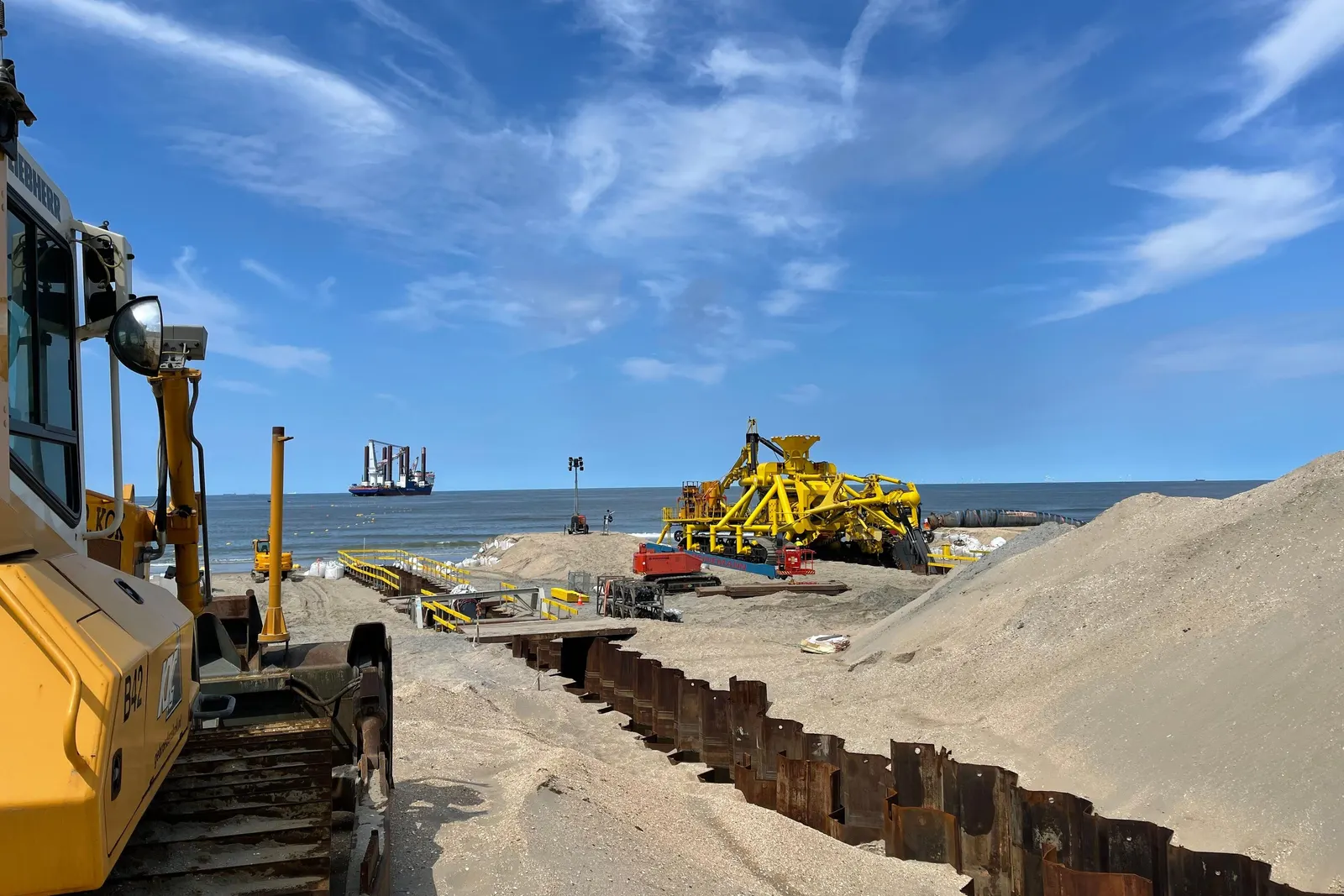
- Cable burial and installation
- Onshore landing stations
- Onshore grid connection
B.4Offshore project sequence
- 1Seabed & metocean survey
- 2Foundation fabrication
- 3Port marshalling
- 4Foundation install
- 5Array & export cables
- 6Offshore substation
- 7Turbine install
- 8Commissioning
- 9SOV-based O&M
Ports, vessels and marine logistics are on the Marine & Offshore Infrastructure tab.
Section 05
Floating Offshore Wind
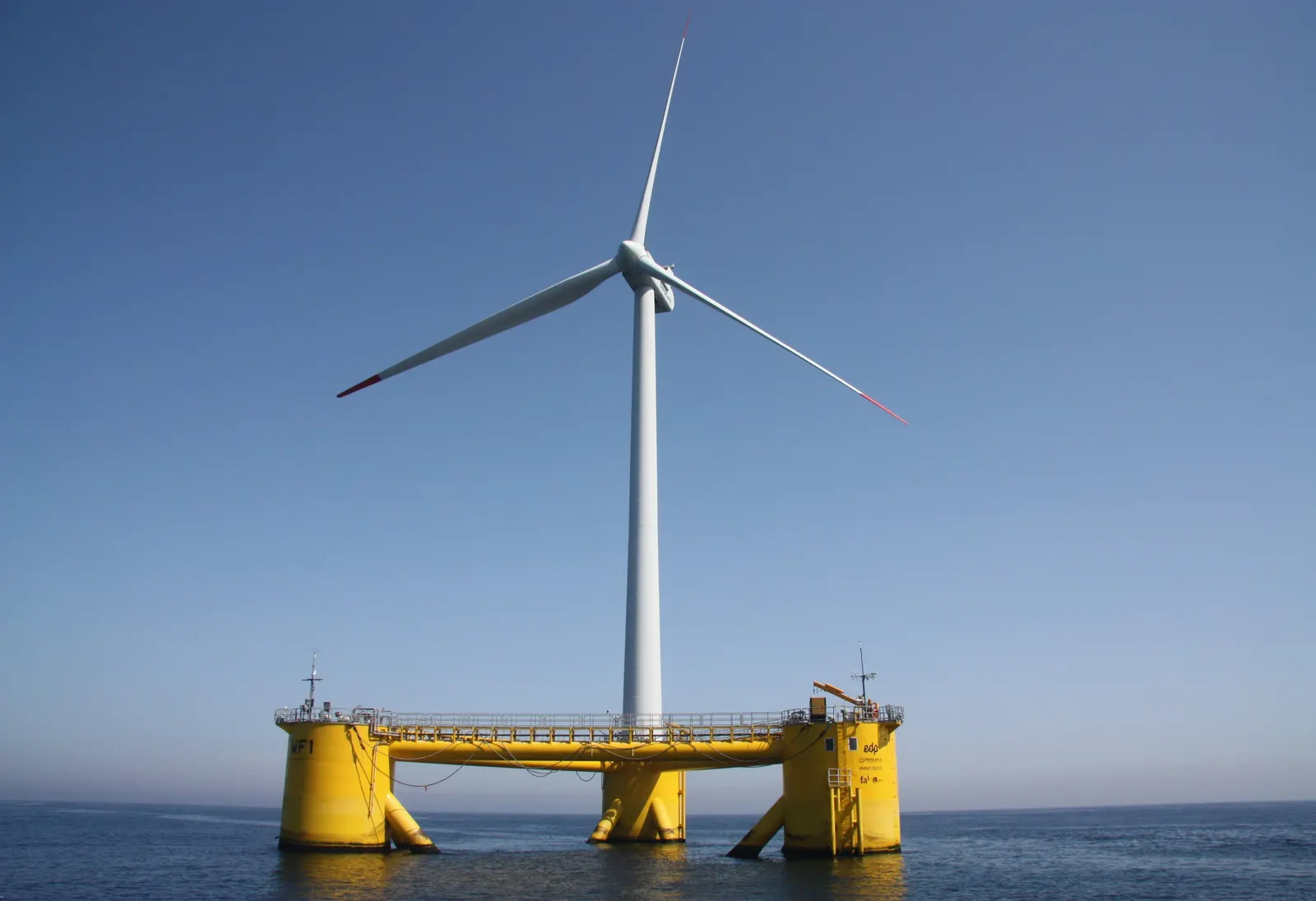
Floating wind lets turbines work in deeper waters where conventional fixed-bottom foundations may not be suitable — opening far larger sea areas to wind power.
CFloating platform technologies
Semi-submersible
≈ 50 m +Three or four buoyant columns linked by pontoons; shallow draft, assembled in port and towed out.
Spar-buoy
≈ 100 m +Long ballasted cylinder with deep draft — very stable, needs deep water and sheltered assembly.
Tension-leg platform (TLP)
≈ 50 m +Buoyant hull held down by taut vertical tendons; small footprint, little motion, demanding anchors.
Barge-type
≈ 30 m +Wide, shallow-draft hull, often with motion-damping moonpool.
Hybrid floating
Concept-specificCombinations of the above, multi-turbine or shared-mooring concepts.
C.1Mooring, anchoring and dynamic cables
- Catenary mooring
- Heavy chain lying on the seabed; weight restores the platform
- Taut / semi-taut
- Synthetic or wire lines at an angle; smaller footprint
- Tension-leg tendons
- Vertical steel tendons for TLPs
- Drag-embedment anchors
- Holding by digging into soft seabed
- Suction / driven piles
- Vertical load capacity for taut systems
- Dynamic cables
- Buoyancy modules let the export cable move with the platform
6BFloating wind infrastructure
- Floating platforms
- Semi-submersible structures
- Spar platforms
- Tension-leg platforms
- Floating barge systems
- Mooring lines
- Anchoring systems
- Dynamic cables
- Floating platform assembly
- Offshore towing and positioning
- Floating system inspection
- 1Hull fabrication
- 2Quayside turbine assembly
- 3Tow-out
- 4Hook-up to pre-laid moorings
- 5Dynamic cable connection
- 6Commissioning
An earlier-stage market
Section 06
Distributed & Small Wind Power
Decentralised wind for locations where large utility-scale wind farms are not practical — campuses, farms, remote communities, telecom sites and microgrids.
CDistributed wind systems
12- Small wind turbines
- Micro-wind turbines
- Rooftop wind systems
- Industrial campus wind systems
- Agricultural wind systems
- Rural and remote-area wind systems
- Telecom tower wind systems
- Hybrid solar-wind systems
- Off-grid wind power systems
- Microgrid wind generation
- Wind-powered water pumping
- Wind-powered community infrastructure
- Design standard
- IEC 61400-2 — small wind turbines (swept area up to 200 m²)
- Best fit
- Open sites with steady wind, hybrid solar-wind-battery systems, diesel saving
- Watch points
- Turbulence near buildings, low hub height, noise, structural approval of rooftops
Rooftop and urban wind often yields far less than brochures suggest — measure the site before buying, and size hybrids with solar and storage.
Section 07
Wind Turbine Design & Architectures
Rotor configuration, drivetrain and generator choices define a turbine's efficiency, reliability, maintainability and grid behaviour.
D.0Inside a utility-scale wind turbine
Swipe sideways to see the full diagram.
D.1Horizontal axis wind turbines (HAWT)
6- Three-blade horizontal-axis turbines
- Two-blade turbines
- Downwind turbines
- Upwind turbines
- Utility-scale HAWT
- Small and medium HAWT
D.2Vertical axis wind turbines (VAWT)
5- Darrieus turbines
- H-rotor turbines
- Savonius turbines
- Helical VAWT
- Hybrid vertical-axis turbines
D.3Drive and generator technologies
8- Geared turbines
- Direct-drive turbines
- Medium-speed drive systems
- Permanent magnet synchronous generators
- Doubly-fed induction generators
- Full-converter synchronous generators
- Variable-speed wind turbines
- Advanced power-electronic generator systems
Vertical-axis machines accept wind from any direction and keep the generator at ground level, which suits some small and urban sites; utility-scale generation today is dominated by three-blade upwind HAWTs.
D.4Drivetrain concepts compared
| High-speed geared + DFIG | Medium-speed (hybrid) + PMSG | Direct-drive + PMSG / EESG | |
|---|---|---|---|
| Gearbox | 3-stage gearbox | 1–2 stage gearbox | None |
| Generator speed | ≈ 1,000–1,800 rpm | ≈ 100–500 rpm | Rotor speed (≈ 5–15 rpm) |
| Converter | Partial (≈ 30 % of rating) | Full converter | Full converter |
| Strengths | Compact, low generator cost, long track record | Balance of size, mass and reliability | Fewest moving parts, high availability |
| Watch points | Gearbox and bearing maintenance | Rare-earth magnet supply | Large, heavy generator; magnet supply |
D.5How a turbine controls its output
- Region I · below cut-in
- ≈ < 3 m/s — rotor idles, no generation
- Region II · partial load
- Speed control tracks the best tip-speed ratio for maximum Cp
- Region III · rated
- ≈ 11–13 m/s and above — pitch sheds excess power, output held at rating
- Cut-out / storm
- ≈ 25 m/s (higher with storm control) — blades feathered, rotor parked
Section 08
Wind Turbine Systems & Components
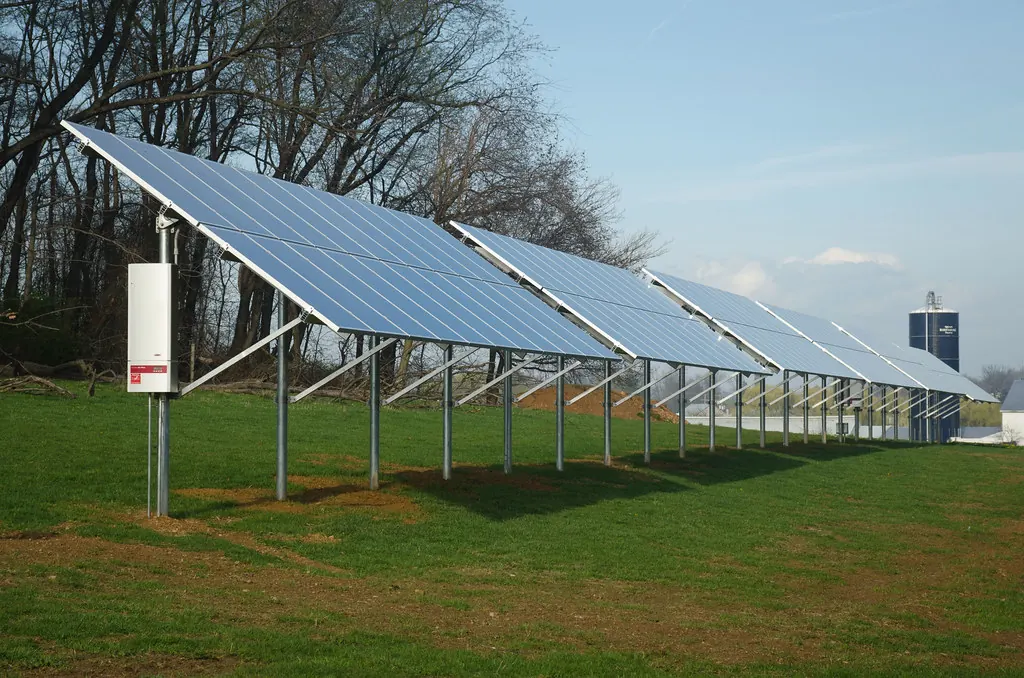
The complete turbine manufacturing, procurement, installation and maintenance ecosystem — system by system.
- 2.1Rotor and blade systems
- 2.2Nacelle and drivetrain
- 2.3Electrical generation systems
- 2.4Tower and structural systems
- 2.5Control and safety systems
2.1Rotor and blade systems
11- Rotor blades
- Blade roots
- Blade hubs
- Blade bearings
- Pitch control systems
- Blade pitch motors
- Blade hydraulic systems
- Blade lightning protection
- Blade heating and de-icing systems
- Blade monitoring systems
- Blade repair materials
2.2Nacelle and drivetrain
11- Nacelle housing
- Main shaft
- Main bearings
- Gearboxes
- Direct-drive systems
- Couplings
- Mechanical brakes
- Hydraulic systems
- Lubrication systems
- Cooling systems
- Vibration monitoring systems
2.3Electrical generation systems
10- Wind generators
- Permanent magnet generators
- Induction generators
- Synchronous generators
- Power converters
- Inverters
- Transformers
- Switchgear
- Electrical control panels
- Power quality equipment
2.4Tower and structural systems
11- Tubular steel towers
- Concrete towers
- Hybrid towers
- Lattice towers
- Tower sections
- Tower flanges
- Anchor cages
- Foundation bolts
- Access ladders and lifts
- Internal platforms
- Structural monitoring systems
2.5Control and safety systems
12- Yaw systems
- Pitch systems
- Turbine controllers
- SCADA
- Condition monitoring systems
- Wind sensors
- Anemometers
- Wind vanes
- Lightning protection
- Fire detection and suppression
- Emergency shutdown systems
- Remote monitoring equipment
Section 09
Wind Resource Assessment & Project Identification
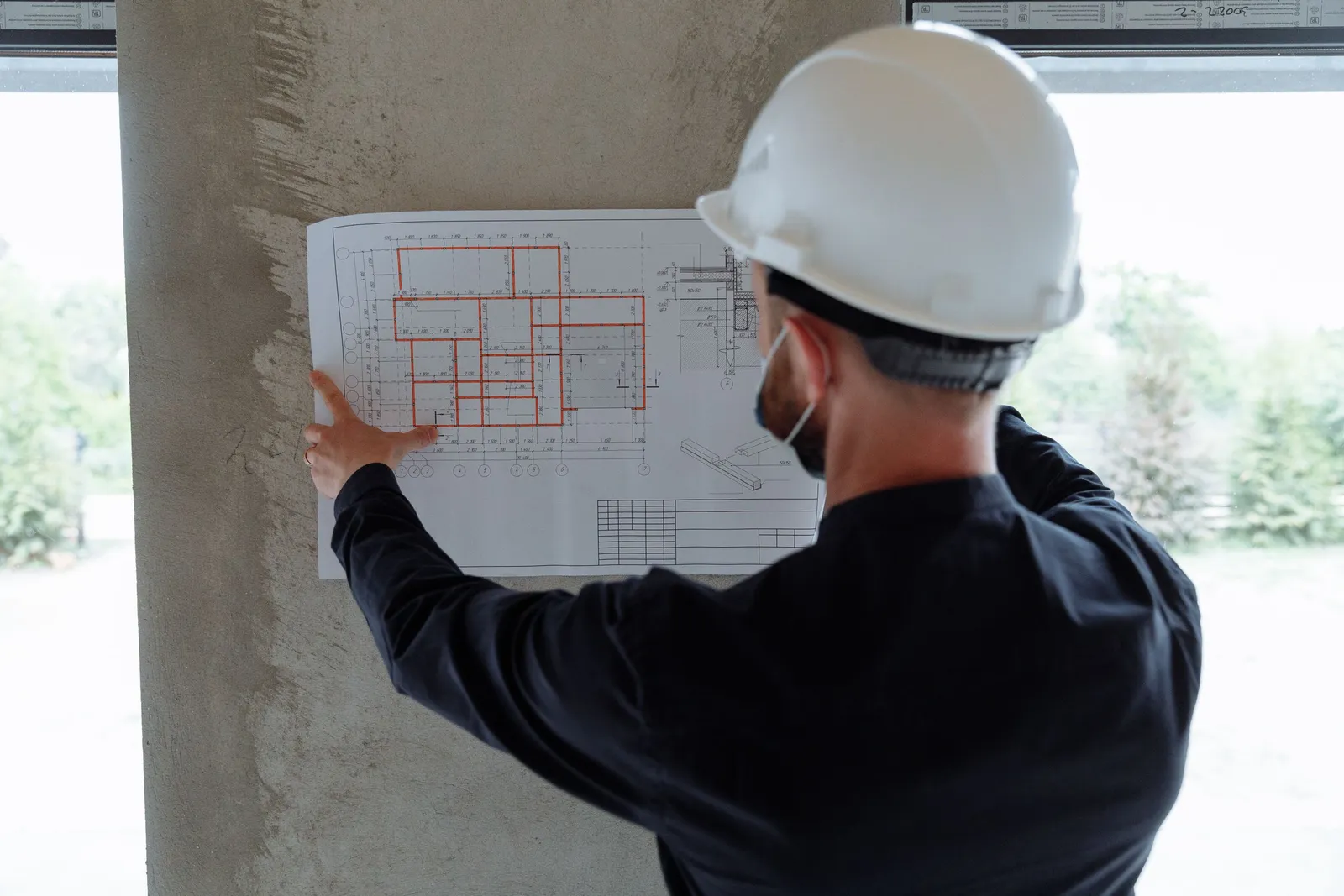
A successful wind project begins with accurate wind-resource assessment and site evaluation — energy rises with the cube of wind speed, so a small error in speed is a large error in revenue.
3.1Key resource parameters
- v̄ (m/s)
- Mean wind speed at hub height — the first screening figure
- P/A (W/m²)
- Wind power density = ½ ρ v³, averaged over the distribution
- α
- Shear exponent: v₂ = v₁ (h₂ / h₁)^α
- TI (%)
- Turbulence intensity = σ / v̄ — sets the IEC turbine class (A/B/C)
- ρ (kg/m³)
- Air density — falls with altitude and heat; 1.225 at sea level, 15 °C
- k, c
- Weibull shape and scale parameters of the speed distribution
- V_ref / V_e50
- Reference and 50-year extreme wind — sets the IEC class I/II/III
- Wind rose
- Frequency and energy by direction — drives turbine spacing
3.2Resource assessment services
- Wind-resource mapping
- Wind measurement campaigns
- Wind monitoring stations
- Meteorological masts
- LiDAR measurement systems
- SoDAR measurement systems
- Floating LiDAR for offshore projects
- Wind speed and direction analysis
- Wind shear analysis
- Turbulence intensity analysis
- Air-density assessment
- Extreme wind analysis
- Wind rose development
- Weibull distribution analysis
- Terrain and roughness analysis
- Wake-effect analysis
- Micrositing
- Turbine suitability assessment
- Annual energy production assessment
- Long-term wind correction
- Energy yield estimation
- P50, P75 and P90 assessment
- Uncertainty and loss assessment
- Independent technical assessment
- Bankable wind-resource reports
3.3From measurement to bankable energy yield
- 1Measurement campaign (mast / LiDAR, ≥ 12 months)
- 2Data screening and gap filling
- 3Long-term correction (MCP with reference data)
- 4Vertical extrapolation to hub height
- 5Flow modelling across the site
- 6Turbine power curve and layout
- 7Wake losses
- 8Gross → net AEP (availability, electrical, environmental, curtailment)
- 9Uncertainty → P50 / P75 / P90
- Gross energy (free-stream)100 %
- Wake effect-8 %
- Turbine availability-3 %
- Balance-of-plant availability-0.5 %
- Electrical losses-2 %
- Turbine performance (power curve, hysteresis)-1.5 %
- Environmental (icing, blade degradation, heat)-1.5 %
- Curtailment and grid-2 %
- Net energy (P50 basis)81.5 %
Illustrative loss stack for an onshore wind farm; wake and curtailment losses vary widely by layout and grid.
P50 and P90 are probabilities, not guarantees
3.4Wind farm energy estimator
Hub-height wind, Weibull distribution, generic power curve, net AEP, capacity factor, CO₂ and revenue. Pick a project type to load typical values.
Indicative result
- Net annual energy (farm)
- 557.94 GWh
- Installed capacity
- 165.0 MW
- Capacity factor
- 38.6 %
- Hub-height mean speed
- 7.03 m/s
- Wind power density
- 373 W/m²
- Gross AEP / turbine
- 13.13 GWh
- Full-load hours
- 3,381 h
- Rated wind speed
- 9.5 m/s
- Specific power
- 214 W/m²
- Hours at rated power
- 2,002 h
- CO₂ avoided / year
- 3,96,136 t
- Revenue / savings / year
- ₹ 178.54 crore
vhub = vref (hhub/href)α; Weibull c = vhub / Γ(1+1/k); P(v) = min(Prated, ½ ρ A v³ Cp); AEP = 8,760 h · ∫ P(v) f(v) dv. A generic power curve (constant Cp, so slightly optimistic just below rated speed) stands in for the OEM's measured one. Screening estimate only — not a bankable energy-yield assessment: no wake model, terrain flow, long-term correction or P50 / P90 uncertainty. Bankable yield studies are done by qualified engineers on measured site data.
Section 10
Wind Project Development
BARREL supports wind power projects from concept to commercial operation — and on through expansion, acquisition and repowering.

Development stages
- 1Prospecting
- 2Measurement
- 3Feasibility
- 4Permits & land
- 5Grid & PPA
- 6Financial close
- 7Construction
- 8COD
- 9Operations
4.1Project development services
21- Project identification
- Site selection
- Land identification and acquisition
- Land leasing
- Wind-resource assessment
- Feasibility studies
- Pre-feasibility studies
- Technical due diligence
- Commercial feasibility
- Project structuring
- Project financial modelling
- Power evacuation planning
- Grid connectivity
- Regulatory approvals
- Environmental and social assessments
- Power purchase agreements
- Project financing
- Investor coordination
- Project acquisition
- Project expansion
- Repowering
4.2Project development models
12- Independent Power Producer (IPP)
- Captive wind power projects
- Group captive projects
- Third-party sale
- Open-access projects
- Utility-scale wind parks
- Government-backed projects
- Public-private partnerships
- Joint ventures
- Build-Own-Operate (BOO)
- Build-Own-Operate-Transfer (BOOT)
- Wind project development partnerships
Section 11
Onshore Wind Farm Infrastructure
Everything required to establish and operate an onshore wind farm — land, civil works, heavy-lift erection and electrical evacuation.
- 5.1Land and site infrastructure
- 5.2Civil engineering
- 5.3Mechanical and installation
- 5.4Electrical infrastructure
5.1Land and site infrastructure
13- Land acquisition and leasing
- Land surveys
- Site boundary demarcation
- Land development
- Site grading
- Internal roads
- Approach roads
- Drainage systems
- Crane hardstands
- Equipment storage yards
- Site offices
- Security infrastructure
- Operations and maintenance facilities
5.2Civil engineering
12- Wind turbine foundations
- Reinforced concrete foundations
- Pile foundations where required
- Foundation reinforcement
- Anchor bolt assemblies
- Tower foundation systems
- Substation foundations
- Control-room buildings
- Drainage and culverts
- Retaining structures
- Road construction
- Crane platform construction
5.3Mechanical and installation
11- Turbine transportation
- Blade transportation
- Tower erection
- Nacelle installation
- Rotor installation
- Crane mobilisation
- Heavy-lifting operations
- Mechanical alignment
- Bolt tensioning
- Turbine assembly
- Mechanical completion
5.4Electrical infrastructure
12- Turbine electrical systems
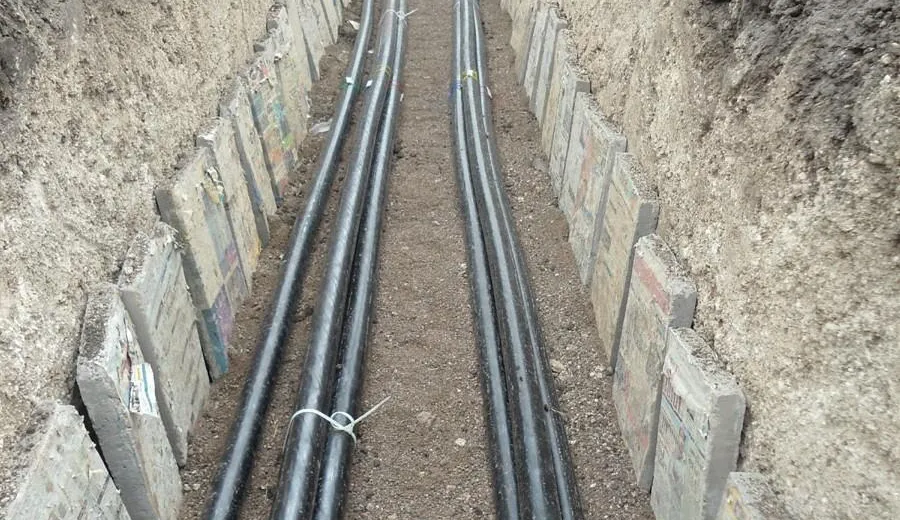
- Intra-wind-farm collection network
- Underground and overhead cables
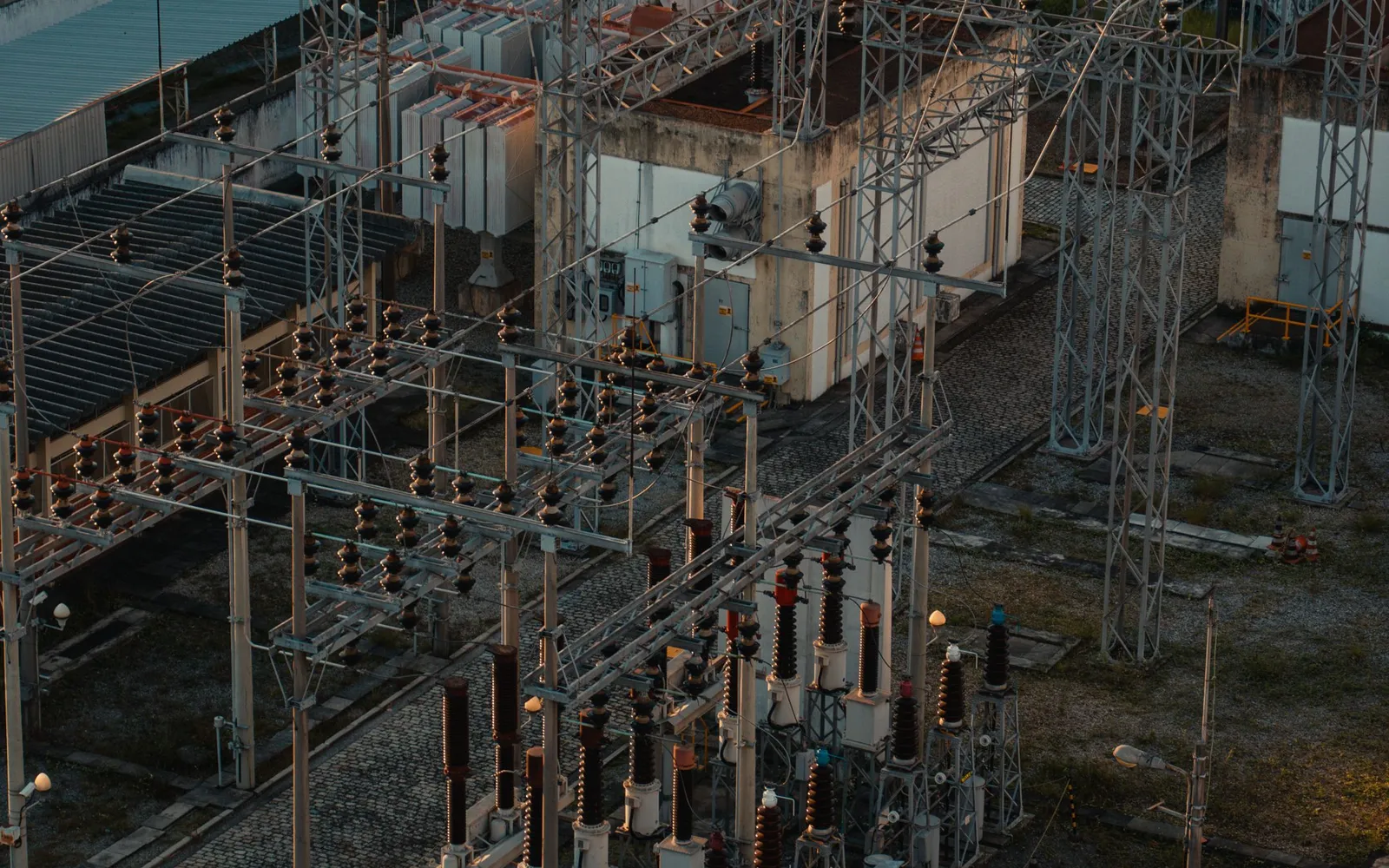
- Wind farm pooling substations
- Power transformers
- Switchgear
- Protection systems
- Metering systems
- Earthing systems
- SCADA and communication systems
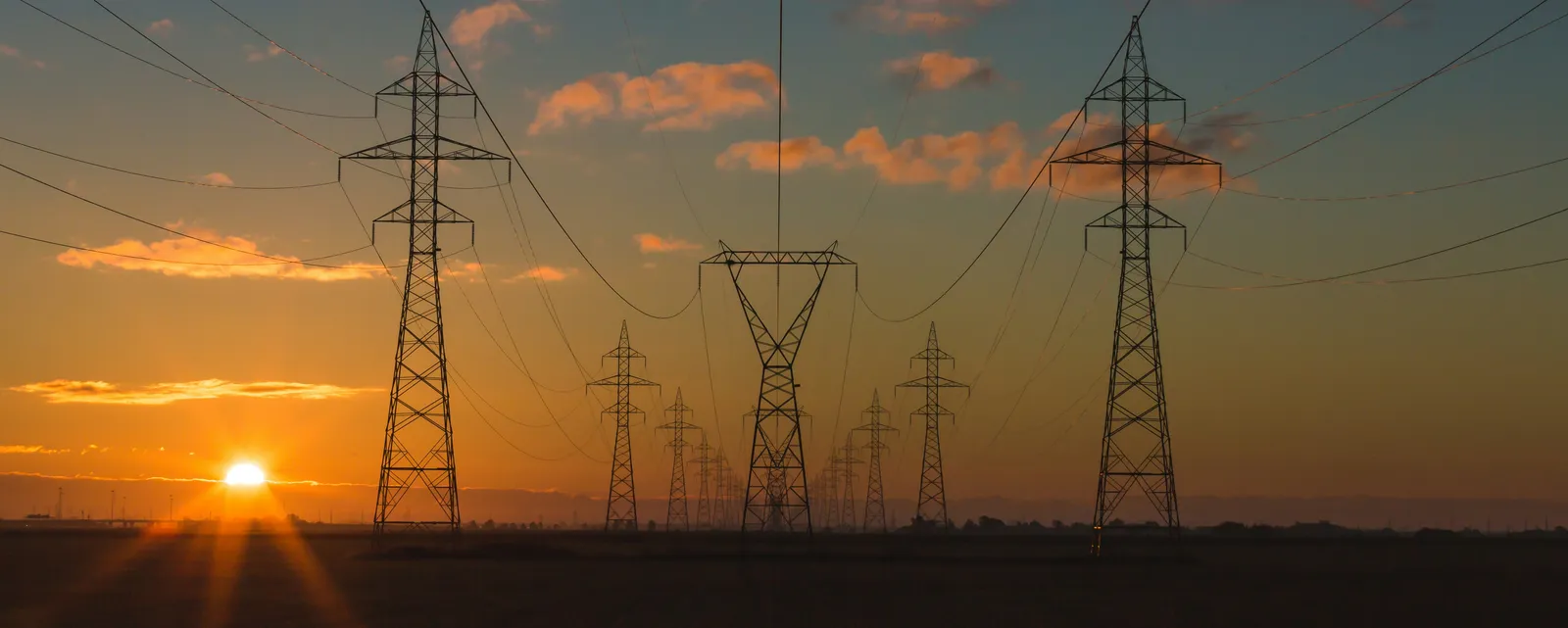
- Grid evacuation lines
- Transmission connectivity
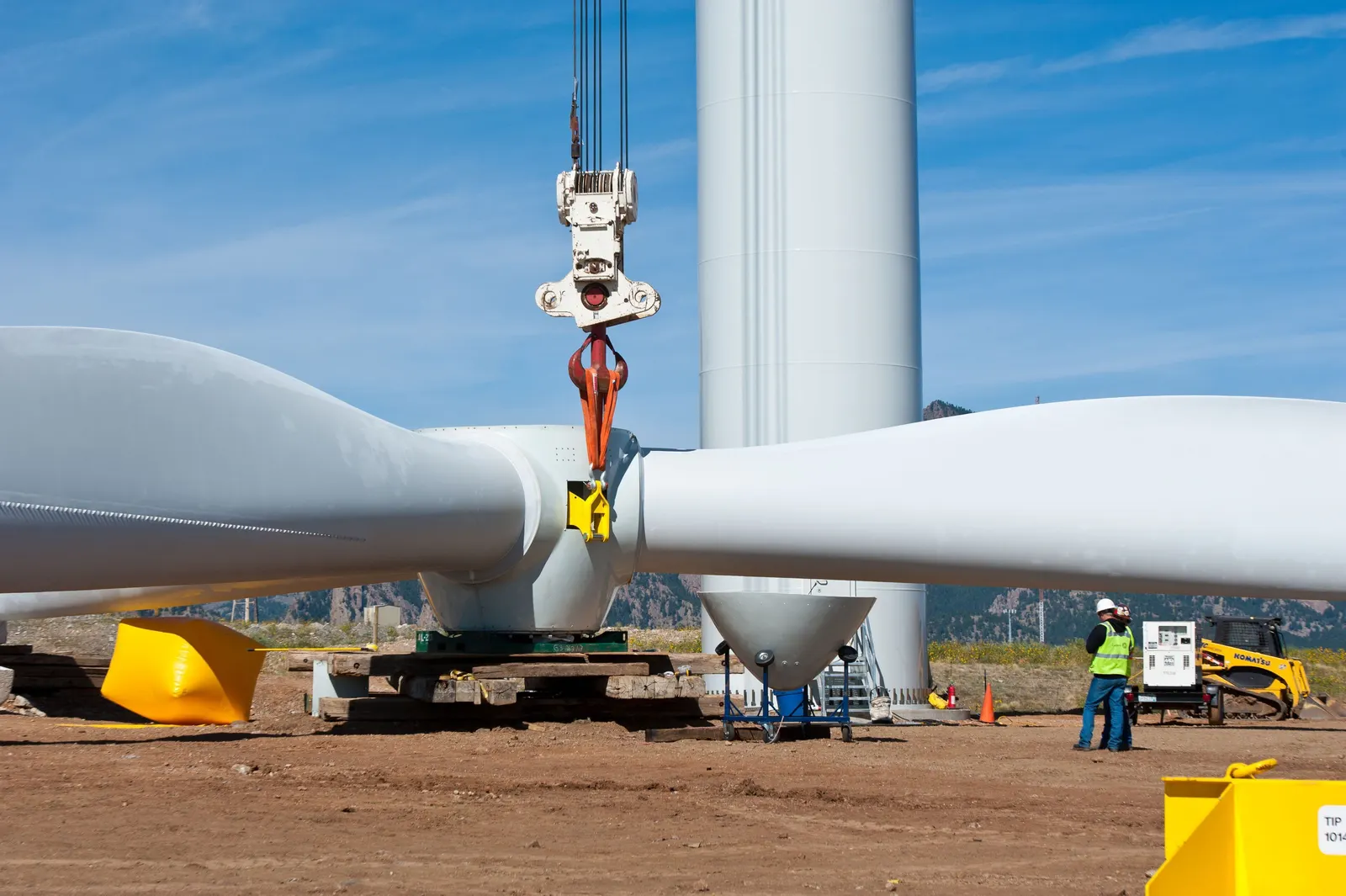
5.5Typical turbine erection sequence
- 1Foundation cure
- 2Tower base section
- 3Mid / top sections
- 4Nacelle lift
- 5Hub + blades (or rotor star)
- 6Cabling
- 7Mechanical completion
- 8Commissioning
Section 12
Marine & Offshore Infrastructure
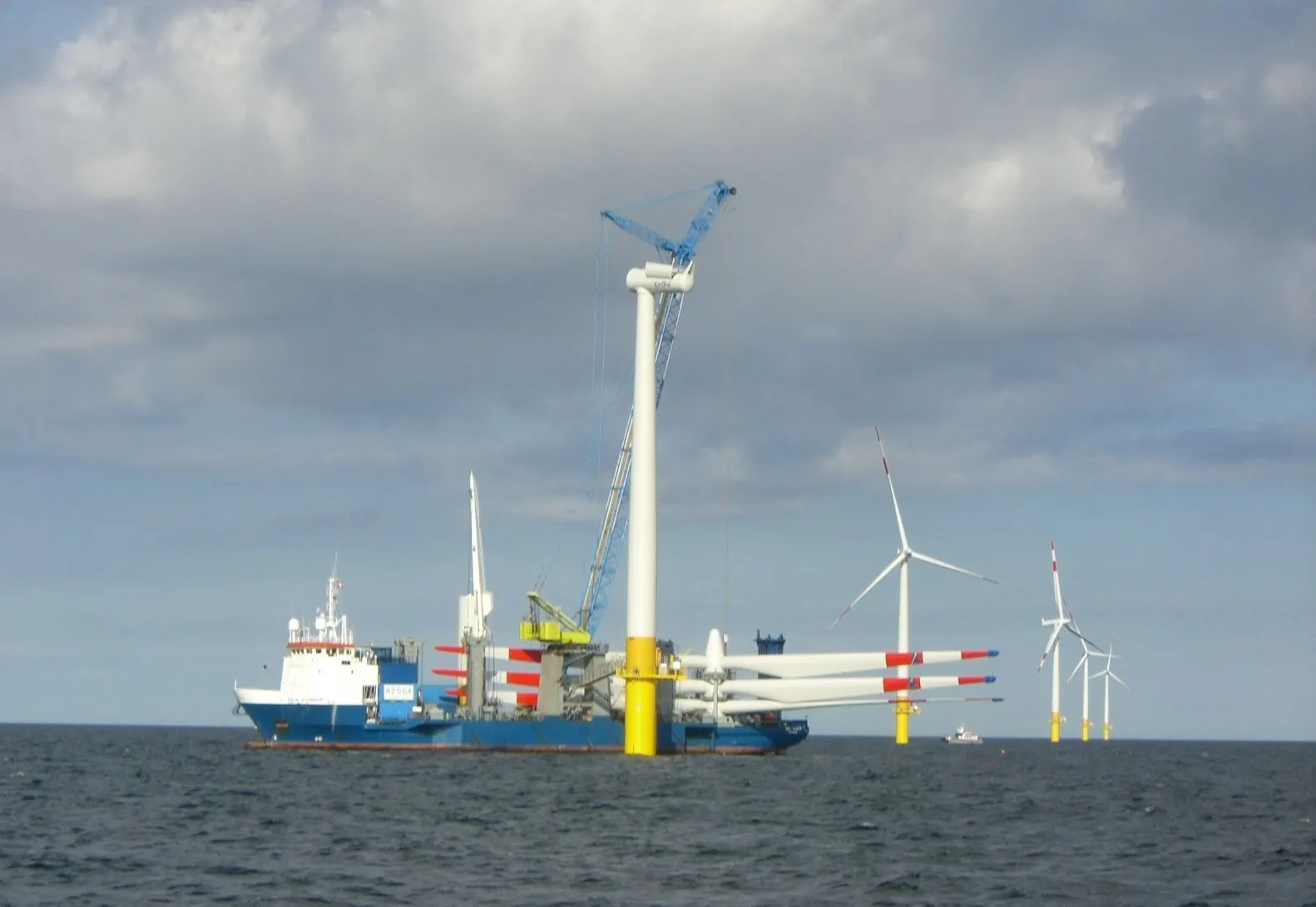
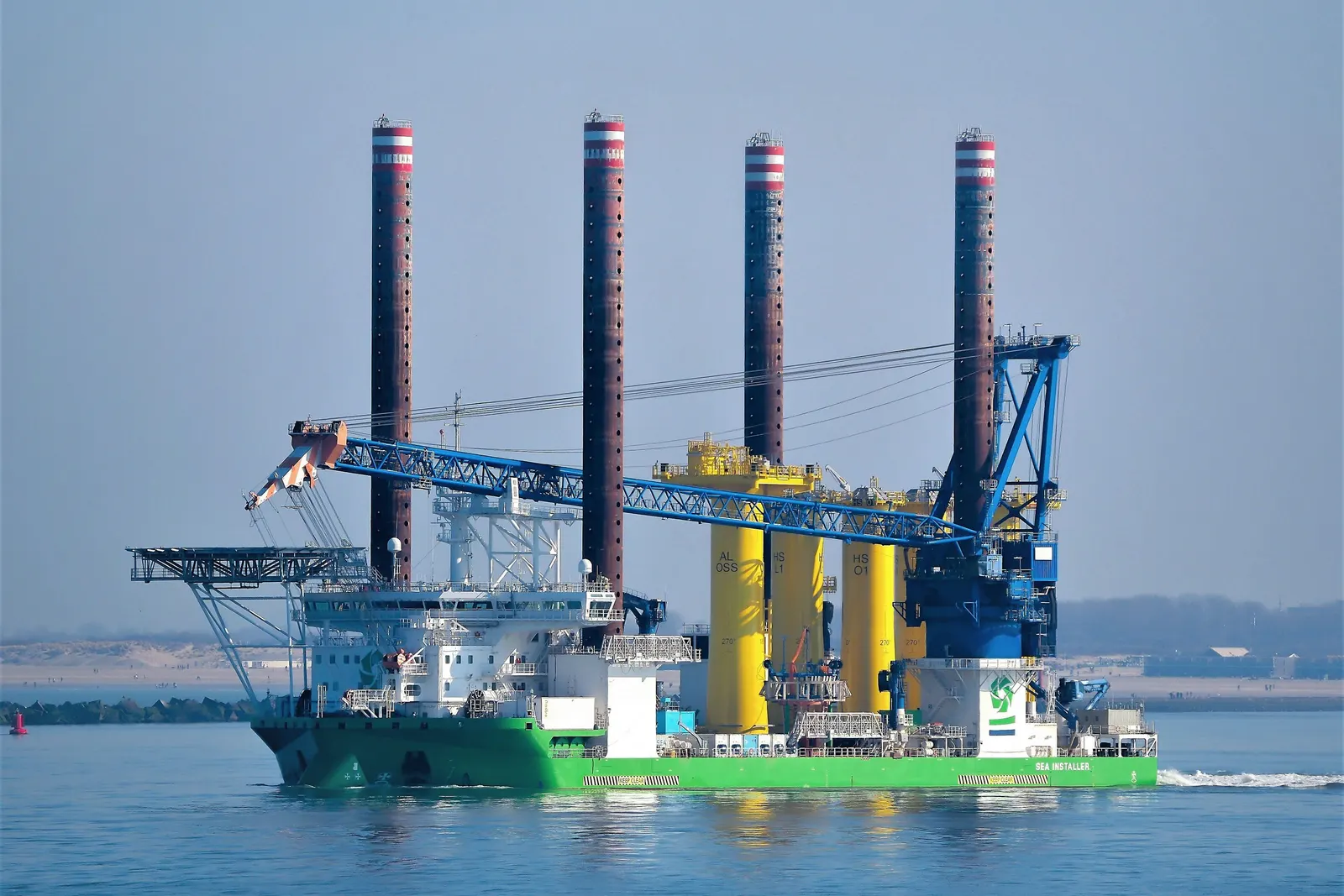
Offshore wind is built from ports and ships as much as from turbines — fabrication yards, marshalling harbours, installation vessels and long-term marine operations.
6DMarine infrastructure
11- Offshore wind installation ports
- Heavy-lift ports
- Component storage yards
- Blade handling facilities
- Tower storage facilities
- Foundation fabrication yards
- Offshore assembly areas
- Vessel berthing facilities
- Marine logistics centres
- Offshore maintenance bases
- Crew transfer facilities
6EOffshore vessels and marine operations
12- Jack-up installation vessels
- Heavy-lift vessels
- Floating cranes
- Cable-laying vessels
- Cable burial vessels
- Service operation vessels
- Crew transfer vessels
- Survey vessels
- Anchor-handling vessels
- Tugs and barges
- Offshore support vessels
- Diving and remotely operated vehicle support
6.1What an offshore wind port needs
- Quay bearing capacity
- Heavy-lift quays for foundations, nacelles and towers
- Laydown area
- Large yards for blades, towers and monopiles
- Water depth & air draft
- Access for jack-up and heavy-lift vessels
- Proximity
- Short transit to the wind zone for installation and O&M
Section 13
Wind Engineering & Technical Services
An integrated engineering ecosystem across all wind technologies — civil and structural, mechanical, electrical, and instrumentation, control and automation.

- 7.1Civil and structural engineering
- 7.2Mechanical engineering
- 7.3Electrical engineering
- 7.4Instrumentation, control and automation
7.1Civil and structural engineering
11- Site development engineering
- Turbine foundation engineering
- Tower structural engineering
- Crane platform engineering
- Road and drainage engineering
- Substation civil engineering
- Offshore foundation engineering
- Floating platform engineering
- Port and marine structure engineering
- Geotechnical engineering
- Structural analysis
7.2Mechanical engineering
10- Turbine mechanical systems
- Blade engineering
- Gearbox engineering
- Generator mechanical systems
- Bearing systems
- Cooling and lubrication systems
- Hydraulic systems
- Crane and lifting systems
- Offshore mechanical systems
- Condition monitoring
7.3Electrical engineering
12- Generator systems
- Converter systems
- Transformer sizing
- Cable sizing
- Wind farm collection systems
- Substation engineering
- Protection and control
- Earthing and lightning protection
- Power quality
- Reactive power compensation
- Grid interconnection
- HVDC and HVAC systems
7.4Instrumentation, control and automation
11- Turbine control systems
- SCADA
- PLC systems
- Remote terminal units
- Communication networks
- Condition monitoring
- Predictive maintenance
- Digital twins
- AI-based forecasting
- Cybersecurity
- Remote operations
Section 14
Grid Integration & Power Evacuation
From the turbine transformer to the transmission network — collection, pooling, export and grid-code compliance.
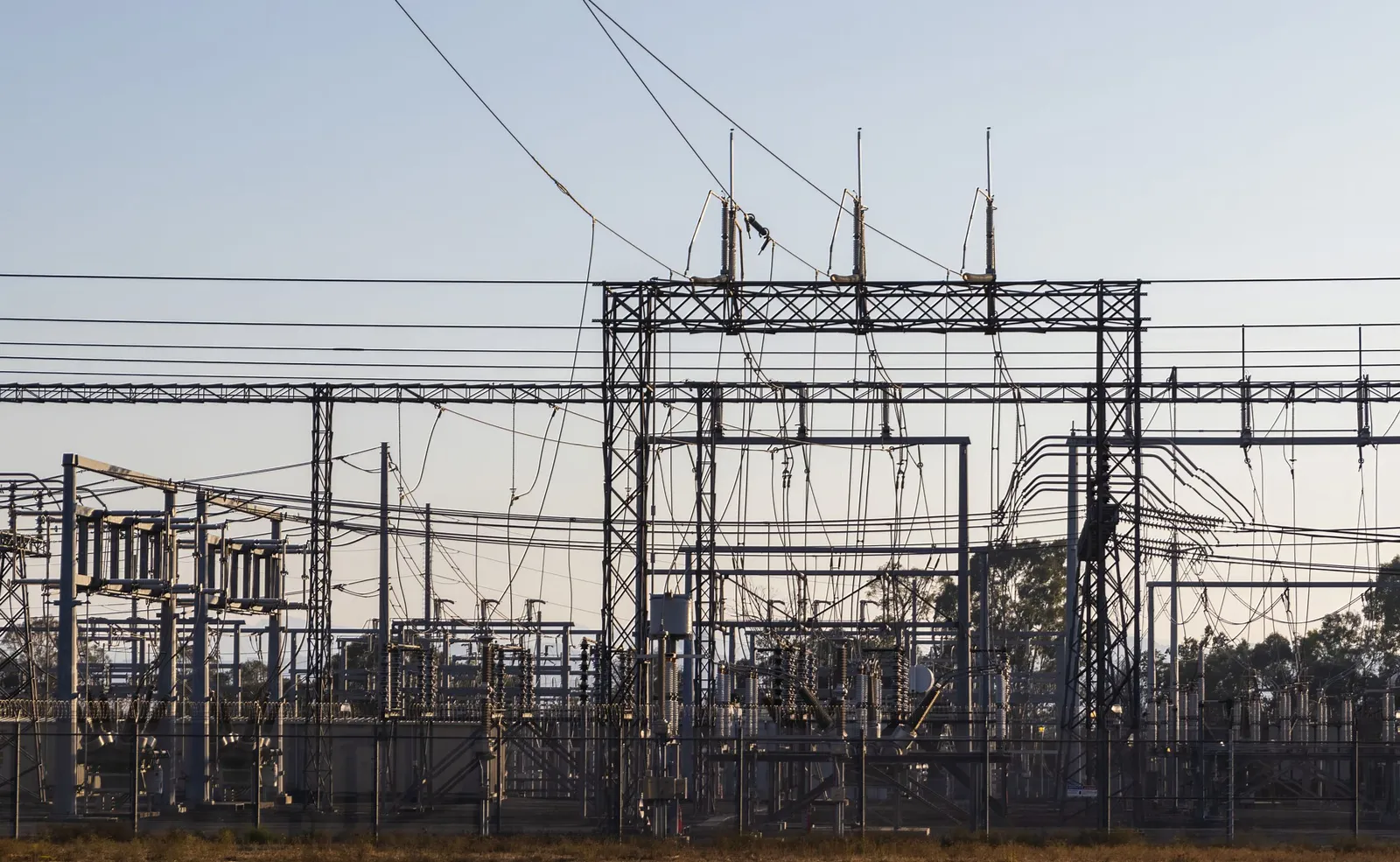
7.5Voltage levels
11 kV
Small and distributed wind, single-turbine connections
22 kV
Small wind clusters, distribution feeders
33 kV
Typical onshore collection (array) network
66 kV
Large-turbine arrays, offshore inter-array cables
110 kV
Medium wind farm evacuation
132 kV
Wind farm evacuation to state grid
220 kV
Pooling station to transmission, offshore export (HVAC)
400 kV
Large wind / hybrid parks, inter-state transmission
765 kV
Renewable energy zone corridors
HVDC
Long-distance offshore export and bulk corridors, where technically appropriate
7.6Grid studies and services
- Grid studies
- Load flow
- Short-circuit studies
- Stability analysis
- Reactive power management
- Fault ride-through compliance
- Transmission planning
- Grid-code compliance
- Harmonic studies
- Protection coordination
- Forecasting and scheduling
- Power plant controller design
Grid codes differ by country and connection
Section 15
Wind Manufacturing & Industrial Supply Chain
The complete industrial manufacturing and supply chain — from steel, resin and magnets to finished turbines, offshore structures and spare parts.
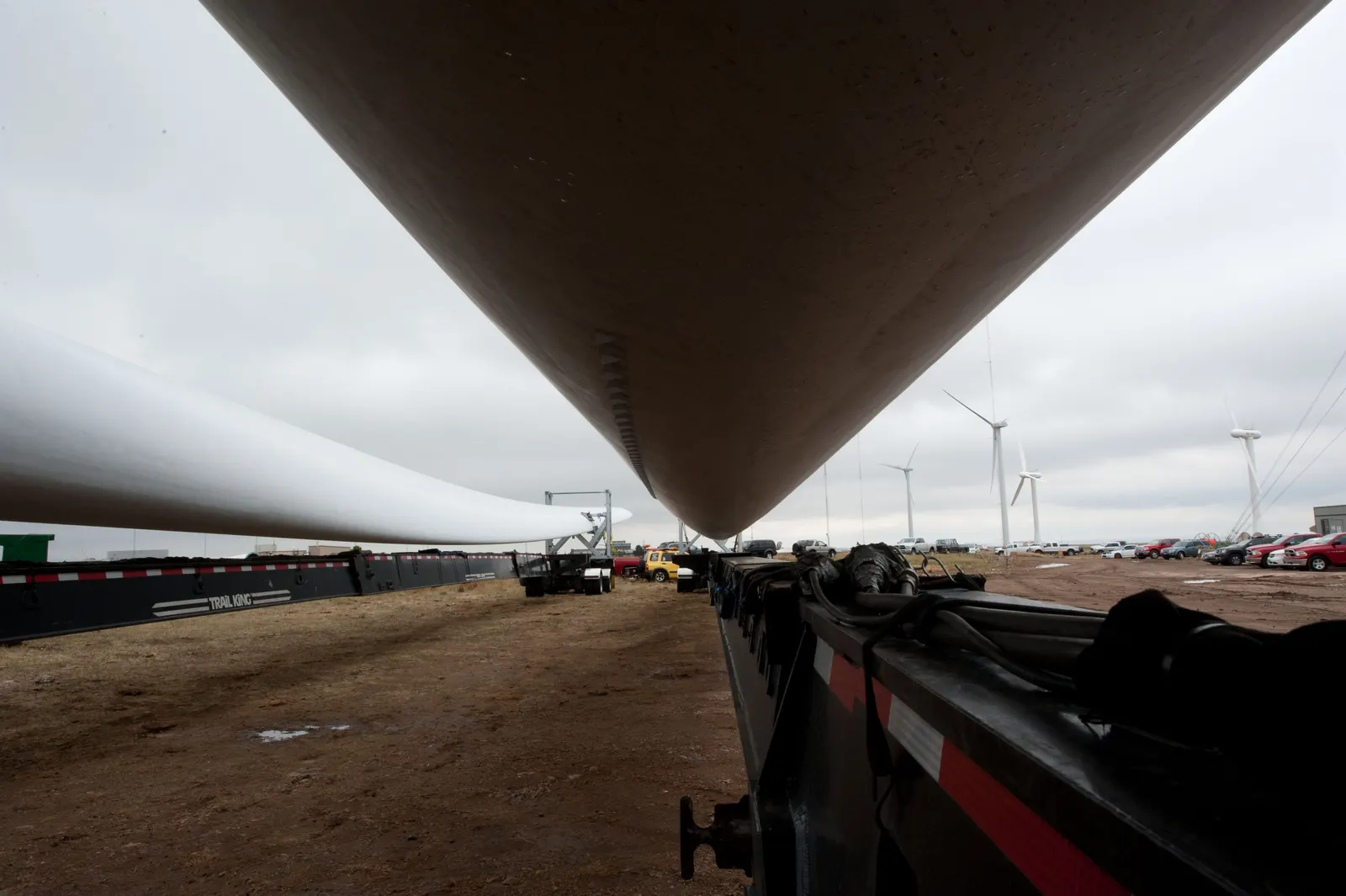
From raw material to installed turbine
- 1Raw materials (steel, resin, glass / carbon fibre, copper, magnets)
- 2Components
- 3Blades · nacelle · tower
- 4Turbine assembly
- 5Transport & logistics
- 6Installation
8.1Wind turbine manufacturing
10- Complete wind turbine manufacturing
- Rotor manufacturing
- Blade manufacturing
- Hub manufacturing
- Nacelle manufacturing
- Gearbox manufacturing
- Generator manufacturing
- Tower manufacturing
- Converter manufacturing
- Control-system manufacturing
8.2Component manufacturing
17- Bearings
- Shafts
- Couplings
- Brakes
- Hydraulic equipment
- Cooling systems
- Pitch systems
- Yaw systems
- Fasteners
- Structural steel
- Tower flanges
- Electrical panels
- Transformers
- Switchgear
- Power cables
- Sensors
- Monitoring equipment
8.3Offshore manufacturing
10- Monopiles
- Jacket foundations
- Transition pieces
- Floating platforms
- Mooring systems
- Anchors
- Subsea cables
- Offshore substations
- Marine electrical equipment
- Corrosion protection systems
8.4Industrial and commercial activities
13- Manufacturing
- Contract manufacturing
- OEM partnerships
- Component sourcing
- Equipment distribution
- Import and export
- International procurement
- Warehousing
- Logistics
- Spare parts management
- Industrial fabrication
- Quality inspection
- Supply-chain financing
Manufacturers & suppliers
Turbines, blades, towers, components and offshore steel
List your production, products and capacity on the BARREL supplier network.
Section 16
Wind Storage & Hybrid Energy
Wind integrated with other energy technologies to improve reliability, flexibility and commercial performance — towards round-the-clock renewable supply.
9.0Why wind and solar work well together
In many Indian wind regions wind blows harder in the evening, at night and in the monsoon months, when solar output is low. A hybrid park shares land, the pooling substation and the transmission line, lifting the use of the grid connection.
Adding a battery shifts surplus energy into peak hours and smooths ramps for scheduling.
9.1Wind and battery storage
9- Wind + BESS
- Grid-scale battery storage
- Lithium-ion storage
- Sodium-ion storage
- Flow batteries
- Advanced battery technologies
- Battery management systems
- Energy management systems
- Grid-forming inverters
9.2Wind and solar hybrid
6- Wind-solar hybrid parks
- Shared transmission infrastructure
- Hybrid power evacuation
- Complementary generation management
- Hybrid scheduling and forecasting
- Round-the-clock renewable energy solutions
9.3Wind and hydrogen
7- Wind-powered electrolysers
- Green hydrogen production
- Hydrogen storage
- Hydrogen compression
- Hydrogen transportation
- Green ammonia production
- Industrial hydrogen supply
9.4Other integration opportunities
9- Wind + pumped hydro
- Wind + thermal storage
- Wind + hydropower
- Wind + microgrids
- Wind + industrial captive power
- Wind + EV charging
- Wind + data centres
- Wind + desalination
- Wind-to-X applications
See also Battery Storage and Solar Power.
Section 17
Wind Operations, Maintenance & Asset Lifecycle
The entire operational life of wind power assets — from daily operations and maintenance to life extension, repowering, decommissioning and recycling.
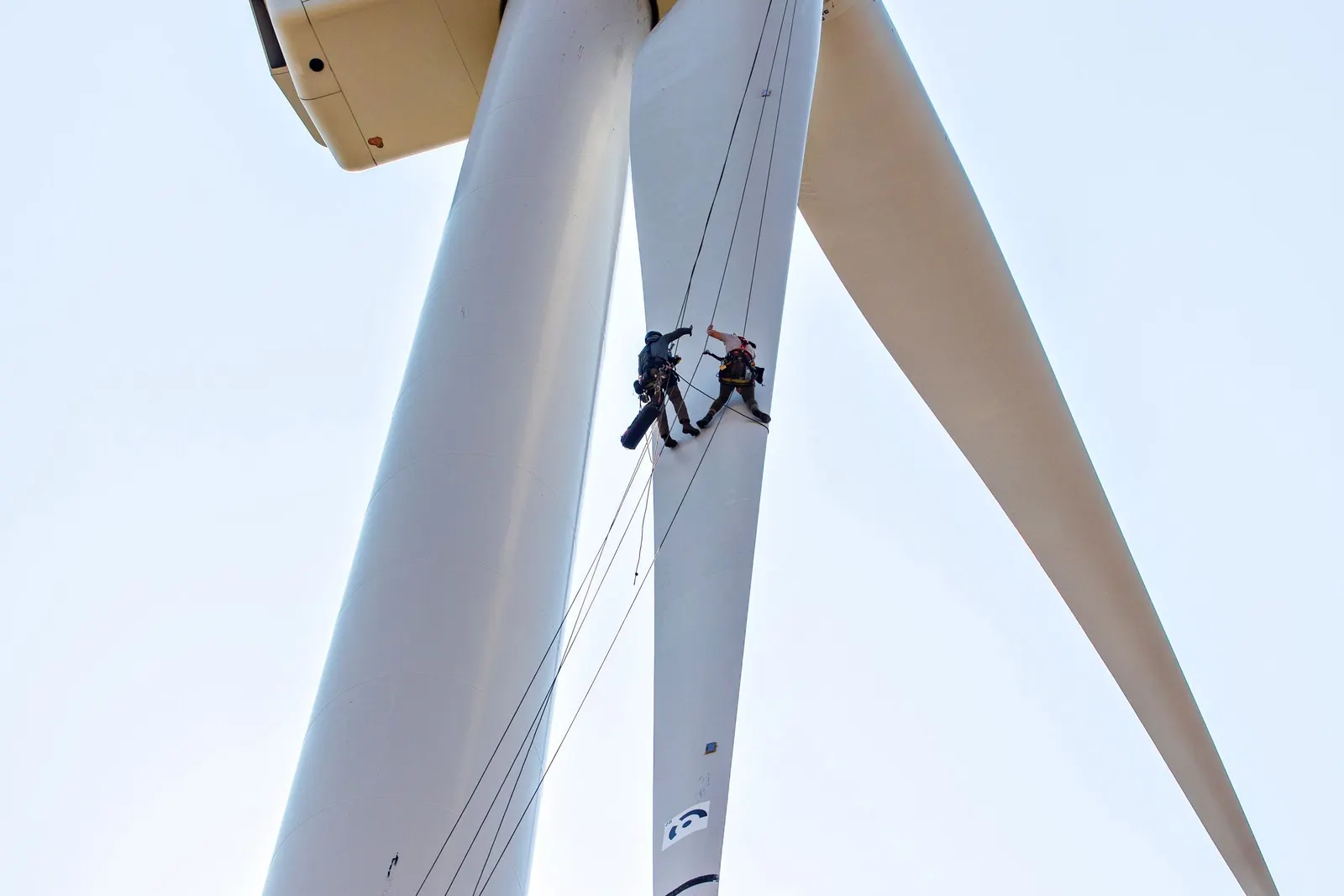
Asset lifecycle
- 1Development
- 2Construction
- 3Commissioning
- 4Operations (≈ 20–30 years)
- 5Life extension
- 6Repowering
- 7Decommissioning & recycling
10.1Operations
10- Wind farm operations
- Turbine performance monitoring
- Generation monitoring
- SCADA monitoring
- Availability management
- Energy forecasting
- Scheduling and dispatch
- Performance optimisation
- Grid coordination
- Curtailment management
10.2Maintenance
14- Preventive maintenance
- Predictive maintenance
- Corrective maintenance
- Turbine inspection
- Blade inspection
- Blade repair
- Gearbox maintenance
- Generator maintenance
- Bearing replacement
- Converter maintenance
- Transformer maintenance
- Cable inspection
- Tower inspection
- Foundation inspection
10.3Offshore-specific O&M
10- Marine maintenance planning
- Offshore vessel coordination
- Offshore technician transfer
- Subsea cable inspection
- Underwater foundation inspection
- ROV inspection
- Mooring inspection
- Offshore platform maintenance
- Weather-window planning
- Offshore emergency response
10.4Asset lifecycle
12- Asset management
- Performance benchmarking
- Life extension
- Repowering
- Turbine replacement
- Capacity enhancement
- Asset acquisition
- Asset valuation
- Decommissioning
- Blade recycling
- Material recovery
- Site restoration
10.5Performance measures
- Time-based availability
- Share of hours the turbine is able to run (IEC 61400-26-1)
- Energy-based availability
- Energy produced ÷ energy possible (IEC 61400-26-2)
- Capacity factor / PLF
- Energy ÷ (rated power × hours in period)
- MTBF / MTTR
- Mean time between failures / to repair, per component
- Power-curve performance
- Measured vs warranted curve (IEC 61400-12)
- Lost production
- By cause: fault, grid, curtailment, weather, scheduled
Section 18
Emerging & Advanced Wind Technologies
BARREL tracks and supports emerging technologies alongside commercially established systems — each tagged by its readiness.
ETechnology watch
Airborne wind energy systems
DemonstrationTethered wings or drones reaching steadier winds above tower height.
Tethered kite wind energy
DemonstrationKites pull a ground-based generator in pumping cycles.
Airborne wind turbines
PrototypeRotors carried aloft; power sent down the tether.
Vortex-induced vibration systems
PrototypeOscillating mast harvests vortex shedding; small outputs so far.
Bladeless wind energy concepts
PrototypeNo rotating blades; claimed niches in urban and low-noise sites.
Advanced aerodynamic rotor designs
DevelopmentLonger, lighter, smarter blades; flaps, tips and load control.
High-altitude wind energy
ResearchJet-stream-level resource; major airspace and tether challenges.
Floating offshore wind energy hubs
PlanningMulti-GW offshore clusters with shared conversion and hydrogen.
Wind-powered hydrogen production
Early commercialElectrolysers fed by wind, onshore first; offshore in pilots.
Wind-powered ammonia production
PilotGreen hydrogen converted to ammonia for fertiliser, fuel and export.
Wind-to-X energy systems
PilotWind power to heat, methanol, e-fuels and industrial feedstocks.
Wind-solar-storage integrated parks
CommercialShared land and evacuation for firmer, round-the-clock supply.
AI-controlled wind farms
Early commercialWake steering, farm-level control and fault prediction.
Advanced predictive wind forecasting
CommercialMachine-learning forecasts for scheduling, trading and O&M.
Not equivalent to utility-scale turbines
Section 19
Environment, Social Responsibility & HSE
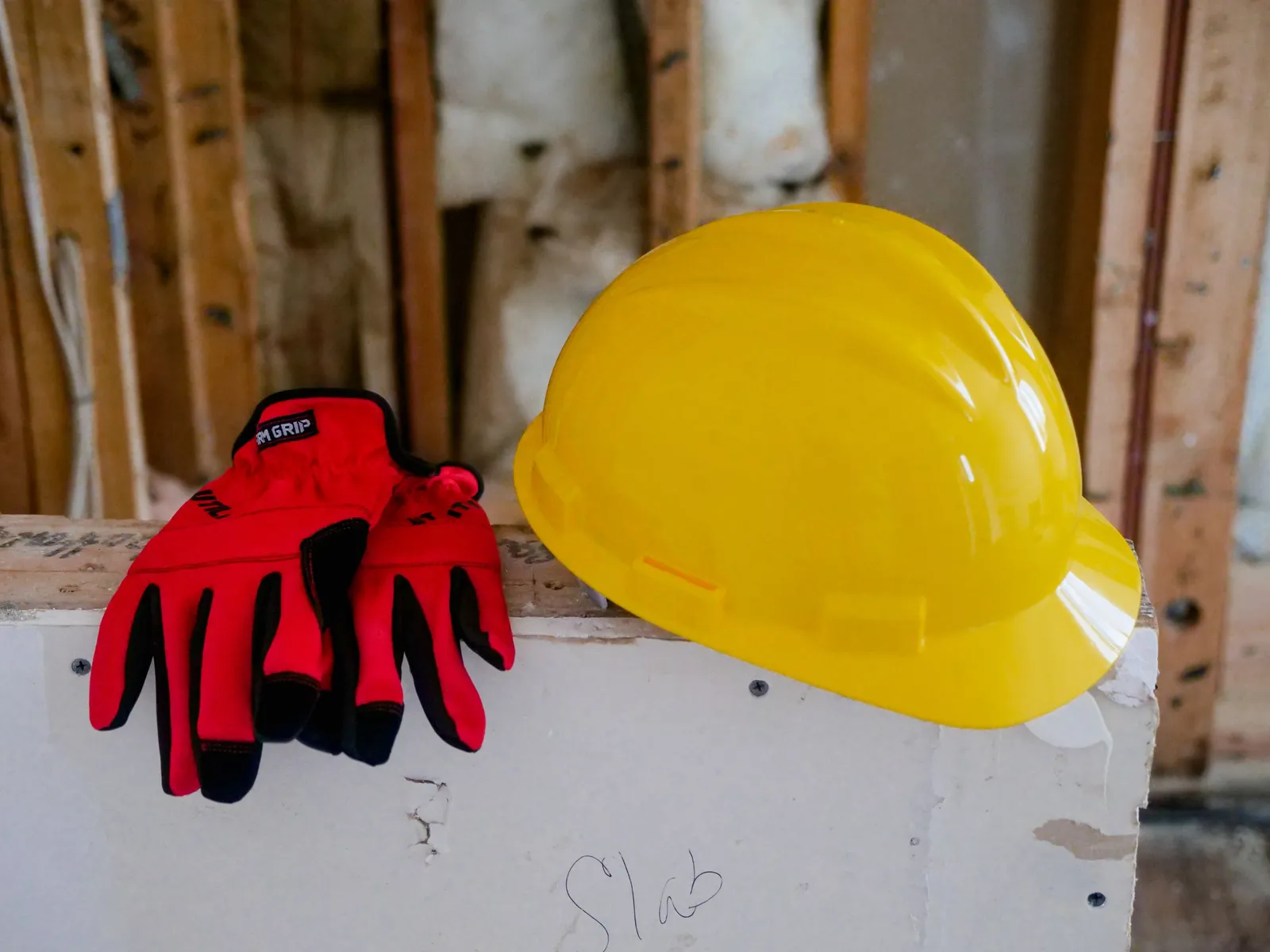
Responsible wind development protects wildlife and seascapes, keeps every worker safe at height and at sea, and shares benefits with landowners and communities.
11.1Environmental management
14- Environmental impact assessment
- Bird and bat monitoring
- Biodiversity management
- Habitat protection
- Noise assessment
- Shadow flicker assessment
- Land-use management
- Marine biodiversity monitoring
- Marine mammal protection
- Seabird monitoring
- Underwater noise management
- Sediment and water-quality monitoring
- Waste management
- End-of-life blade management
11.2Health, safety and environment
14- Working-at-height safety
- Electrical safety
- Lockout and tagout
- Lifting and rigging safety
- Crane operations
- Blade handling safety
- Confined-space safety
- Fire prevention
- Emergency rescue
- Offshore transfer safety
- Marine navigation safety
- Severe-weather procedures
- Spill prevention
- Contractor safety management
11.3Community and social development
8- Landowner engagement
- Local community participation
- Fisherfolk engagement
- Local employment
- Skill development
- Grievance management
- Community infrastructure
- Responsible project development
Section 20
Standards, Certification & Regulatory Compliance
BARREL's technical and compliance ecosystem tracks the applicable national and international standards, statutory requirements and certification frameworks.
12.1Key IEC 61400 standards
The IEC 61400 series is the principal international standards family for wind energy generation systems.
| Standard | Scope |
|---|---|
| IEC 61400-1 | Design requirements for wind turbines |
| IEC 61400-2 | Small wind turbines |
| IEC 61400-3-1 | Design requirements for fixed offshore wind turbines |
| IEC 61400-3-2 | Design requirements for floating offshore wind turbines (first full edition 2025) |
| IEC 61400-4 | Design requirements for wind turbine gearboxes |
| IEC 61400-5 | Wind turbine blades |
| IEC 61400-6 | Tower and foundation design requirements |
| IEC 61400-11 | Acoustic noise measurement techniques |
| IEC 61400-12 series | Power performance measurement |
| IEC 61400-13 | Measurement of mechanical loads |
| IEC 61400-21 series | Measurement and assessment of electrical characteristics |
| IEC 61400-24 | Lightning protection |
| IEC 61400-25 series | Communications for monitoring and control |
| IEC 61400-26 series | Availability for wind energy generation systems |
| IEC 61400-27 series | Electrical simulation models |
| IEC 61400-40 | Electromagnetic compatibility |
12.2Other applicable standards
- ISO 9001 — quality
- ISO 14001 — environment
- ISO 45001 — occupational health & safety
- ISO/IEC 27001 — information security
- IEC 61400-22 / IECRE OD-501 — certification
- Offshore structural standards (e.g. DNV support-structure standards)
- IEC 60076 — power transformers
- IEC 62271 — HV switchgear
- Submarine power cable standards
- Marine and vessel class rules
Always check the latest edition, amendments and national adoption of a standard before specifying it in a contract.
12.3India — regulatory and institutional ecosystem
Institutions and authorities
- Ministry of New and Renewable Energy (MNRE)
- National Institute of Wind Energy (NIWE)
- Solar Energy Corporation of India (SECI)
- Central Electricity Authority (CEA)
- Central Electricity Regulatory Commission (CERC)
- State Electricity Regulatory Commissions
- Central Transmission Utility
- State Transmission Utilities
- Regional Load Despatch Centres
- State Load Despatch Centres
- Distribution companies
- State nodal agencies
- Environmental and coastal authorities
- Port and maritime authorities
Compliance areas
- Wind turbine model and type certification
- Applicable turbine eligibility requirements
- Land and site permissions
- Environmental and social permissions
- Electrical safety approvals
- Grid connectivity
- Transmission approvals
- Forecasting and scheduling
- Open-access and captive-power compliance
- Power purchase agreements
- Offshore seabed and lease rights
- Marine and coastal permissions
- Port and vessel compliance
- Offshore installation and decommissioning requirements
Checked per project and jurisdiction
Section 21
Wind Project Finance & Commercialisation
The financial and commercial lifecycle of wind projects — business models, revenue streams, cost structure and investment analysis.
13.1Business models
- Independent Power Producer
- Own the plant, sell power under a long-term PPA
- Captive generation
- Industry consumes its own wind power
- Group captive
- Several consumers co-own a plant under captive rules
- Third-party sale
- Power sold to a consumer via open access
- Open-access supply
- Wheeling over the grid to C&I buyers
- Merchant generation
- Sell on power exchanges and short-term markets
- Acquisition & leasing
- Buy, lease or redevelop operating wind farms
- Development partnerships
- Co-develop with landowners, OEMs or investors
- BOO / BOOT
- Build-own-operate (-transfer) structures
- Offshore concession
- Seabed lease and long-term offshore rights
- Wind-as-a-Service
- Energy supplied without the buyer owning assets
- Asset management services
- Operate and optimise other owners' fleets
- Turbines (rotor, nacelle, tower)68%
- Foundations & civil works10%
- Electrical & grid connection12%
- Development, land & permits5%
- Logistics, erection & other5%
- Turbines35%
- Foundations & substructure20%
- Array & export cables, substations20%
- Installation & vessels17%
- Development & other8%
13.2Revenue and commercial opportunities
14- Long-term PPAs
- Captive power savings
- Third-party power sales
- Merchant electricity sales
- Power exchange participation
- Renewable energy certificates or other green attributes where permitted
- Hybrid power supply
- Ancillary services where permitted
- Project development fees
- EPC revenue
- Equipment supply
- O&M contracts
- Asset management fees
- Repowering and redevelopment
13.3Project cost components
10- Turbine cost
- Civil and infrastructure cost
- Grid connectivity cost
- Offshore infrastructure cost
- Land and lease
- Development and permits
- Insurance
- O&M and spares
- Financing costs
- Decommissioning provision
13.4Financial analysis
- CAPEX / OPEX
- Capital and operating cost, per MW and per year
- Debt : equity
- Financing structure, interest and repayment
- NPV
- Present value of cash flows at the discount rate
- IRR
- Project and equity internal rate of return
- DSCR
- Cash available for debt service ÷ debt service
- LCOE
- Lifetime cost ÷ lifetime energy, discounted
- Payback
- Years until cumulative cash flow turns positive
- P50 / P75 / P90
- Energy yield at the chosen exceedance probability
- Tariff sensitivity
- IRR / DSCR against tariff
- Generation sensitivity
- IRR / DSCR against wind and yield
- Availability sensitivity
- Effect of downtime on revenue
- FX sensitivity
- Imported equipment and foreign debt
- Lifecycle cost
- Development to decommissioning
Check the rules for each structure
Section 22
BARREL Wind Solutions, Services & Ecosystem
One integrated ecosystem connecting developers, manufacturers, engineering firms, EPC contractors, marine contractors, investors and power buyers.
1434 business verticals
- 01Wind Project Development
- 02Onshore Wind Power
- 03Offshore Wind Power
- 04Floating Wind Power
- 05Distributed and Small Wind
- 06Wind Resource Assessment
- 07Wind Engineering and Consultancy
- 08Wind EPC and Construction
- 09Wind Turbine Manufacturing
- 10Wind Blade Manufacturing
- 11Wind Tower Manufacturing
- 12Nacelle and Drivetrain Manufacturing
- 13Wind Electrical Equipment
- 14Offshore Foundation Manufacturing
- 15Offshore Marine Infrastructure
- 16Wind Power Transmission
- 17Subsea Cable Infrastructure
- 18Wind Equipment Procurement
- 19Wind Equipment Import and Export
- 20Wind Supplier and Manufacturer Network
- 21Wind Testing and Inspection
- 22Wind Certification Support
- 23Wind Operations and Maintenance
- 24Wind Asset Management
- 25Wind Repowering and Life Extension
- 26Wind Decommissioning and Recycling
- 27Wind + Battery Storage
- 28Wind-Solar Hybrid Power
- 29Wind-to-Hydrogen and Power-to-X
- 30Wind Power Trading
- 31Wind Project Finance and Investment
- 32Wind Port and Logistics Infrastructure
- 33Wind Digital Intelligence
- 34Wind Research and Technology Development
18Project packages (35)
Packages across the complete project lifecycle — scoped, priced and contracted one by one.
18.1Development packages
8- Wind resource assessment package
- Wind feasibility study package
- Land and site development package
- Onshore project development package
- Offshore project development package
- Floating wind development package
- Wind farm financial modelling package
- Grid connectivity package
18.2Engineering and EPC packages
13- Wind turbine supply package
- Wind farm civil works package
- Turbine foundation package
- Turbine erection package
- Wind farm electrical package
- Pooling substation package
- Transmission line package
- Complete onshore wind EPC package
- Offshore foundation package
- Offshore substation package
- Subsea cable package
- Offshore installation package
- Complete offshore wind infrastructure package
18.3Operations and lifecycle packages
8- Wind farm O&M package
- Turbine inspection package
- Blade inspection and repair package
- Offshore maintenance package
- Wind asset management package
- Repowering package
- Life extension package
- Decommissioning and recycling package
18.4Hybrid and advanced energy packages
6- Wind-BESS integration package
- Wind-solar hybrid package
- Wind-to-hydrogen package
- Wind-to-ammonia package
- Wind microgrid package
- Industrial captive wind package
19The BARREL digital wind ecosystem
01 · Public business platform
BARREL.ENERGY
- · Wind power projects
- · Wind power services
- · Project development
- · Business opportunities
- · Supplier and partner registration
- · Equipment and technology
- · Engineering and EPC services
- · Investment and commercial opportunities
02 · Technical & commercial intelligence
BARREL Power Intelligence
- · Wind engineering calculators
- · Turbine and equipment database
- · Manufacturer database
- · Wind project database
- · Technical knowledge library
- · Standards and regulations
- · Cost intelligence
- · Wind technology research
03 · Operational platform
BARREL OS
- · Wind project development
- · Engineering and design
- · Procurement
- · Vendor management
- · Contract management
- · Civil construction
- · Turbine installation
- · Offshore marine operations
- · Quality assurance
- · Health and safety
- · Testing and commissioning
- · O&M and asset management
Dedicated wind exchange platforms (in development)
- Wind Project Exchange
- Wind Equipment Exchange
- Wind Supplier Registry
- Wind Contractor Registry
- Wind Engineering Centre
- Wind Marine Exchange
- Wind Investment and Finance Exchange
17BARREL wind partner programmes
Partner status is not an approval
20Why BARREL for wind power?
- Integrated wind power ecosystem
- Connecting developers, manufacturers, engineering firms, EPC contractors, suppliers, service providers, investors and power buyers.
- Onshore and offshore capabilities
- Supporting land-based, marine-based and floating wind infrastructure.
- Engineering and infrastructure
- Connecting civil, mechanical, electrical, structural, marine and transmission engineering.
- Industrial manufacturing
- Supporting turbine components, heavy fabrication, offshore structures and electrical equipment.
- Global supply chain
- Connecting Indian and international manufacturers, suppliers, contractors and technology providers.
- Energy integration
- Bringing together wind, solar, batteries, hydrogen, transmission and power markets.
- Digital intelligence
- Engineering tools, equipment databases, project intelligence, cost intelligence and digital operations.
- Complete lifecycle support
- From initial concept and feasibility to commissioning, operations, repowering and decommissioning.
BARREL — One World. One Power Network.
Section 23
BARREL Wind Power Intelligence Centre
Technical, commercial and industrial intelligence for the complete wind sector — a searchable turbine and equipment database, manufacturer registry, project database, calculator library and cost intelligence.

15.1Knowledge and research library
13- Wind power fundamentals
- Onshore wind engineering
- Offshore wind engineering
- Floating wind technology
- Turbine technologies
- Blade technologies
- Wind farm development
- Wind resource assessment
- Electrical and grid engineering
- Offshore marine engineering
- Standards and regulations
- Project execution
- O&M and asset management
15.2Equipment and technology database
13- Wind turbine models
- Turbine manufacturers
- Blade manufacturers
- Gearbox manufacturers
- Generator manufacturers
- Tower manufacturers
- Converter manufacturers
- Transformer manufacturers
- Cable manufacturers
- Offshore foundation manufacturers
- Floating platform suppliers
- Mooring and anchoring suppliers
- Marine vessel operators
15.3Project intelligence
11- Onshore wind projects
- Offshore wind projects
- Floating wind projects
- Wind-solar hybrid projects
- Wind-BESS projects
- Wind-to-hydrogen projects
- Projects under development
- Projects under construction
- Commissioned projects
- Project acquisitions
- Repowering opportunities
15.4Supplier and commercial intelligence
12- Manufacturer registry
- Authorized supplier registry
- Service provider registry
- EPC contractor registry
- Engineering consultant registry
- Marine contractor registry
- Investment partner registry
- Project developer registry
- Equipment pricing database
- Cost benchmarks
- Procurement intelligence
- International trade intelligence
16Wind engineering calculator library (100)
Ten groups, from wind resource to project finance. All 100 run in BARREL Office for staff and administrators (office.barrel.energy/wind); the estimator on the Resource Assessment tab is open to everyone.
AWind resource calculators
10BTurbine performance calculators
10CWind farm generation calculators
10DWind farm layout calculators
10EMechanical engineering calculators
10FCivil and structural calculators
10GOffshore engineering calculators
10HElectrical and grid calculators
10IStorage and hybrid calculators
10JFinancial calculators
10Preliminary estimates, not engineering design
Calculators are for preliminary estimation, education and project screening. Structural and foundation design, mooring, subsea cables, protection coordination, grid studies and other safety-critical engineering are verified by qualified professionals using project-specific data and applicable standards.
Try the wind farm energy estimator21Deep-dive pages in development
The wind hub will grow into dedicated technology, equipment, offshore, engineering, manufacturing, lifecycle and commercial pages.
01 Wind technologies
- Onshore
- Offshore
- Floating wind
- Fixed-bottom
- Distributed wind
- Small wind
- Horizontal axis
- Vertical axis
- Direct drive
- Wind hybrid
- Wind + BESS
- Wind hydrogen
- Emerging technologies
02 Equipment and components
- Turbines
- Blades
- Nacelle
- Gearboxes
- Generators
- Towers
- Foundations
- Bearings
- Pitch & yaw systems
- Converters
- Transformers
- Control systems
03 Offshore infrastructure
- Offshore foundations
- Monopile
- Jacket foundations
- Floating platforms
- Mooring & anchoring
- Offshore substations
- Subsea cables
- Offshore ports
- Marine vessels
- Offshore installation
04 Engineering and projects
- Resource assessment
- Feasibility
- Micrositing
- Energy yield
- Civil engineering
- Mechanical engineering
- Electrical engineering
- Structural engineering
- Grid integration
- Transmission
- EPC
- Project development
05 Manufacturing and procurement
- Manufacturing
- Blade manufacturing
- Tower manufacturing
- Nacelle manufacturing
- Gearbox manufacturing
- Generator manufacturing
- Offshore fabrication
- Equipment supply
- Procurement
- Import & export
06 Operations and lifecycle
- Operations
- Maintenance
- Offshore O&M
- Testing & inspection
- Asset management
- Repowering
- Life extension
- Decommissioning
- Recycling
07 Commercial and intelligence
- Finance
- Power trading
- Investment
- Calculators
- Intelligence
- Knowledge
- Projects
- Suppliers
- Partners
RReference library
- IECIEC 61400-1 — Wind energy generation systems: design requirements
- IEC TC 88Wind energy generation systems — the IEC committee that writes IEC 61400
- IRENAWind energy — technology, costs and deployment
- NLR (formerly NREL)Wind energy research — National Laboratory of the Rockies
- NIWENational Institute of Wind Energy — wind resource, testing and offshore
- MNREMinistry of New and Renewable Energy — wind energy
- IEARenewables — renewable electricity outlook, including wind
- GWECGlobal Wind Energy Council — market reports
Project & partnership desk
From wind resource to grid. From manufacturing to generation.
From project development to global energy markets — tell us about your site, sea area, load, product or technology. BARREL connects developers, industries, manufacturers, EPC and marine contractors, investors and power buyers.
Project & business categories
- Onshore wind farm
- Offshore wind
- Floating wind
- Captive / group captive
- Wind-solar hybrid
- Wind + BESS
- Wind-to-hydrogen
- Repowering
- Small / distributed wind
- Turbine & component supply
- Offshore marine infrastructure
- O&M and asset management