
- BARREL Energy Sector
- Hydrogen & Power-to-X
- Development · Engineering · EPC · Equipment · Finance · Trade
Green Hydrogen, Hydrogen Infrastructure & Allied Products
From renewable power and water to hydrogen, derivatives and global trade.
Green hydrogen is not just another energy source. It is an industrial feedstock, an energy carrier, a storage medium and the foundation of an emerging clean-fuel economy. BARREL treats it as one integrated industrial ecosystem — project development, renewable power, electrolysis, processing, storage, transport, conversion to ammonia, methanol and e-fuels, end-use applications, engineering, EPC, equipment, manufacturing, financing, trading and digital intelligence.
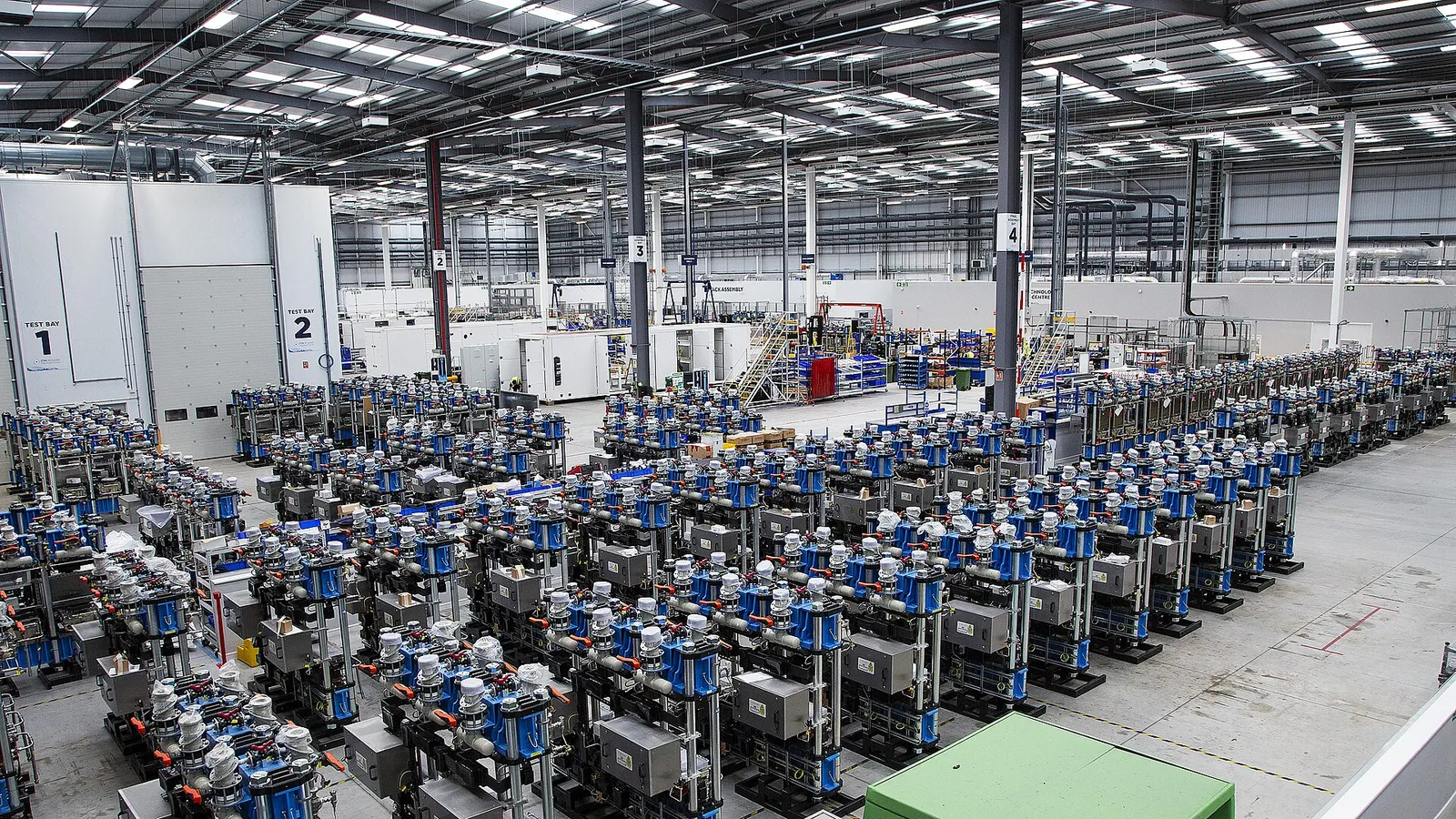
- Electrolyser technologies
- 4
- Plant sections engineered
- 15
- Water per kg H₂ (chemistry)
- ≈ 9 L
- Oxygen per kg H₂
- ≈ 8 kg
- BARREL hydrogen divisions
- 9
Section 01
Green hydrogen — powering the next industrial revolution
Produced with renewable electricity through water electrolysis, green hydrogen can decarbonise industry, support energy storage, enable clean fuels and open new pathways for international energy trade. Unlike conventional routes that rely on fossil fuels, renewable-powered electrolysis uses solar, wind or hydropower to split water into hydrogen and oxygen.
This page is BARREL's technical reference, engineering guide and capability profile for hydrogen and Power-to-X. Rooted in Bharat. Global by vision.
1.1What is green hydrogen?
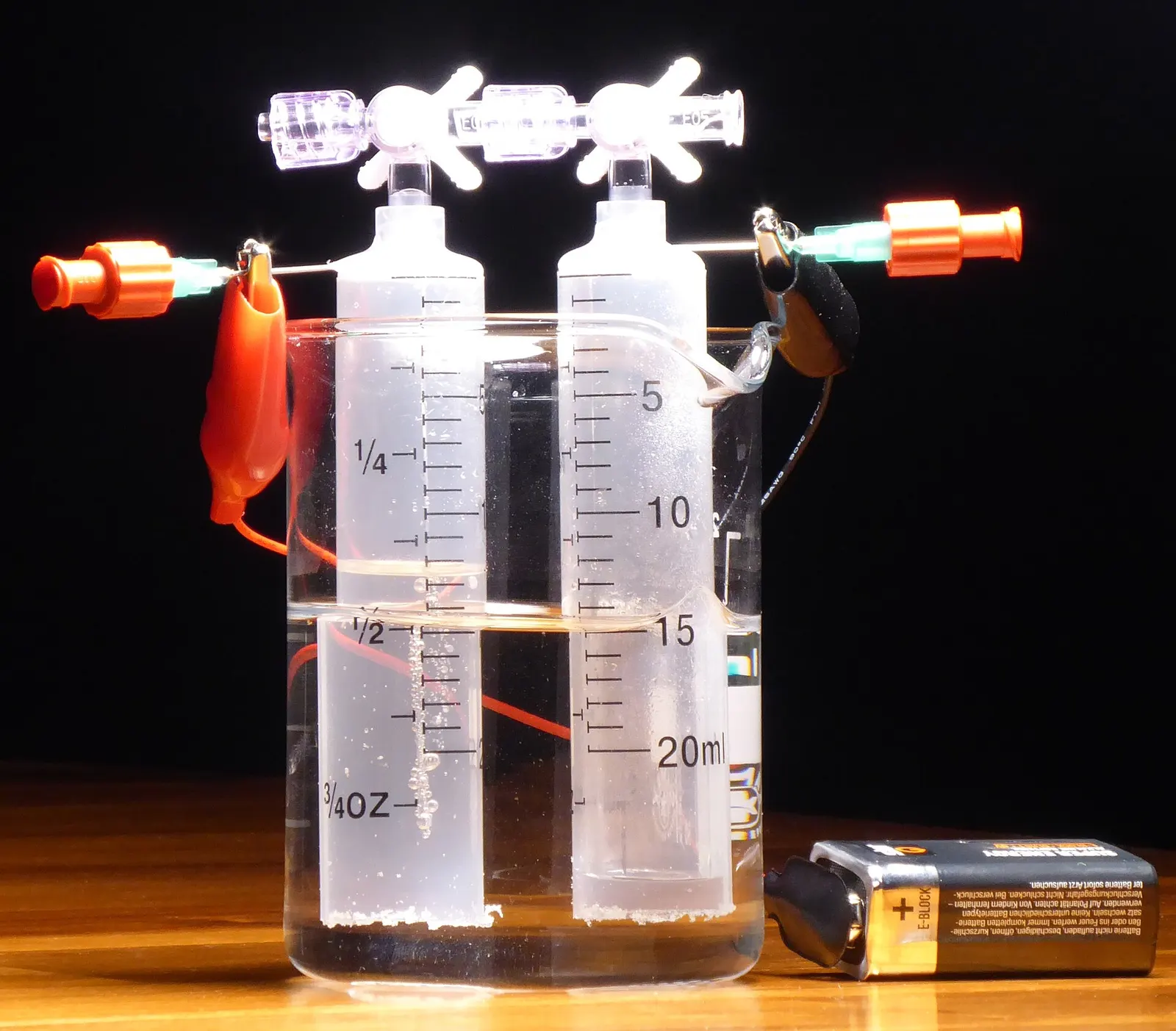
Hydrogen is the lightest chemical element — an energy carrier and an industrial raw material. Green hydrogen is hydrogen produced by electrolysis using renewable electricity, subject to the applicable emissions accounting and certification framework.
Overall electrolysis reaction
2H₂O + electricity → 2H₂ + O₂
Mass balance per kg of hydrogen
≈ 8.9 kg water → 1 kg H₂ + ≈ 7.9 kg O₂
The process produces
- Hydrogen gas for industrial and energy applications
- Oxygen as a valuable by-product
- Heat, which may be recovered depending on system design
- Water-treatment and process streams requiring appropriate management
1.2Hydrogen production pathways
The colour names in common use. They are shorthand only.
- Grey hydrogenNatural gas reforming without carbon capture
- Blue hydrogenFossil-based hydrogen with carbon capture and storage
- Green hydrogenRenewable-electricity-powered water electrolysis
- Pink hydrogenNuclear-electricity-powered electrolysis
- Yellow hydrogenOften used for solar-powered electrolysis; terminology varies
- Turquoise hydrogenMethane pyrolysis producing hydrogen and solid carbon
- Brown / black hydrogenCoal gasification, typically with high emissions
- White hydrogenNaturally occurring geological hydrogen
Colour is not a certification
Why hydrogen matters
- 01
Industrial feedstock
Ammonia, methanol, refining and steel already use hydrogen — renewable supply cuts their emissions at source.
- 02
Energy carrier
Moves renewable energy across distances and borders as gas, liquid or derivatives such as ammonia.
- 03
Long-duration storage
Stores surplus renewable power for days, weeks or seasons in tanks, caverns or carriers.
- 04
Hard-to-abate sectors
Reaches heavy industry, shipping, aviation fuels and heavy transport where direct electrification is difficult.
- 05
Energy security
Domestic production replaces imported fossil fuels and fossil-based hydrogen.
- 06
New trade
Creates an international market for hydrogen, ammonia, methanol, e-fuels and the equipment behind them.
Hydrogen in numbers
The physical properties that shape every engineering decision on this page.
| Property | Hydrogen (H₂) | Why it matters |
|---|---|---|
| Lower heating value | ≈ 33.3 kWh/kg (120 MJ/kg) | About 2.7 × diesel per kg — very high energy per mass |
| Higher heating value | ≈ 39.4 kWh/kg (142 MJ/kg) | Thermodynamic floor for electrolyser energy use |
| Gas density (0 °C, 1 atm) | ≈ 0.09 kg/m³ | Very low energy per volume — must be compressed, liquefied or converted |
| Boiling point | −253 °C (20 K) | Liquid hydrogen needs cryogenic storage and boil-off management |
| Flammability range in air | ≈ 4–75 % by volume | Wide range — ventilation, detection and zoning are essential |
| Minimum ignition energy | ≈ 0.02 mJ | Very easy to ignite — static control and hazardous-area equipment |
Section 02
The complete green hydrogen value chain
BARREL structures its hydrogen business around the whole chain — every link is a project, a product line and a market.
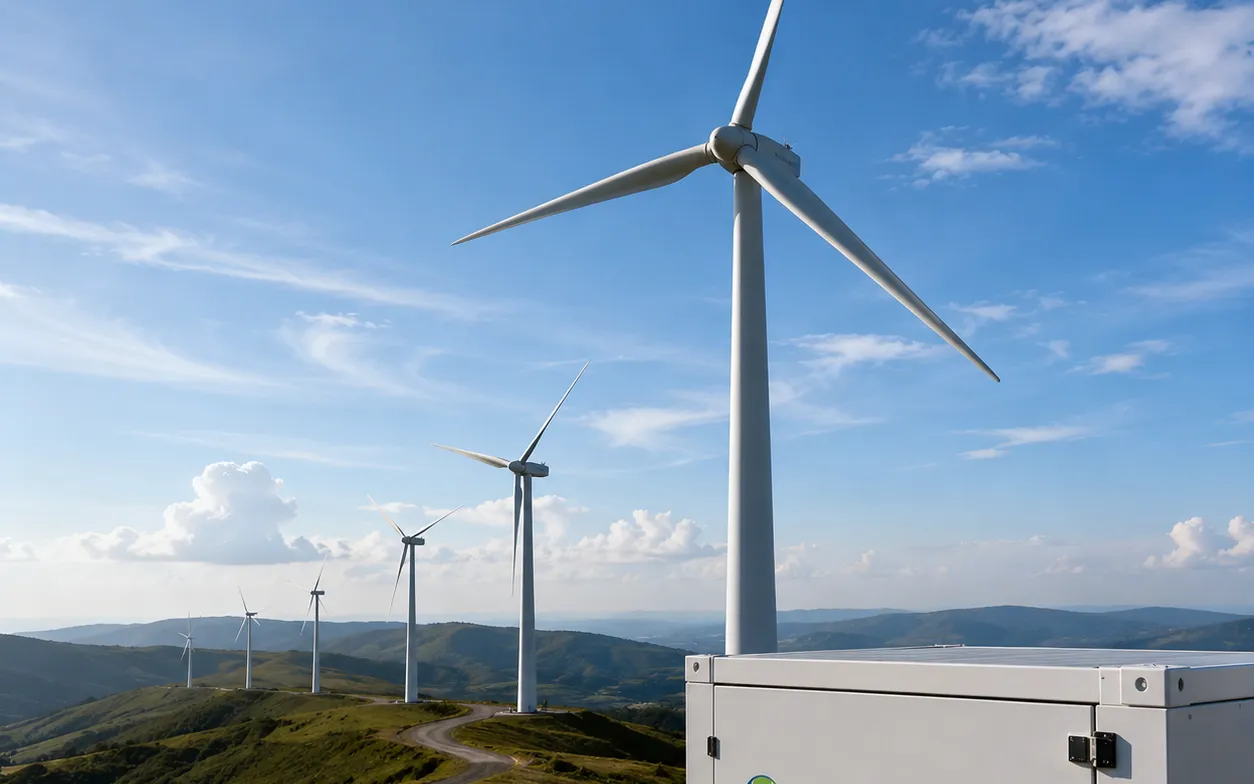
From electrons to molecules
Swipe sideways to see the full diagram. Conceptual value chain; each stage is detailed in its own tab.
2.1Renewable energy supply
12- Solar power plants
- Onshore wind power plants
- Offshore wind power plants
- Hydropower
- Pumped storage hydropower
- Renewable hybrid power plants
- Battery energy storage systems
- Dedicated captive renewable plants
- Grid-connected renewable procurement
- Renewable power purchase agreements
- Round-the-clock renewable supply
- Renewable energy trading and balancing
2.2Water supply and treatment
12- Raw water sourcing
- Surface water treatment
- Groundwater treatment, subject to permissions
- Desalination plants
- Reverse osmosis systems
- Demineralisation plants
- Electrodeionisation systems
- Ultrapure water production
- Water recycling and recovery
- Wastewater treatment
- Zero-liquid-discharge, where appropriate
- Water storage and distribution
2.3Hydrogen production
9- Alkaline water electrolysis
- PEM electrolysis
- Solid oxide electrolysis (SOEC)
- Anion exchange membrane (AEM)
- Integrated modular electrolysis systems
- High-pressure electrolysis
- Renewable-powered production
- Industrial captive hydrogen plants
- Centralised hydrogen production hubs
2.4Processing and purification
10- Gas–liquid separation
- Hydrogen drying
- Hydrogen purification
- Deoxidation
- Moisture removal
- Oxygen removal
- Pressure regulation
- Hydrogen compression
- Gas quality monitoring
- Hydrogen metering and analysis
2.5Hydrogen storage
10- Compressed gaseous hydrogen
- High-pressure cylinder storage
- Tube-trailer storage
- Stationary storage banks
- Underground salt-cavern storage
- Geological storage where feasible
- Liquid hydrogen storage
- Metal hydride storage
- Chemical hydrogen storage
- Liquid organic hydrogen carriers (LOHC)
2.6Transportation and distribution
9- Hydrogen pipelines
- Hydrogen tube trailers
- Compressed gas transport
- Liquid hydrogen transport
- LOHC transportation
- Distribution terminals
- Dispensing stations
- Industrial distribution networks
- Export and import infrastructure
2.7Conversion and derivatives
9- Green ammonia
- Green methanol
- Green synthetic fuels
- Sustainable aviation fuel pathways
- Synthetic methane
- Hydrogen-based industrial chemicals
- Hydrogen-based direct reduced iron
- Hydrogen fuel cells
- Hydrogen-based energy storage
Section 03
Green hydrogen production technologies
Four electrolyser families. Two are established at industrial scale; two are commercialising. The right one depends on the project, not on fashion.
3.1Alkaline water electrolysis
One of the established technologies for industrial hydrogen production. It uses a liquid alkaline electrolyte — typically potassium or sodium hydroxide — and separates hydrogen and oxygen through electrochemical reactions across a diaphragm.
Key characteristics
6- Established industrial technology
- Suitable for large-scale production
- Modular plant configuration
- Mature supply chain in several markets
- Can be integrated with renewable electricity
- Needs careful electrolyte, temperature and gas-separation management
Applications
5- Fertiliser industries
- Refinery hydrogen supply
- Chemical manufacturing
- Industrial hydrogen hubs
- Captive hydrogen production
AWE · qualitative profile
Cathode: 2H₂O + 2e⁻ → H₂ + 2OH⁻ · Anode: 2OH⁻ → ½O₂ + H₂O + 2e⁻
3.2Proton exchange membrane (PEM)
Uses a solid polymer electrolyte membrane that conducts protons from anode to cathode. Compact stacks, high-purity output and fast response make it a natural partner for variable solar and wind power.
Key characteristics
6- Compact system configuration
- High-purity hydrogen production
- Relatively fast response to changing power
- Suited to variable renewable integration
- High-pressure output possible in suitable designs
- Uses specialised catalyst (platinum-group) and membrane materials
Applications
5- Solar and wind hybrid projects
- Renewable hydrogen hubs
- Distributed hydrogen production
- Hydrogen refuelling infrastructure
- Flexible industrial applications
PEM · qualitative profile
Anode: H₂O → ½O₂ + 2H⁺ + 2e⁻ · Cathode: 2H⁺ + 2e⁻ → H₂
3.3Solid oxide electrolysis (SOEC)
Operates at elevated temperature with steam as the feedstock and a solid ceramic electrolyte. When integrated with industrial waste heat or another high-temperature heat source it can reach high electrical efficiency.
Key characteristics
5- High-temperature operation
- Potentially improved electrical efficiency with heat integration
- Suited to industrial process integration
- Needs specialised materials and thermal management
- Commercial maturity and operating experience vary by supplier and application
Applications
3- Integration with steel, chemical or nuclear heat
- Co-electrolysis routes for synthetic fuels
- Ammonia and methanol plants with heat recovery
SOEC · qualitative profile
Cathode: H₂O + 2e⁻ → H₂ + O²⁻ · Anode: O²⁻ → ½O₂ + 2e⁻
3.4Anion exchange membrane (AEM)
Combines certain characteristics of alkaline and membrane-based electrolysis: a solid membrane conducting hydroxide ions in a mildly alkaline environment.
Key characteristics
5- Emerging electrolysis technology
- Potential for reduced reliance on some expensive catalysts
- Compact system design
- Potential for modular distributed applications
- Long-term durability and large-scale performance must be assessed carefully
Applications
3- Small and distributed production
- Modular containerised units
- Pilot and demonstration projects
AEM · qualitative profile
Cathode: 2H₂O + 2e⁻ → H₂ + 2OH⁻ · Anode: 2OH⁻ → ½O₂ + H₂O + 2e⁻
3.5Electrolyser technology comparison
| Parameter | Alkaline | PEM | SOEC | AEM |
|---|---|---|---|---|
| Technology maturity | Established | Established | Emerging / commercialising | Emerging |
| Electrolyte | Liquid alkaline | Polymer membrane | Solid ceramic | Anion-exchange membrane |
| Charge carrier | OH⁻ | H⁺ | O²⁻ | OH⁻ |
| Operating temperature | Low / moderate | Low / moderate | High | Low / moderate |
| Feed | Liquid water + electrolyte | Pure liquid water | Steam | Water / dilute alkali |
| Renewable flexibility | System-dependent | Generally strong | Thermal-cycle dependent | Developing |
| System configuration | Modular / industrial | Modular / compact | Integrated high-temperature | Modular |
| Main considerations | Electrolyte handling | Catalyst and membrane costs | Heat and materials | Durability and scale-up |
Qualitative comparison, not product specifications. Bars above are BARREL's editorial scale (1–5), not test data.
Technology selection is based on
- Project-specific load profile
- Electricity quality and variability
- Water availability and quality
- Annual operating hours
- Hydrogen delivery pressure
- Hydrogen purity requirement
- Lifecycle cost and stack replacement
- Supplier guarantees and track record
- Footprint and modularity
- Local service and spares
BARREL engineering principle
Never choose an electrolyser from a brochure. Model the hourly power profile, the duty cycle, purity and pressure needs and the stack-replacement plan, then compare guaranteed — not nominal — kWh/kg and degradation over the contract life.
Section 04
Green hydrogen plant — complete project infrastructure
A hydrogen plant combines many engineering systems, utilities and industrial infrastructure. BARREL covers the lifecycle from concept and feasibility through engineering, procurement, construction and commissioning.
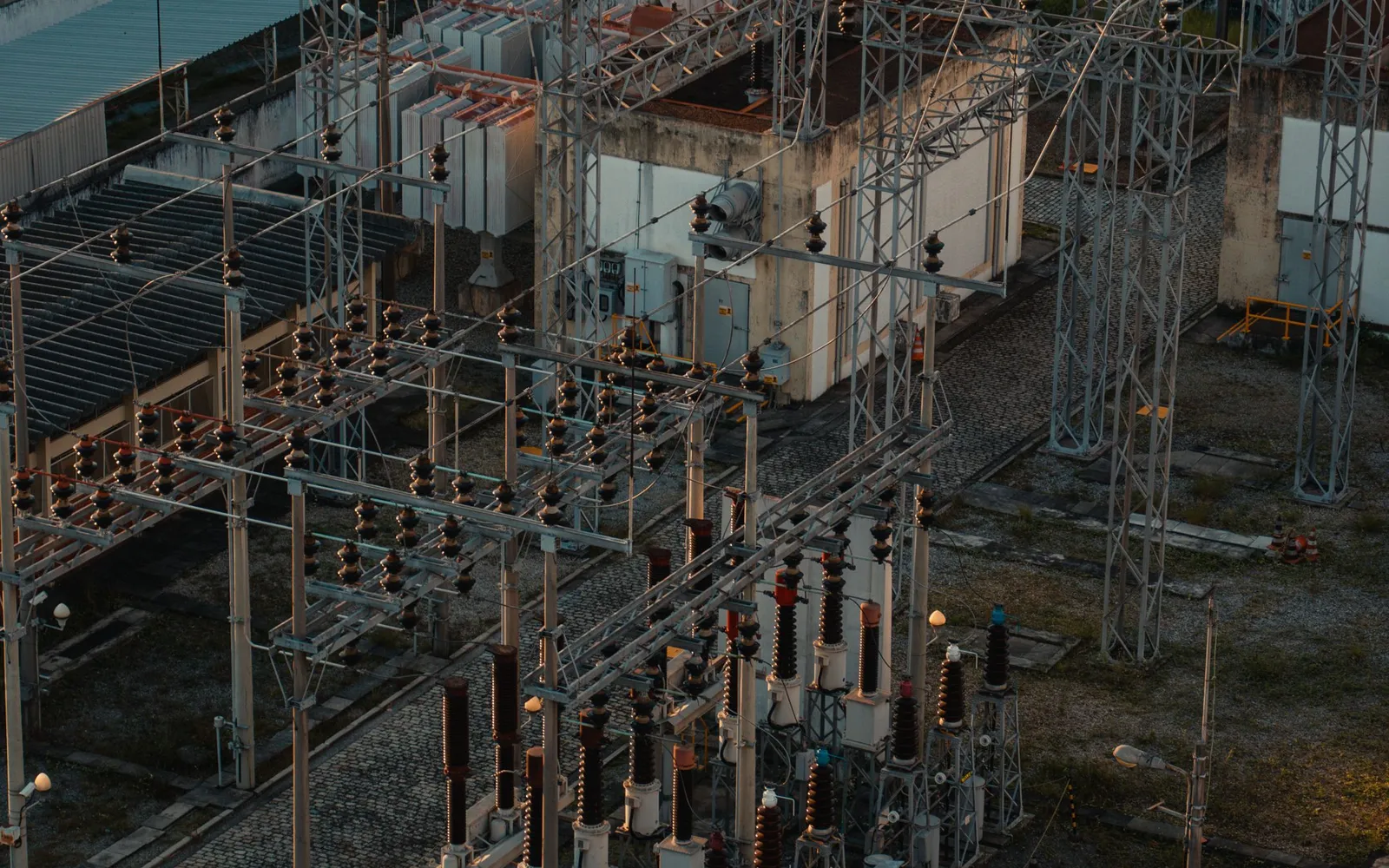
Plant at a glance
Power path, water path, hydrogen and oxygen paths, cooling, utilities and the control and safety layer.
Swipe sideways to see the full diagram. Conceptual block flow only. Actual arrangement depends on technology, OEM and project design.
4.1Main plant sections
| Plant section | Major systems |
|---|---|
| Renewable power supply | Solar, wind, grid and hybrid power |
| Electrical receiving | Switchyard, transformers and HT / LT distribution |
| Power conversion | Rectifiers, converters and inverters |
| Water treatment | RO, DM, polishing and ultrapure water |
| Electrolysis | Electrolyser stacks and balance of plant |
| Gas separation | Hydrogen and oxygen separators |
| Hydrogen purification | Dryers, filters and purification equipment |
| Compression | Hydrogen compressors and associated systems |
| Cooling | Cooling towers, chillers and heat exchangers |
| Storage | Cylinders, tanks, banks and storage vessels |
| Instrumentation | Sensors, flow meters, pressure and temperature instruments |
| Control | PLC, DCS, SCADA and safety systems |
| Utilities | Nitrogen, instrument air, service water and firewater |
| Safety | Gas detection, ventilation, fire protection and emergency systems |
| Dispatch | Loading bays, pipelines and transportation facilities |
4.2Electrical infrastructure
15- Grid connectivity
- Renewable power evacuation
- Power transformers
- HT and LT switchgear
- Bus ducts and cable systems
- Rectifier transformers
- AC/DC conversion systems
- Harmonic filtering
- Power factor correction
- Earthing and lightning protection
- Protection relays
- Electrical metering
- Emergency power systems
- UPS and DC systems
- Energy management systems
4.3Mechanical infrastructure
14- Electrolyser packages
- Hydrogen compressors
- Oxygen compressors where required
- Pumps
- Pressure vessels
- Heat exchangers
- Cooling equipment
- Gas separators
- Dryers
- Filters
- Purification skids
- Valves and piping systems
- Storage vessels
- Loading and unloading equipment
4.4Civil and structural infrastructure
16- Land acquisition and development
- Site grading and drainage
- Plant foundations
- Electrolyser foundations
- Compressor foundations
- Equipment foundations
- Pipe racks
- Cable trenches
- Control rooms
- Electrical buildings
- Warehouse and workshops
- Internal roads
- Boundary walls and fencing
- Firewater tanks
- Administrative buildings
- Security infrastructure
4.5Instrumentation, automation and control
14- PLC systems
- Distributed control systems (DCS)
- SCADA systems
- Emergency shutdown systems (ESD)
- Safety instrumented systems (SIS)
- Gas detection systems
- Pressure and temperature transmitters
- Flow measurement systems
- Hydrogen purity analysers
- Oxygen analysers
- Online monitoring
- Plant historian
- Remote operations
- Predictive maintenance
Section 05
Plant capacity and engineering calculations
Preliminary sizing from first principles, a worked 100 MW example and a live estimator you can use for your own project.
5.1Typical plant capacity categories
- Research and laboratoryBelow 10 kg/day
- Pilot plant10–100 kg/day
- Small commercial100–1,000 kg/day
- Medium industrial1–10 t/day
- Large industrial10–100 t/day
- Hydrogen hub100–500 t/day
- Mega hydrogen complexAbove 500 t/day
5.2Important engineering units
| Parameter | Unit |
|---|---|
| Hydrogen production | kg/h, kg/day, t/day |
| Electrolyser capacity | MW |
| Specific energy consumption | kWh/kg H₂ |
| Hydrogen pressure | bar, MPa |
| Hydrogen purity | %, ppm |
| Water consumption | L/kg H₂, m³/day |
| Oxygen production | kg/h, t/day |
| Electricity consumption | MWh/day, GWh/year |
| Plant availability | % |
| Capacity utilisation | % |
| Hydrogen storage | kg, t |
| Hydrogen price | ₹/kg, USD/kg |
| Emissions intensity | kg CO₂-eq/kg H₂ |
5.3Worked example — 100 MW green hydrogen plant
Assumptions
- Electrolyser capacity: 100 MW
- Specific electricity consumption: 52 kWh/kg H₂
- Operating availability: 95 %
- Electrical input at the electrolyser boundary — auxiliaries and plant configuration add to it
Daily electricity
100 MW × 24 h × 0.95 = 2,280 MWh/day
Daily hydrogen
2,280,000 kWh ÷ 52 kWh/kg = 43,846 kg/day
Stoichiometric water
43,846 kg × 9 L/kg ≈ 394,614 L/day ≈ 395 m³/day
Oxygen by-product
43,846 kg × 8 ≈ 350,768 kg/day ≈ 351 t/day
43.85 t
Hydrogen per day
2,280 MWh
Electricity per day
≈ 395 m³
Chemistry water per day
≈ 351 t
Oxygen per day
Actual freshwater intake is higher than the chemistry — treatment recovery, cooling, blowdown and cleaning typically add a multiple of it. This is an initial sizing illustration, not a bankable feasibility study or equipment guarantee.
Hydrogen plant estimator
Change any value. Presets fill in typical assumptions; the 100 MW preset reproduces the worked example.
Indicative sizing
- Hydrogen production
- 43.85 t/day
- 1,827 kg/h · 16,004 t/year
- Electricity / day
- 2,280.0 MWh
- Electricity / year
- 832.2 GWh
- Water, chemistry
- 394.6 m³/d
- Raw-water intake
- 395 m³/d
- Oxygen by-product
- 350.8 t/d
- Efficiency (LHV)
- 64.1 %
- Renewable capacity for the yearly energy
- ≈ 271 MW at 35.0 % CUF
If all of it were converted: ≈ 246.9 t/day green ammonia, or ≈ 232.2 t/day green methanol using ≈ 319.0 t/day of CO₂ (stoichiometric).
H₂ = MW × 24 × availability ÷ SEC; water 9 L/kg and oxygen 8 kg/kg as in the brief (chemistry ≈ 8.9 L and ≈ 7.9 kg). Renewable capacity is an energy balance, not a profile study — it ignores curtailment, storage and hourly matching. A screening estimate, not a bankable feasibility study or equipment guarantee.
Section 06
Hydrogen storage technologies
Storage balances production and consumption, enables transport and keeps industrial supply reliable — from minutes of buffer to seasonal reserves.
6.1Compressed hydrogen storage
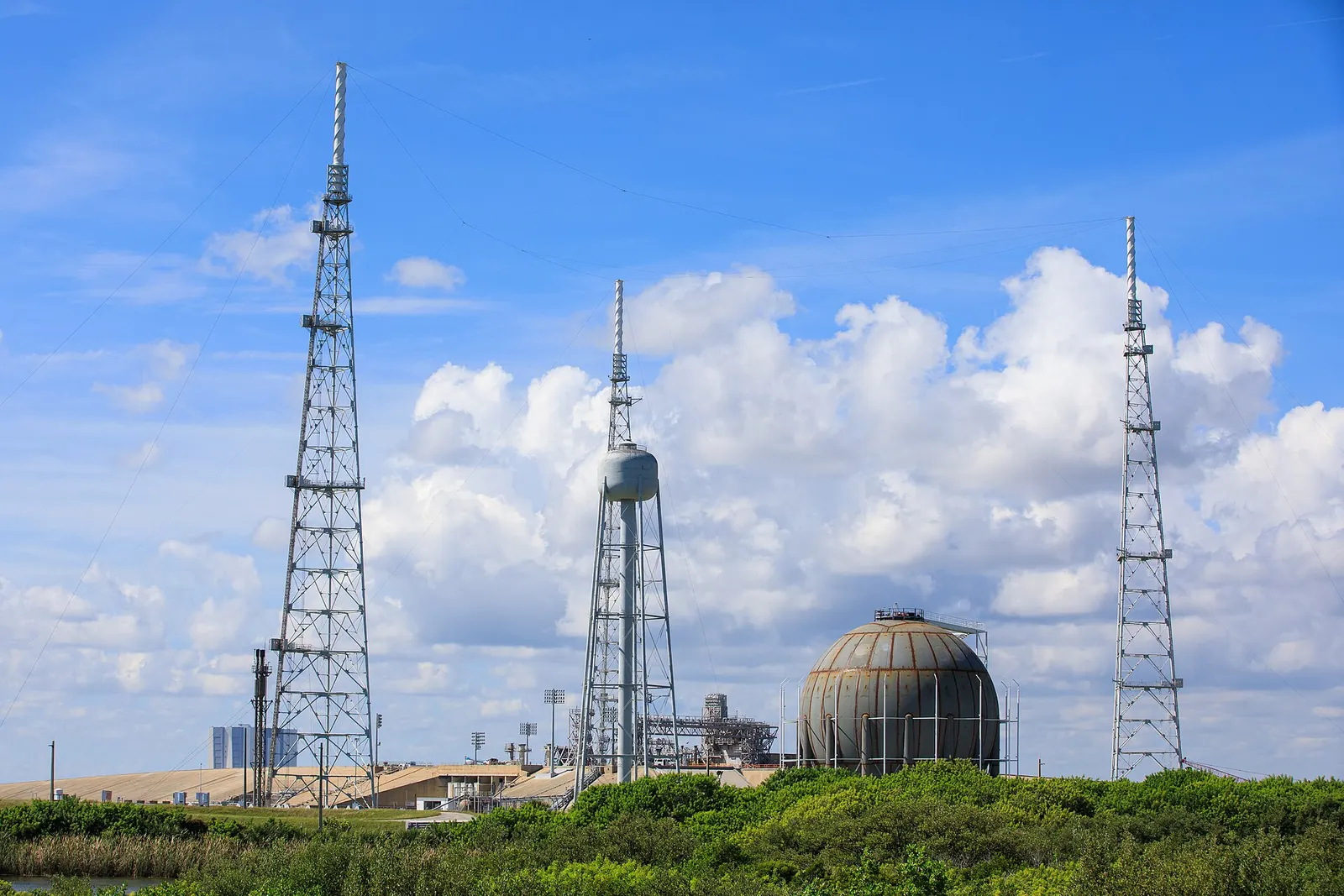
Hydrogen is compressed and stored in specially designed pressure vessels — Type I steel to Type IV composite — typically at 200–1,000 bar depending on the duty.
- Industrial storage
- Hydrogen refuelling stations
- Tube trailers
- Hydrogen distribution facilities
- Backup and buffer storage
6.2Liquid hydrogen storage
Hydrogen is cooled to about −253 °C and stored in vacuum-insulated tanks. Liquefaction is energy-intensive and needs boil-off gas management.
- Large-volume transportation
- Aerospace
- Specialised industrial applications
- Export and import terminals
Liquid hydrogen systems require sophisticated cryogenic engineering and boil-off gas management.
6.3Underground hydrogen storage
Large volumes stored in salt caverns, depleted gas reservoirs, suitable aquifers or other technically qualified geological formations.
- Seasonal storage
- Hydrogen hubs and pipeline networks
- Strategic reserves
Feasibility depends on geology, containment, cushion gas, well integrity, purity, cycling performance and regulatory permissions.
6.4Metal hydride storage
Certain metals and alloys absorb and release hydrogen under controlled temperature and pressure, storing it at low pressure in a solid.
- Stationary storage
- Specialised industrial systems
- Distributed hydrogen storage
- Selected mobility applications
6.5LOHC storage
Liquid organic hydrogen carriers chemically bind hydrogen to a liquid; it is released at the destination by dehydrogenation.
- Long-distance shipping
- Use of existing liquid-fuel handling
- Seasonal storage at ambient conditions
Advantages depend on carrier chemistry, the heat needed for release and project economics.
How much hydrogen fits in a cubic metre?
Why hydrogen is so often compressed, liquefied or converted before it travels.
- Gas, 1 atm0 °C0.09
- Compressed, 200 bar≈ 15 kg/m³15
- Compressed, 350 bar≈ 24 kg/m³24
- Compressed, 700 bar≈ 40 kg/m³40
- LOHC (dibenzyltoluene)≈ 6.2 wt % H₂57
- Liquid hydrogen−253 °C71
- Liquid methanol12.5 wt % H₂99
- Liquid ammonia17.8 wt % H₂121
Section 07
Hydrogen transportation and distribution infrastructure
Infrastructure must connect production with industries, power plants, refuelling stations, ports and export terminals.
Choosing a transport mode
| Mode | Typical distance / scale | Considerations |
|---|---|---|
| Compressed tube trailer | Short haul, small volumes | Simple and flexible; low payload per trip |
| Liquid hydrogen tanker | Medium to long haul | Higher payload; liquefaction energy and boil-off |
| Pipeline | Large, steady flows | Lowest cost at scale; materials, embrittlement and right-of-way |
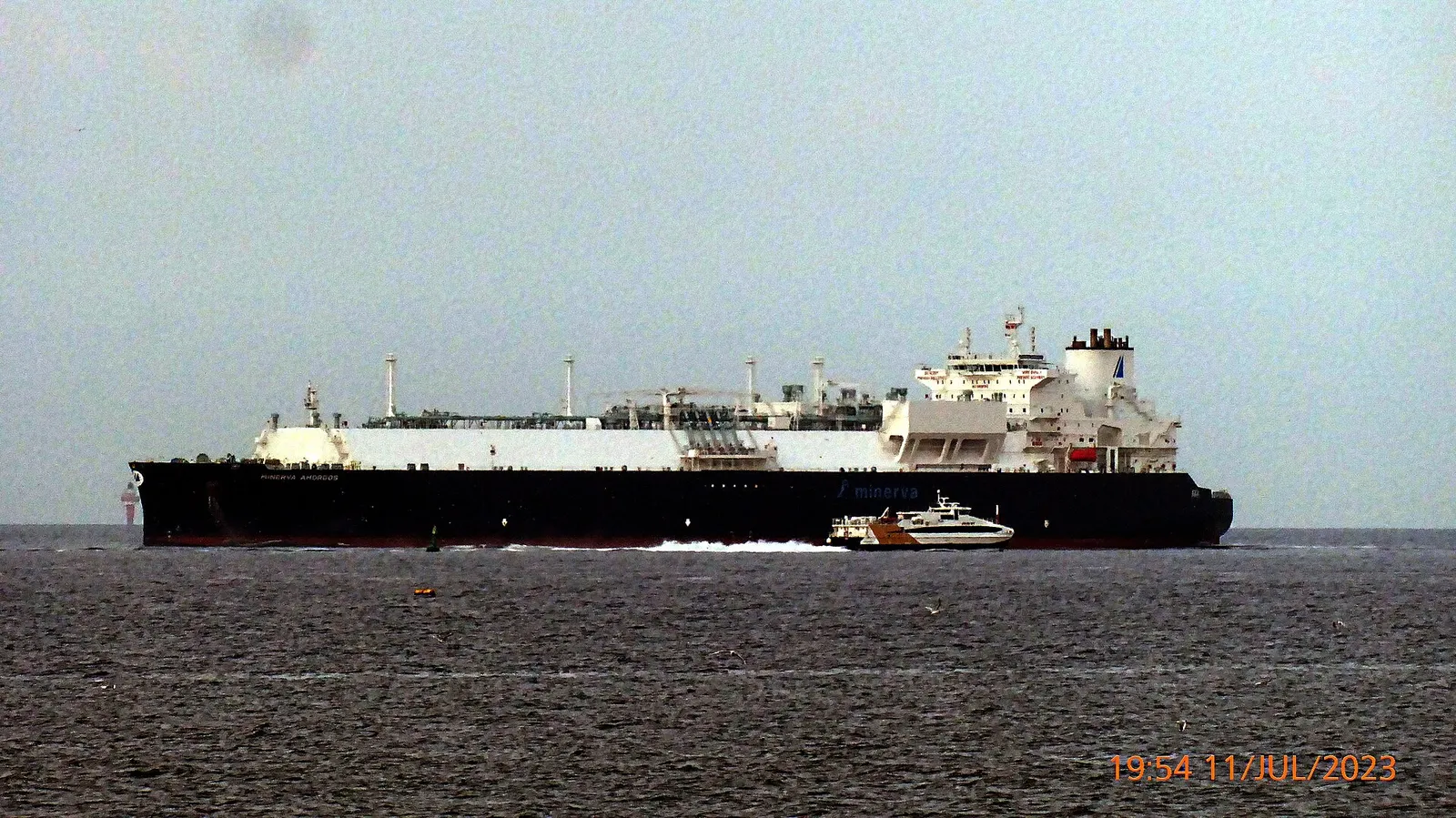
| Ammonia / methanol by ship | International trade | Existing handling know-how; conversion and reconversion losses |
| LOHC | Long distance, ambient | Liquid-fuel logistics; heat needed to release hydrogen |
7.1Hydrogen pipelines
10- Dedicated hydrogen pipelines
- Hydrogen-ready pipeline systems
- Pipeline conversion and repurposing assessment
- Industrial distribution networks
- Compressor stations
- Pressure regulation stations
- Metering stations
- Monitoring and leak detection
- Corrosion and material compatibility
- Inspection and maintenance
7.2Hydrogen tube trailers
6- High-pressure cylinders or tubes
- Trailer chassis
- Valves and manifolds
- Pressure regulation
- Loading and unloading arrangements
- Safety and monitoring systems
7.3Liquid hydrogen transportation
6- Cryogenic tankers
- Insulated storage tanks
- Transfer pumps
- Cryogenic valves
- Boil-off gas recovery
- Loading and unloading systems
7.4Export and import terminals
10- Hydrogen receiving and dispatch terminals
- Green ammonia terminals
- Methanol terminals
- Liquid hydrogen terminals
- Storage tanks
- Ship loading and unloading
- Cryogenic infrastructure
- Export certification
- Quality control
- Customs and logistics coordination
BARREL engineering principle
Pipelines must be designed or requalified for hydrogen service — material grade, hardness, welds, operating pressure and fatigue cycling decide embrittlement risk (ASME B31.12). Repurposing a gas line starts with an inspection and fitness-for-service study, never an assumption.
Section 08
Hydrogen refuelling stations (HRS)
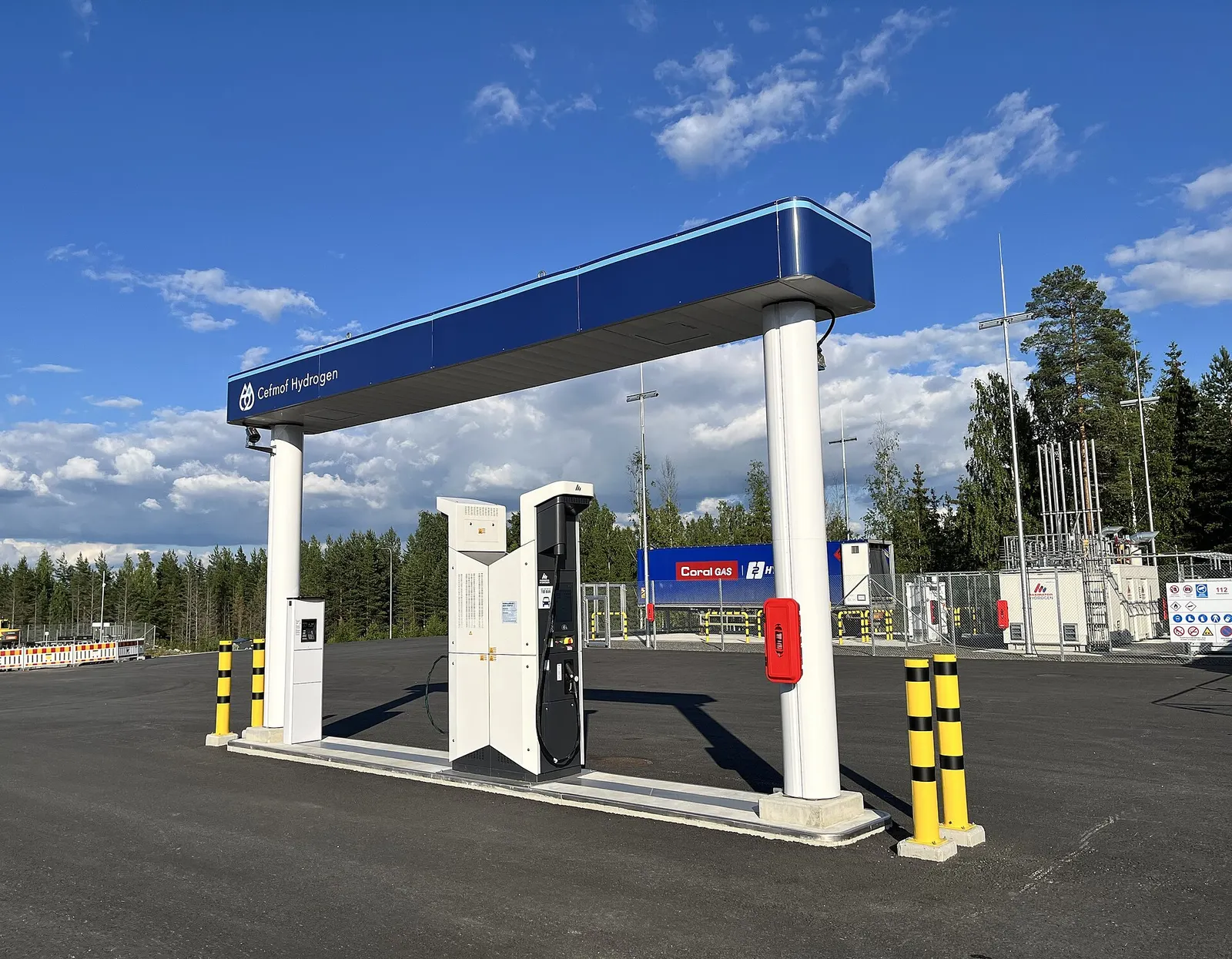
Stations store, compress, cool and dispense hydrogen to vehicles and specialised equipment, typically at 350 bar (buses, trucks) or 700 bar (cars).
From supply to vehicle tank
- 1H₂ supply
- 2Compression
- 3Storage banks
- 4Pre-cooling
- 5Dispenser
- 6Vehicle tank
8.1Main components
- Hydrogen supply connection
- Hydrogen storage banks
- Compressors
- Pre-cooling systems, where required
- Dispensers
- Flow meters
- Pressure control
- Safety valves
- Gas detection
- Emergency shutdown
- Station control system
- Vehicle communication and dispensing controls
8.2Refuelling station categories
- Light-duty vehicle stations
- Bus refuelling stations
- Heavy-duty truck stations
- Commercial fleet stations
- Railway hydrogen stations
- Material-handling equipment stations
- Port and airport stations
- Industrial captive stations
8.3Hydrogen mobility applications
- Passenger cars
- Buses
- Heavy-duty trucks
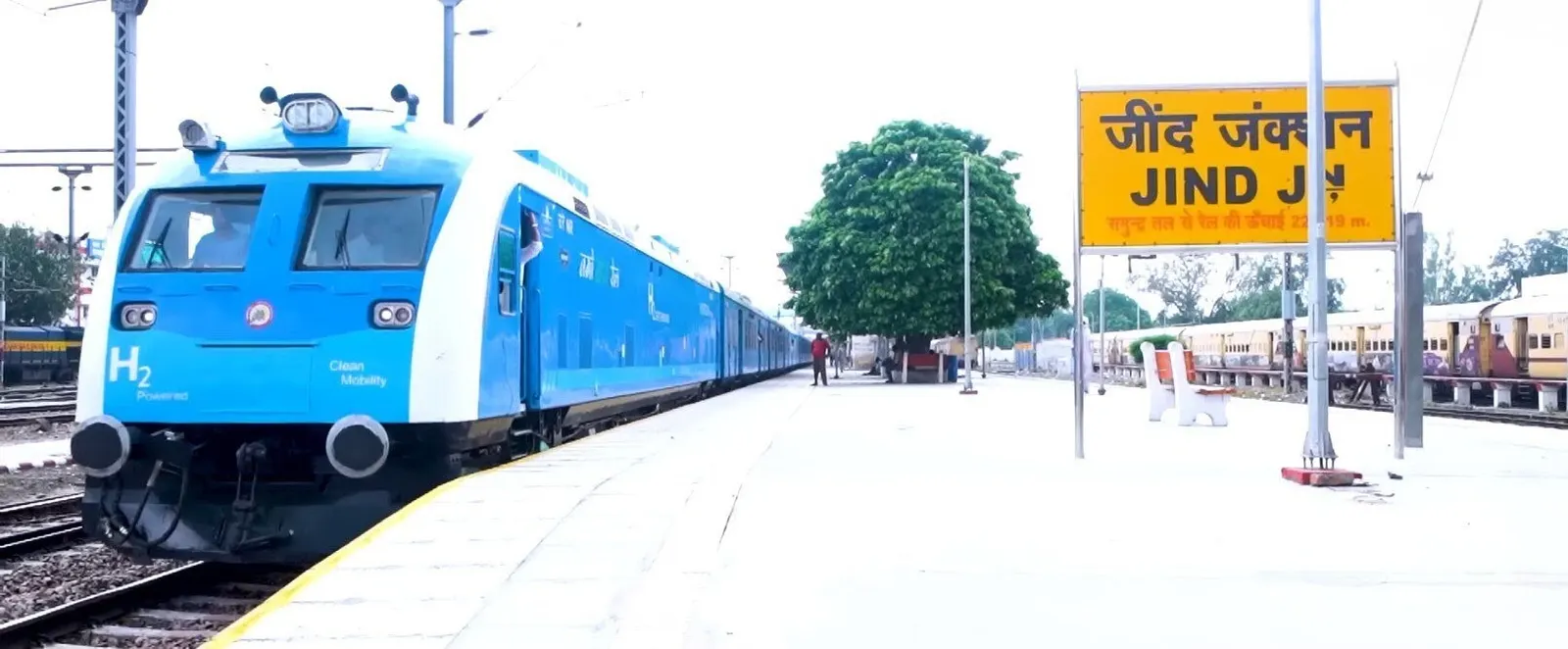
- Railway locomotives
- Forklifts
- Mining equipment
- Port handling equipment
- Marine vessels
- Selected aviation applications
- Specialised off-road vehicles
Hydrogen mobility should be evaluated against battery-electric alternatives on total cost of ownership, duty cycle, refuelling time, infrastructure utilisation and energy efficiency.
Section 09
Green ammonia — a major hydrogen derivative
Green ammonia combines green hydrogen with nitrogen separated from air. It is today's fertiliser feedstock and tomorrow's shipping fuel and hydrogen carrier.
Ammonia synthesis
N₂ + 3H₂ → 2NH₃
Hydrogen per tonne NH₃
≈ 0.178 t H₂
The process loop
Swipe sideways to see the full diagram. Conceptual Haber–Bosch loop. Conversion per pass is low, so unreacted gas is recycled.
9.1Green ammonia production process
- 1Renewable electricity generation
- 2Water treatment
- 3Electrolyser hydrogen production
- 4Air separation and nitrogen production
- 5Hydrogen and nitrogen compression
- 6Ammonia synthesis
- 7Refrigeration and condensation
- 8Ammonia storage
- 9Loading and transportation
- 10Industrial or export delivery
9.2 Applications
7- Fertiliser manufacturing
- Chemical industries
- Industrial feedstock
- Maritime fuel pathways
- Power generation co-firing or ammonia combustion
- Hydrogen carrier applications
- International energy trade
9.3 Infrastructure
10- Air separation units
- Hydrogen production plants
- Ammonia synthesis loops
- Compressors
- Refrigeration systems
- Ammonia storage tanks
- Loading arms
- Port terminals
- Pipeline systems
- Safety and emergency response systems
BARREL engineering principle
A synthesis loop prefers steady operation; renewable power does not. Hydrogen buffer storage, batteries, a flexible loop design and grid support must be sized together — the loop's minimum turndown sets how much storage the project really needs.
Section 10
Green methanol and synthetic fuels
Green methanol combines green hydrogen with a suitable carbon source. The carbon source and lifecycle emissions decide whether the product qualifies as renewable or low-emissions.
Methanol synthesis
CO₂ + 3H₂ → CH₃OH + H₂O
Per tonne methanol
≈ 0.19 t H₂ + ≈ 1.37 t CO₂
10.1 Green methanol applications
7- Chemical manufacturing
- Marine fuel
- Industrial fuel
- Solvent manufacturing
- Formaldehyde production
- Synthetic fuel production
- Energy transportation and storage
Qualifying carbon sources
4- Biogenic CO₂ (biogas upgrading, ethanol fermentation, biomass)
- Direct air capture
- Industrial point sources (cement, steel), subject to accounting rules
- Municipal solid waste routes
Rules differ by market — EU RFNBO rules, for example, limit fossil point-source CO₂ over time.
10.2Synthetic fuels
Hydrogen combined with captured carbon dioxide or other suitable feedstocks gives synthetic hydrocarbons — Power-to-Liquid and Power-to-Gas.
- E-methanol
- E-methane
- Synthetic diesel
- Synthetic kerosene
- E-gasoline
- Synthetic aviation fuel
- Other Power-to-Liquid products
10.3Sustainable aviation fuel (SAF)
Hydrogen supports certain synthetic aviation fuel pathways — notably Power-to-Liquid routes that combine renewable hydrogen with a carbon source through Fischer–Tropsch or methanol-to-jet synthesis.
Before any SAF claim
Section 11
Fuel cells and hydrogen-to-power systems
Fuel cells convert hydrogen's chemical energy into electricity electrochemically — without burning it — with water and heat as by-products.
PEM fuel cell overall
2H₂ + O₂ → 2H₂O + electricity + heat
11.1Fuel cell technologies
| Technology | Electrolyte | Typical characteristics |
|---|---|---|
| PEMFC | Polymer membrane | Low-temperature operation; transport and distributed power |
| SOFC | Solid ceramic | High-temperature operation; stationary and industrial applications |
| AFC | Alkaline solution | Alkaline electrolyte; specialised applications |
| PAFC | Phosphoric acid | Stationary power applications |
| MCFC | Molten carbonate | High-temperature industrial and stationary power |
11.2 Hydrogen power applications
8- Distributed electricity generation
- Backup power systems
- Data centre power
- Industrial captive power
- Microgrids
- Remote-area power
- Renewable energy balancing
- Specialised transport power systems
11.3 Hydrogen turbines and engines
5- Hydrogen-capable gas turbines
- Hydrogen blending systems
- Dedicated hydrogen combustion systems
- Industrial heating
- Specialised reciprocating engines
These need combustion, NOx emissions, materials, safety and equipment-compatibility studies.
Section 12
Industrial applications of green hydrogen
Most hydrogen demand today is industrial. Replacing grey hydrogen in existing plants is the nearest-term and largest market.
12.1Steel industry
6- Hydrogen-based DRI
- Green steel production
- Electric arc furnace integration
- Hydrogen supply systems
- Industrial gas infrastructure
- Green steel logistics and certification
Hydrogen acts as the reducing agent in direct reduced iron: Fe₂O₃ + 3H₂ → 2Fe + 3H₂O.
12.2Fertiliser industry
5- Green ammonia
- Urea manufacturing feedstock
- Ammonia-based fertilisers
- Captive hydrogen plants
- Fertiliser industrial decarbonisation
12.3Refinery industry
5- Hydroprocessing
- Hydrocracking
- Desulphurisation
- Refinery hydrogen replacement
- Renewable hydrogen integration
12.4Chemical industry
5- Methanol
- Ammonia
- Hydrogen peroxide pathways
- Synthetic chemicals
- Other hydrogen-based intermediates
12.5Glass, cement and ceramics
4- High-temperature process heat
- Burner retrofit studies
- Hydrogen–gas blending trials
- Kiln and furnace integration
Subject to burner compatibility, process performance, emissions (including NOx) and economics.
12.6Mining and heavy industry
5- Hydrogen-powered material handling
- Fuel cell mining equipment
- Hydrogen-powered industrial fleets
- Hydrogen-based processing
- Remote industrial energy systems
Section 13
Hydrogen safety, standards and risk management
Hydrogen is highly flammable, has a wide flammability range in air, leaks through small openings and can embrittle some metals. It needs specialised engineering, operating procedures and safety management.
Layers of protection
- Layer 1
Inherent design
Minimise inventory, pressure and congestion; outdoor layout; separation distances.
- Layer 2
Prevention
Hydrogen-compatible materials, leak-tight joints, purging with nitrogen, ventilation.
- Layer 3
Detection
Hydrogen and oxygen detectors, flame (UV / IR) detectors — hydrogen flames are nearly invisible.
- Layer 4
Protection
ESD and SIS (IEC 61511), pressure relief, ATEX / IECEx equipment in zoned areas.
- Layer 5
Mitigation & response
Firewater, vent stacks, emergency plans, drills and trained responders.
13.1 Major safety considerations
13- Hydrogen leakage
- Fire and explosion risks
- High-pressure storage
- Material embrittlement
- Oxygen enrichment
- Confined-space hazards
- Cryogenic hazards
- Electrolyte handling
- Electrical hazards
- Ventilation
- Static electricity
- Emergency shutdown
- Maintenance and isolation
13.2 Safety engineering systems
13- Hazard identification (HAZID)
- Hazard and operability study (HAZOP)
- Layer of protection analysis (LOPA)
- Quantitative risk assessment (QRA)
- Hazardous area classification
- Gas detection systems
- Fire detection and protection
- Emergency shutdown systems
- Safety instrumented systems
- Pressure relief systems
- Vent and flare design, as appropriate
- Emergency response plans
- Safety training and drills
13.3Important standards and reference frameworks
- ISO 22734ISOHydrogen generators using water electrolysis — safety requirements
- ISO 14687ISOHydrogen fuel quality — product specification
- ISO 19880 seriesISOGaseous hydrogen fuelling stations
- ISO 11114 seriesISOGas cylinders — material compatibility
- ISO 21013 seriesISOCryogenic vessels — pressure-relief accessories
- ISO/TR 15916ISOBasic considerations for the safety of hydrogen systems
- ASME BPVC Section VIIIASME / NFPAPressure vessels
- ASME B31.12ASME / NFPAHydrogen piping and pipelines
- NFPA 2ASME / NFPAHydrogen technologies code
- IEC 60079 seriesIECExplosive atmospheres
- IEC 61508IECFunctional safety
- IEC 61511IECSafety instrumented systems for the process industries
- IEC 62282 seriesIECFuel cell technologies
- ISO 14001ManagementEnvironmental management
- ISO 45001ManagementOccupational health and safety
Applicable editions, national adoptions and project-specific requirements are confirmed during engineering and statutory review.
India — typical approvals and rules to map
- Green Hydrogen Standard for India (MNRE) and certification scheme
- PESO — Gas Cylinders Rules and Static & Mobile Pressure Vessels (Unfired) Rules
- Petroleum and Explosives Safety Organisation approvals for storage
- Factories Act and state factory rules
- Environmental clearance and State Pollution Control Board consents
- Central Electricity Authority electrical safety regulations
- Fire service NOC
- Water abstraction permissions
- Motor vehicle rules for hydrogen transport and vehicles
- BIS standards as notified
BARREL's approach
Every project establishes a project-specific compliance register covering Indian regulations, local-authority permissions, environmental requirements, electrical and pressure-system rules, transport regulations and the relevant international standards.
Section 14
Project engineering, EPC and delivery
BARREL positions itself as an integrated development, engineering and EPC coordination partner, subject to project scope, qualifications and approved execution partners.
14.1Project development
- Project concept development
- Market assessment
- Hydrogen demand assessment
- Site identification
- Land assessment
- Water availability study
- Renewable power assessment
- Grid connectivity assessment
- Preliminary project report
- Pre-feasibility study
- Detailed feasibility study
- Techno-commercial evaluation
- Investment planning
14.2Engineering services by discipline
PProcess engineering
6- Process flow diagrams
- Process design basis
- Heat and material balance
- Piping and instrumentation diagrams
- Process equipment sizing
- Utility balance
EElectrical engineering
8- Load flow studies
- Short-circuit studies
- Protection coordination
- Transformer sizing
- Switchgear selection
- Earthing design
- Harmonic studies
- Cable sizing
MMechanical and piping
7- Equipment sizing
- Pressure vessel engineering
- Compressor systems
- Piping layouts
- Stress analysis
- Pipe support design
- Material selection
CCivil and structural
6- Site development
- Foundations
- Structural steel
- Pipe racks
- Buildings
- Drainage and roads
IInstrumentation and control
7- Instrument index
- Control philosophy
- PLC / DCS architecture
- SCADA
- ESD and SIS
- Cause-and-effect diagrams
- Gas detection
14.3EPC and turnkey execution — 15 steps
- 01Concept and project development
- 02Feasibility and bankability assessment
- 03Technology and OEM selection
- 04Land and statutory approvals
- 05Front-end engineering design (FEED)
- 06Detailed engineering
- 07Procurement
- 08Civil and structural construction
- 09Electrical and mechanical installation
- 10Instrumentation and control installation
- 11Testing and pre-commissioning
- 12Commissioning
- 13Performance testing
- 14Handover and commercial operation
- 15Operation and maintenance
14.4Project delivery models
- Engineering, procurement and construction (EPC)
- EPC management (EPCM)
- Design and build
- Turnkey project
- Build-own-operate (BOO)
- Build-own-operate-transfer (BOOT)
- Joint venture
- Captive industrial hydrogen project
- Hydrogen-as-a-Service
- Long-term hydrogen supply agreement
24BARREL hydrogen project execution methodology
A controlled, transparent lifecycle from the first conversation to long-term operations.
- 01
Opportunity identification
Hydrogen demand, project owners, industrial consumers, technology opportunities and renewable resources.
- 02
Preliminary assessment
Capacity, location, power, water, process route, demand and commercial feasibility.
- 03
Technology and partner selection
Electrolyser technologies, OEMs, engineering partners and critical equipment suppliers.
- 04
Feasibility and structuring
Technical and financial model, execution strategy and investment structure.
- 05
Engineering and design
FEED, detailed engineering, equipment specifications, drawings and documentation.
- 06
Procurement and supply chain
Tendering, vendor evaluation, technical bid analysis, negotiations and procurement.
- 07
Construction and installation
Civil, mechanical, electrical, piping, instrumentation and control works.
- 08
Testing and commissioning
Inspections, system testing, pre-commissioning, safety verification and performance tests.
- 09
Commercial operation
Handover, operating procedures, production planning and commercial hydrogen supply.
- 10
Long-term operations
O&M, performance monitoring, stack maintenance, optimisation, safety audits and lifecycle support.
Section 15
Renewable power + green hydrogen + energy storage
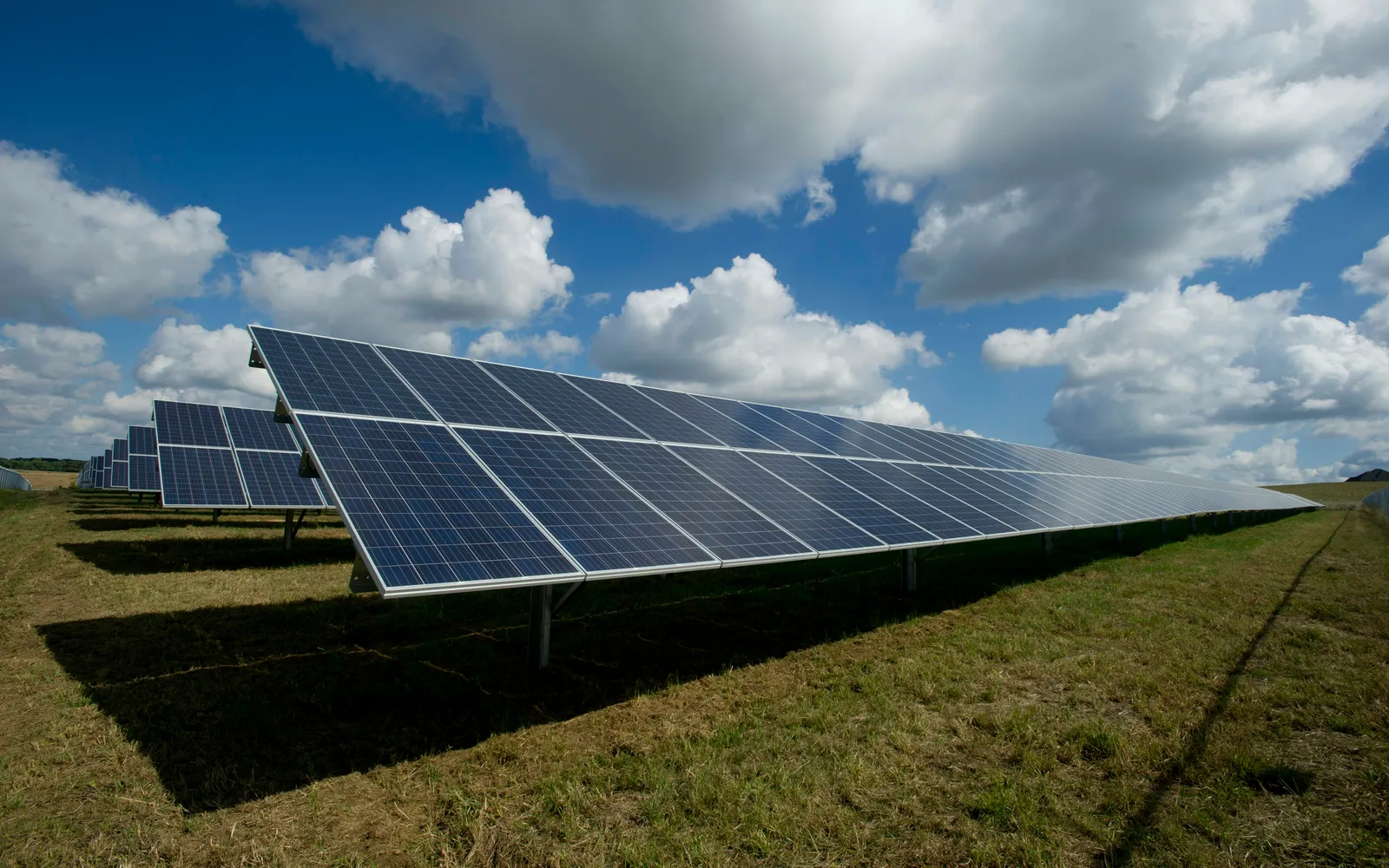
Hydrogen becomes most valuable when it is planned together with renewable generation and storage — the electrolyser's utilisation drives the cost of every kilogram.
15.1Integrated energy architecture
- 1Solar power generation
- 2Wind power generation
- 3Battery energy storage (BESS)
- 4Grid connectivity
- 5Renewable power management
- 6Electrolyser plant
- 7Hydrogen compression
- 8Hydrogen storage
- 9Green ammonia or methanol production
- 10Industrial consumption or export
15.2 Hybrid energy systems
9- Solar + hydrogen
- Wind + hydrogen
- Solar + wind + hydrogen
- Solar + BESS + hydrogen
- Wind + BESS + hydrogen
- Solar + wind + BESS + hydrogen
- Pumped storage + hydrogen
- Grid + renewable + hydrogen
- Renewable microgrid + hydrogen
15.3 The energy management system optimises
10- Renewable generation
- Electrolyser loading
- Grid imports and exports
- Battery charging and discharging
- Hydrogen production schedules
- Hydrogen storage levels
- Hydrogen supply contracts
- Electricity procurement cost
- Plant utilisation
- Renewable energy compliance
BARREL opportunity
Integrated Renewable Energy and Hydrogen Parks combining generation, storage, industrial hydrogen, green ammonia, logistics and export infrastructure — planned once, as one system, around the site's hourly renewable profile.
See also Solar Power, Wind Power and Battery Storage.
Section 16
Equipment, product catalogue and manufacturing
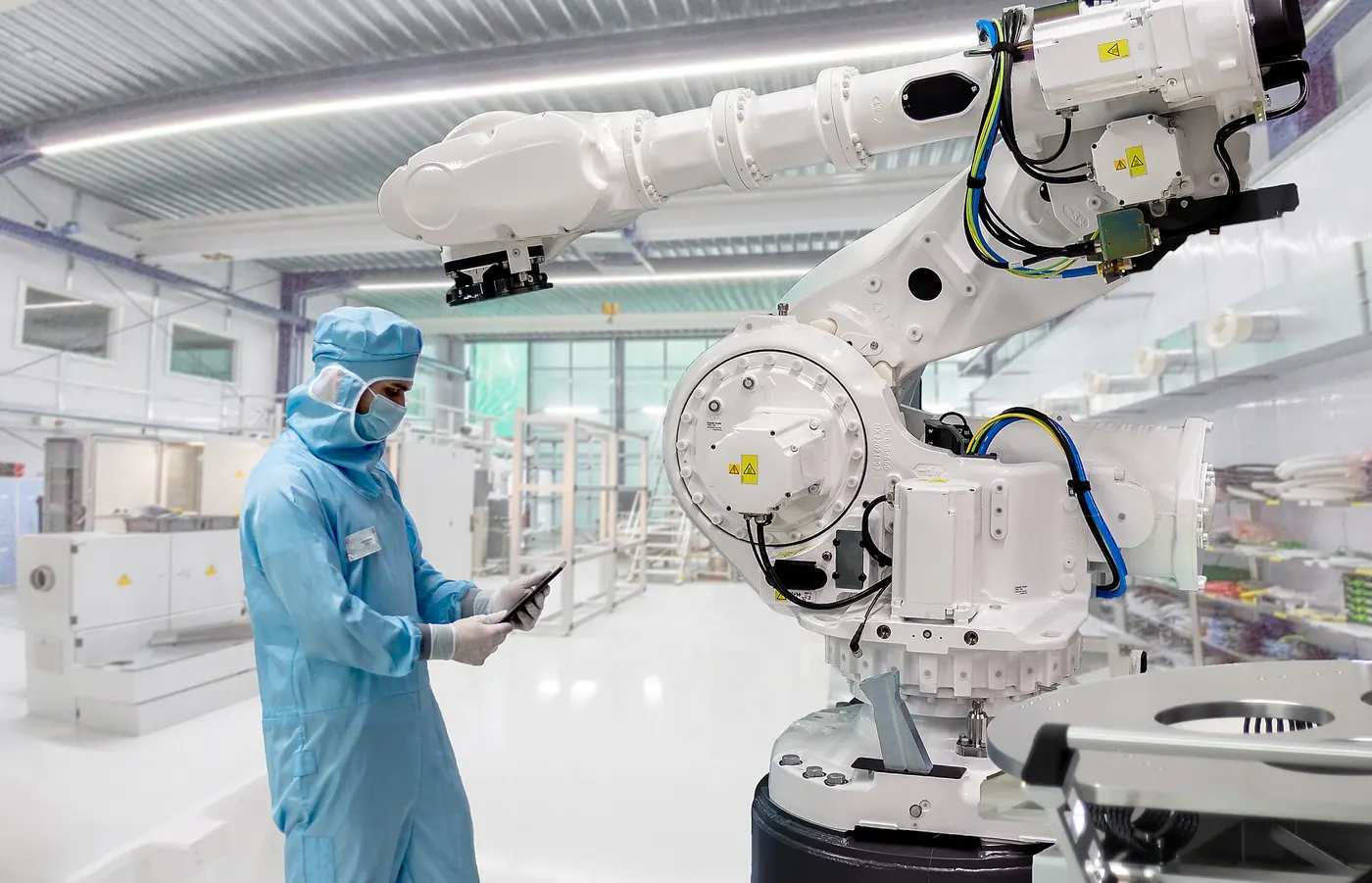
A dedicated procurement and supplier ecosystem for hydrogen equipment, components, systems and consumables — and a long-term manufacturing and industrial-partnership programme.
15.1Hydrogen production equipment
11- Alkaline electrolyser
- PEM electrolyser
- SOEC electrolyser
- AEM electrolyser
- Electrolyser stacks
- Electrolyser modules
- Rectifiers
- Power converters
- Electrolyte circulation
- Gas–liquid separators
- Water purification systems
15.2Hydrogen processing equipment
11- Hydrogen compressors
- Gas dryers
- Purification skids
- Deoxidisers
- Filters
- Heat exchangers
- Gas separators
- Pressure regulators
- Flow meters
- Hydrogen analysers
- Gas chromatographs
15.3Hydrogen storage equipment
10- High-pressure cylinders
- Cylinder banks
- Tube trailers
- Stationary storage vessels
- Cryogenic tanks
- LOHC storage systems
- Metal hydride storage
- Storage manifolds
- Pressure relief valves
- Safety accessories
15.4Hydrogen pipeline equipment
10- Hydrogen-compatible pipes
- Fittings
- Flanges
- Valves
- Regulators
- Compressors
- Pipeline inspection equipment
- Pressure monitoring
- Leak detection
- Metering systems
15.5Hydrogen refuelling equipment
10- Hydrogen dispensers
- High-pressure storage banks
- Compressors
- Pre-coolers
- Breakaway couplings
- Refuelling hoses
- Nozzles
- Flow meters
- Station control systems
- Safety and emergency equipment
15.6Fuel cell equipment
10- PEM fuel cell stacks
- SOFC systems
- Fuel cell modules
- Hydrogen supply systems
- Air compressors
- Humidifiers
- Cooling systems
- DC/DC converters
- Fuel cell controllers
- Power conditioning
15.7Green ammonia and methanol equipment
10- Air separation units
- Nitrogen compressors
- Ammonia synthesis reactors
- Ammonia compressors
- Methanol synthesis reactors
- Distillation columns
- Refrigeration systems
- Storage tanks
- Loading arms
- Process instrumentation
16.1 Manufacturing opportunities
14- Electrolyser manufacturing
- Electrolyser stack manufacturing
- Membrane manufacturing
- Catalyst manufacturing
- Hydrogen compressor manufacturing
- Storage vessel manufacturing
- Hydrogen valves and fittings
- Hydrogen-compatible pipeline equipment
- Fuel cell manufacturing
- Power electronics
- Hydrogen sensors and analysers
- Refuelling equipment
- Green ammonia equipment
- Green methanol equipment
16.2 Localisation and supply chain
10- Domestic component manufacturing
- Technology licensing
- OEM partnerships
- Joint ventures
- Research and development
- Industrial testing facilities
- Quality assurance
- Component certification
- After-sales service networks
- Export manufacturing
16.3 Research and development
10- Advanced electrolyser technologies
- Improved catalyst materials
- Membrane development
- High-efficiency electrolysis
- Hydrogen storage materials
- Hydrogen embrittlement research
- Fuel cell performance
- Hydrogen combustion
- Hydrogen sensors
- Industrial process integration
26Complete products and services directory
| Main category | Products and services |
|---|---|
| Hydrogen production | Alkaline, PEM, SOEC, AEM |
| Water systems | RO, DM, EDI, desalination |
| Renewable power | Solar, wind, hybrid, grid |
| Electrical systems | Transformers, switchgear, rectifiers |
| Process equipment | Separators, dryers, purifiers |
| Compression | Hydrogen compressors, boosters |
| Storage | Cylinders, tanks, tube trailers, LOHC |
| Transportation | Pipelines, trailers, terminals |
| Refuelling | HRS, dispensers, compressors |
| Fuel cells | PEMFC, SOFC, stationary systems |
| Hydrogen power | Turbines, engines, backup systems |
| Green ammonia | Synthesis plants, storage, logistics |
| Green methanol | Production, storage, distribution |
| Synthetic fuels | E-fuels, SAF pathways |
| Industrial applications | Steel, fertiliser, refinery, chemicals |
| Engineering | Process, electrical, civil, mechanical |
| EPC | Development, construction, commissioning |
| Testing | Inspection, calibration, certification support |
| O&M | Operations, maintenance, performance |
| Finance | Investment, leasing, project finance |
| Trading | Hydrogen, ammonia, methanol, equipment |
| Digital | Calculators, analytics, AI, digital twin |
Section 17
Project finance and commercial models
Hydrogen projects are capital-intensive. Their economics depend on electricity cost, electrolyser utilisation, water, technology performance, financing terms, offtake and infrastructure.
What drives the levelised cost of hydrogen (LCOH)
- 01
Electricity price
Usually the largest single share of LCOH — every ₹1/kWh adds roughly ₹50–55/kg at 50–55 kWh/kg.
- 02
Utilisation
More operating hours spread the fixed capital over more kilograms; hybrid power and storage raise hours.
- 03
Electrolyser CAPEX
Stacks plus balance of plant, rectifiers, water and compression — installed cost, not stack price.
- 04
Efficiency & degradation
kWh/kg at beginning and end of stack life, and the cost and timing of stack replacement.
- 05
Cost of capital
Tenor, interest and equity return — offtake contracts and guarantees lower it.
- 06
Delivery
Compression, storage, transport and conversion can add as much as production itself.
LCOH, simplified
LCOH = (annualised CAPEX + fixed O&M + electricity + water + stack replacement) ÷ kg H₂ per year
18.1Project cost components
| Cost category | Typical inclusions |
|---|---|
| Land and development | Land, site preparation, roads and drainage |
| Renewable power | Solar, wind and associated evacuation |
| Electrolyser | Stacks, modules and balance of plant |
| Water systems | Treatment, storage and distribution |
| Electrical systems | Transformers, switchgear and converters |
| Mechanical systems | Compressors, vessels and piping |
| Storage | Hydrogen tanks and storage infrastructure |
| Safety | Detection, fire protection and shutdown |
| Civil and buildings | Foundations, control rooms and structures |
| Engineering | FEED, detailed design and project management |
| Logistics | Transport, loading and terminal infrastructure |
| Financing | Interest during construction, fees and reserves |
| Commissioning | Testing, trial runs and performance verification |
18.2 Revenue models
14- Hydrogen sale agreements
- Green ammonia sale agreements
- Green methanol sale agreements
- Industrial captive consumption
- Hydrogen-as-a-Service
- Electrolyser leasing
- Fuel cell power supply
- Hydrogen transportation services
- Hydrogen storage services
- Refuelling station operations
- Renewable electricity supply
- Carbon-intensity-linked premiums where available
- Export and international commodity trading
- Oxygen and heat by-product sales
18.3 Financial analysis
17- Capital expenditure
- Operating expenditure
- Levelised cost of hydrogen (LCOH)
- Cost of renewable electricity
- Electrolyser utilisation
- Stack replacement costs
- Water cost
- Compression and storage costs
- Transportation costs
- Financing costs
- Hydrogen sale price
- Project IRR
- Equity IRR
- NPV
- DSCR
- Payback period
- Sensitivity analysis
18.4 Investment and partnership structures
11- Project SPVs
- Joint ventures
- Strategic investors
- Infrastructure funds
- Green bonds
- Project finance
- Equipment financing
- Leasing
- Government incentives
- Long-term offtake-backed financing
- Public–private partnerships
Section 18
Green hydrogen in India
India has identified green hydrogen as an opportunity for industrial decarbonisation, domestic manufacturing, energy security and exports.
19.1National Green Hydrogen Mission
The mission aims to make India a global hub for the production, use and export of green hydrogen and its derivatives.
5 MMT
Green hydrogen per year by 2030 (at least)
10 MMT
Potential with export markets
₹19,744 cr
Initial mission outlay (2023)
≤ 2 kg
CO₂-eq per kg H₂ — India's standard
- At least 5 million tonnes per year of green hydrogen production capacity by 2030
- Potential to reach 10 million tonnes per year with export markets
- Domestic electrolyser manufacturing
- Green hydrogen production capacity
- Pilot projects (steel, mobility, shipping, hubs)
- Supporting infrastructure and hydrogen hubs
- Standards, regulations and certification
- Research and innovation (SIGHT and R&D programmes)
The Strategic Interventions for Green Hydrogen Transition (SIGHT) programme supports selected electrolyser manufacturing and green hydrogen / ammonia production. Check current tenders and figures on the MNRE website.
19.2Green Hydrogen Standard for India
India's notified definition: well-to-gate greenhouse-gas emissions of no more than 2 kg CO₂-equivalent per kg of hydrogen, averaged over the preceding 12 months. The applicable certification scheme and measurement methodology must be considered when structuring projects and making green hydrogen claims.
19.3Indian market opportunities
- Fertiliser plants
- Refineries
- Steel plants
- Chemical manufacturing
- Ports and shipping
- Heavy-duty transport
- Hydrogen refuelling
- Industrial clusters
- Renewable energy parks
- Hydrogen export terminals
- Green ammonia production
- Green methanol production
19.4Project development regions
- GujaratPorts, refining, chemicals, solar + wind
- RajasthanSolar resource, land
- MaharashtraIndustry, ports, demand
- Tamil NaduWind, ports (Thoothukudi)
- Andhra PradeshPorts, coastline, RE
- KarnatakaSolar + wind hybrids
- OdishaSteel, ports (Paradip, Gopalpur)
- TelanganaIndustrial clusters
- Madhya PradeshSolar parks, land
Site selection weighs:
- Renewable resource quality
- Land
- Water
- Industrial demand
- Grid access
- Port access
- Logistics
- State policies and incentives
Section 19
International green hydrogen markets
Hydrogen and its derivatives may become internationally traded commodities as capacity, certification, infrastructure and long-term demand develop.
20.1Major market regions
European Union
Importer · RFNBO rules, CBAM, hydrogen bank
United Kingdom
Low-carbon hydrogen standard, contracts for difference
United States
Producer · hubs and production incentives
Japan
Importer · ammonia co-firing, contracts for difference
South Korea
Importer · clean hydrogen power bidding
Australia
Exporter · solar + wind, ports
Middle East
Exporter · low-cost solar, ammonia
North Africa
Exporter · pipelines to Europe
Latin America
Exporter · Chile, Brazil wind and solar
Southeast Asia
Demand centres and shipping fuels
20.2 International trade products
10- Compressed hydrogen
- Liquid hydrogen
- Green ammonia
- Green methanol
- E-fuels
- Hydrogen carriers
- Electrolysers
- Fuel cells
- Hydrogen storage systems
- Hydrogen transportation equipment
20.3 International business opportunities
12- Project development
- Technology partnerships
- Engineering and EPC
- Equipment procurement
- Manufacturing partnerships
- Hydrogen trading
- Green ammonia trading
- Green methanol trading
- Port infrastructure
- Industrial offtake
- Export–import services
- Project finance
The IEA's Global Hydrogen Review tracks demand, low-emissions production, investment, infrastructure and trade. It continues to highlight cost, uncertain demand, infrastructure and regulation as the main hurdles to market development.
Section 20
The BARREL hydrogen business ecosystem
Not merely an EPC service: a complete commercial ecosystem across nine divisions — and, beyond it, the wider Hydrogen & Power-to-X economy.
21BARREL hydrogen business divisions
Division 01
BARREL Hydrogen Development
Project identification, feasibility, land, renewable energy, water, technology selection, project structuring and development.
Division 02
BARREL Hydrogen Engineering & EPC
Process, electrical, civil, mechanical, instrumentation, automation, procurement, construction, commissioning and turnkey delivery.
Division 03
BARREL Hydrogen Products & Manufacturing
Electrolysers, fuel cells, compressors, storage systems, valves, pipelines, instrumentation and manufacturing partnerships.
Division 04
BARREL Hydrogen Infrastructure
Pipelines, storage terminals, refuelling stations, transportation, distribution networks, ports and export infrastructure.
Division 05
BARREL Hydrogen Chemicals & Derivatives
Green ammonia, green methanol, synthetic fuels, e-fuels, chemical feedstocks and industrial applications.
Division 06
BARREL Hydrogen Power & Mobility
Fuel cells, hydrogen power generation, backup power, mobility infrastructure and hydrogen-based industrial energy.
Division 07
BARREL Hydrogen Trade & Supply
Hydrogen, ammonia, methanol, equipment, components, international procurement, distribution and export–import.
Division 08
BARREL Hydrogen Finance & Investment
Project finance, investment syndication, equipment leasing, SPVs, joint ventures and infrastructure investment.
Division 09
BARREL Hydrogen Intelligence
Engineering calculators, feasibility, digital twins, asset, supplier and market intelligence, and project management.
BARREL — Hydrogen & Power-to-X ecosystem
Hydrogen is one part of the opportunity; its derivatives, infrastructure, power, industries, manufacturing and trade create the rest.
- 1Green HydrogenProduction · Electrolysers · Purification · Compression
- 2Hydrogen InfrastructureStorage · Pipelines · Transport · Refuelling
- 3Hydrogen PowerFuel cells · Turbines · Engines · Backup power
- 4Green AmmoniaProduction · Storage · Fertilisers · Trade
- 5Green MethanolProduction · Chemicals · Marine fuels · Trade
- 6Synthetic FuelsE-fuels · SAF · E-methane · Power-to-Liquid
- 7Hydrogen IndustriesSteel · Fertiliser · Refinery · Chemicals
- 8Technology, Manufacturing & TradeOEMs · Equipment · Components · Investment · Supply chain
- 9Hydrogen Intelligence CentreEngineering · Calculators · AI · Digital twin · Finance · Market
25Why choose BARREL for green hydrogen?
One ecosystem. Multiple capabilities. Complete project lifecycle.
- Integrated renewable power and hydrogen solutions
- Project development and feasibility support
- Electrical, civil, mechanical and process engineering coordination
- EPC and turnkey project opportunities
- Equipment and OEM procurement
- Supplier and service-provider ecosystem
- Hydrogen storage and transportation infrastructure
- Green ammonia and methanol opportunities
- Industrial hydrogen supply solutions
- Project finance and investment coordination
- Domestic and international trading
- Digital project intelligence
- Long-term operation and maintenance support
BARREL brings together project owners, technology providers, manufacturers, engineering companies, suppliers, investors and industrial consumers through one integrated energy-sector platform.
Section 21
BARREL authorised hydrogen partner network
A specialised partner network to support project execution and market development.

BARREL Authorised Hydrogen Supplier Partner
Manufacturers, OEMs, distributors, importers and authorised suppliers of:
- Electrolysers
- Fuel cells
- Compressors
- Storage vessels
- Hydrogen pipelines
- Valves and fittings
- Instrumentation
- Electrical equipment
- Process equipment
- Safety systems
- Refuelling equipment
- Ammonia and methanol equipment
BARREL Authorised Hydrogen Service Provider
Qualified companies providing:
- Engineering
- EPC
- Installation
- Testing
- Commissioning
- Inspection
- Calibration
- Maintenance
- Equipment repair
- Pipeline services
- Safety audits
- Plant operation
- Training
BARREL Hydrogen Technology Partner
For:
- Electrolyser technology developers
- Fuel cell technology developers
- Storage technology providers
- Purification technology providers
- Process licensors
- Research institutions
- Universities
- Industrial laboratories
BARREL Hydrogen Project Partner
For:
- Landowners
- Renewable energy developers
- Industrial consumers
- Hydrogen producers
- Infrastructure developers
- Financial institutions
- Investors
- International project developers
A listing is not an endorsement
Section 22
BARREL Hydrogen Intelligence Centre
A specialised digital platform for the whole hydrogen project lifecycle — calculators, project intelligence, digital twins and a marketplace. The 22 engineering calculators run in BARREL Office for staff; the public plant estimator is in the Capacity tab; the intelligence, digital-twin and marketplace modules are being built.

22.1Hydrogen project calculators
22 engineering and financial calculators in BARREL Office — each with its formulas, assumptions, standards, limits and a PDF / CSV record. Available to BARREL staff and administrators.
AProduction & renewable power9
BCompression, storage & delivery5
CDerivatives & hydrogen power4
DProject economics4
22.2 Project intelligence
15- Project feasibility analysis
- Site suitability assessment
- Renewable resource assessment
- Water availability analysis
- Technology comparison
- OEM comparison
- Electrolyser performance comparison
- Hydrogen demand forecasting
- Industrial offtake assessment
- Market price intelligence
- Tender intelligence
- Policy and incentive intelligence
- Project risk assessment
- Financing assessment
- Project execution monitoring
22.3 Digital twin and plant operations
13- Real-time production monitoring
- Electrolyser performance
- Stack degradation monitoring
- Renewable energy integration
- Water consumption monitoring
- Hydrogen purity monitoring
- Compressor performance
- Storage inventory
- Safety monitoring
- Predictive maintenance
- Asset lifecycle management
- Production forecasting
- Energy optimisation
22.4 Hydrogen marketplace connects
15- Hydrogen producers
- Industrial hydrogen buyers
- Electrolyser manufacturers
- Equipment suppliers
- Engineering companies
- EPC contractors
- Hydrogen transporters
- Storage operators
- Fuel cell manufacturers
- Green ammonia producers
- Green methanol producers
- Investors
- Project developers
- Technology providers
- Inspection and testing agencies
Section 23
Frequently asked questions & references
Short answers to the questions clients ask most, and the authoritative sources behind this page.
27FAQs
Q1What is green hydrogen?
Hydrogen produced using renewable electricity, commonly through water electrolysis, subject to the relevant emissions accounting and certification criteria.
Q2How is green hydrogen produced?
Renewable electricity powers an electrolyser that splits water into hydrogen and oxygen. The hydrogen is then dried, purified, compressed and stored or converted.
Q3What are the main types of electrolysers?
Alkaline, PEM, SOEC and AEM are the principal technologies in the market. Alkaline and PEM are established at industrial scale; SOEC and AEM are commercialising.
Q4What is the difference between green and grey hydrogen?
Green hydrogen is produced with renewable electricity through electrolysis; grey hydrogen is generally produced from natural gas without carbon capture.
Q5What is green ammonia?
Ammonia produced from low-emissions hydrogen and nitrogen from air, with the complete production pathway meeting the applicable emissions criteria.
Q6What is green methanol?
Methanol produced through a qualifying low-emissions route, often renewable hydrogen combined with a suitable (for example biogenic or captured) carbon source.
Q7How much water does hydrogen production need?
The chemistry needs about 9 litres of water per kg of hydrogen. Actual intake is higher and depends on plant design, treatment recovery, cooling and blowdown.
Q8How much electricity does green hydrogen need?
It depends on technology, efficiency, operating conditions and the system boundary — commonly about 50–55 kWh per kg at the stack and more at plant level. Use OEM guarantees and the complete plant energy balance.
Q9Can solar power be used to produce hydrogen?
Yes. Solar electricity can power electrolysers directly or through an integrated renewable, storage and grid system that raises operating hours.
Q10Can wind power be used to produce hydrogen?
Yes. Onshore and offshore wind can be integrated with hydrogen production; solar-wind hybrids give higher electrolyser utilisation.
Q11Can hydrogen be stored?
Yes — as compressed gas, as a cryogenic liquid, in suitable geological formations, and in chemical or material-based carriers such as ammonia, LOHC and metal hydrides.
Q12Can hydrogen be transported through pipelines?
Yes, but materials, pressure, compressors, embrittlement, metering and safety must be evaluated for hydrogen service (for example to ASME B31.12).
Q13What is a hydrogen refuelling station?
A facility that stores, compresses, cools and dispenses hydrogen to compatible vehicles or equipment, typically at 350 or 700 bar.
Q14What is a hydrogen fuel cell?
A device that converts hydrogen's chemical energy into electricity through an electrochemical reaction, with water and heat as by-products.
Q15Can hydrogen be used for electricity generation?
Yes — in fuel cells and in appropriately designed gas turbines and engines, alone or blended with natural gas.
Q16Can hydrogen replace coal in steel manufacturing?
Hydrogen-based direct reduced iron can replace fossil reducing agents in suitable steelmaking routes, generally alongside electric arc furnaces.
Q17Can green hydrogen be used in fertiliser manufacturing?
Yes. It can produce ammonia, the feedstock for urea and other nitrogen fertilisers.
Q18What is LCOH?
The levelised cost of hydrogen: the average lifetime cost of producing one kilogram, including capital, operating, electricity, stack replacement and financing costs.
Q19What is India's green hydrogen target?
The National Green Hydrogen Mission targets at least 5 million tonnes per year of green hydrogen production by 2030, with potential to reach 10 million tonnes with export demand.
Q20Can BARREL support turnkey green hydrogen projects?
BARREL can coordinate development, engineering, procurement, construction and commissioning through its own capabilities and qualified specialist partners, depending on scope.
Q21Does BARREL support green ammonia and methanol projects?
Yes — BARREL's ecosystem includes development, engineering, equipment procurement, infrastructure and commercial coordination for these derivatives.
Q22Can BARREL help with electrolyser procurement?
BARREL supports OEM identification, technical specifications, vendor comparison, procurement and project integration.
Q23Can BARREL support hydrogen storage and transportation?
Yes — storage, compression, pipelines, transport systems, distribution terminals and refuelling infrastructure.
Q24Can green hydrogen be exported from India?
Potentially, mainly as derivatives such as ammonia and methanol, subject to production economics, certification, logistics, importing-country rules and long-term offtake.
Q25What is the future of green hydrogen?
Hydrogen is expected to play an important role in hard-to-abate industry, energy systems and clean-fuel trade. Adoption depends on cost reduction, infrastructure, technology maturity and bankable demand.
31Technical reference library
- IEAHydrogen — Global Hydrogen Review, technology, markets and policy
- MNREMinistry of New and Renewable Energy — National Green Hydrogen Mission
- IRENAHydrogen — technology, cost and policy analysis
- ISOISO/TC 197 — Hydrogen technologies
- BISBureau of Indian Standards
- ASMEASME codes and standards (BPVC, B31.12)
- IECInternational Electrotechnical Commission
- NFPANFPA 2 — Hydrogen Technologies Code
- US DOEHydrogen and Fuel Cell Technologies Office
Related BARREL pages
Build the future of hydrogen energy with BARREL
One World. One Power Network.
Green hydrogen will create opportunities across renewable power, manufacturing, infrastructure, storage, transport, chemicals and international energy trade. Whether you are developing a hydrogen project, seeking technology, supplying equipment, investing in infrastructure or looking for industrial hydrogen, BARREL connects the opportunities — from conception and technology selection to engineering, procurement, construction, investment, operations and global supply chains.
Connect with BARREL for
- Green hydrogen project development
- Turnkey hydrogen EPC
- Green ammonia and methanol
- Electrolysers and equipment
- Storage, pipelines and refuelling
- Fuel cells and hydrogen power
- Investment and project finance
- International trade and supply
- Supplier and technology partnerships
BARREL.ENERGY · Rooted in Bharat. Global by Vision.