
- Sector engineering
- Complete power grid ecosystem
- Development · Engineering · EPC · O&M
Grid Infrastructure, Substations, Transmission Networks & Microgrids
From generation connectivity to the consumer — one connected network.
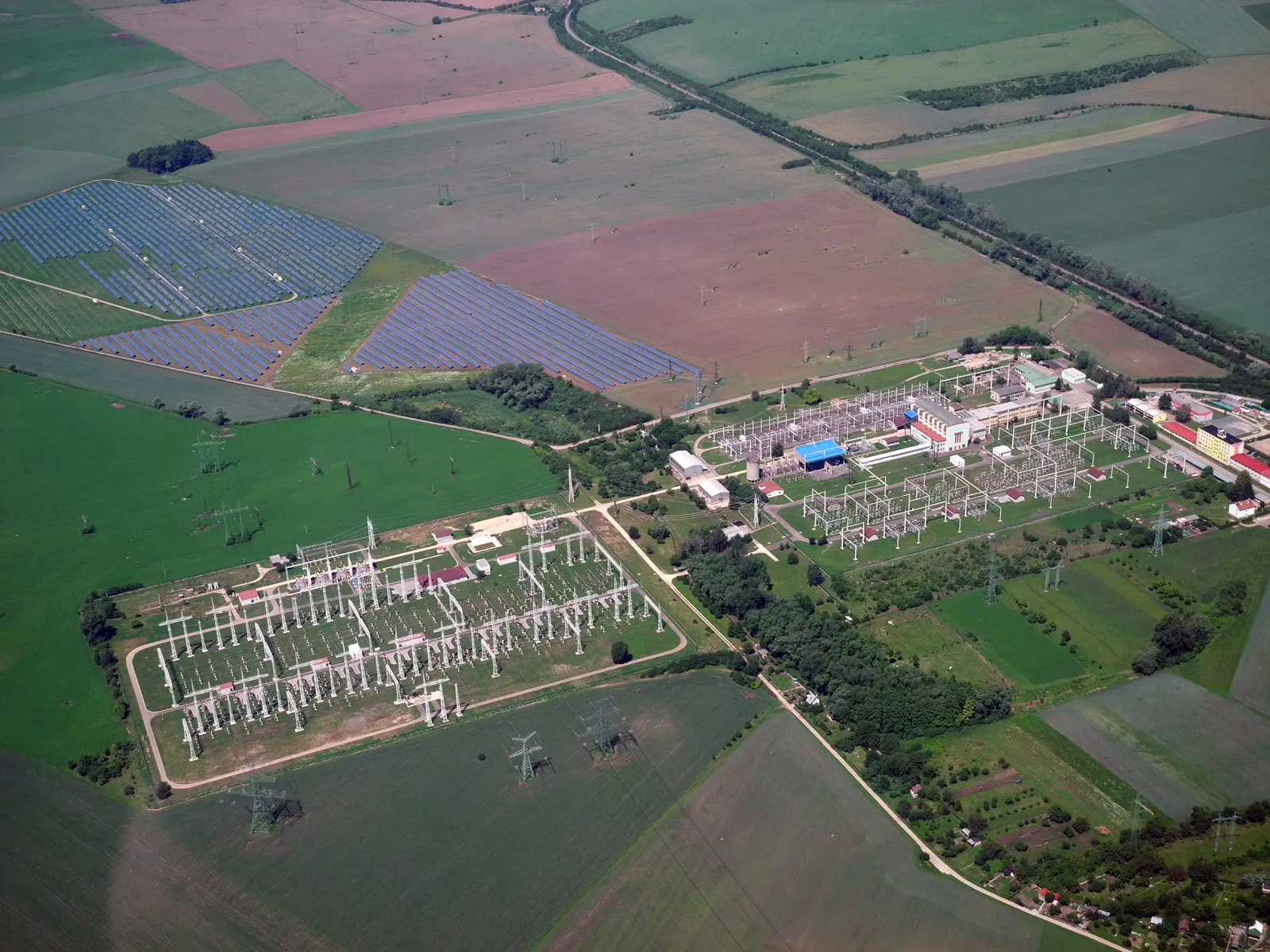
Generator switchyards and pooling substations, EHV / UHV transmission, grid substations, distribution networks, microgrids, smart grids and integrated power infrastructure. BARREL covers planning, development, engineering, manufacturing, procurement, construction, testing, commissioning, operation, maintenance, modernisation and trading across the whole electricity network.
- AC voltage range covered
- 415 V – 1,200 kV
- HVDC configurations
- ± 800 kV
- Business verticals
- 15
- BARREL grid divisions
- 12
- Questions answered
- 30
Section 01
Grid infrastructure — the foundation of the power sector
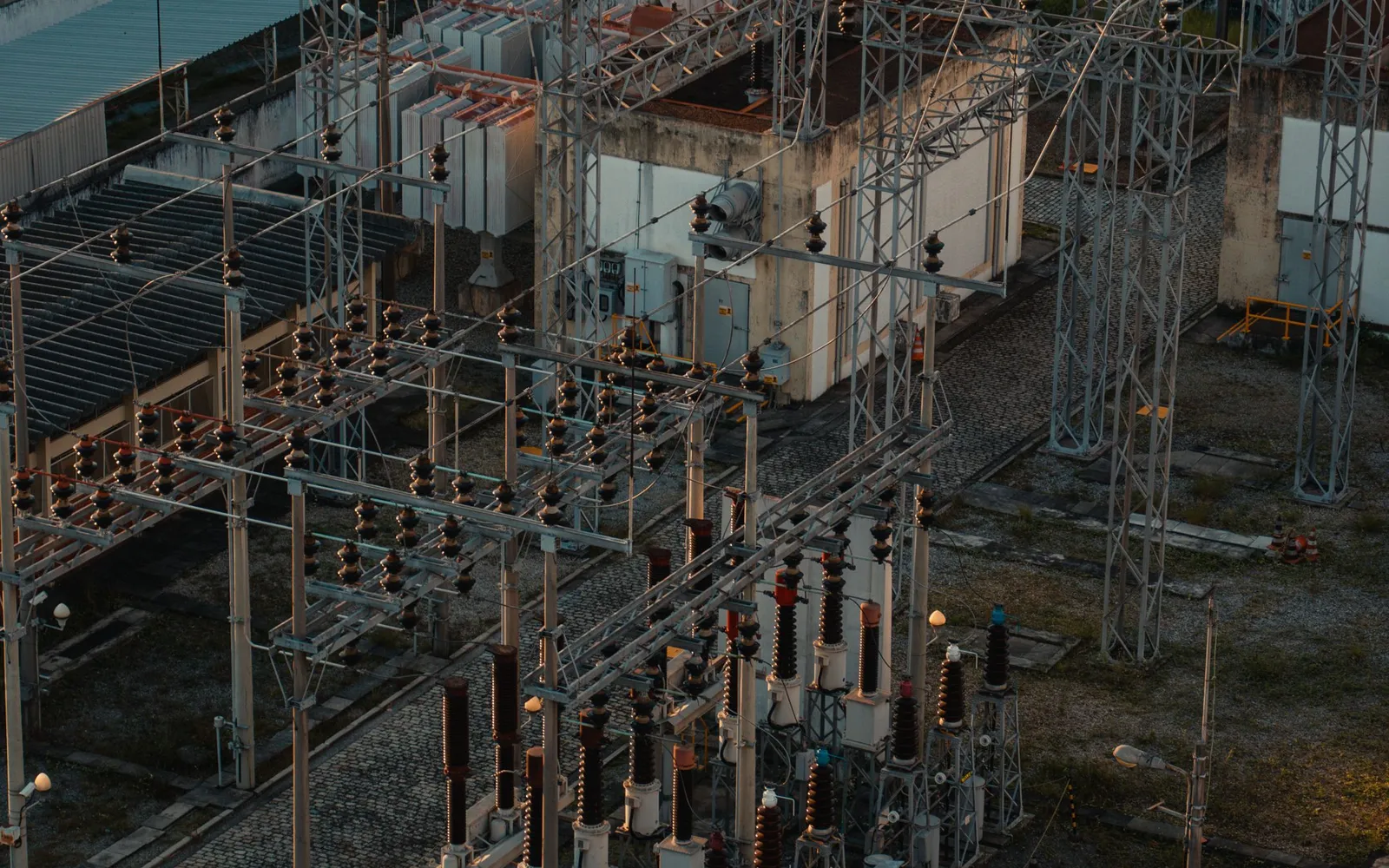
Every power plant, renewable project, factory, railway, data centre, city and household depends on a reliable electrical network. Grid infrastructure connects generation with consumption: it evacuates power from generating stations, carries it over long distances, transforms it between voltage levels, distributes it to consumers and manages it through protection, control and communication systems.
Grid infrastructure is much broader than substations and transmission lines. It includes grid connectivity, evacuation systems, power system protection, automation, digital control, distribution, energy storage integration and microgrids.
1.1What grid infrastructure includes
The physical, electrical, mechanical, communication and control infrastructure to connect, transmit, transform, distribute, manage and consume power.
- Generation switchyards and power evacuation systems
- Renewable energy pooling substations
- Grid substations and switching stations
- Power transformers and reactors
- Transmission lines and towers
- Underground and submarine cables
- HVDC transmission systems
- Distribution substations and networks
- Switching and protection equipment
- Reactive power compensation systems
- Grid automation and digital substations
- Load dispatch and control centres
- Smart grids and microgrids
- Battery energy storage integration
- Industrial and captive power infrastructure
- Power quality and reliability systems
- Testing, inspection, maintenance and asset management
How the grid is changing
- Renewable integration
- Battery storage
- Electric mobility
- Distributed generation
- Smart grids
- Microgrids
- Digital substations
- HVDC transmission
- Artificial intelligence
BARREL positioning
One complete power infrastructure business — from generator terminals and pooling substations to EHV / UHV transmission, grid substations, distribution, microgrids and intelligent power management.
1.3BARREL grid infrastructure business scope
Fifteen verticals; each has its own tab below.
| Business vertical | Main scope |
|---|---|
| Generation Connectivity | Generator switchyards, evacuation and grid interconnection |
| Pooling Substations | Solar, wind and hybrid renewable pooling infrastructure |
| Grid Substations | AIS, GIS, hybrid and EHV substations |
| Switching Stations | Line switching, sectionalising and bus arrangements |
| Transmission Lines | Overhead, underground and submarine transmission |
| HVDC Systems | High-voltage direct-current transmission |
| Distribution Infrastructure | Primary and secondary distribution networks |
| Microgrids | Grid-connected and islanded local power systems |
| Smart Grids | Intelligent monitoring, automation and control |
| Grid Modernisation | Upgradation, expansion and refurbishment |
| Protection & Automation | Relays, SCADA, SAS, communication and control |
| Power Quality | Reactive power, harmonic and voltage management |
| Energy Storage Integration | BESS, pumped storage and hybrid grid systems |
| Industrial Power Infrastructure | Captive substations, networks and power systems |
| Testing & O&M | Inspection, commissioning, maintenance and asset management |
Section 02
The complete electricity network
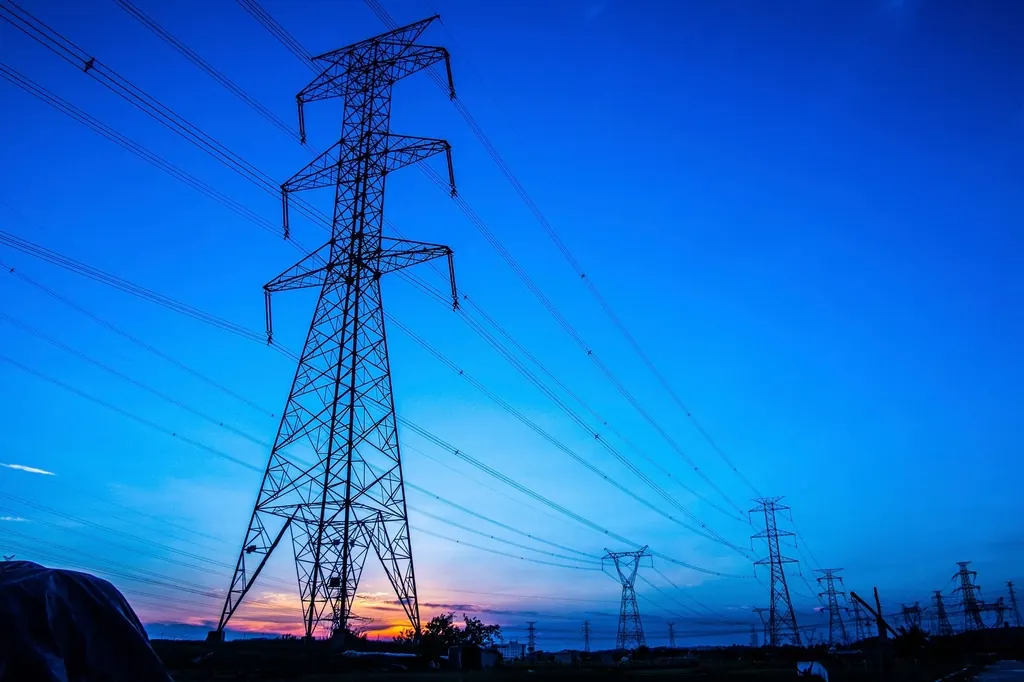
Nine stages carry electricity from the generator to the consumer. Voltage is raised for transmission, then stepped down stage by stage.
Generation to consumer at a glance
Swipe sideways to see the full diagram. Conceptual chain; numbers match the cards below. Voltages are typical Indian practice and vary by network.
1.2The nine stages
- 01
Power generation
Solar, wind, hydro, thermal, nuclear and other generating stations produce electricity.
- 02
Generation switchyard
Generator output is connected to the network through transformers, circuit breakers and associated equipment.
- 03
Pooling substation
Power from several units or renewable projects is collected and stepped up for evacuation.
- 04
Transmission network
HV and EHV lines carry bulk power over long distances.
- 05
Grid substation
Power is transformed, switched, protected and routed through the interconnected grid.
- 06
Sub-transmission
Power is delivered towards regional and local distribution systems.
- 07
Distribution substation
Voltage is reduced to levels suitable for local distribution.
- 08
Distribution network
Electricity is supplied to industrial, commercial, institutional and residential consumers.
- 09
Consumer infrastructure
Final systems distribute power inside factories, buildings, campuses and facilities.
2.3Grid classification by function
| Classification | Description |
|---|---|
| Generation network | Electrical system within and around generating stations |
| Evacuation network | Transfers generated electricity to pooling or grid substations |
| Pooling network | Collects power from multiple generators |
| Transmission network | Bulk power transmission over long distances |
| Sub-transmission network | Transfers power towards distribution areas |
| Distribution network | Supplies electricity to end consumers |
| Industrial network | Captive and dedicated industrial power infrastructure |
| Microgrid network | Localised, coordinated electrical network |
| Smart grid | Digitally monitored and controlled electricity network |
Section 03
Electrical voltage levels and grid classification
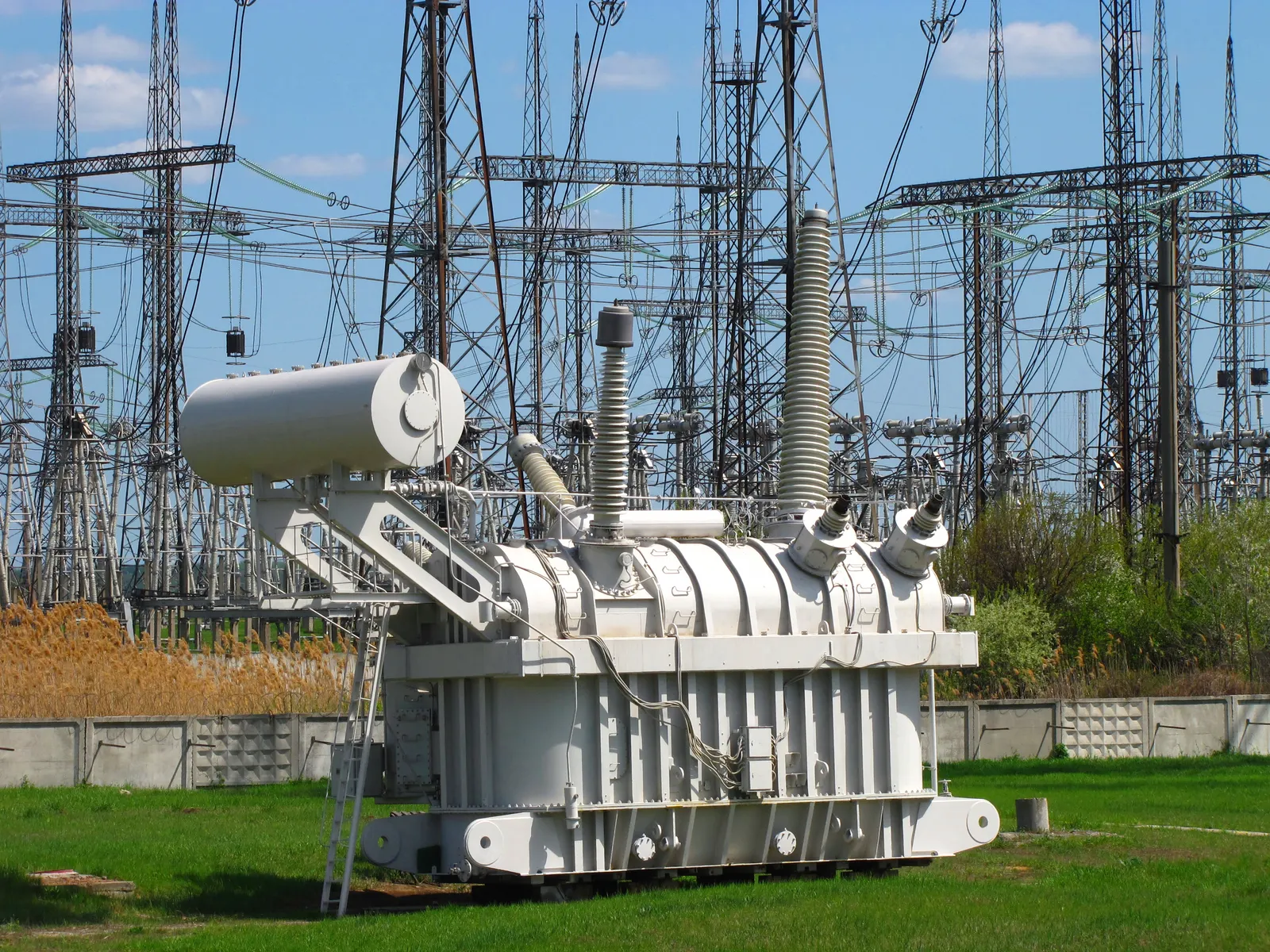
Higher voltage means lower current for the same power — and resistive losses fall with the square of the current. That is why long-distance transmission runs at EHV and UHV, within limits set by insulation, equipment, stability and system design.
2.1Major AC voltage levels
- 415 VLVLow-voltage distribution
- 690 VLVIndustrial and equipment distribution
- 3.3 kVMVIndustrial power systems
- 6.6 kVMVIndustrial distribution and motors
- 11 kVMVPrimary distribution
- 22 kVMVDistribution and sub-transmission
- 33 kVMVDistribution, renewable collection and sub-transmission
- 66 kVHVSub-transmission
- 110 kVHVTransmission and sub-transmission in some systems
- 132 kVHVTransmission and grid substations
- 220 kVEHVEHV transmission
- 400 kVEHVEHV transmission
- 500 kV ACEHVTransmission in certain international systems
- 765 kVUHVUHV AC transmission
- 1,000–1,200 kVUHVSpecialised UHV development and applications
Why voltage matters — one line
Current for a given power
I = P ÷ (√3 × V × pf)
Resistive loss
P_loss = 3 × I² × R
Doubling the voltage halves the current and cuts the I²R loss to a quarter on the same conductor — the reason 400 kV and 765 kV corridors carry bulk power.
2.2HVDC voltage levels
For long-distance bulk transfer, asynchronous interconnection and long underground or submarine cables.
- ± 100 kV
- ± 200 kV
- ± 320 kV
- ± 400 kV
- ± 500 kV
- ± 600 kV
- ± 800 kV
- Project-specific
Section 04
Grid substations — complete engineering and infrastructure
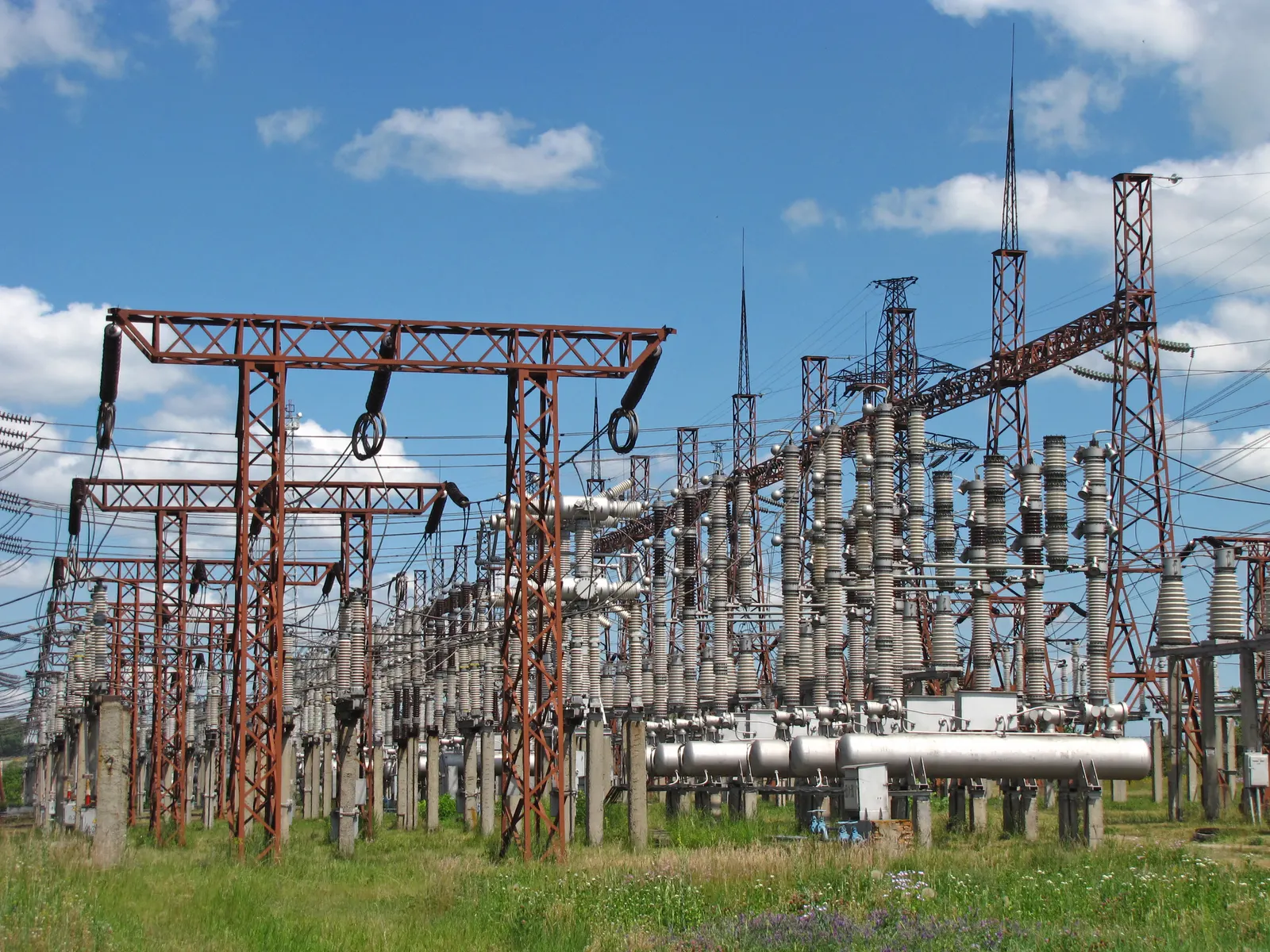
A grid substation receives, transforms, switches, protects, controls and distributes power. It is the connection point between generation, transmission, sub-transmission and distribution.
AStep-up substation
Raises generator output voltage to a transmission voltage.
Typical infrastructure
- Generator transformers
- Generator circuit breakers, where applicable
- Isolated phase bus or bus ducts
- HV switchyard
- Circuit breakers and isolators
- CTs and VTs
- Surge arresters
- Protection and control
- Metering and communication
BStep-down substation
Reduces transmission voltage for sub-transmission or distribution. Actual combinations follow the local network.
Examples
- 400/220 kV
- 220/132 kV
- 132/66 kV
- 132/33 kV
- 66/33 kV
- 33/11 kV
CGrid switching station
Switching and network interconnection without necessarily transforming voltage.
Applications
- Transmission line switching
- Grid sectionalising
- Busbar interconnection
- Network redundancy
- Power flow management
- Fault isolation
- System reliability
DConverter substation
Used in HVDC and other power-electronic transmission systems.
May include
- AC switchyard
- Converter transformers
- Converter valves
- Smoothing reactors
- AC and DC filters
- DC switchyard
- Control and protection
- Cooling systems
- Electrode line, where applicable
EDistribution substation
Transforms electricity to medium or low voltage for distribution.
Examples
- 33/11 kV
- 22/11 kV
- 11/0.433 kV
- Other utility-specific combinations
FIndustrial and captive substation
Dedicated substations for large industrial and infrastructure loads.
For
- Steel, cement and aluminium plants
- Chemical plants and refineries
- Mines
- Data centres
- Manufacturing complexes
- Railways and metro
- Ports and airports
3.2Substation technologies
- 01
Air Insulated Substation (AIS)
Outdoor equipment with air as the principal insulation medium. Lowest equipment cost; needs the most land.
- 02
Gas Insulated Substation (GIS)
Compact metal-enclosed switchgear using an insulating gas or an approved alternative medium. For cities, caverns and tight sites.
- 03
Hybrid substation
AIS and GIS equipment combined to suit space, reliability and project requirements.
- 04
Mobile substation
Transportable substation for temporary supply, emergencies and maintenance support.
3.3Busbar configurations
Selected for reliability, flexibility, maintainability, fault levels, land and lifecycle cost.
- Single busbar
- Single busbar with bus section
- Single busbar with bus coupler
- Main and transfer bus
- Double busbar
- Double busbar with double breaker
- One-and-a-half breaker scheme
- Ring bus scheme
- Mesh bus scheme
- Breaker-and-a-half arrangement
- Specialised GIS bus configurations
| Arrangement | Reliability | Flexibility | Land / cost | Typical use |
|---|---|---|---|---|
| Single busbar | Low | Low | Lowest | Small distribution and industrial substations |
| Main and transfer bus | Medium | Breaker maintenance without outage | Moderate | 132 kV and below, older utility practice |
| Double busbar | High | Circuits move between buses | Higher | 220 kV grid substations |
| One-and-a-half breaker | Very high | Any breaker out without loss of supply | High | 400 kV and 765 kV EHV substations |
| Ring / mesh bus | High | Good for few circuits | Moderate | Compact EHV and switching stations |
Qualitative comparison. The scheme for each voltage level follows the utility's specification and the CEA construction standards.
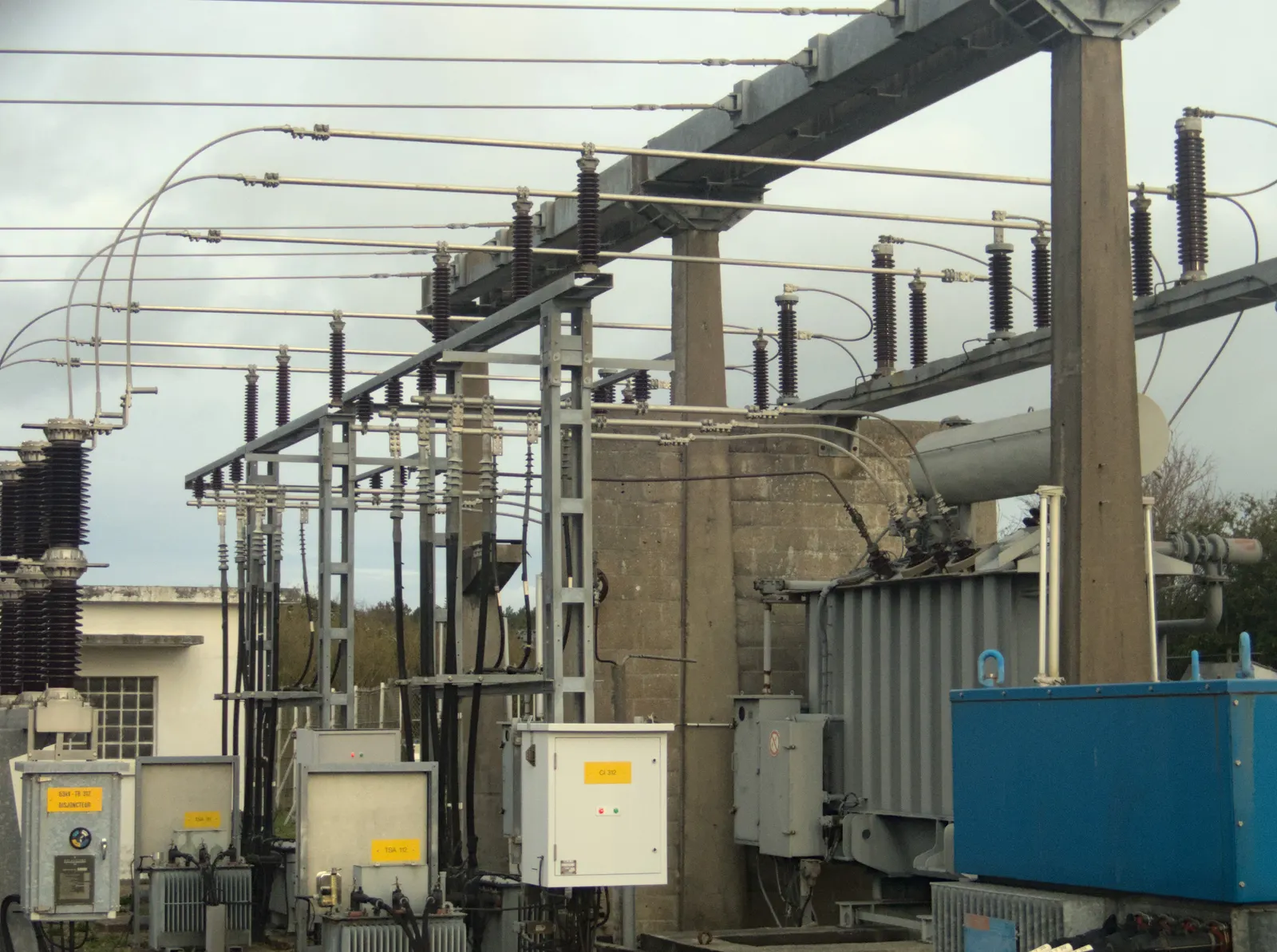
3.4Main equipment in a grid substation
| Equipment | Function |
|---|---|
| Power transformer | Voltage transformation |
| Auto transformer | Transformation between interconnected voltage levels |
| Circuit breaker | Switching and fault interruption |
| Isolator / disconnector | Electrical isolation |
| Earth switch | Grounding isolated equipment |
| Current transformer (CT) | Current measurement and protection |
| Voltage transformer (VT / PT / CVT) | Voltage measurement and protection |
| Surge arrester | Overvoltage protection |
| Busbar | Common electrical connection |
| Insulators | Electrical insulation and mechanical support |
| Shunt reactor | Reactive power absorption |
| Shunt capacitor | Reactive power compensation |
| Series capacitor | Transmission impedance compensation |
| Wave trap | Power-line carrier communication |
| Coupling capacitor | Communication and measurement interface |
| Neutral grounding equipment | System grounding and fault-current control |
| Protection relay | Fault detection and trip logic |
| Battery and charger | DC auxiliary supply |
| AC distribution board | Auxiliary AC supply |
| DC distribution board | Protection and control supply |
| SCADA / SAS | Monitoring, control and automation |
3.5 Auxiliary systems
17- AC auxiliary power system
- DC battery system
- Battery chargers
- UPS system
- Lighting systems
- Fire detection and suppression
- HVAC and ventilation
- Earthing and bonding
- Lightning protection
- Cable trenches and ducts
- Control and relay panels
- Communication equipment
- Security and access control
- CCTV and perimeter protection
- Water supply and drainage
- Oil containment and drainage
- Emergency facilities
3.6Substation engineering services
- Site feasibility
- Land and layout planning
- Electrical single-line diagrams
- General arrangement drawings
- Substation layout
- Busbar design
- Equipment specifications
- Transformer sizing
- Fault-level calculations
- Short-circuit studies
- Load-flow studies
- Insulation coordination
- Earthing design
- Lightning protection design
- Protection coordination
- Cable sizing
- Illumination design
- Civil and structural engineering
- Fire protection engineering
- SCADA and automation engineering
- Communication engineering
- Testing and commissioning
Section 05
Renewable energy pooling substations
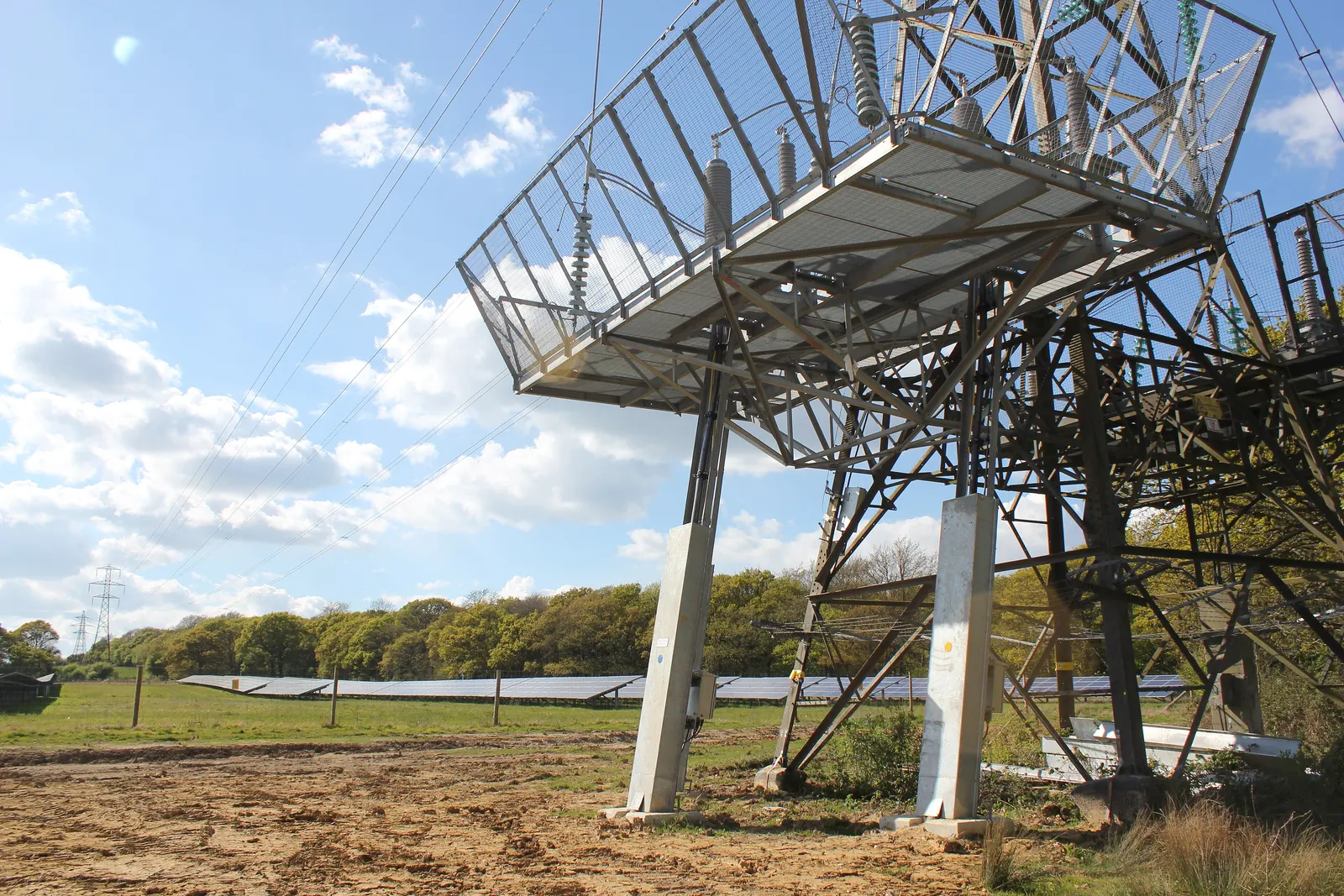
A pooling substation collects power from several generating units or renewable projects, combines it through common busbars and transformers, and evacuates it through one or more transmission connections — so each project does not need its own long line.
4.1How a pooling substation is arranged
Example: solar and wind blocks on 33 kV collection feeders, stepped up to 220 kV for evacuation.
Swipe sideways to see the full diagram. Conceptual single-line diagram — not a design drawing. Bus scheme, transformer count and reactors follow grid studies.
4.2 Types of pooling substation
9- Solar power pooling substation
- Wind power pooling substation
- Hybrid solar-wind pooling substation
- Renewable energy park pooling substation
- Battery energy storage pooling substation
- Pumped storage grid connection substation
- Independent power producer pooling station
- Industrial captive power pooling station
- Multi-developer renewable energy pooling station
| Collection voltage | Evacuation voltage examples |
|---|---|
| 11 kV | 33 kV / 66 kV |
| 22 kV | 66 kV / 132 kV |
| 33 kV | 132 kV / 220 kV |
| 66 kV | 132 kV / 220 kV |
| 132 kV | 220 kV / 400 kV |
| 220 kV | 400 kV / 765 kV |
Indicative engineering combinations, not universal prescribed pairings.
4.4Main components
- Incoming feeder bays
- Collection busbars
- Main power transformers
- Interconnecting transformers
- Bus couplers
- Bus section breakers
- Outgoing transmission line bays
- Circuit breakers
- Isolators
- CTs and CVTs
- Surge arresters
- Shunt reactors
- Capacitor banks
- Harmonic filters, where required
- Protection and control panels
- Metering systems
- SCADA and communication
- Auxiliary power systems
- Fire protection systems
4.5Renewable energy collection network
Solar power collection
- 1Solar inverter output
- 2Inverter transformer
- 333 kV or project-specific collection feeder
- 4Feeder protection
- 5Underground or overhead collection network
- 6Pooling substation
Wind power collection
- 1Wind turbine generator
- 2Turbine converter
- 3Wind turbine transformer
- 4Medium-voltage collection network
- 5Feeder protection
- 6Pooling substation
Hybrid collection
- 1Solar generation
- 2Wind generation
- 3BESS
- 4Common collection system
- 5Plant controller
- 6Pooling substation
- 7Grid evacuation network
4.6Pooling substation services
- Pooling substation feasibility
- Land identification
- Grid connectivity coordination
- Detailed project report
- Electrical system design
- Transformer procurement
- AIS / GIS equipment procurement
- 33 kV collection systems
- 66 kV collection systems
- 132 kV pooling substations
- 220 kV pooling substations
- 400 kV pooling substations
- 765 kV renewable evacuation infrastructure
- Transmission line construction
- Bay extension works
- Testing and commissioning
- Grid compliance coordination
- O&M services
Section 06
Power generation switchyards and evacuation infrastructure
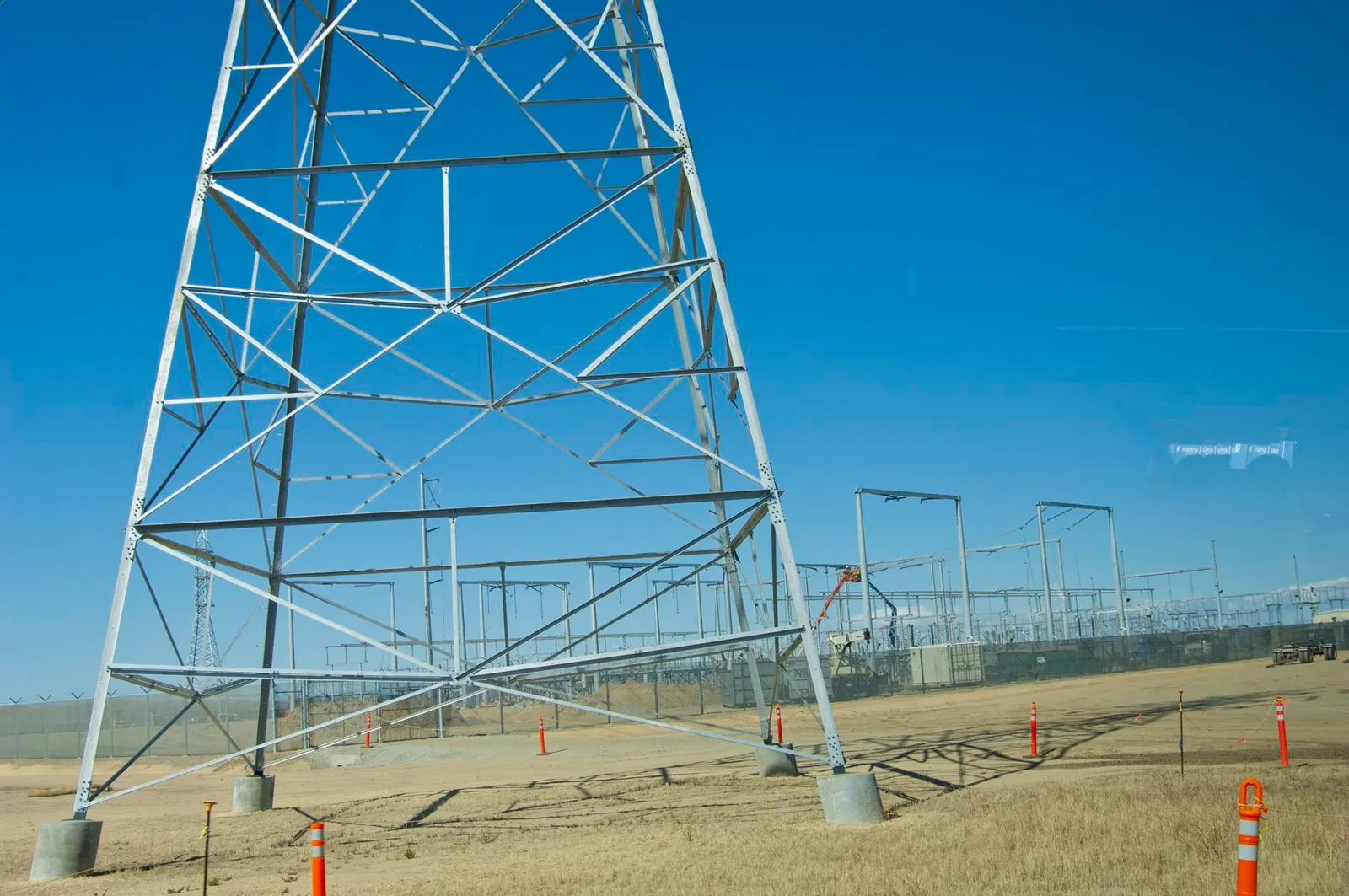
A generation switchyard connects a generating station's output to the transmission network — the critical interface between the plant and the grid.
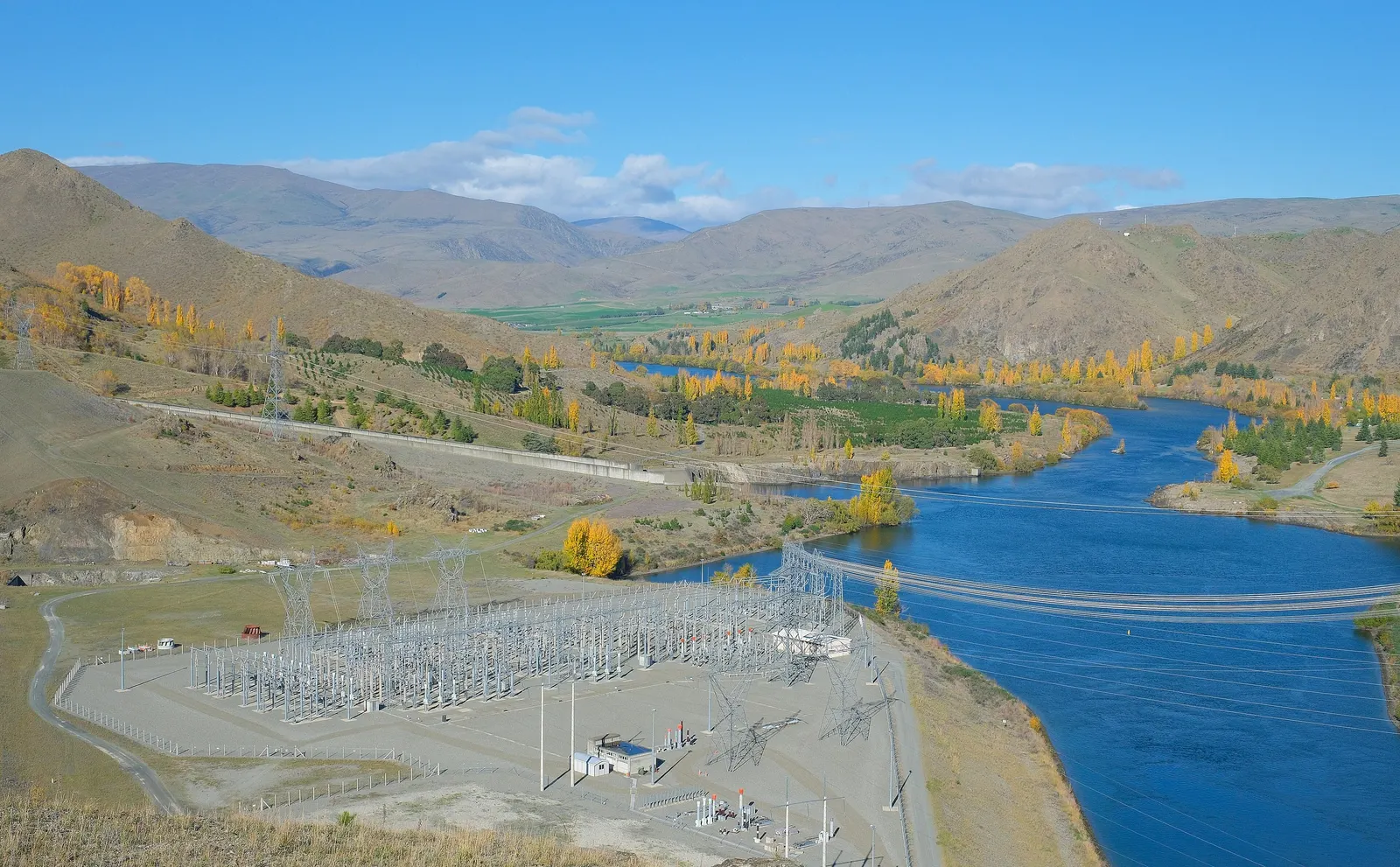
5.1 Types of generation switchyard
10- Thermal power plant
- Hydro power plant
- Nuclear power plant
- Solar power plant
- Wind power plant
- Biomass power plant
- Waste-to-energy
- Pumped storage power plant
- Battery energy storage grid connection
- Captive power plant
5.2 Main components
17- Generator transformers
- Generator circuit breakers
- Isolated phase bus systems
- Bus ducts
- Generator protection systems
- HV circuit breakers
- Isolators
- Current transformers
- Voltage transformers
- Surge arresters
- Busbars
- Power transformers
- Earthing systems
- Protection and control panels
- Metering systems
- Synchronisation systems
- SCADA and communication
5.3Power evacuation infrastructure
Everything between the generator terminals and the grid connection point.
- 1Generator terminal systems
- 2Generator step-up transformers
- 3Plant switchyard
- 4Evacuation transmission line
- 5Renewable pooling station, where applicable
- 6Dedicated transmission line
- 7Grid interconnection bay
- 8Grid substation modifications
- 9Communication and protection systems
- 10Metering and grid compliance
BARREL opportunity
A complete Generation-to-Grid Connectivity Package for solar, wind, hydro, thermal, nuclear, biomass, battery storage and hybrid projects — one owner for the interface between the plant and the network.
Section 07
Transmission lines — complete transmission infrastructure
Transmission lines connect geographically separated generation with demand. Route, tower, conductor and foundation choices decide cost, losses and reliability for decades.
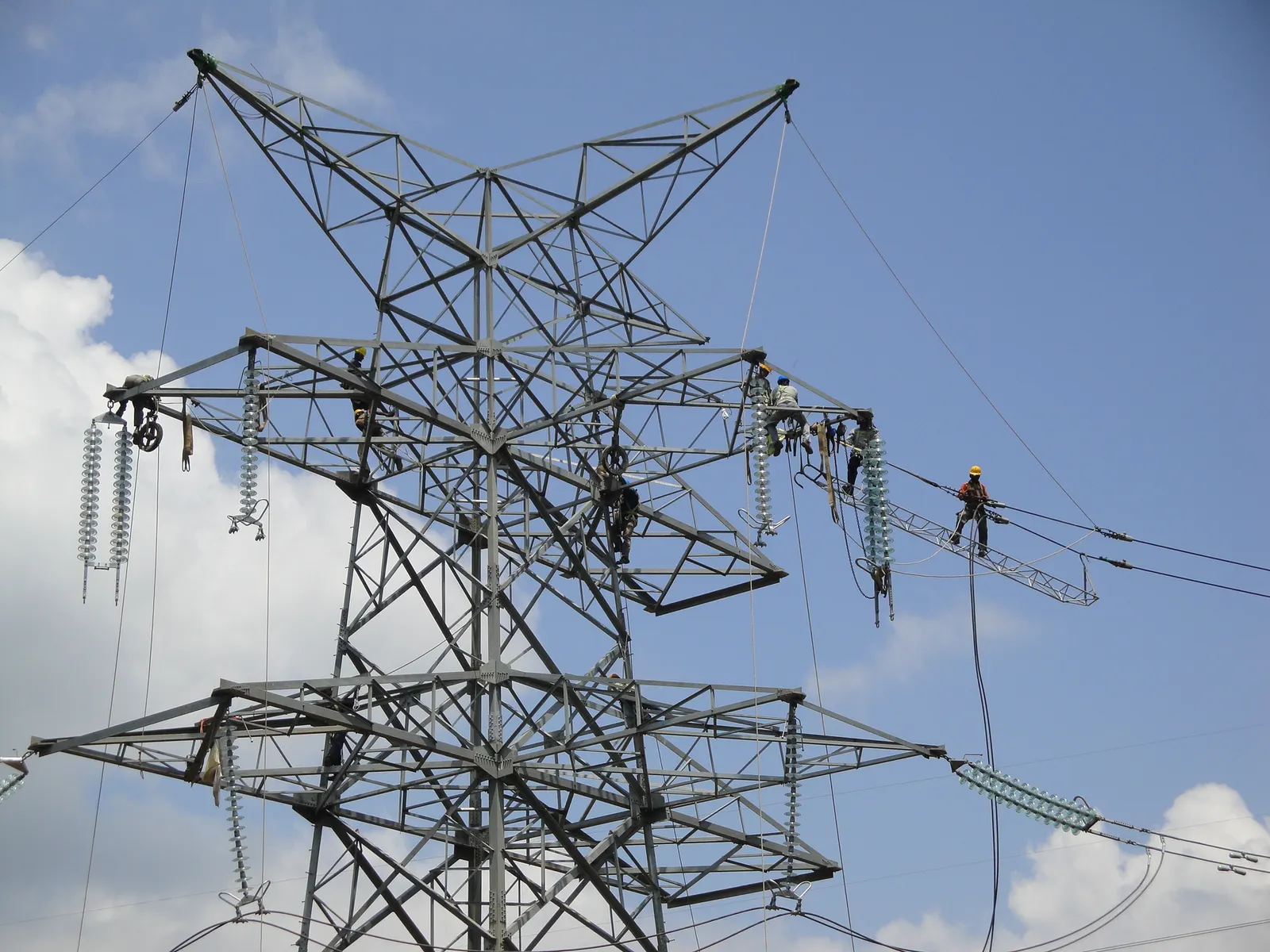
AOverhead transmission lines
Conductors supported on towers or poles — the backbone of long-distance bulk transmission.
Applications
- Long-distance transmission
- Renewable power evacuation
- Inter-state transmission
- Intra-state transmission
- Industrial power supply
- Grid interconnection
- Regional network strengthening
Main components
- Transmission towers
- Tower foundations
- Conductors
- Earth wires
- Optical Ground Wire (OPGW)
- Insulator strings
- Hardware fittings
- Suspension and tension clamps
- Spacers and dampers
- Vibration control
- Earthing systems
- Aviation warning systems, where required
- Danger and number plates
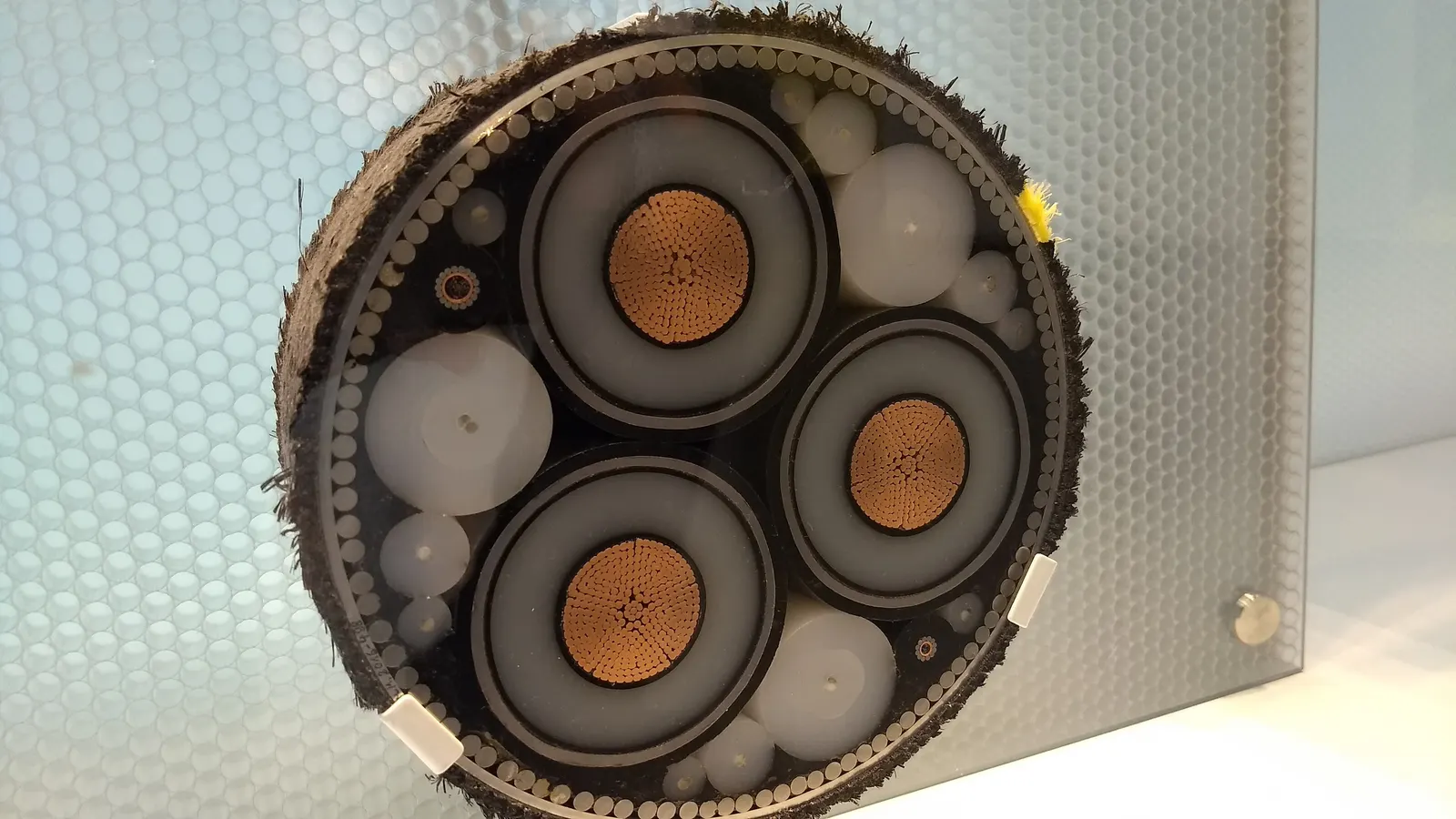
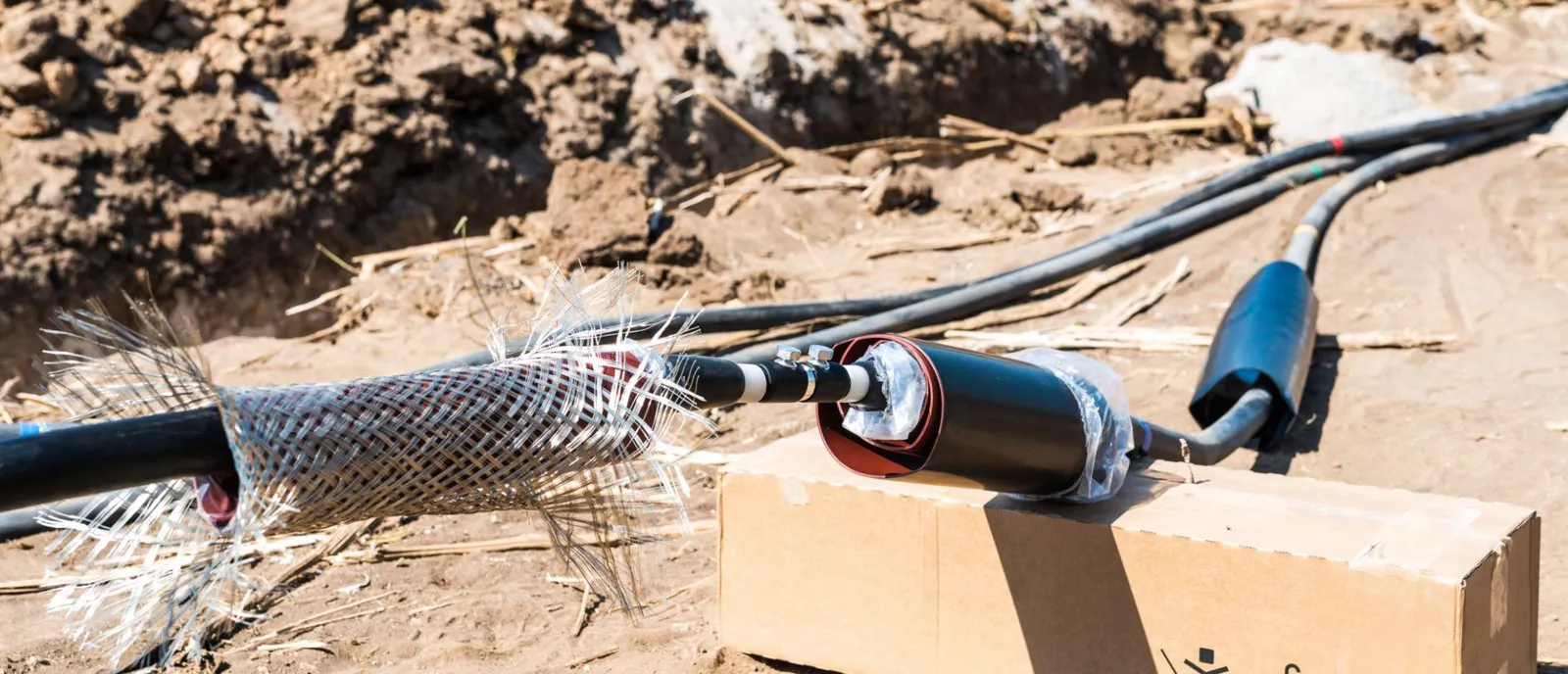
BUnderground transmission cables
Where overhead lines are difficult, impractical or undesirable.
Applications
- Urban areas
- Industrial zones
- Airports
- Metro corridors
- Environmentally sensitive locations
- River and road crossings
- Congested utility corridors
Main components
- XLPE power cables
- Cable joints
- Cable terminations
- Link boxes
- Bonding systems
- Earthing systems
- Cable ducts and trenches
- Tunnels and manholes
- Thermal backfill
- Cable monitoring
- Distributed temperature sensing, where specified
CSubmarine power cables
Across water bodies and from offshore installations to onshore networks.
Applications
- Offshore wind farms
- Island power supply
- Cross-border interconnections
- Undersea grid links
- Offshore oil and gas
- Coastal industrial infrastructure
Main components
- Submarine cable
- Cable protection systems
- Shore landing arrangements
- Cable burial equipment
- Cable joints
- Offshore platforms
- Onshore converter or substation
- Monitoring and fault location
6.2Circuit configurations
- Single circuit
- Double circuit
- Multi-circuit
- Multi-voltage towers
- Multi-terminal arrangements
- Compact transmission lines
- Multi-circuit corridors
- Special crossing structures
6.3Transmission tower types
- 01
Suspension tower
Carries conductors along relatively straight sections of the route.
- 02
Angle tower
Takes the extra load where the line changes direction.
- 03
Terminal tower
Dead-ends the line at its termination and substation entry.
- 04
Special crossing tower
Tall or heavy towers for river, railway, highway and other major crossings.
6.4Transmission line conductors
| Conductor | Full name | Where it fits |
|---|---|---|
| ACSR | Aluminium Conductor Steel Reinforced | The standard workhorse for most EHV lines |
| AAAC | All Aluminium Alloy Conductor | Lighter, corrosion-resistant; coastal and distribution lines |
| AAC | All Aluminium Conductor | Short spans, urban distribution |
| ACAR | Aluminium Conductor Alloy Reinforced | Better strength-to-weight than AAC |
| HTLS | High Temperature Low Sag | Reconductoring to raise capacity on existing towers |
| ACCC | Aluminium Conductor Composite Core | HTLS family; composite core, low sag |
| ACSS | Aluminium Conductor Steel Supported | HTLS family; annealed aluminium, high temperature |
Conductor selection depends on
- Current-carrying capacity
- Voltage level
- Electrical losses
- Temperature limits
- Sag and tension
- Wind and ice loading
- Corona performance
- Short-circuit withstand
- Mechanical strength
- Lifecycle cost
6.5Transmission line engineering
RouteRoute engineering
11- Route alignment
- Reconnaissance survey
- Topographical survey
- Drone survey
- LiDAR survey
- GIS mapping
- Right-of-way assessment
- Forest and environmental assessment
- Railway and highway crossings
- River crossings
- Land and access planning
ElecElectrical engineering
12- Line parameters
- Load flow
- Thermal rating
- Voltage drop
- Power transfer capability
- Corona and radio interference
- Insulation coordination
- Lightning performance
- Shielding angle
- Earthing
- Sag and tension
- Conductor selection
MechMechanical and civil engineering
10- Tower spotting
- Tower design
- Foundation design
- Soil investigation
- Structural analysis
- Tower fabrication
- Tower erection
- Conductor stringing
- Tensioning
- OPGW installation
6.6Construction sequence
- 1Survey and route marking
- 2Land and right-of-way coordination
- 3Foundation excavation
- 4Reinforcement and concreting
- 5Tower fabrication and galvanising
- 6Tower transportation
- 7Tower erection
- 8Insulator installation
- 9Conductor stringing
- 10Earth wire stringing
- 11OPGW installation
- 12Jointing and termination
- 13Sagging and clipping
- 14Testing and inspection
- 15Pre-commissioning
- 16Charging and energisation
Section 08
HVDC transmission and advanced power transfer
HVDC moves large blocks of power over long distances and through long cables, connects asynchronous grids and gives controllable power flow. FACTS devices add control and stability to AC networks.
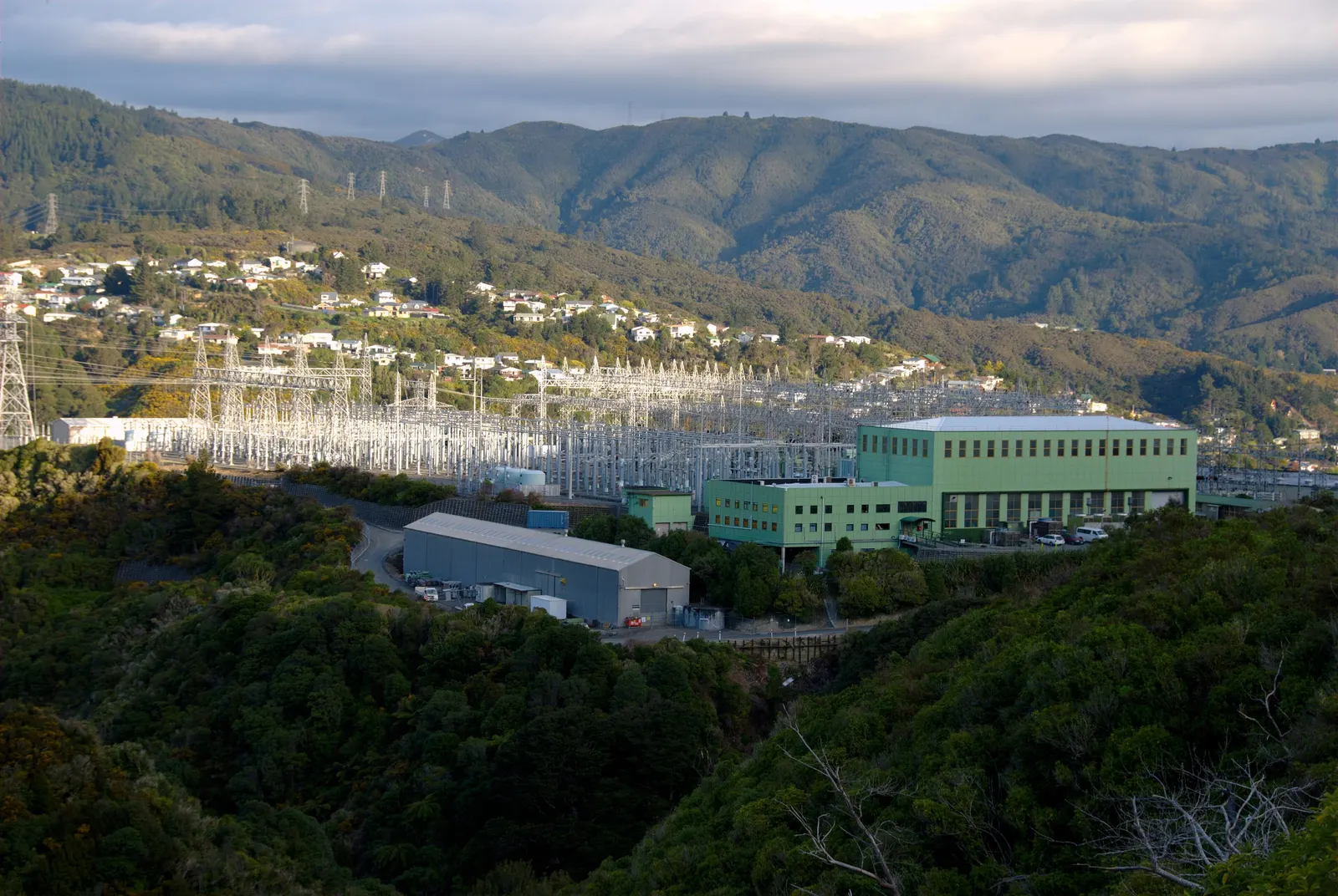
7.1HVDC configurations
- Monopolar
- Bipolar
- Homopolar
- Back-to-back
- Multi-terminal
- Voltage Source Converter (VSC)
- Line Commutated Converter (LCC)
| LCC (thyristor) | VSC (IGBT) | |
|---|---|---|
| Typical use | Very large long-distance bulk links | Offshore wind, cables, weak grids, multi-terminal |
| Reactive power | Consumes it — needs filters and compensation | Controls it independently |
| Black start / weak grid | Needs a strong AC grid | Can support or energise weak grids |
| Footprint | Larger (filters) | Smaller |
| Power reversal | By reversing voltage polarity | By reversing current |
7.2 Main HVDC equipment
14- Converter transformers
- Converter valves
- Thyristor valves
- IGBT-based converter systems
- Smoothing reactors
- AC filters
- DC filters, where required
- DC switchyard
- AC switchyard
- Converter control and protection
- Cooling systems
- Electrode systems
- DC cables or overhead lines
- Communication systems
7.3 HVDC applications
8- Long-distance bulk power
- Offshore wind connections
- Inter-regional transfer
- Cross-border interconnections
- Asynchronous grid connections
- Underground cable transmission
- Submarine transmission
- Renewable integration
7.4Flexible AC Transmission Systems (FACTS)
- 01
SVC
Static Var Compensator — thyristor-switched reactors and capacitors for fast voltage support.
- 02
STATCOM
Static Synchronous Compensator — converter-based dynamic reactive power, strong at low voltage.
- 03
TCSC
Thyristor Controlled Series Capacitor — varies line impedance to steer power flow and damp oscillations.
- 04
SSSC
Static Synchronous Series Compensator — injects a controllable series voltage.
- 05
UPFC
Unified Power Flow Controller — combined shunt and series control of voltage, impedance and angle.
- 06
Series and shunt compensation
Fixed capacitors and reactors that extend transfer capability and hold the voltage profile.
7.5Reactive power compensation
Manages voltage profiles, reactive power flows, stability and network performance.
- Shunt capacitor banks
- Shunt reactors
- Series capacitors
- Synchronous condensers
- Static Var Compensators
- STATCOM
- Dynamic voltage support
- Power factor correction
- Harmonic filtering
Section 09
Grid distribution infrastructure
Distribution delivers electricity from transmission and sub-transmission networks to consumers — substations, feeders, transformers, poles, cables, switching, metering and connections.
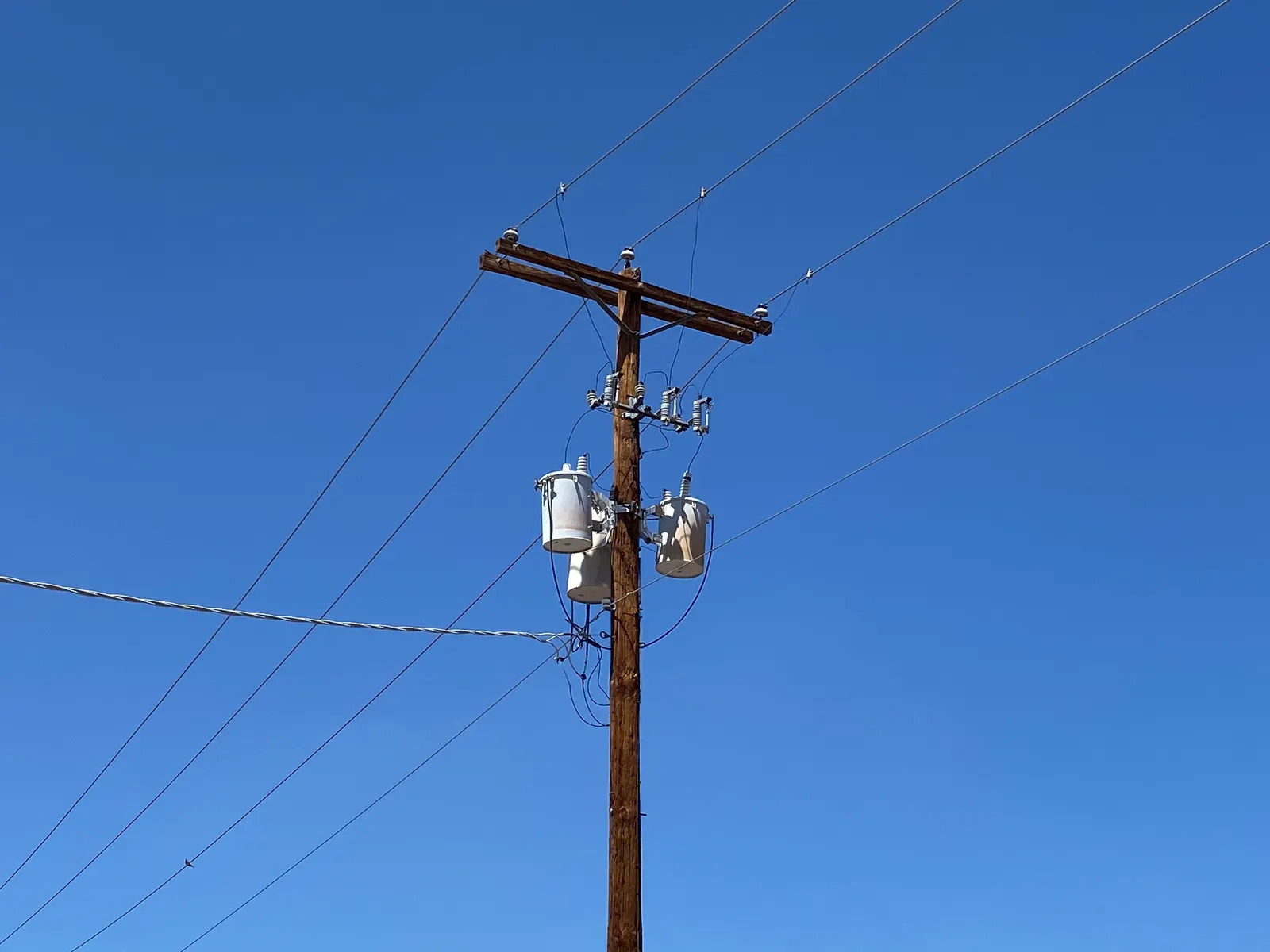
8.1Primary distribution — 33 / 22 / 11 kV
8- Primary substations
- Distribution feeders
- Ring Main Units (RMUs)
- Sectionalising equipment
- Vacuum circuit breakers (VCBs)
- Distribution protection
- Feeder automation
- Underground and overhead cables
8.2Secondary distribution — 415 V / 230 V
9- Distribution transformers
- LT distribution boards
- LT panels
- Distribution boxes
- Feeder pillars
- Service cables
- Metering systems
- Consumer connections
- Earthing and safety
8.3Network configurations
10- Radial
- Ring-main
- Interconnected
- Underground
- Overhead
- Compact
- Urban
- Rural
- Industrial captive
- Campus
8.4Distribution transformers
9- Pole-mounted
- Plinth-mounted
- Indoor
- Outdoor
- Oil-immersed
- Dry-type
- Cast-resin
- Hermetically sealed
- Special industrial
8.5Distribution modernisation
12- Feeder segregation
- Distribution automation
- Smart meters
- Advanced Metering Infrastructure
- Distribution SCADA
- GIS network mapping
- Automated fault detection
- FLISR — fault location, isolation and service restoration
- Network loss reduction
- Transformer monitoring
- Voltage optimisation
- Power quality monitoring
BARREL engineering principle
Most technical losses and most outages a consumer sees happen in distribution. Feeder segregation, automation, metering and FLISR pay back fastest where loss and reliability data are measured first.
Section 10
Microgrids — intelligent local power networks
A microgrid coordinates distributed energy resources, storage and loads within a defined electrical boundary. It can run connected to the utility grid or, if designed for it, on its own in island mode.
A microgrid is more than a small power plant: it is a controllable network with generation, storage, distribution, protection, communication and energy management.
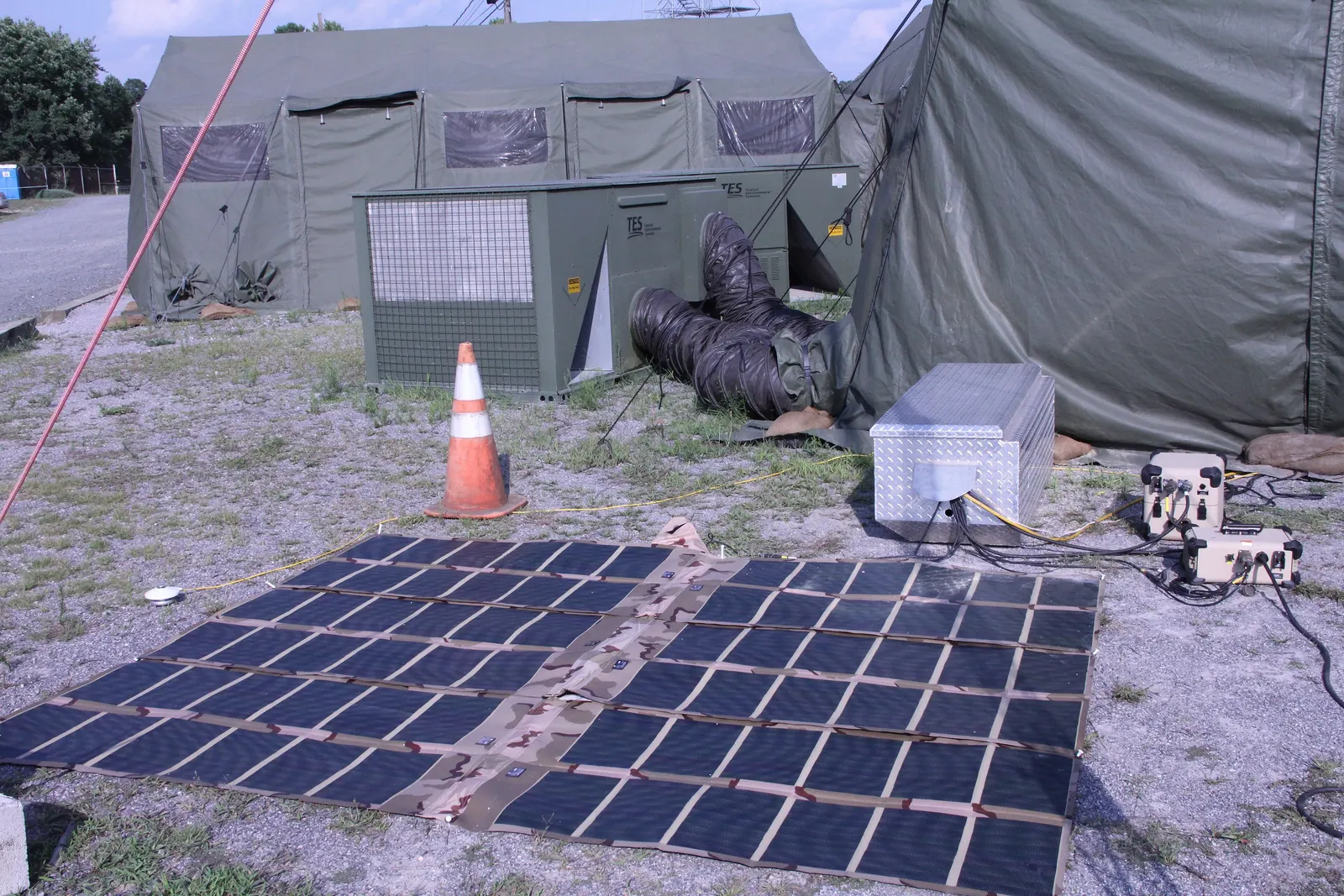
9.1Microgrid architecture
Swipe sideways to see the full diagram. Conceptual microgrid. Opening the PCC breaker islands the microgrid; the grid-forming battery holds voltage and frequency.
- Local electricity generation
- Renewable energy sources
- Battery energy storage
- Backup generation
- Local electrical distribution
- Loads and consumers
- Protection and switching
- Microgrid controller
- Energy Management System (EMS)
- Grid interconnection, where applicable
9.2Types of microgrid
AGrid-connected microgrid
Imports or exports with the utility grid, subject to connection agreements and permissions.
- Industrial facilities
- Commercial complexes
- Universities
- Hospitals
- Airports
- Data centres
- Business parks
- Residential townships
BIslanded microgrid
Runs independently of the main grid.
- Remote villages
- Islands
- Mining sites
- Remote industry
- Defence installations
- Disaster-response facilities
- Off-grid communities
CHybrid renewable microgrid
Several renewable and conventional sources with storage.
- Solar PV
- Wind power
- Battery storage
- Diesel or gas backup, where required
- Grid connection, if available
- Smart controller
DIndustrial microgrid
A dedicated network for a factory, industrial park or manufacturing complex.
- Steel and cement plants
- Chemical industries
- Refineries
- Mining
- Manufacturing clusters
- Warehouses and logistics parks
ECommercial and institutional
Resilient supply for critical and high-value facilities.
- Hospitals
- Universities
- IT parks
- Data centres
- Hotels
- Airports
- Shopping centres
- Government facilities
FCommunity microgrid
Serves several buildings, households or community facilities.
- Rural electrification
- Remote settlements
- Community solar
- Local energy cooperatives
- Public infrastructure
- Disaster-resilient communities
GMilitary and defence microgrid
Reliable power for strategic and remote sites.
- Defence bases
- Military camps
- Strategic installations
- Border infrastructure
- Remote communications
- Emergency facilities
9.3 Energy sources
13- Solar PV
- Wind power
- Battery storage
- Small hydro
- Biomass
- Hydrogen fuel cells
- Biogas generators
- Small gas turbines
- Diesel generator sets
- Natural gas engines
- Combined heat and power
- Waste-to-energy
- Vehicle-to-grid, where suitable
9.4 Electrical infrastructure
19- Solar PV arrays
- Wind turbines
- Generators
- Battery energy storage systems
- Power conversion systems
- Bidirectional inverters
- Transformers
- MV switchgear
- LV switchgear
- Ring Main Units
- Distribution transformers
- Protection relays
- Synchronising panels
- Grid-interconnection switchgear
- Automatic transfer systems
- Earthing systems
- Metering systems
- Power quality systems
- Microgrid control systems
9.5Microgrid controller and energy management
- Renewable generation forecasting
- Load forecasting
- Battery charge / discharge scheduling
- Generator dispatch
- Grid import and export management
- Peak-demand management
- Load shedding
- Demand response
- Power quality control
- Voltage and frequency management
- Islanding detection
- Resynchronisation
- Black start
- Reserve management
- Energy cost optimisation
- Emissions tracking
- Operational reporting
9.6Operating modes
| Operating mode | Description |
|---|---|
| Grid-connected | Operates in coordination with utility supply |
| Islanded | Operates independently from the main grid |
| Transition to islanding | Separates from utility supply during a disturbance or planned event |
| Resynchronisation | Matches voltage, frequency and phase before reconnection |
| Black start | Restores the local network without external grid supply |
| Emergency mode | Prioritises critical loads and essential services |
| Economic mode | Optimises generation, storage and grid energy costs |
Not every microgrid supports every mode. Each function is designed, tested and approved for the particular interconnection arrangement.
9.7Applications
- Rural microgrids
- Industrial microgrids
- Commercial microgrids
- Hospital microgrids
- Data centre microgrids
- University microgrids
- Airport microgrids
- Port microgrids
- Mining microgrids
- Island microgrids
- Defence microgrids
- Railway microgrids
- EV charging microgrids
- Renewable microgrids
- Hydrogen-based microgrids
10.1Microgrid development stages
- 1Site and load assessment
- 2Historical energy consumption analysis
- 3Critical-load identification
- 4Renewable resource assessment
- 5Solar and wind feasibility
- 6Battery storage sizing
- 7Backup generation planning
- 8Grid connection assessment
- 9Microgrid architecture selection
- 10Electrical system design
- 11Protection and control design
- 12EMS and controller selection
- 13Financial feasibility
- 14Detailed engineering
- 15Equipment procurement
- 16Construction and installation
- 17Testing and commissioning
- 18Grid synchronisation and islanding tests
- 19Operations and maintenance
10.2Capacity categories
| Microgrid category | Indicative installed capacity |
|---|---|
| Small residential / community | Below 100 kW |
| Village and remote community | 100 kW – 1 MW |
| Commercial campus | 100 kW – 5 MW |
| Industrial microgrid | 1 – 50 MW |
| Large industrial complex | 10 – 100 MW |
| Utility-scale local energy network | Above 50 MW |
Illustrative commercial categories, not statutory classifications; capacity follows load profile, peak demand, generation mix and autonomy.
10.3 Commercial models
10- Captive microgrid
- Community-owned
- Utility-operated
- Energy-as-a-Service
- Build-Own-Operate
- Build-Own-Operate-Transfer
- Renewable PPA-based
- Industrial energy management contract
- Microgrid leasing
- Public-private partnership
Section 11
Smart grid and digital grid infrastructure
Smart grids combine electrical infrastructure with communication, automation, data and digital control — to see system conditions, find faults, optimise power flow and coordinate distributed resources.

11.2Digital substation automation levels
IEC 61850 moves signals from copper wiring to fibre — from the process bus in the yard to the control centre.
- Level 3
Control centre
- SCADA / EMS / DMS
- Load despatch
- Historian and analytics
- Level 2
Station
- Station HMI and gateway
- Station bus (IEC 61850 MMS / GOOSE)
- Time sync (PTP / GPS)
- Level 1
Bay
- Protection relays (IEDs)
- Bay control units
- Interlocking
- Level 0
Process
- Merging units, process bus
- Breakers, isolators, CTs, VTs
- Transformer sensors
11.1 Smart grid components
18- Smart meters
- Advanced Metering Infrastructure
- Smart transformers
- Intelligent electronic devices
- Digital protection relays
- Remote terminal units
- Substation automation
- Distribution automation
- Feeder monitoring
- Grid communication networks
- Phasor Measurement Units
- Wide Area Monitoring Systems
- Energy Management Systems
- Distribution Management Systems
- Advanced DMS
- Outage Management Systems
- Geographic Information Systems
- Asset management systems
11.2 Digital substation components
11- Intelligent Electronic Devices
- Digital protection relays
- Process bus
- Station bus
- Merging units
- Non-conventional instrument transformers, where adopted
- IEC 61850 communication
- Time synchronisation
- Digital control systems
- Engineering workstation
- Cybersecurity infrastructure
11.3Grid SCADA and control centres
- Supervisory Control and Data Acquisition
- Energy Management Systems
- Distribution Management Systems
- Remote Terminal Units
- Human-Machine Interfaces
- Data historians
- Alarm management
- Event recording
- Remote switching
- Network topology management
- Load forecasting
- Grid performance analytics
11.4Artificial intelligence in grid infrastructure
- Demand forecasting
- Renewable generation forecasting
- Transformer health assessment
- Predictive maintenance
- Fault prediction
- Fault location
- Load-flow optimisation
- Congestion management
- Voltage optimisation
- Asset failure risk analysis
- Vegetation management
- Drone inspection analytics
- Outage prediction
- Cybersecurity anomaly detection
AI supports — it does not replace — protection and operating authority
Section 12
Power system protection and control
Protection detects abnormal conditions and isolates the faulty section — protecting people, equipment and the wider system. It must be fast, selective, sensitive and secure.

LineTransmission line protection
10- Distance protection
- Differential protection
- Line current differential
- Overcurrent protection
- Earth fault protection
- Directional protection
- Auto-reclosing
- Breaker failure protection
- Power swing detection
- Out-of-step protection
XfmrTransformer protection
11- Transformer differential
- Restricted earth fault
- Buchholz relay
- Overcurrent
- Earth fault
- Winding temperature
- Oil temperature
- Pressure relief
- Sudden pressure
- Over-fluxing
- Online condition monitoring
BusBusbar protection
5- High-impedance differential
- Low-impedance differential
- Busbar zone selection
- Check zone protection
- Breaker failure protection
GenGenerator protection
10- Generator differential
- Stator earth fault
- Rotor earth fault
- Reverse power
- Loss of excitation
- Negative sequence
- Over / undervoltage
- Over / underfrequency
- Synchronism check
- Generator transformer protection
DistDistribution protection
8- Feeder overcurrent
- Earth fault
- Directional overcurrent
- Reclosers
- Sectionalisers
- Fuse coordination
- RMU protection
- Arc flash protection
12.2 Protection and control equipment
16- Numerical protection relays
- Auxiliary relays
- Lockout relays
- Trip circuit supervision relays
- Breaker failure relays
- Synchronising relays
- Disturbance recorders
- Sequence of events recorders
- Fault locators
- Annunciation systems
- Protection test blocks
- Relay test switches
- Trip and closing coils
- Protection panels
- Control panels
- Metering panels
12.3 Protection studies and services
16- Protection philosophy
- Protection coordination
- Relay setting calculations
- Short-circuit studies
- Fault-level studies
- Differential protection calculations
- CT and VT selection
- Stability studies
- Arc flash studies
- Relay configuration
- Relay testing
- End-to-end protection testing
- Trip circuit testing
- Disturbance analysis
- Protection audit
- Protection commissioning
BARREL engineering principle
Settings are only as good as the study behind them. Every relay setting traces to a short-circuit and coordination study, and every scheme is proven end-to-end before energisation.
Section 13
Grid communication and telecommunication
Communication links generating stations, pooling and grid substations, load despatch centres, distribution networks and microgrids — carrying protection, control, metering and voice.
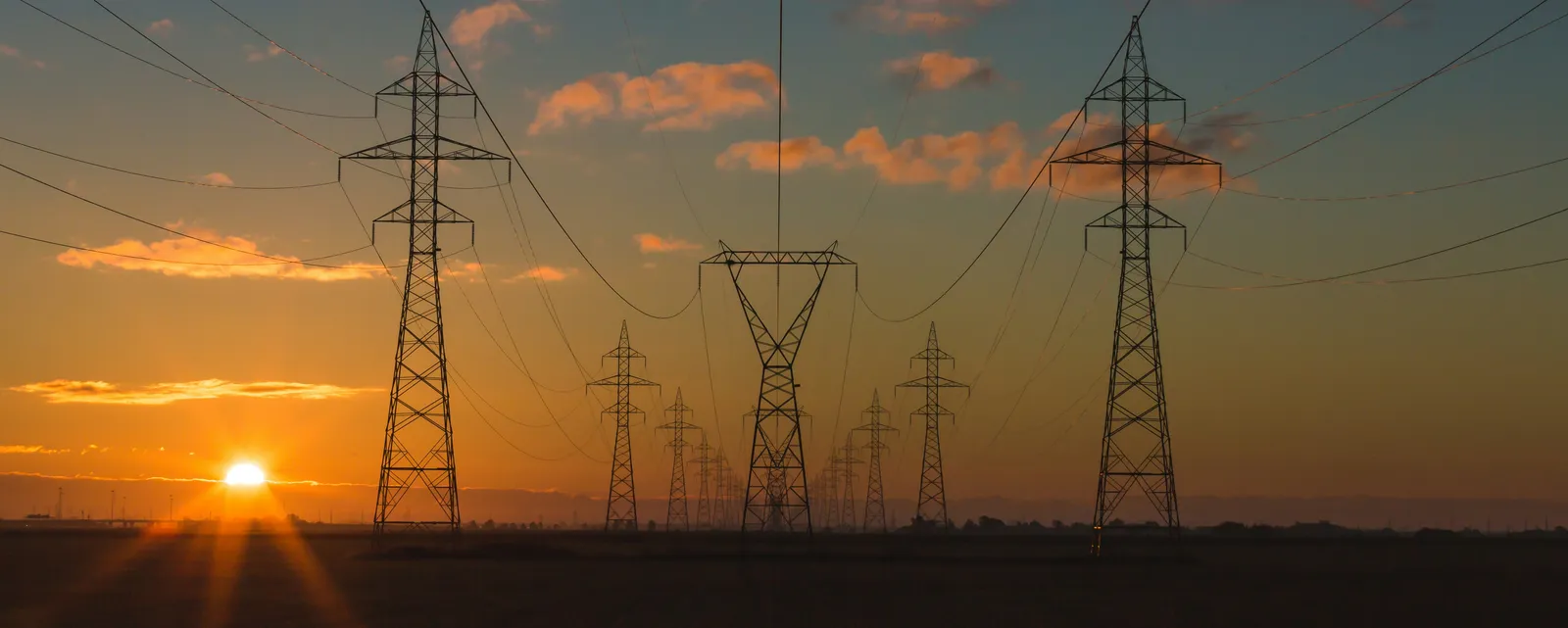
13.1 Technologies
13- OPGW
- Optical fibre cables
- Underground fibre networks
- ADSS cables
- Power Line Carrier Communication
- Microwave
- MPLS networks
- SDH and utility systems
- Ethernet-based communication
- Cellular
- Private wireless
- Satellite
- Radio
13.2 Equipment
13- Optical fibre distribution frames
- Optical line terminals
- Multiplexers
- Routers
- Switches
- Media converters
- Teleprotection equipment
- Communication gateways
- RTUs
- Network management systems
- GPS time synchronisation
- Precision Time Protocol systems
- Communication servers
13.3 Applications
11- Distance protection teleprotection
- Differential protection communication
- SCADA communication
- Remote monitoring
- Substation automation
- Meter data communication
- Voice communication
- Video surveillance
- Remote maintenance
- Grid operation coordination
- Emergency communication
13.4Power sector cybersecurity
- Network segmentation
- Secure remote access
- Firewalls
- Intrusion detection
- Security monitoring
- Identity and access management
- Endpoint protection
- Backup and recovery
- Security audits
- Incident response
- Vulnerability assessment
- OT security management
Safety, availability and controlled access come first
Section 14
Grid stability, power quality and reliability
High renewable penetration, power-electronic loads, long lines and changing demand make power quality and stability central to grid design.
Problem, cause and remedy
| Problem | Typical cause | Typical remedy |
|---|---|---|
| Harmonic distortion | VFDs, rectifiers, arc furnaces, inverters | Passive / active filters, detuned banks |
| Low power factor | Induction motors, lightly loaded transformers | APFC panels, capacitor banks, STATCOM |
| Voltage sag / swell | Faults, large motor starts, switching | DVR, UPS, STATCOM, network strengthening |
| Flicker | Arc furnaces, welders, fluctuating loads | SVC / STATCOM, stronger supply point |
| Overvoltage on light load | Long EHV lines charging the network | Shunt reactors, SVC |
14.1 Power quality parameters
13- Voltage regulation
- Voltage fluctuations
- Voltage unbalance
- Frequency variation
- Harmonic distortion
- Interharmonics
- Flicker
- Power factor
- Transient overvoltage
- Voltage sag
- Voltage swell
- Neutral current
- Electrical noise
14.2 Power quality equipment
12- Active harmonic filters
- Passive harmonic filters
- Detuned capacitor banks
- APFC panels
- SVC
- STATCOM
- Dynamic Voltage Restorer
- UPS
- Voltage regulators
- Automatic voltage control
- Power conditioners
- Synchronous condensers
14.3 Reliability and resilience
14- N-1 contingency planning
- Network redundancy
- Bus sectionalising
- Transformer redundancy
- Alternate transmission paths
- Emergency restoration
- Black start capability
- Grid restoration planning
- Fault isolation
- Load shedding
- Under-frequency load shedding
- System protection schemes
- Disaster resilience
- Spare equipment management
Section 15
Grid energy storage and renewable integration
Storage supports renewable integration, peak management, frequency response, voltage support, resilience and balancing.
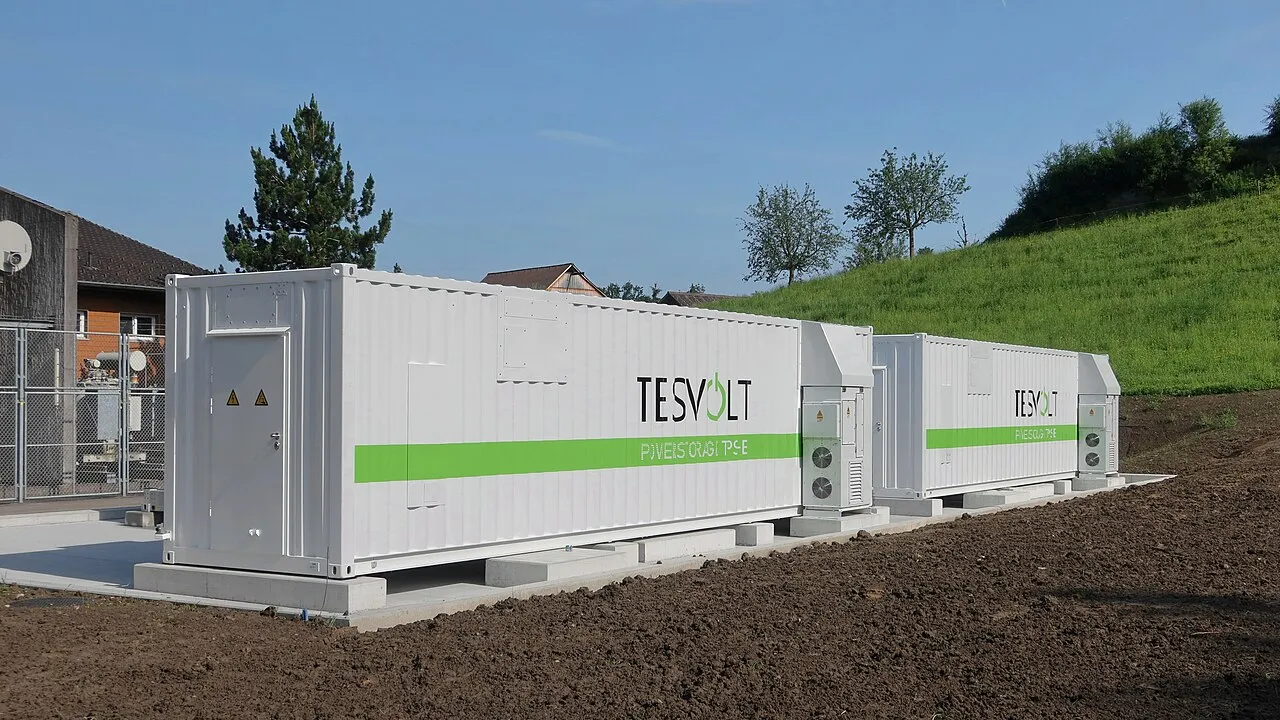
15.1 Battery energy storage systems
- Lithium-ion
- LFP
- NMC
- Sodium-ion
- Flow batteries
- Other emerging chemistries
Main infrastructure
- Battery racks
- Battery containers
- Battery Management System
- Power Conversion System
- Energy Management System
- Transformers
- MV switchgear
- HVAC
- Fire detection and suppression
- Thermal management
- Protection and control
- Grid interconnection
15.2 Other grid storage technologies
8- Pumped storage hydropower
- Compressed air
- Flywheel
- Thermal
- Hydrogen
- Gravity
- Flow batteries
- Other long-duration technologies
15.3 Grid services from storage
12- Frequency regulation
- Fast frequency response
- Peak shaving
- Load shifting
- Renewable smoothing
- Ramp-rate control
- Voltage support
- Reactive power support
- Black start support
- Backup power
- Congestion management
- Energy arbitrage, where markets permit
15.4 Renewable grid integration
13- Solar evacuation
- Wind evacuation
- Hybrid evacuation
- BESS integration
- Pumped storage integration
- Renewable forecasting
- Grid-forming inverters
- Grid-following inverters
- Active power control
- Reactive power control
- Fault ride-through
- Power quality compliance
- Curtailment management
Section 16
Industrial, captive and data centre power infrastructure
From the utility interconnection point to the plant's internal distribution — for facilities where an interruption stops production or service.
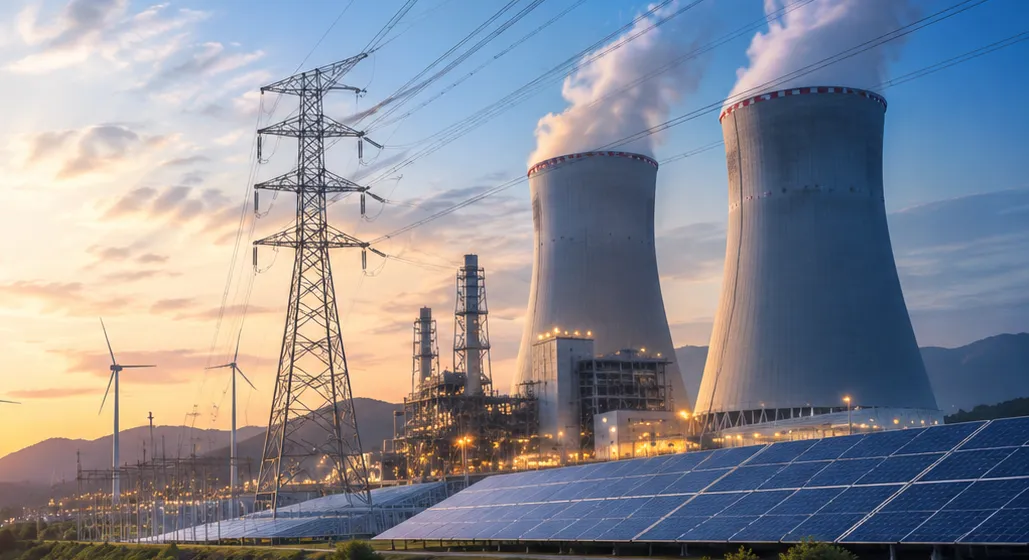
16.1Industrial substations
- 220 kV
- 132 kV
- 110 kV
- 66 kV
- 33 kV
- 22 kV
- 11 kV
- Indoor GIS
- Outdoor AIS
- Compact
16.2 Industrial electrical distribution
15- Main receiving substations
- Main distribution boards
- HT switchgear
- LT switchgear
- Motor control centres
- Bus ducts
- Cable trays
- Power cables
- Distribution transformers
- Capacitor banks
- Harmonic filters
- Emergency power
- UPS systems
- Diesel generator systems
- Power monitoring
16.3 Specialised industrial infrastructure
12- Arc furnace power systems
- Rolling mill electrical systems
- Cement plant electrical systems
- Mining electrical systems
- Refinery electrical systems
- Chemical plant electrical systems
- Data centre electrical infrastructure
- Railway traction substations
- Metro traction substations
- Port electrical infrastructure
- Airport electrical infrastructure
- Water treatment and pumping stations
18Data centres and digital infrastructure
Even short interruptions affect computing, telecom, cloud and digital services.
18.1 Data centre power infrastructure
16- Utility grid connection
- Multiple independent feeds
- EHV / HV receiving substations
- Transformer systems
- MV switchgear
- LV switchgear
- UPS systems
- Battery energy storage
- Backup generators
- Busway systems
- Power distribution units
- Static transfer switches
- Automatic transfer switches
- Power monitoring
- Protection and coordination
- Energy management
18.2 Data centre microgrids
10- Solar integration
- Wind integration
- Battery storage
- Fuel cells
- Backup generators
- Microgrid controller
- Redundant grid connections
- Critical load management
- Power quality management
- Energy optimisation
Section 17
Railway, metro, port and airport infrastructure
Specialised networks with their own supply, protection and safety rules.
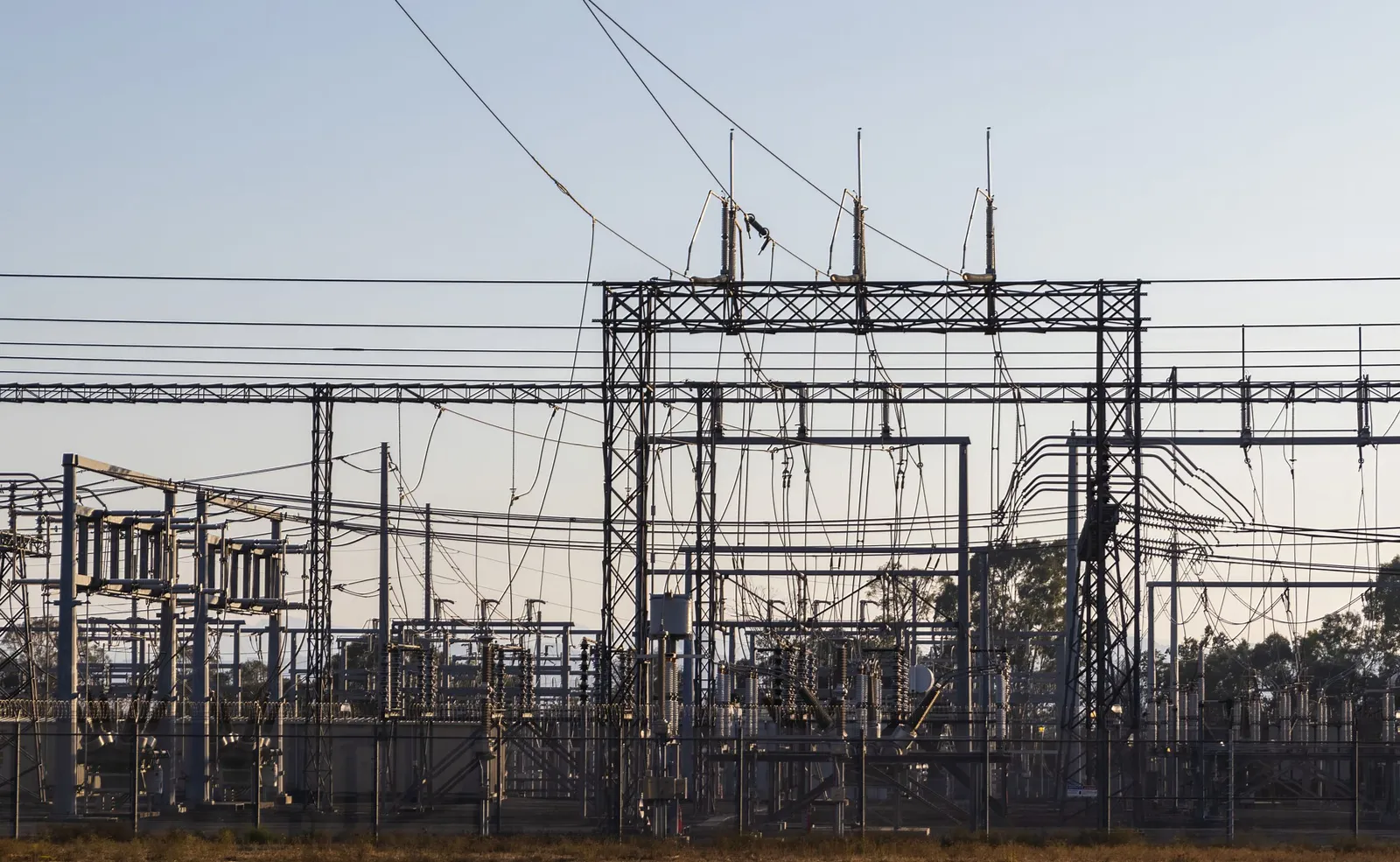
17.1Railway electrification
12- Traction substations
- Switching posts
- Sectioning posts
- Sub-sectioning posts
- Traction transformers
- Traction switchgear
- OHE power supply
- SCADA
- Protection and control
- Return current systems
- Earthing and bonding
- Traction power monitoring
17.2Metro rail
10- Traction power substations
- Auxiliary substations
- Receiving substations
- DC traction systems
- AC traction systems
- Rectifier transformers
- DC switchgear
- Regenerative braking energy
- Depot power systems
- Station distribution
17.3Port and marine
10- Port substations
- Shore-to-ship power
- Crane power distribution
- Container terminal electrification
- Harbour networks
- Marine charging
- Port microgrids
- Renewable port infrastructure
- Battery storage
- Hydrogen integration
17.4Airport
8- Receiving substations
- Runway lighting power
- Terminal distribution
- Ground support equipment charging
- Backup power
- Emergency distribution
- Data and communication
- Airport microgrids
Section 18
Grid equipment and product catalogue
A procurement and supplier network for electrical equipment, grid components and infrastructure materials — ten categories.
19.1Power transformers
12- Generator transformers
- Power transformers
- Auto transformers
- Interconnecting transformers
- Distribution transformers
- Earthing transformers
- Furnace transformers
- Rectifier transformers
- Traction transformers
- Converter transformers
- Instrument transformers
- Special-purpose transformers
19.2Switchgear and switching
14- SF₆ circuit breakers
- Vacuum circuit breakers
- Air circuit breakers
- Gas-insulated switchgear
- MV switchgear
- HV switchgear
- Disconnectors
- Earth switches
- Load break switches
- Ring Main Units
- Reclosers
- Sectionalisers
- Fuses
- Motorised switching
Insulating and interrupting technology must meet the applicable environmental requirements and equipment standards.
19.3Instrument transformers and protection
11- Current transformers
- Voltage transformers
- Capacitive VTs
- Combined instrument transformers
- Optical instrument transformers
- Protection relays
- Metering relays
- Numerical relays
- Protection panels
- Control panels
- Relay test equipment
19.4Busbar and insulation
12- Aluminium busbars
- Copper busbars
- Flexible connectors
- Bus ducts
- Bus supports
- Post insulators
- Disc insulators
- Long-rod insulators
- Composite insulators
- Bushings
- Cable terminations
- Insulation monitoring
19.5Transmission line materials
14- Towers and tower members
- Bolts and nuts
- Conductors
- Earth wires
- OPGW
- Insulators
- Hardware fittings
- Clamps
- Spacers
- Dampers
- Foundations
- Earthing materials
- Aviation markers
- Line accessories
19.6Underground cable materials
13- HT cables
- EHV cables
- XLPE cables
- MV cables
- LT cables
- Cable joints
- Terminations
- Link boxes
- Cable glands
- Cable trays
- Cable ducts
- Cable protection
- Cable test equipment
19.7Reactive power and stability
10- Shunt reactors
- Series reactors
- Capacitor banks
- Series capacitors
- SVC
- STATCOM
- Synchronous condensers
- Harmonic filters
- PF correction panels
- Voltage regulators
19.8Protection, automation and communication
13- Numerical relays
- RTUs
- SCADA systems
- Substation Automation Systems
- PLC systems
- DCS systems
- Communication gateways
- OPGW equipment
- Fibre optic cables
- Teleprotection
- Network switches
- Cybersecurity equipment
- GPS / time sync
19.9Civil and mechanical
12- Structural steel
- Cement and concrete
- Reinforcement steel
- Foundation materials
- Cable trench materials
- Fire protection
- Oil containment
- Drainage
- Earthing electrodes
- Fencing and gates
- Equipment support structures
- Cable trays and supports
19.10Microgrid and distributed energy
14- Solar PV modules
- Solar inverters
- Wind turbines
- Battery systems
- Battery inverters
- Bidirectional converters
- Energy management systems
- Microgrid controllers
- Diesel and gas generators
- Fuel cells
- Smart meters
- Energy monitoring
- Distribution transformers
- Protection equipment
BARREL engineering principle
Long-lead items — EHV transformers, reactors, GIS and HVDC converters — are ordered from the critical path, type-tested designs are preferred, and every unit is inspected at the factory before dispatch.
Section 19
Testing, inspection and commissioning
Testing proves the infrastructure is installed correctly and performs to the approved design, the standards and the contract.
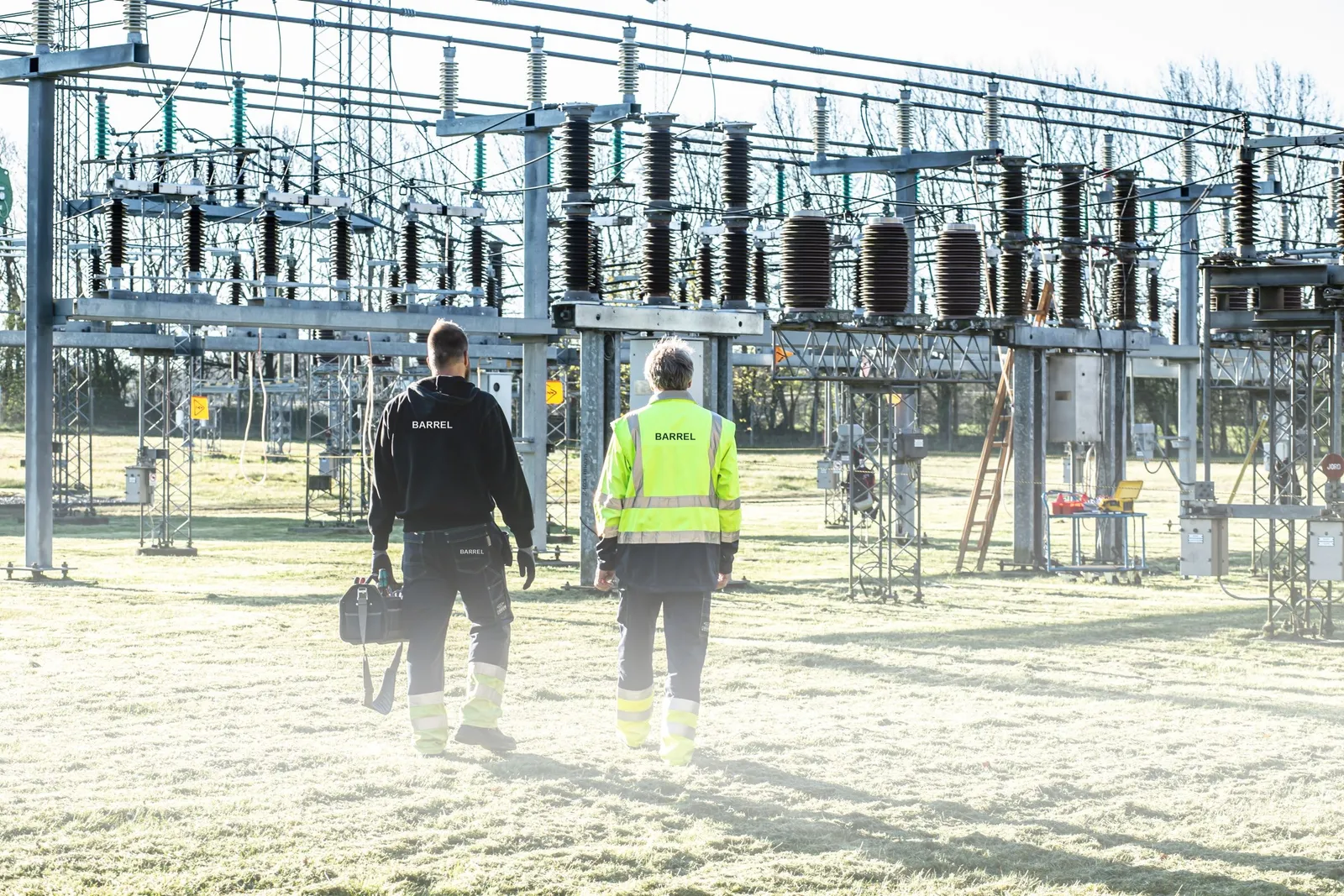
Where each test happens
- 1Type test (factory, once per design)
- 2Routine test (every unit, factory)
- 3FAT and inspection
- 4Site pre-commissioning
- 5Commissioning and energisation
- 6Trial operation
- 7Periodic O&M tests
20.1Transformer testing
14- Insulation resistance
- Winding resistance
- Turns ratio
- Vector group
- Magnetic balance
- Capacitance and tan delta
- Short-circuit impedance
- SFRA
- Oil BDV
- Dissolved Gas Analysis
- Bushing tests
- Protection testing
- Temperature indicators
- Functional tests
20.2Circuit breaker testing
10- Contact resistance
- Insulation resistance
- Timing
- Travel measurement
- Opening and closing
- Trip and close coils
- Gas monitoring, where applicable
- Mechanism inspection
- Interlocks
- Functional operation
20.3Transmission line testing
11- Conductor inspection
- Tower inspection
- Tower earthing resistance
- Insulator inspection
- Hardware inspection
- Sag and tension
- OPGW testing
- Fibre attenuation
- Continuity
- Line clearance
- Protection and teleprotection
20.4Substation testing
15- CT testing
- PT / CVT testing
- Relay testing
- Primary injection
- Secondary injection
- Breaker testing
- Busbar protection
- Transformer protection
- Earthing system
- Interlocking
- AC / DC systems
- Battery capacity
- SCADA point-to-point
- Communication
- End-to-end protection
20.5Microgrid testing
14- Grid synchronisation
- Islanding detection
- Transition to island
- Resynchronisation
- Black start
- Load shedding
- Battery control
- Generator dispatch
- Frequency control
- Voltage control
- Power quality
- Controller performance
- Emergency operation
- Protection coordination
20.6Inspection and maintenance
16- Preventive
- Predictive
- Condition-based
- Thermography
- Partial discharge
- Transformer oil analysis
- SFRA
- Breaker maintenance
- Relay testing
- Cable testing
- Tower inspection
- Drone inspection
- OPGW inspection
- Earthing inspection
- Safety audit
- Asset health assessment
Energisation is earned, not declared
Section 20
Engineering studies, project development and EPC
One coordinated delivery ecosystem — project owners, utilities, developers, engineers, manufacturers, contractors, investors and specialists.

21.1Electrical system studies
- Load flow
- Short-circuit
- Transient stability
- Voltage stability
- Small-signal stability
- Electromagnetic transients
- Harmonic analysis
- Insulation coordination
- Switching surge
- Lightning surge
- Protection coordination
- Arc flash
- Earthing
- Power quality
- Reactive power
- Contingency analysis
- N-1 reliability
- Grid impact assessment
- Renewable grid integration
Transmission line screening estimator
Change any value; presets fill typical conductor data. The first preset reproduces the worked example below.
Indicative line screening
- Resistive losses at this transfer
- 29.7 MW
- 2.97 % of the power sent · ≈ 112 GWh a year
- Current per circuit
- 760 A
- SIL per circuit
- 500 MW
- St Clair loadability
- 781 MW
- 1.56 × SIL at 250 km
- Thermal limit per circuit
- 1,145 MW
- Planning limit per circuit · utilisation
- 781 MW · 64 %
- governed by St Clair (voltage / stability); all circuits ≈ 1,563 MW
I = P ÷ (√3 V pf); loss = 3 I² R L; SIL = V² ÷ Zc; St Clair curve for loadability; LLF = 0.3 LF + 0.7 LF². A screening estimate for comparing options — not a load-flow, stability or design study.
Worked example — 400 kV double circuit, twin ACSR Moose, 250 km, 1,000 MW
Current per circuit
I = 500 MW ÷ (√3 × 400 kV × 0.95) ≈ 760 A
Losses, both circuits
2 × 3 × 760² × 0.0343 Ω/km × 250 km ≈ 29.7 MW
Surge impedance loading
SIL = 400² ÷ 320 Ω = 500 MW per circuit
St Clair loadability at 250 km
≈ 1.56 × 500 ≈ 781 MW per circuit
≈ 2.97 %
Resistive losses at 1,000 MW
≈ 1,563 MW
Planning limit, both circuits
≈ 64 %
Utilisation
≈ 112 GWh
Losses a year at 60 % load factor
22.1Project development services
- Project identification
- Preliminary assessment
- Grid connectivity feasibility
- Power evacuation assessment
- Load flow and system studies
- Land identification
- Route alignment studies
- Right-of-way assessment
- Site survey and investigation
- Preliminary engineering
- Technical feasibility report
- Detailed Project Report
- Cost estimation
- Financing assessment
- Statutory and regulatory coordination
- Tender documentation
- Implementation planning
22.2Engineering services
EElectrical engineering
12- Single-line diagrams
- Substation layouts
- Switchyard layouts
- Equipment specifications
- Transformer specifications
- Busbar engineering
- Cable sizing
- Protection coordination
- Earthing design
- Lighting design
- Auxiliary power design
- System studies
TTransmission engineering
10- Route alignment
- Tower spotting
- Tower design
- Foundation design
- Conductor selection
- Sag and tension
- Insulation coordination
- OPGW design
- Crossing design
- Line profile and survey
CCivil and structural
11- Site development
- Soil investigation
- Substation foundations
- Transformer foundations
- Tower foundations
- Control room buildings
- Cable trenches
- Drainage
- Roads
- Structural steel
- Equipment supports
MMechanical
9- Transformer installation
- Busbar supports
- Equipment handling
- Oil handling
- Fire protection
- HVAC
- Cooling systems
- Cable supports
- Mechanical auxiliaries
AAutomation and communication
9- Protection architecture
- SCADA architecture
- SAS design
- PLC and RTU engineering
- Communication systems
- Teleprotection
- Network design
- Cybersecurity
- Remote monitoring
22.3Complete EPC project execution — 23 steps
Coordinated as EPC or EPCM with qualified and authorised engineering and execution partners.
Develop
- 1Project identification
- 2Feasibility study
- 3Site and route assessment
- 4Grid connectivity planning
- 5Approvals and statutory coordination
Engineer
- 6Basic engineering
- 7FEED
- 8Detailed engineering
Procure & build
- 9Procurement and vendor finalisation
- 10Civil construction
- 11Structural construction
- 12Manufacturing and supply
- 13Mechanical installation
- 14Electrical installation
- 15Instrumentation and automation
- 16Communication and cybersecurity
Test & energise
- 17Testing and inspection
- 18Pre-commissioning
- 19Commissioning
- 20Grid synchronisation and energisation
- 21Performance verification
Operate
- 22Project handover
- 23O&M and lifecycle support
22.4Project delivery models
- 01
EPC
Engineering, Procurement and Construction — single-point delivery of the agreed scope.
- 02
EPCM
Engineering, Procurement and Construction Management for the owner.
- 03
Turnkey
Complete facility handed over ready to operate.
- 04
Design and Build
One party designs and constructs.
- 05
BOO / BOOT
Build, Own, Operate (and Transfer) under a long-term arrangement.
- 06
PPP
Public-Private Partnership.
- 07
TBCB
Tariff-Based Competitive Bidding for transmission projects.
- 08
JV / Consortium
Joint venture or consortium with qualified partners.
- 09
PMC
Project Management Consultancy.
- 10
Owner's / Independent Engineer
Design review, supervision and lender's assurance.
- 11
Asset management
Long-term asset management contracts.
- 12
O&M contracts
Operation and maintenance of lines, substations and microgrids.
What BARREL commits to is defined per project
See also BARREL's nine-thread project lifecycle used across all power projects.
Section 21
Business opportunities, finance and international markets
Grid infrastructure creates business across asset development, construction, equipment, maintenance, operations, financing and technology — in India and abroad.
23.1Transmission business
12- Project development
- Line construction
- Transmission EPC
- Tower manufacturing
- Conductor supply
- OPGW supply and installation
- Underground cable projects
- Submarine cable projects
- HVDC projects
- Asset acquisition
- Network modernisation
- Transmission O&M
23.2Substation business
13- Greenfield substations
- Brownfield expansion
- AIS EPC
- GIS EPC
- Hybrid substations
- Transformer supply
- Switchgear supply
- Protection and control
- Substation automation
- Refurbishment
- Bay extensions
- Mobile substations
- Substation O&M
23.3Renewable grid infrastructure
11- Solar evacuation
- Wind evacuation
- Hybrid pooling substations
- Renewable energy parks
- Dedicated lines
- Grid connectivity
- Renewable forecasting
- Grid integration
- BESS grid connection
- Pumped storage connection
- Curtailment management
23.4Distribution business
10- Distribution substations
- Line construction
- Underground cabling
- Feeder segregation
- Transformer installation
- Smart meters
- Distribution automation
- Network rehabilitation
- Loss reduction
- Utility modernisation
23.5Microgrid business
11- Industrial
- Commercial
- Community
- Rural electrification
- Remote-area
- Renewable
- Battery-integrated
- Hydrogen-based
- Data centre
- Energy-as-a-Service
- Microgrid O&M
23.6Investment and finance
13- Transmission investment
- Substation assets
- Distribution infrastructure
- Renewable evacuation
- Microgrid projects
- Infrastructure SPVs
- Project finance
- Equipment financing
- Leasing
- Infrastructure funds
- Asset monetisation
- Joint ventures
- Concessions
25International grid infrastructure market
Electrification, renewables, data centres, e-mobility and storage are driving new transmission and distribution worldwide.
25.1 Opportunities
14- National transmission networks
- Regional interconnections
- Cross-border transmission
- Renewable evacuation
- Offshore wind grid connections
- HVDC
- Grid-scale storage
- Smart grid modernisation
- Digital substations
- Distribution rehabilitation
- Industrial power
- Remote-community microgrids
- Resilient power systems
- Automation and cybersecurity
25.2 Markets
10- India
- Middle East
- Africa
- Southeast Asia
- Europe
- United Kingdom
- United States
- Australia
- Latin America
- Central Asia
25.3 Business models
12- International EPC
- Equipment export
- OEM representation
- Technology licensing
- Joint ventures
- Local manufacturing partnerships
- Engineering consultancy
- Infrastructure investment
- Transmission concessions
- Project development
- Cross-border equipment trading
- Long-term O&M
Section 22
Indian regulatory framework and international standards
Grid infrastructure in India is governed by electricity law, technical standards, connectivity requirements, planning criteria, safety regulations and grid codes — central and state.

24.1Key Indian institutions
| Institution | Relevant role |
|---|---|
| Ministry of Power | Electricity policy and sector administration |
| Central Electricity Authority (CEA) | Technical standards, planning and advisory functions |
| Central Electricity Regulatory Commission (CERC) | Regulation of inter-state electricity and transmission |
| State Electricity Regulatory Commissions (SERCs) | State-level electricity regulation |
| Central Transmission Utility of India Ltd (CTUIL) | Inter-state transmission planning and connectivity |
| Power Grid Corporation of India Ltd | Major transmission developer and operator |
| Grid Controller of India — NLDC | National grid operation |
| Regional Load Despatch Centres | Regional grid operation |
| State Load Despatch Centres | State grid operation |
| State Transmission Utilities | State transmission planning and coordination |
| Distribution licensees | Electricity distribution and consumer supply |
24.2Important Indian regulations and technical frameworks
Check the latest amendments, applicable jurisdiction and project requirements before design or execution.
| Regulation / document | Relevance |
|---|---|
| Electricity Act, 2003 | Principal electricity-sector legislation |
| CEA Technical Standards for Construction of Electrical Plants and Electric Lines Regulations, 2022 (as amended) | Technical construction requirements |
| CEA Safety Requirements for Construction, Operation and Maintenance Regulations, 2011 (as amended) | Safety during construction, operation and maintenance |
| CEA Measures relating to Safety and Electric Supply Regulations, 2023 | Electrical safety requirements |
| CEA Manual on Transmission Planning Criteria | Transmission network planning |
| CERC Indian Electricity Grid Code Regulations, 2023 | Grid operation, connectivity and system requirements |
| CERC Connectivity and General Network Access Regulations, 2022 (as amended) | Inter-state transmission connectivity |
| CEA Technical Standards for Connectivity to the Grid | Grid connectivity requirements |
| CEA Technical Standards for Communication System in Power System Operations Regulations, 2020 | Power system communication |
| CEA Metering Regulations (as applicable) | Electricity metering |
| State Grid Codes and Distribution Codes | State-level network requirements |
CEA publishes the Transmission Planning Criteria manual and construction standards with amendments on cea.nic.in; the Grid Code 2023 and GNA regulations are on cercind.gov.in.
24.3International technical standards
- IEC 60076EquipmentPower transformers
- IEC 62271 seriesEquipmentHigh-voltage switchgear and controlgear
- IEC 61850AutomationSubstation automation and communication
- IEC 60255ProtectionMeasuring relays and protection equipment
- IEC 60071DesignInsulation coordination
- IEC 61936-1DesignPower installations exceeding 1 kV AC
- IEC 60502CablesPower cables
- IEC 60840CablesEHV cable systems
- IEC 62067CablesHigher-voltage extruded cable systems
- IEC 60099EquipmentSurge arresters
- IEC 60826LinesOverhead line design criteria
- IEC 61400DesignWind energy systems
- IEC 62443AutomationIndustrial automation cybersecurity
- IEEE 80DesignSubstation grounding
- IEEE 81DesignEarth resistivity and grounding measurements
- IEEE 738LinesCurrent-temperature of bare overhead conductors
- IEEE 519ProtectionHarmonic control in power systems
- IEEE 1547MicrogridInterconnection of distributed energy resources
- IEEE 2030.9MicrogridMicrogrid planning and design
- IEEE 2030.7MicrogridMicrogrid controller functional specification
- NFPA 70SafetyNational Electrical Code, where applicable
- NFPA 70ESafetyElectrical safety in the workplace, where applicable
Standards are not interchangeable — and listing one is not compliance
Section 23
BARREL grid infrastructure divisions and partner network
Twelve specialised divisions cover the complete electrical network and its commercial ecosystem; a partner network brings in qualified suppliers, contractors, service providers and technology companies.

26BARREL grid infrastructure business divisions
- Division 01
BARREL Grid Development
Project identification, feasibility, grid planning, connectivity, land, route alignment and infrastructure development.
- Division 02
BARREL Substation Engineering & EPC
Grid and pooling substations, switchyards, AIS, GIS, hybrid substations, bay extensions and turnkey execution.
- Division 03
BARREL Transmission Infrastructure
Overhead lines, towers, conductors, OPGW, underground and submarine cables and HVDC systems.
- Division 04
BARREL Distribution Infrastructure
Distribution substations, feeders, transformers, underground networks, rural electrification and utility modernisation.
- Division 05
BARREL Microgrid & Distributed Energy
Industrial, commercial, institutional, community, rural, remote-area and renewable microgrids.
- Division 06
BARREL Smart Grid & Automation
SCADA, EMS, DMS, digital substations, protection, communication, cybersecurity and intelligent grid management.
- Division 07
BARREL Grid Stability & Power Quality
FACTS, STATCOM, SVC, reactive compensation, harmonic filters, synchronous condensers and stability solutions.
- Division 08
BARREL Grid Equipment & Manufacturing
Transformers, switchgear, conductors, towers, cables, insulators, protection systems and OEM partnerships.
- Division 09
BARREL Testing, Inspection & O&M
Testing, commissioning, relay and transformer testing, inspection, maintenance, condition monitoring and asset management.
- Division 10
BARREL Grid Finance & Investment
Infrastructure finance, project SPVs, asset investment, transmission projects, leasing, joint ventures and funding.
- Division 11
BARREL Grid Trade & Supply Chain
Equipment procurement, manufacturing partnerships, domestic distribution, international trading, imports and exports.
- Division 12
BARREL Grid Intelligence Centre
Engineering calculators, network studies, BOQ, project costing, digital twins, AI, GIS and asset intelligence.
The grid & electrical infrastructure ecosystem — 12 sub-sectors
- 01
Grid substations
Generation switchyards · Grid substations · AIS · GIS · Hybrid · Switching stations · Bay extensions
- 02
Renewable pooling & evacuation
Solar · Wind · Hybrid pooling · Renewable parks · Grid connectivity
- 03
Transmission infrastructure
Overhead lines · Underground · Submarine · Towers · Conductors · OPGW
- 04
HVDC & advanced transmission
HVDC · Converter stations · FACTS · STATCOM · SVC · Reactive compensation
- 05
Distribution infrastructure
Primary · Secondary · Feeders · Transformers · Underground networks
- 06
Microgrid & distributed energy
Industrial · Commercial · Rural · Community · Remote · Defence · Campus
- 07
Smart grid & digital substations
SCADA · EMS · DMS · SAS · Digital twin · AI · Grid automation
- 08
Grid protection & power quality
Protection relays · Power quality · Harmonics · Earthing · Grid stability
- 09
Grid energy storage & integration
BESS · Pumped storage · Hybrid systems · Grid-forming inverters · EMS
- 10
Grid equipment & manufacturing
Transformers · Switchgear · Cables · Conductors · Towers · Insulators
- 11
Grid testing, inspection & O&M
Testing · Commissioning · Inspection · Maintenance · Asset management
- 12
Grid Intelligence Centre
Calculators · Power system studies · BOQ · Costing · AI · GIS · Digital twin
27Authorised grid infrastructure partner network
27.1Authorised Grid Equipment Supplier Partner
19- Power and auto transformers
- Circuit breakers
- GIS and AIS switchgear
- VCB panels
- Isolators
- CTs and PTs
- Protection relays
- Control panels
- Conductors
- Towers
- Insulators
- OPGW
- Power cables
- Earthing materials
- Capacitor banks
- Reactors
- SCADA equipment
- Battery systems
- Microgrid controllers
27.2Authorised Grid Contractor
12- Substation construction
- Line construction
- Tower erection
- Conductor stringing
- Cable laying
- Cable jointing
- Transformer installation
- Switchyard construction
- Civil and structural works
- Electrical installation
- Protection and control installation
- Testing and commissioning
27.3Authorised Grid Service Provider
15- Transformer testing and repair
- Breaker maintenance
- Relay testing
- Cable testing
- Thermography
- Partial discharge testing
- Earthing testing
- Tower inspection
- Drone surveys
- OPGW testing
- SCADA maintenance
- Substation O&M
- Line O&M
- Microgrid O&M
- Energy audits
27.4Grid Technology Partner
10- Smart grid technology
- Digital substations
- Protection and automation
- Grid software
- Microgrid technology
- Battery storage technology
- Power electronics
- Power quality technology
- Cybersecurity
- Research institutions
27.5Grid Project Partner
10- Project developers
- Landowners
- Infrastructure companies
- Utilities
- Renewable developers
- Industrial consumers
- EPC companies
- Investors
- Financial institutions
- International developers
Registration is not a technical endorsement
Section 24
BARREL Grid Infrastructure Intelligence Centre
A technical and commercial software environment for power-sector professionals — planned as a working platform of six connected systems, not just a page.

Six connected systems
- 01
Grid Engineering Centre
Calculations, system studies, designs and technical specifications.
- 02
Substation & Transmission Project Centre
Project development, BOQ, costing, tenders and EPC management.
- 03
Microgrid Design Centre
Load analysis, generation and battery sizing, islanding and economic optimisation.
- 04
Equipment & Procurement Centre
Catalogues, technical comparison, OEMs, suppliers and purchase enquiries.
- 05
Grid Asset Management Centre
Inspections, testing, maintenance, equipment health and lifecycle management.
- 06
Grid Finance & Investment Centre
Feasibility, CAPEX, OPEX, financing, investment and commercial modelling.
28.1Grid engineering calculator library
Planned calculators. The transmission line estimator on the Engineering & EPC tab is the first public one.
SSSubstation tools
13- Transformer sizing
- Transformer impedance
- Short-circuit calculation
- Circuit breaker rating
- Busbar sizing
- CT / PT selection
- Cable sizing
- Earthing grid
- Battery sizing
- Capacitor bank sizing
- Reactor sizing
- Auxiliary power sizing
- Substation BOQ
TLTransmission tools
11- Line capacity
- Conductor selection
- Voltage drop
- Line losses
- Sag and tension
- Tower loading
- Foundation quantities
- OPGW selection
- Route length
- Corona assessment
- Project cost
DNDistribution tools
8- Feeder load
- DT sizing
- Voltage drop
- Cable sizing
- Network losses
- Network cost
- Load forecasting
- Feeder segregation planning
MGMicrogrid tools
11- Peak demand
- Daily energy
- Solar and wind sizing
- Battery energy and power
- Generator sizing
- Critical load
- Autonomy
- Islanding capability
- Renewable penetration
- Microgrid LCOE
- Payback and IRR
PCProject costing and BOQ
16- Substation CAPEX
- Line cost
- Pooling substation
- Evacuation cost
- Distribution network cost
- Microgrid cost
- Equipment BOQ
- Material quantities
- Civil works
- Foundations
- Cables
- Labour and installation
- Testing and commissioning
- O&M cost
- Contingency
- Lifecycle cost
28.2 Project development software
16- Grid connectivity management
- Transmission route planning
- GIS network mapping
- Substation site assessment
- Land and right-of-way tracking
- Project feasibility
- Technical bid preparation
- Specification generation
- Tender management
- BOQ preparation
- Cost estimation
- Finance modelling
- Schedule management
- Contractor management
- Quality inspection
- Commissioning documentation
28.3 Grid asset intelligence
14- Transformer register
- Substation register
- Line register
- Distribution register
- Lifecycle tracking
- Maintenance schedules
- Inspection records
- Fault history
- Failure analysis
- Condition monitoring
- Predictive maintenance
- Asset health index
- Spare parts
- Replacement planning
28.4 Grid digital twin
12- Digital substation model
- Transmission line model
- Distribution network model
- Transformer health model
- Network topology
- Live equipment status
- Power flow visualisation
- Fault visualisation
- Renewable integration
- Battery monitoring
- Microgrid simulation
- Asset performance analytics
28.5 BARREL grid marketplace connects
13- Project owners
- Utilities
- Renewable developers
- Substation EPC companies
- Transmission contractors
- Equipment manufacturers
- Electrical suppliers
- Testing agencies
- O&M providers
- Microgrid developers
- Investors
- Engineering consultants
- International trading partners
BARREL OS
BARREL OS and BARREL AI bring project records, drawings, procurement, site progress and O&M data for substations, lines and microgrids into one place.
Section 25
Why BARREL, FAQs and references
From generation connectivity to the consumer's network — one connected infrastructure ecosystem.
29Why choose BARREL for grid infrastructure?
- Generation-to-grid connectivity
- Pooling substation development
- Grid substation engineering
- Transmission line infrastructure
- HVDC and advanced transmission
- Distribution infrastructure
- Industrial power systems
- Microgrid development
- Renewable integration
- Battery storage integration
- Smart grid and automation
- Protection and control
- Equipment and OEM partnerships
- Project procurement
- EPC and construction coordination
- Testing and commissioning
- Operation and maintenance
- Infrastructure investment
- Domestic and international trading
- Digital grid intelligence
30Frequently asked questions
Q1What is grid infrastructure?
The electrical networks and equipment that connect generation, transmit electricity, transform voltage, distribute power and supply consumers.
Q2What is a grid substation?
An electrical facility for switching, transforming, protecting, controlling and routing electricity within the power network.
Q3What is a pooling substation?
A substation that collects electricity from several generating units or renewable projects and transfers the combined power to the transmission network.
Q4What is the difference between a grid substation and a pooling substation?
A grid substation mainly transforms, switches and interconnects the network. A pooling substation specifically consolidates power from several generating sources before evacuation. One facility can do both.
Q5What is an AIS substation?
An Air Insulated Substation uses air as the principal insulation between outdoor electrical equipment.
Q6What is a GIS substation?
A Gas Insulated Substation uses compact metal-enclosed switchgear with an insulating gas or alternative insulation medium.
Q7What is a transmission line?
A line that carries bulk electrical power between generating stations, substations and major network points.
Q8What is the difference between transmission and distribution?
Transmission carries bulk electricity over longer distances, usually at higher voltages. Distribution delivers electricity from substations to end consumers.
Q9What is HVDC transmission?
High Voltage Direct Current transmission transfers power using DC. It suits certain long-distance, submarine, underground and asynchronous interconnection applications.
Q10What is a microgrid?
A local electrical network that coordinates generation, storage and loads, and can run connected to the main grid or on its own if designed for islanded operation.
Q11Can a microgrid operate without the main grid?
Yes, if it is designed for it: islanded operation needs suitable local generation and storage and the right control, protection and reserve arrangements.
Q12What is a hybrid microgrid?
A microgrid that combines two or more power sources — often renewables, battery storage and backup generation.
Q13What is a smart grid?
A grid that uses digital communication, automation, sensors and intelligent control to improve how the network is operated.
Q14What is a digital substation?
A substation that uses digital communication, intelligent electronic devices and automated protection and control — typically on IEC 61850.
Q15What is SCADA?
Supervisory Control and Data Acquisition — a system to remotely monitor and control electrical infrastructure and industrial processes.
Q16What is a STATCOM?
A power-electronic device that provides dynamic reactive power and helps control voltage in the network.
Q17What is a pooling station for solar power?
It collects electricity from several solar units or projects through collection feeders and connects the combined output to the transmission network.
Q18What is renewable energy evacuation?
The electrical infrastructure that carries renewable electricity from the generating site to the grid connection point.
Q19What is OPGW?
Optical Ground Wire — the shield wire of a transmission line with optical fibres inside, used for communication and protection signalling.
Q20What is a grid-connected battery storage system?
A battery facility connected to the network to provide services such as energy shifting, frequency response and grid support.
Q21What is a generation switchyard?
The facility that connects a generating station to the transmission network through transformers, busbars, breakers and protection.
Q22What is a bay extension?
Adding a new circuit or equipment connection to an existing substation, subject to design compatibility and system requirements.
Q23What is grid stability?
The ability of a power system to keep or regain acceptable operating conditions after a disturbance.
Q24What is power evacuation infrastructure?
The complete electrical system that transfers electricity from a power plant to its designated grid interconnection point.
Q25Can BARREL support turnkey substation and transmission projects?
BARREL coordinates development, engineering, procurement, construction, testing and commissioning through its own capabilities and qualified partners, within the scope and contract of each project.
Q26Can BARREL support industrial microgrid projects?
Yes — feasibility, load assessment, renewable and storage integration, electrical design, control systems, EPC coordination and O&M.
Q27Does BARREL support transmission line construction?
The transmission offering covers route surveys, tower and foundation engineering, procurement, erection, stringing, OPGW, testing and commissioning.
Q28Can BARREL help with grid connectivity for solar and wind projects?
Yes — evacuation planning, pooling substations, transmission lines, connectivity coordination and the associated electrical infrastructure.
Q29Does BARREL support substation testing and commissioning?
Transformer, breaker, relay, SCADA and protection testing, pre-commissioning and commissioning — through appropriately qualified specialists.
Q30What is the future of grid infrastructure?
Conventional transmission combined with renewables, storage, HVDC, digital substations, smart distribution, microgrids, advanced power electronics and intelligent energy management.
Technical reference library
- CEA (India)Central Electricity Authority — regulations, transmission planning criteria, standards
- CERC (India)Central Electricity Regulatory Commission — Grid Code 2023, GNA regulations
- CTUIL (India)Central Transmission Utility of India — ISTS planning and connectivity
- Grid-IndiaGrid Controller of India — national and regional load despatch
- Ministry of PowerMinistry of Power, Government of India — transmission and distribution policy
- IECInternational Electrotechnical Commission — IEC 61850, 62271, 60076 and more
- IEEE SAIEEE Standards Association — IEEE 80, 1547, 2030.7, 2030.9
- CIGREInternational Council on Large Electric Systems — technical brochures
- IEAInternational Energy Agency — Electricity grids and secure energy transitions
- U.S. DOEOffice of Electricity — microgrids and grid modernisation
Related BARREL pages
Powering the networks that power the world
Connect your power infrastructure opportunities with BARREL.
Developing a transmission project, building a substation, evacuating renewable energy, modernising a distribution network, setting up an industrial microgrid or sourcing electrical equipment — BARREL is building an ecosystem that connects the right technical, commercial and execution capabilities.
Connect with BARREL for
- Grid substations and switchyards
- Pooling substations and evacuation
- Transmission lines and cables
- HVDC and FACTS
- Distribution networks
- Microgrids
- Smart grid, SCADA and protection
- Grid equipment and OEMs
- Testing, commissioning and O&M
- Investment and project finance
BARREL.ENERGY · One World. One Power Network. Rooted in Bharat. Global by Vision.