
- Renewable Sector
- Solar PV · CSP · Solar Thermal
- Engineering & EPC
Solar Power
Harness the Sun. Generate Power. Energise the World.
The complete solar generation, engineering, EPC, manufacturing, supply-chain & power business ecosystem.
BARREL connects the complete solar energy value chain — project development, engineering, manufacturing, procurement, power generation, infrastructure, energy storage and commercialisation. From rooftop installations and industrial captive plants to utility-scale solar parks, floating solar, concentrated solar power and integrated renewable systems.
- Solar EPC solutions
- Find equipment & suppliers
- Become a BARREL solar partner
- Solar power intelligence
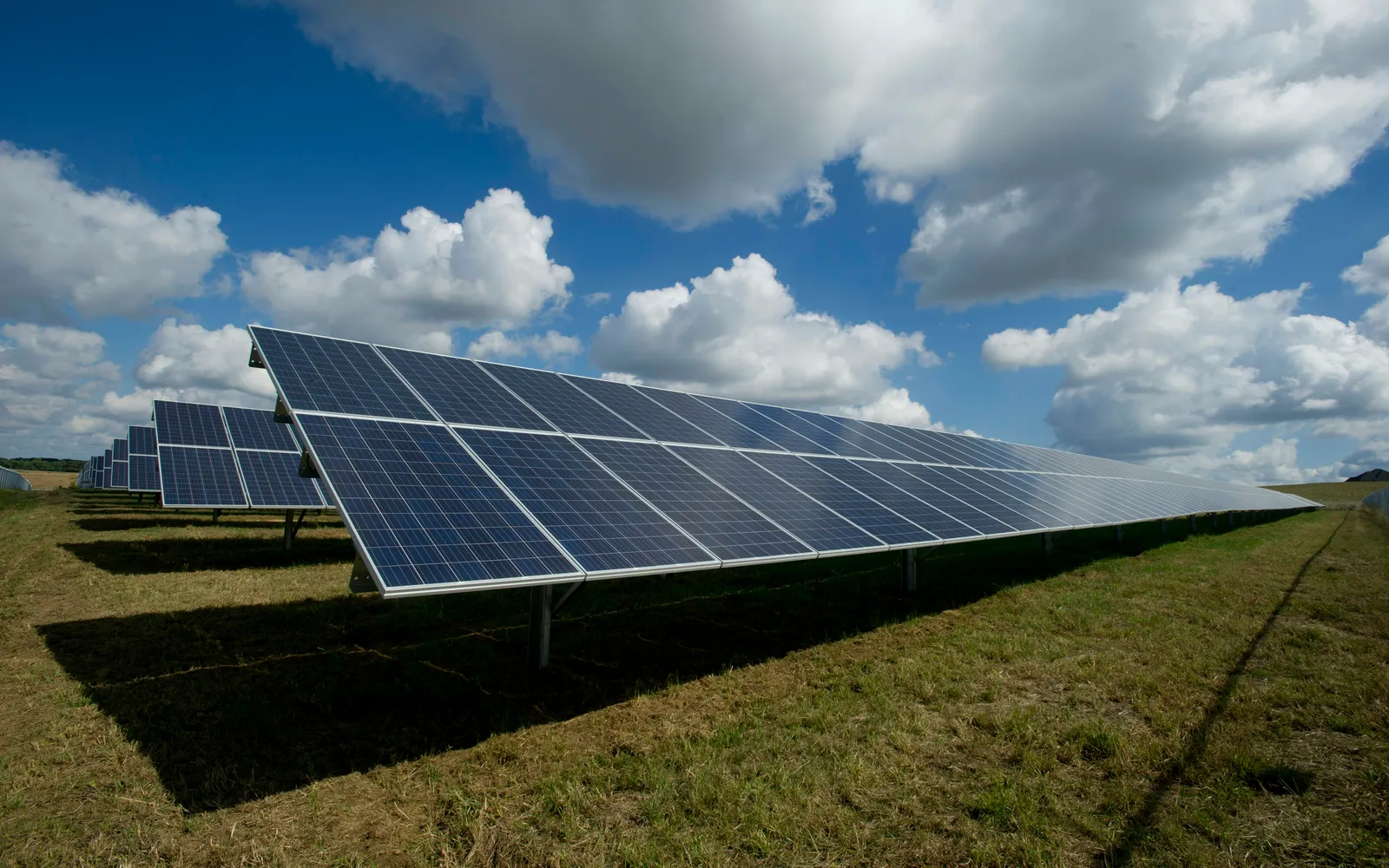
- Technology pathways
- 3
- Grid voltage range
- 11–765 kV
- Business verticals
- 28
- Project packages
- 18
- Engineering calculators
- 100
Section 01
What is Solar Power?
Solar power is energy derived from solar radiation and converted into electrical or thermal energy for residential, commercial, industrial and utility-scale use. It is one of the most important pillars of the global energy transition — from rooftop systems to utility-scale parks, floating solar, agrivoltaics, CSP, hybrid systems and integrated storage.
For BARREL, solar is a complete business sector — not the installation of panels alone. It runs across the whole value chain, from resource assessment and land to manufacturing, EPC, generation, storage, transmission, trading and digital intelligence.
1.0Three technology pathways
Solar Photovoltaic
Semiconductor solar cells convert sunlight directly into DC electricity; inverters convert it to grid-quality AC.
Concentrated Solar Power
Mirrors or lenses concentrate sunlight into high-temperature heat that drives a thermal power cycle — with optional thermal storage.
Solar Thermal
Collectors capture sunlight as useful heat for hot water, industrial process heat, drying, desalination and cooling.
1.1How a solar power plant works
Swipe sideways to see the full diagram.
- 1
Solar radiation
Sunlight, irradiance and the site's solar resource
- 2
Generation technology
PV modules make DC power; CSP mirrors and receivers make heat
- 3
Conversion
Inverters, transformers and protection — or heat transfer, storage and turbine
- 4
Grid & evacuation
Collection system, pooling substation and transmission
- 5
Electricity & useful energy
Grid supply, captive use, storage, power trading, industrial heat
1.2A solar project is a coordinated system
Every bankable solar project combines these elements — weakness in any one of them (land title, grid capacity, offtake) can stall the whole asset.
- 01Solar resource
- 02Land or roof area
- 03Generation technology
- 04Electrical infrastructure
- 05Grid connectivity
- 06Energy management
- 07Financing
- 08Operations
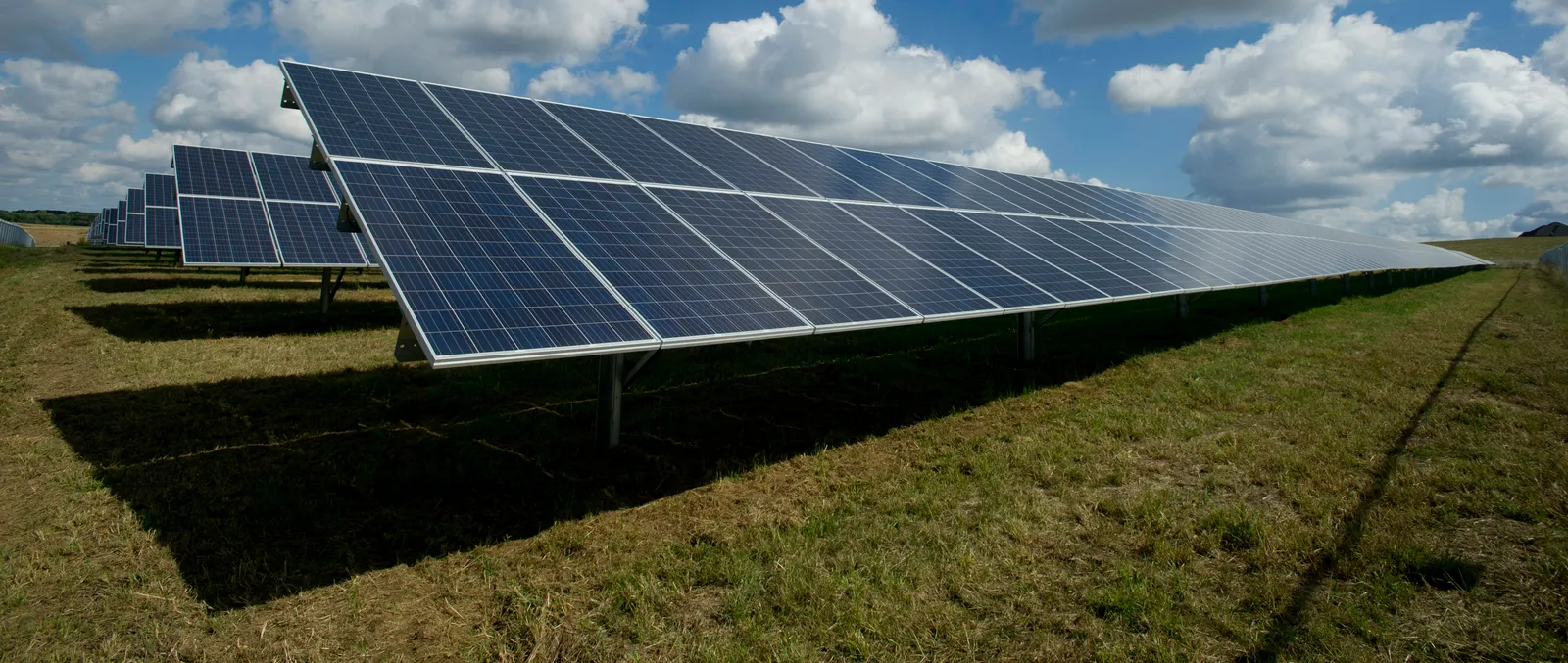
1.3The complete value chain
- 01Solar resource assessment
- 02Land & project development
- 03Manufacturing
- 04Import & export
- 05Equipment supply
- 06Engineering
- 07EPC
- 08Power generation
- 09Storage
- 10Transmission
- 11Distribution
- 12Power trading
- 13O&M
- 14Investment
- 15Digital intelligence
1.4BARREL Solar — six business divisions
01
Solar Development
Land · Projects · Feasibility · Investment
02
Solar Generation
PV · CSP · Rooftop · Utility · Floating
03
Solar Engineering & EPC
Civil · Mechanical · Electrical · Grid
04
Solar Manufacturing & Trade
Cells · Modules · Equipment · Import / Export
05
Solar Storage & Hybrid
BESS · Thermal · Wind · Hydrogen
06
Solar Operations & Intelligence
O&M · Asset management · Digital intelligence
BARREL is not positioned only as a solar EPC contractor. The wider opportunity is connecting project development, power generation, manufacturing, equipment supply, grid infrastructure, storage, electricity trading, investment and digital intelligence.
Section 02
Solar Power Technologies & Classifications
Photovoltaic, concentrated solar power and solar thermal — each with its own conversion principle, equipment base and applications.
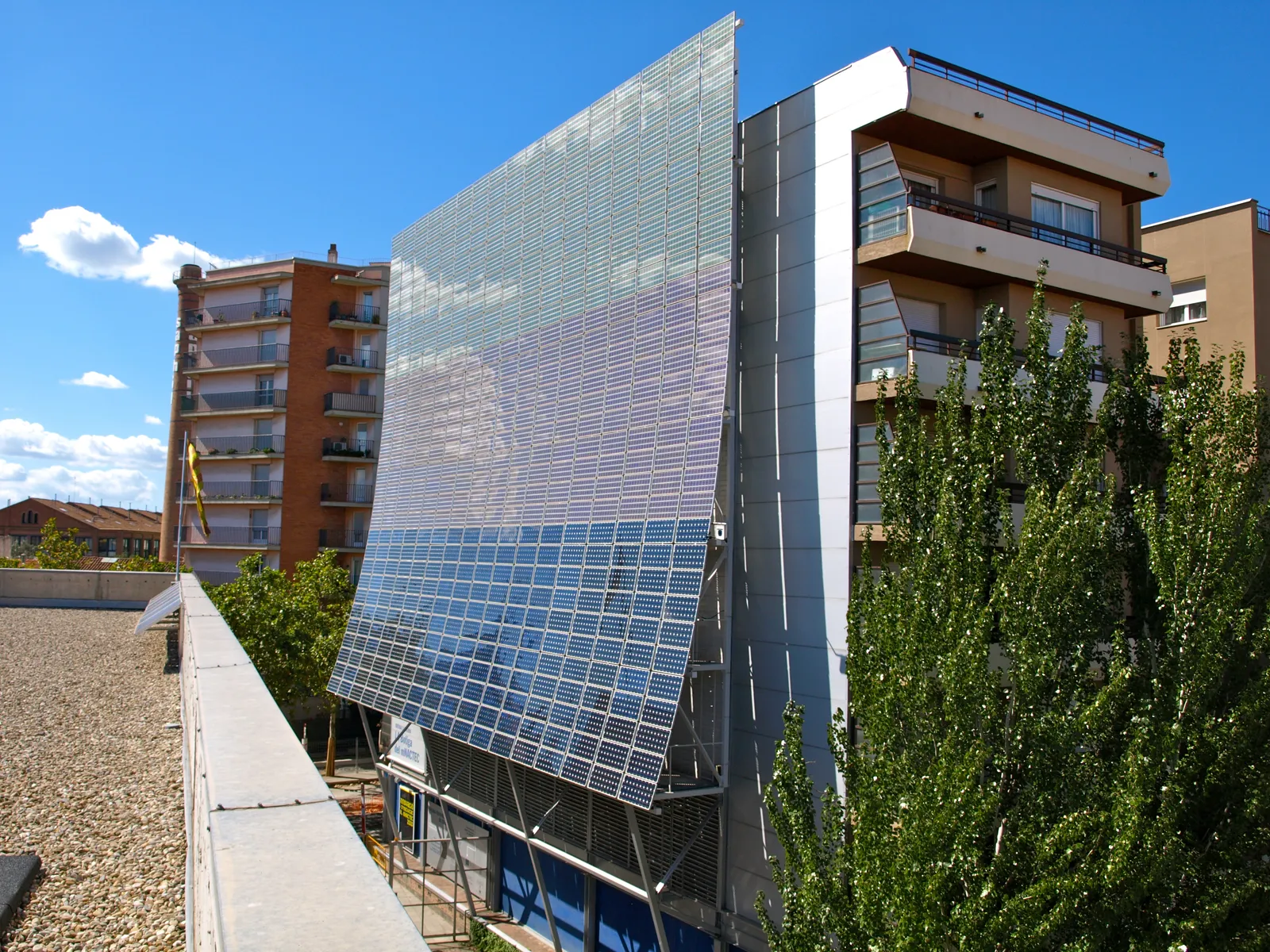
2.1Solar Photovoltaic (PV)
Electricity12- Monocrystalline silicon modules
- Polycrystalline silicon modules
- PERC — Passivated Emitter and Rear Cell
- TOPCon — Tunnel Oxide Passivated Contact
- HJT — Heterojunction Technology
- Back Contact (BC) cells
- Bifacial solar modules
- Thin-film solar modules
- Cadmium Telluride (CdTe)
- Copper Indium Gallium Selenide (CIGS)
- Flexible and lightweight PV
- Building-Integrated Photovoltaics (BIPV)
2.2Concentrated Solar Power (CSP)
Heat → power6- Parabolic trough collectors
- Solar power towers
- Linear Fresnel reflectors
- Dish-Stirling systems
- Hybrid CSP systems
- CSP with thermal energy storage
2.3Solar Thermal Energy
Useful heat8- Domestic solar water heating
- Commercial solar hot-water systems
- Industrial solar process heat
- Solar air heating
- Solar drying
- Solar desalination
- Solar district heating
- Solar cooling and refrigeration
2.4PV cell and module platforms
Indicative commercial maturity, for orientation. Always verify against current datasheets, certification and bankability evidence.
PERC (p-type mono)
MatureLong-running workhorse; being displaced by n-type platforms.
TOPCon (n-type)
MainstreamMass-production n-type platform; good bifaciality.
HJT (n-type)
MainstreamLow temperature coefficient; low-temperature process.
Back contact (IBC / BC)
ScalingNo front-side metal; high efficiency and aesthetics.
CdTe thin film
MainstreamUtility-scale thin film with its own supply chain.
CIGS thin film
NicheFlexible and lightweight applications.
Perovskite–silicon tandem
EmergingPilot lines; long-term reliability still being proven.
2.5Comparative technology overview
| Technology | Energy conversion | Typical application |
|---|---|---|
| Solar PV | Sunlight to electricity | Rooftop, utility-scale |
| Bifacial PV | Sunlight from front and rear | Ground-mounted, reflective surfaces |
| Thin-film PV | Sunlight to electricity | Specialised and lightweight applications |
| BIPV | Solar generation integrated into buildings | Facades, roofs |
| CSP trough | Sunlight to thermal energy | Utility-scale power |
| CSP tower | Concentrated solar heat | Power generation and storage |
| Solar thermal | Sunlight to useful heat | Hot water and industrial heat |
2.6Select technology by
01
Efficiency
02
Cost
03
Temperature requirement
04
Climate
05
Land availability
06
Operating profile
07
Supply chain
08
Project economics
Section 03
Solar Plant Classifications by Capacity & Application
Classified by intended use, connection arrangement and commercial structure — not just installed capacity.
3.1Residential solar
6- Individual home rooftop solar
- Residential society solar
- Apartment common-area solar
- Solar water heating
- Residential solar with battery storage
- Off-grid residential solar
3.2Commercial and industrial solar
8- Commercial rooftop solar
- Industrial rooftop solar
- Factory captive solar
- Warehouse rooftop solar
- Shopping mall solar
- Hospital and institutional solar
- Educational campus solar
- Industrial park solar
3.3Utility-scale solar
6- Ground-mounted solar power plants
- Large solar parks
- Ultra-mega solar projects
- Grid-connected solar generation
- Merchant solar power plants
- Solar projects with dedicated transmission infrastructure
3.4Specialised solar installations
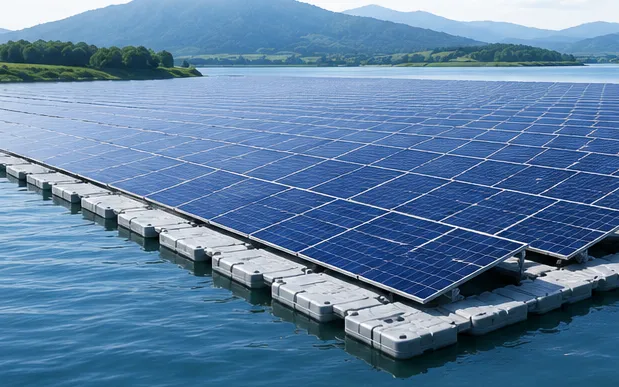
10- Floating solar
- Canal-top solar
- Canal-bank solar
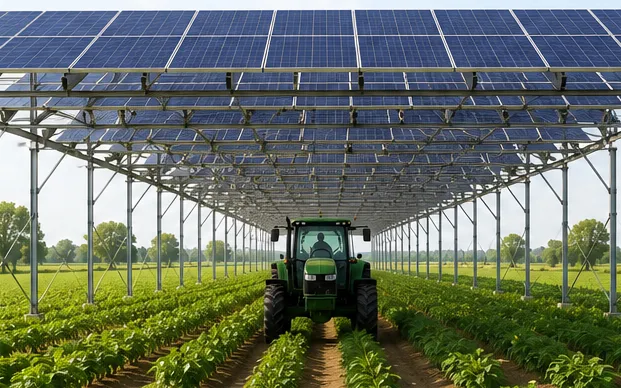
- Agrivoltaics
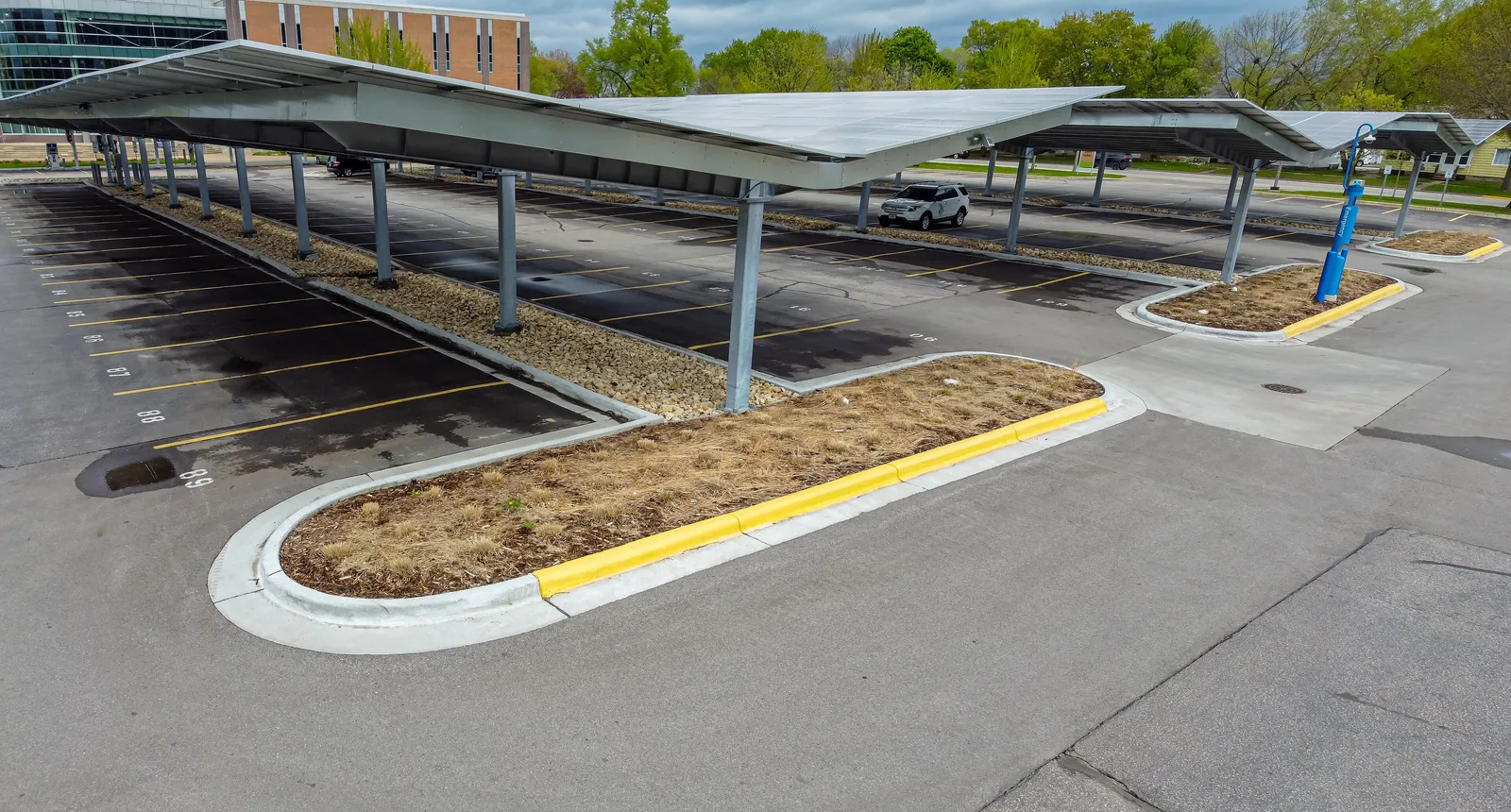
- Solar carports
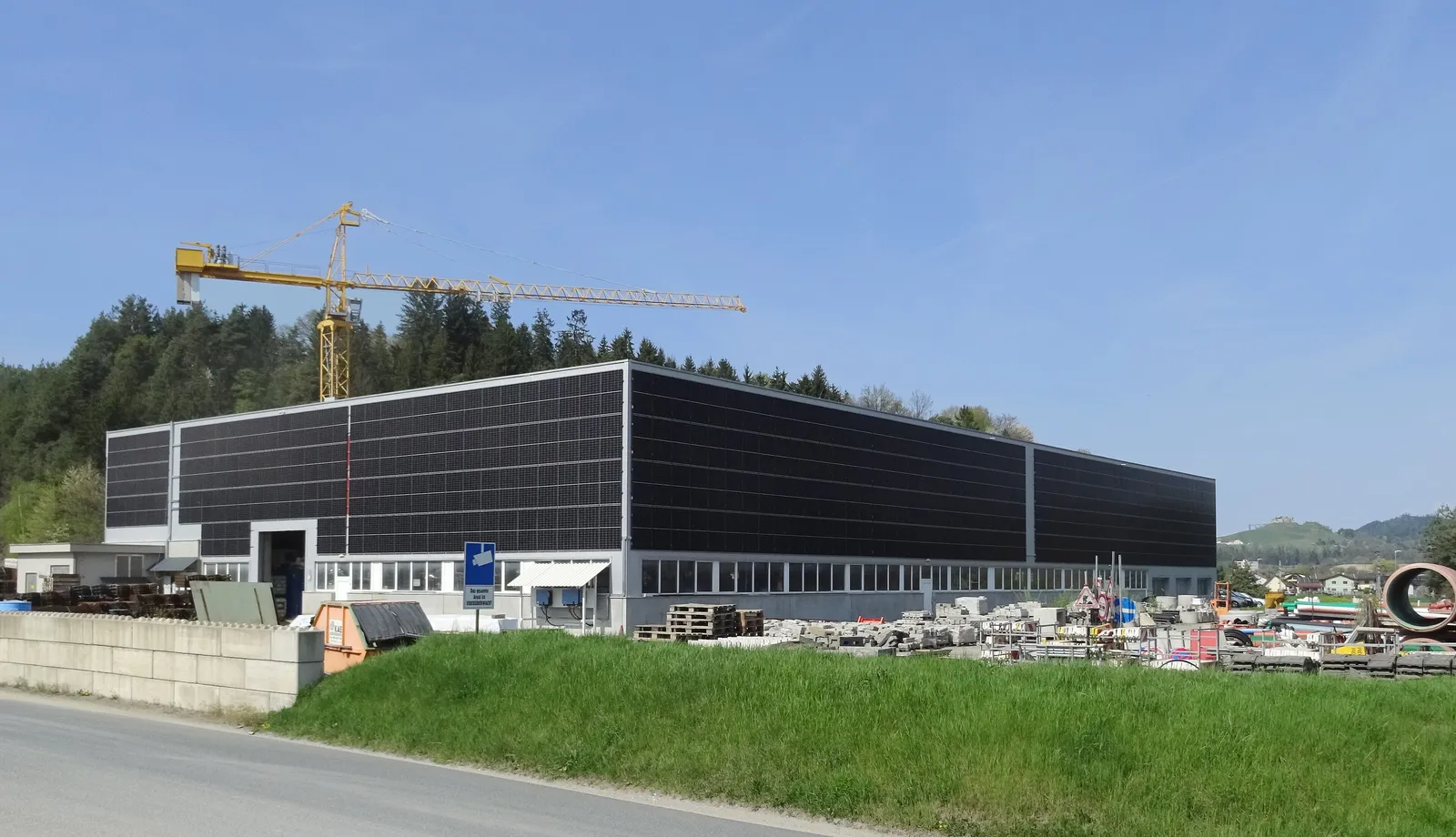
- Building-integrated solar
- Railway and transport infrastructure solar
- Solar-powered water pumping
- Solar-powered desalination
- Remote and island solar systems
3.5BARREL capacity catalogue bands
- Small residentialUp to 10 kW
- Residential / small commercial10–100 kW
- Commercial rooftop100 kW–1 MW
- Industrial rooftop / captive1–10 MW
- Distributed ground-mounted1–50 MW
- Utility-scale50–500 MW
- Large solar park500 MW and above
Catalogue bands, not regulatory definitions
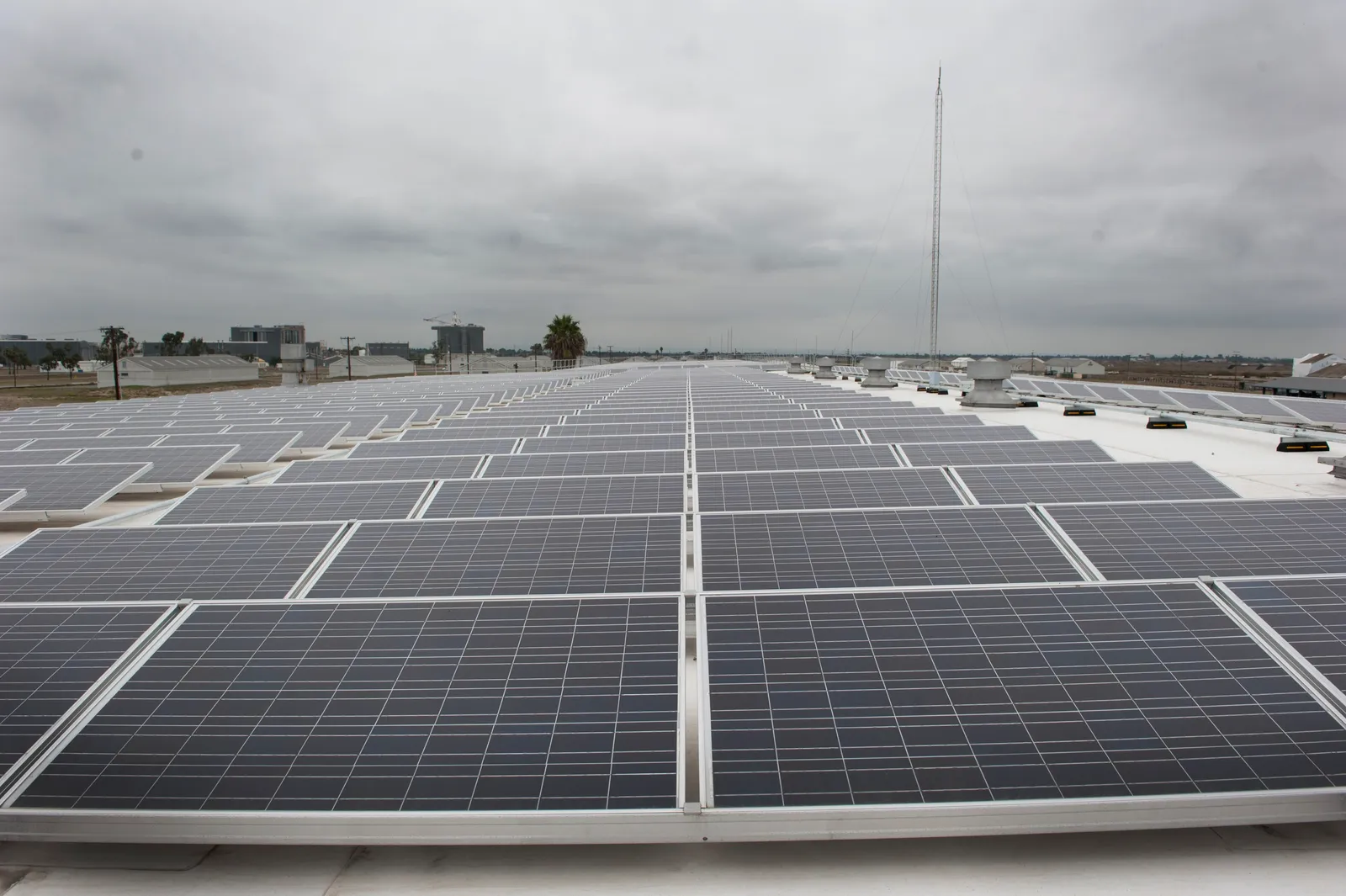
Applications on the ground
Section 04
Solar PV System Architecture
A PV power plant is a set of interconnected electrical, mechanical, structural, monitoring and grid-integration systems.
Utility-scale PV plant — simplified single-line diagram
Swipe sideways to see the full diagram.
- 4.1Solar PV generation system
- 4.2Power conversion system
- 4.3AC electrical infrastructure
- 4.4Grid evacuation infrastructure
- 4.5Monitoring and control infrastructure
4.1Solar PV generation system
11- Solar photovoltaic modules
- PV cells and module strings
- Module mounting structures
- Fixed-tilt structures
- Single-axis trackers
- Dual-axis trackers
- DC combiner boxes
- String monitoring systems
- DC cabling and connectors
- DC isolators
- String and central inverter systems
4.2Power conversion system
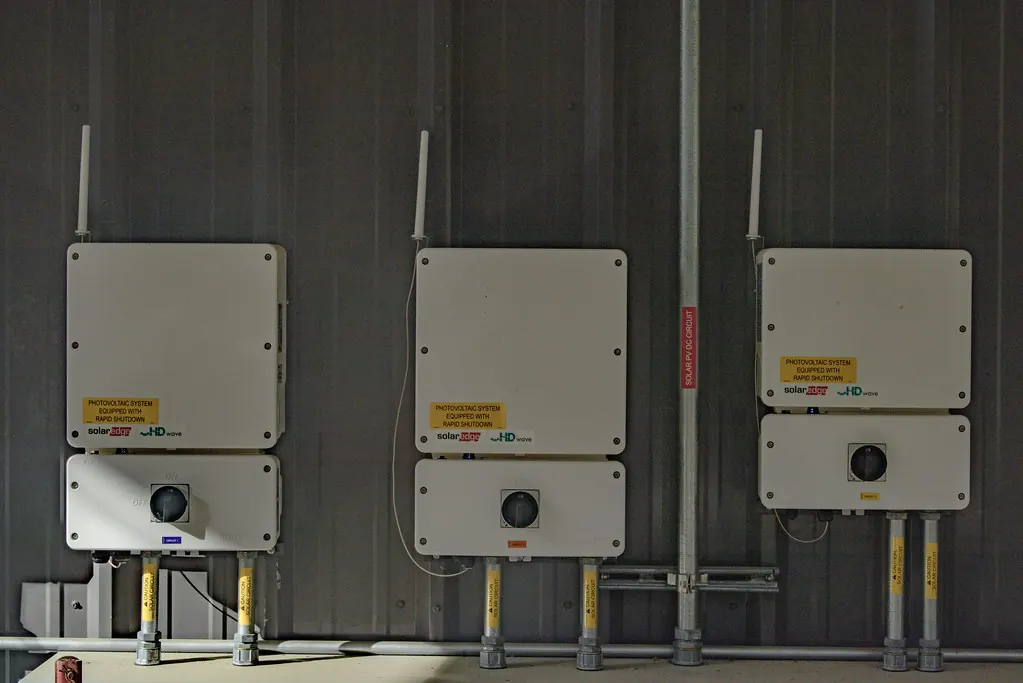
10- String inverters
- Central inverters
- Hybrid inverters
- Grid-forming and grid-following inverters
- Power conversion systems
- DC-to-AC conversion
- Reactive power management
- Voltage and frequency control
- Power factor control
- Harmonic filtering
4.3AC electrical infrastructure
11- AC combiner panels
- LT panels
- HT switchgear
- Distribution transformers
- Power transformers
- Auxiliary transformers
- Protection relays
- Metering systems
- AC cables
- Earthing and lightning protection
- Plant-level electrical distribution
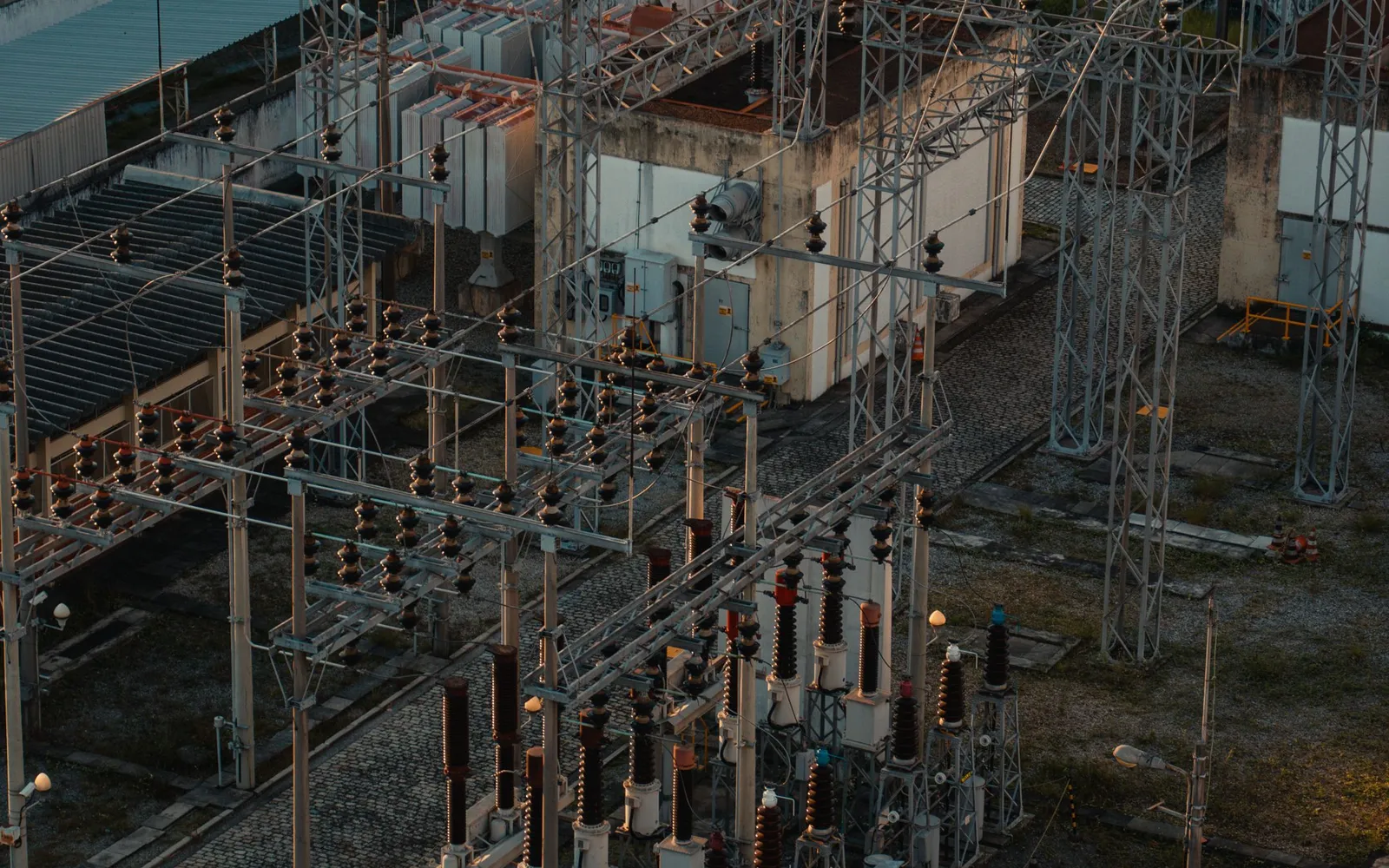
4.4Grid evacuation infrastructure
12- Pooling substations
- Main power transformers
- HV switchyards
- Circuit breakers
- Isolators
- Current transformers
- Potential transformers
- Lightning arresters
- Busbars
- Protection and control panels
- Transmission lines
- Grid interconnection facilities
4.5Monitoring and control infrastructure
12- Plant SCADA
- Data acquisition systems
- Weather monitoring stations
- Solar irradiance sensors
- Module temperature sensors
- Ambient temperature sensors
- Wind speed and direction sensors
- String-level monitoring
- Inverter monitoring
- Energy meters
- Remote monitoring
- Performance analytics
Section 05
Solar Power Plant Design & Engineering
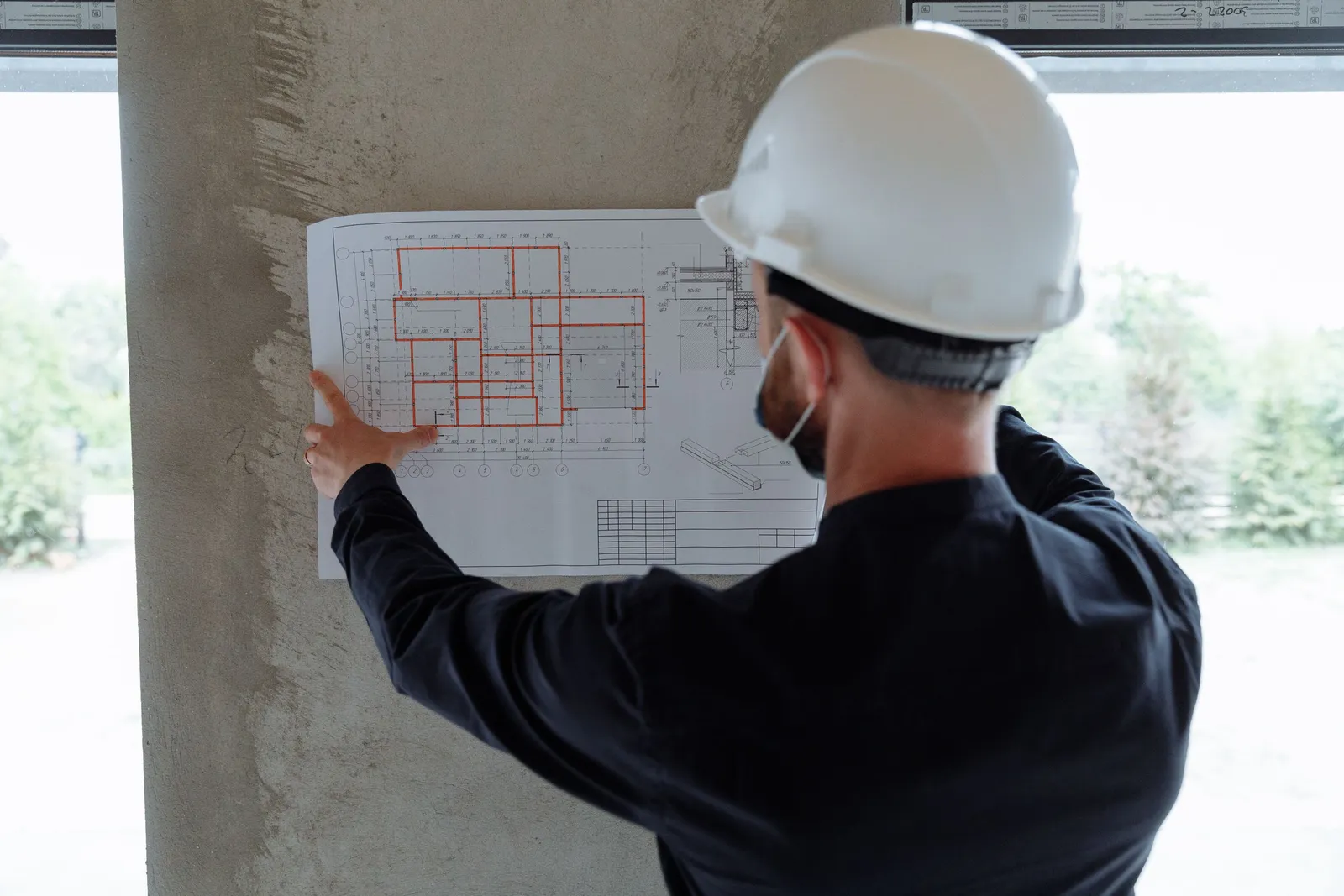
Plant engineering weighs the solar resource, land, electrical design, module characteristics, grid requirements, environment, layout and project economics together.
5.1Solar resource assessment
Amount, quality, variability and distribution of solar radiation at the proposed site — the input that most affects sizing, expected generation and bankability.
- GHI
- Global Horizontal Irradiance — total sunlight on a flat surface
- DNI
- Direct Normal Irradiance — the beam CSP and trackers rely on
- DHI
- Diffuse Horizontal Irradiance — scattered sky light
- POA / GTI
- Plane-of-Array / Global Tilted Irradiance on the module plane
- Irradiation
- Energy per area over time (kWh/m² per day or year)
- PSH
- Peak Sun Hours — daily irradiation ÷ 1 kW/m²
- Zenith / azimuth
- Sun position angles through the day and year
- Seasonality
- Monthly variation, monsoon and cloud cover
- Temperature
- Ambient and module temperature — drives thermal losses
- Wind
- Speed and direction — cooling, structural and stow design
- Rain & humidity
- Natural cleaning, corrosion and PID risk
- Soiling & dust
- Loss rate and cleaning frequency
Resource assessment services
- Satellite-based solar data analysis
- Ground-based solar measurement
- Historical weather data analysis
- Solar monitoring station installation
- Solar radiation data validation
- Long-term resource assessment
- Solar forecasting
- Resource uncertainty analysis
- Energy yield assessment
5.2Site feasibility and land assessment
14- Site identification
- Land ownership verification
- Land title due diligence
- Land acquisition and leasing
- Land-use and zoning assessment
- Topographical survey
- Geotechnical investigation
- Soil resistivity testing
- Flood and drainage assessment
- Water availability
- Road and logistics access
- Grid connectivity assessment
- Environmental and social screening
- Site constraints and shading assessment
5.3Solar plant layout engineering
13- Module orientation
- Tilt angle optimisation
- Row spacing
- Inter-row shading assessment
- Ground Coverage Ratio (GCR)
- Tracker configuration
- Inverter location
- DC and AC cable routing
- Equipment access roads
- Drainage layout
- Fire access
- Maintenance access
- Land utilisation optimisation
5.4PV system sizing
13- DC capacity sizing
- AC capacity sizing
- DC/AC ratio
- Module quantity calculation
- String configuration
- Inverter capacity selection
- Transformer sizing
- Cable sizing
- Voltage-drop calculation
- Short-circuit assessment
- Electrical loss assessment
- Generation simulation
- Grid export limitation assessment
5.5Energy yield assessment
- 1Solar resource assessment
- 2Module and inverter technology selection
- 3Plant layout and shading analysis
- 4DC and AC loss modelling
- 5Temperature and soiling loss assessment
- 6Electrical and transformer loss assessment
- 7Availability and degradation assumptions
- 8Annual energy yield estimation
- 9P50, P75 and P90 energy estimates
- 10Uncertainty and sensitivity assessment
- Irradiance on module plane (POA)100 %
- Near shading & IAM-3 %
- Soiling-2 %
- Temperature-7 %
- Module quality, LID & mismatch-2.5 %
- DC wiring-1.2 %
- Inverter efficiency & clipping-2 %
- AC wiring & transformers-1.5 %
- Availability & auxiliaries-1 %
- Energy to grid ≈ performance ratio79.8 %
Illustrative loss cascade for a fixed-tilt utility plant in a hot climate; every site and design differs.
P50 and P90 are probabilities, not guarantees
5.6Solar PV yield estimator
Year-1 generation, specific yield, CUF, lifetime energy, modules, land, CO₂ and revenue. Pick a project type to load typical values.
Indicative result
- Year-1 generation
- 163.52 GWh
- AC capacity
- 74.07 MWac
- Specific yield
- 1,635 kWh/kWp
- CUF (AC / DC)
- 25.2 / 18.7 %
- Lifetime energy
- 3,851.87 GWh
- Modules
- 1,72,414
- Land
- 420 ac · 170 ha
- CO₂ avoided, year 1
- 1,16,099 t
- Revenue / savings, year 1
- ₹ 42.52 crore
E = Pdc · HPOA · 365 · PR. CUF = E ÷ (capacity × 8,760 h). Presets are indicative. This is a screening estimate — not a bankable energy-yield assessment: no hourly simulation, clipping, curtailment, availability or P50 / P90 uncertainty. Engineering design and bankable yield studies are done by qualified engineers on measured site data.
Section 06
Solar Module & Cell Manufacturing Ecosystem
The entire manufacturing value chain, from raw materials to finished modules, balance-of-system equipment and recycling.
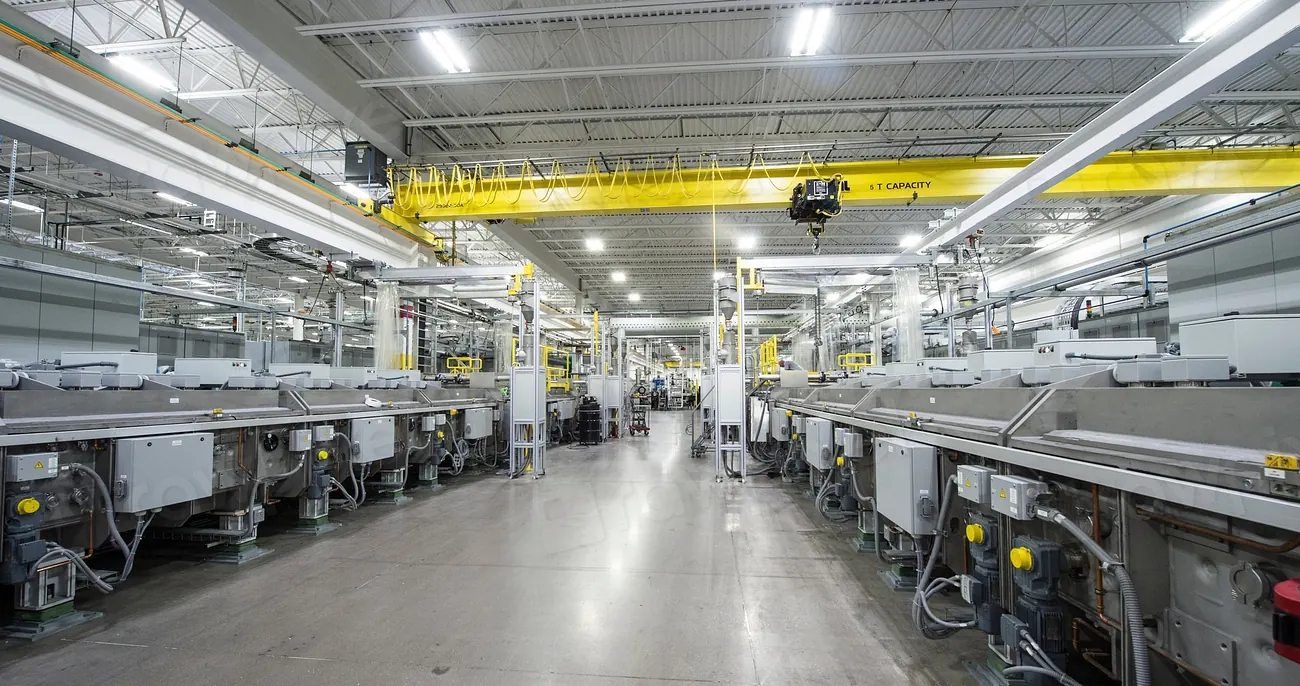
From silicon to system
- 1Polysilicon
- 2Ingot
- 3Wafer
- 4Cell
- 5Module
- 6BoS & systems
- 7Testing & certification
- 8Recycling
6.1Upstream manufacturing
7- Polysilicon manufacturing
- Monocrystalline silicon ingots
- Multicrystalline silicon ingots
- Silicon wafer manufacturing
- Diamond wire sawing
- Wafer processing
- Semiconductor material processing
6.2Solar cell manufacturing
9- Wafer texturing
- Diffusion processes
- Passivation
- Anti-reflective coating
- Metallisation
- Cell firing
- Cell testing
- Cell sorting
- Electrical characterisation
6.3Advanced solar cell technologies
9- PERC
- TOPCon
- HJT
- Back-contact cells
- N-type silicon
- Tandem solar cells
- Perovskite-based technologies
- Perovskite-silicon tandem technologies
- Thin-film technologies
Emerging technologies are classified by commercial maturity, reliability evidence and manufacturing scale.
6.4Solar module manufacturing
13- Glass production and processing
- EVA and POE encapsulants
- Backsheets
- Bifacial glass-glass modules
- Aluminium frames
- Junction boxes
- Solar ribbons
- Busbars
- Interconnection systems
- Lamination
- Module framing
- Junction box assembly
- Module testing and certification
6.5Solar manufacturing machinery
12- Ingot casting and pulling equipment
- Wafer slicing machines
- Cell production lines
- Laser processing equipment
- Printing and metallisation machines
- Stringers
- Layup machines
- Laminators
- Framing equipment
- Flash testers
- Electroluminescence testers
- Automated inspection systems
6.6Balance of System manufacturing
12- Inverters
- Transformers
- Mounting structures
- Trackers
- Cables and connectors
- Combiner boxes
- Switchgear
- Protection panels
- Monitoring equipment
- Energy meters
- Battery systems
- Power conversion systems
6.7Module quality and reliability
13- Electroluminescence testing
- Flash testing
- IV curve measurement
- Insulation testing
- Wet leakage testing
- Thermal cycling
- Damp heat testing
- Mechanical load testing
- Potential-induced degradation assessment
- UV exposure testing
- Hail impact testing
- Visual inspection
- Traceability and serialisation
Manufacturing partners
Cells, modules, BoS and machinery
List your production, products and capacity on the BARREL supplier network — and see the manufacturing hub.
Section 07
Solar Mounting Structures & Tracker Systems
Structures carry the modules for 25+ years through wind, seismic, corrosion and thermal cycles — and trackers add energy by following the sun.
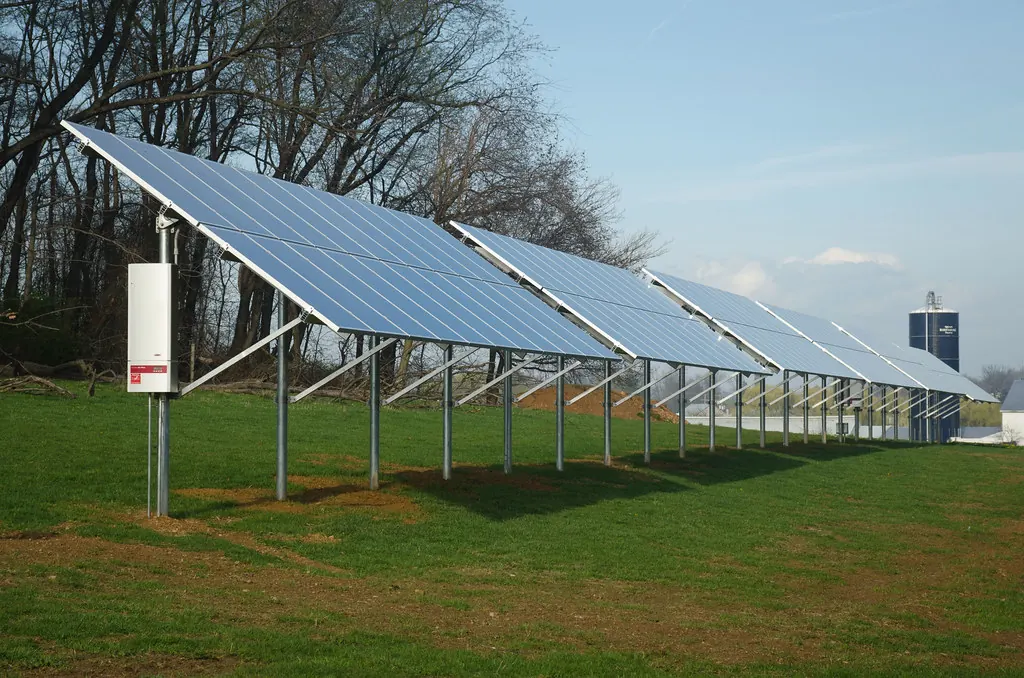
7.1Ground-mounted structures
7- Fixed-tilt structures
- South-facing structures
- East-west structures
- Landscape module mounting
- Portrait module mounting
- Elevated structures
- Terrain-adaptive structures
7.2Solar tracking systems
8- Single-axis horizontal trackers
- Single-axis tilted trackers
- Vertical-axis trackers
- Dual-axis trackers
- Backtracking systems
- Tracker controllers
- Drive motors and gearboxes
- Weather protection and stow controls
7.3Rooftop mounting systems
8- Rail-based mounting
- Rail-less mounting
- Ballasted mounting
- Mechanically anchored mounting
- Metal roof mounting
- Industrial shed mounting
- RCC roof mounting
- Waterproofing-compatible mounting
7.4Special mounting systems
8- Floating solar structures
- Canal-top structures
- Canal-bank structures
- Carport structures
- Agrivoltaic structures
- BIPV facades
- Elevated solar structures
- Solar parking infrastructure
7.5Structural engineering
10- Wind-load calculations
- Seismic-load considerations
- Dead-load calculations
- Structural stability
- Foundation design
- Pile design
- Corrosion protection
- Galvanisation
- Material selection
- Fatigue and durability assessment
7.6Mounting options compared
Qualitative and site-dependent — tracker gain depends on latitude, the direct/diffuse split and the tariff profile.
| Mounting option | Energy vs fixed tilt | Land use | O&M effort | Typical fit |
|---|---|---|---|---|
| Fixed tilt (south-facing) | Baseline | Moderate | Low | Most ground-mounted plants, rooftops |
| East-west fixed | Lower per kWp, flatter profile | Dense | Low | Rooftops, land-constrained sites |
| Single-axis tracker | Higher, site-dependent | Wider rows | Medium | Utility-scale on good DNI share |
| Dual-axis tracker | Highest per kWp | Widest spacing | High | Special sites, CPV, research |
| Elevated / agrivoltaic | Similar to fixed or tracker | Shared with crops | Medium | Farmland, canal-tops, carports |
Section 08
Solar Project Development & Land Infrastructure
Solar park development needs landowners, developers, investors, engineering organisations, utilities, transmission authorities and government agencies to work as one.
Development journey
- STAGE 1
Originate
Resource, land and grid screening; capacity concept
- STAGE 2
Secure
Land rights, connectivity application, early approvals
- STAGE 3
Structure
Offtake strategy, PPA, financing and partners
- STAGE 4
Ready-to-build
Bankable yield, permits, EPC contract, financial close
8.1Project development services
14- Project identification
- Solar potential assessment
- Project capacity planning
- Land identification
- Land acquisition
- Land leasing
- Land aggregation
- Land title due diligence
- Grid connectivity assessment
- Project feasibility
- Project structuring
- Investor identification
- Power offtake strategy
- Power purchase agreement support
8.2Land development
13- Land survey
- Boundary demarcation
- Site clearing
- Grading and levelling
- Earthwork
- Soil improvement
- Road development
- Drainage systems
- Culverts
- Boundary fencing
- Security infrastructure
- Water infrastructure
- Internal electrical corridors
8.3Solar park infrastructure
10- Common land infrastructure
- Internal road network
- Water supply
- Drainage
- Communication network
- Pooling substations
- Internal transmission system
- External grid connectivity
- Centralised control facilities
- Common maintenance facilities
Who has to agree
- Landowners
- Developers
- Investors
- Engineering firms
- Utilities
- Transmission authorities
- Government agencies
India's MNRE solar park programme shows the value of shared infrastructure — developed land, roads, water, drainage and transmission. Scheme eligibility, timelines and conditions must be checked against the latest government notifications.
Section 09
Solar EPC — Complete Turnkey Project Execution
Solar EPC delivered through defined engineering and execution packages, from planning to final acceptance.
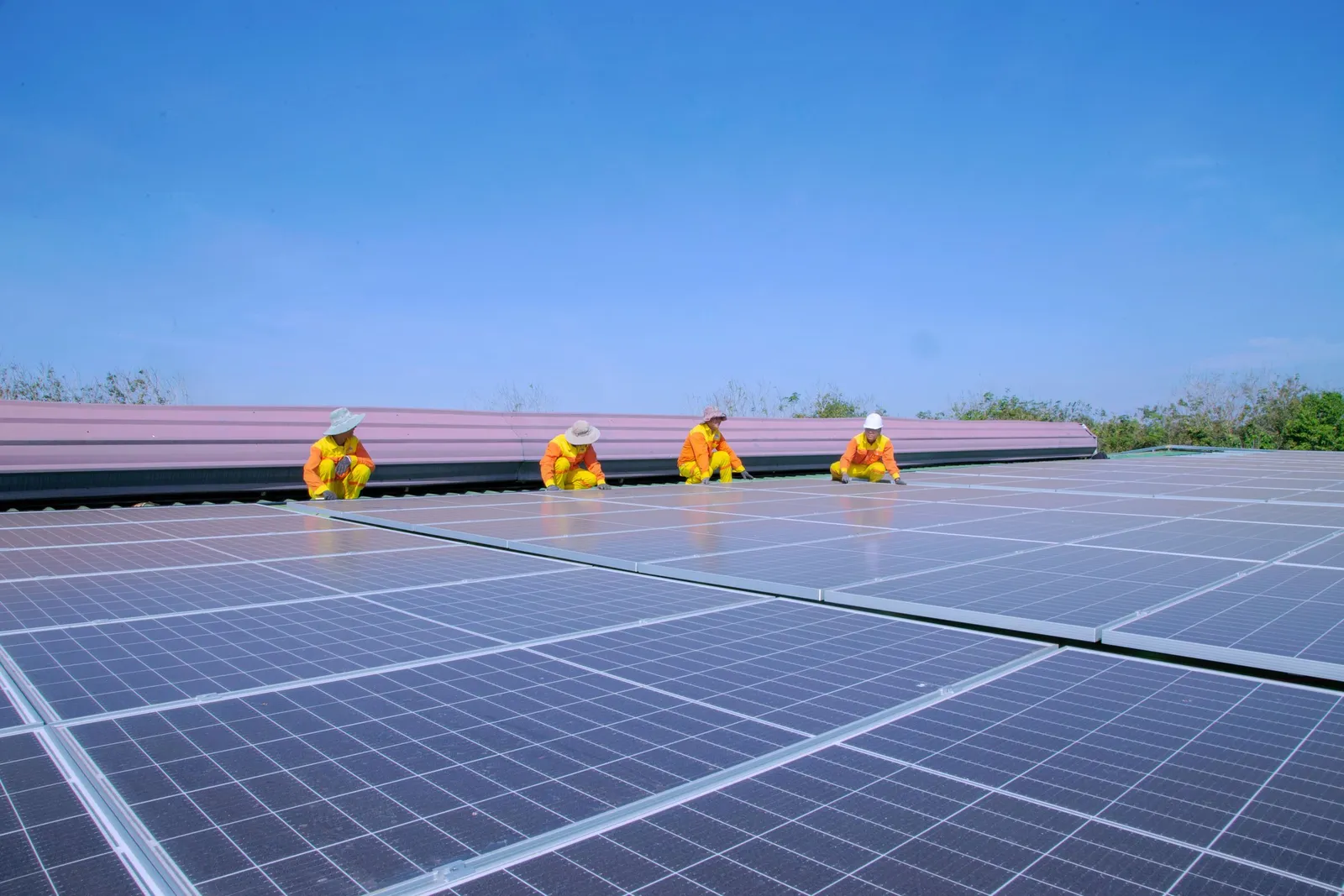
- 9.1Project planning and management
- 9.2Civil works
- 9.3Mechanical works
- 9.4Electrical works
- 9.5Instrumentation and automation
- 9.6Testing and commissioning
- 9.7Project handover
- 1
9.1
Project planning and management
- Project management
- Project scheduling
- Cost estimation
- Resource planning
- Contract management
- Risk management
- Procurement planning
- Quality planning
- Construction planning
- HSE planning
- 2
9.2
Civil works
- Site development
- Earthwork
- Road construction
- Drainage
- Pile foundations
- RCC foundations
- Inverter foundations
- Transformer foundations
- Control room buildings
- Switchyard foundations
- Cable trenches
- Boundary fencing
- 3
9.3
Mechanical works
- Module structure installation
- Tracker installation
- Module mounting
- Equipment mounting
- Mechanical alignment
- Torque verification
- Fastener inspection
- Cable support systems
- Equipment access platforms
- 4
9.4
Electrical works
- Module installation
- DC string wiring
- Combiner box installation
- Inverter installation
- AC cable laying
- Transformer installation
- HT panel installation
- LT panel installation
- Earthing
- Lightning protection
- Switchyard installation
- Transmission line works
- 5
9.5
Instrumentation and automation
- Weather station installation
- SCADA installation
- Communication networks
- Data acquisition
- Plant controller
- Remote monitoring
- Power plant controller integration
- Revenue metering
- Grid communication
- Cybersecurity controls
- 6
9.6
Testing and commissioning
- Module inspection
- String polarity testing
- Continuity testing
- Insulation resistance testing
- Earth resistance testing
- Cable testing
- Transformer testing
- Relay testing
- Inverter testing
- SCADA testing
- Grid synchronisation
- Performance verification
- Commissioning documentation
- 7
9.7
Project handover
- As-built drawings
- Technical documentation
- Equipment manuals
- Warranty certificates
- Test reports
- Quality records
- O&M manuals
- Spare parts
- Operator training
- Final acceptance
- Register
EPC partners
Civil, electrical and O&M contractors
Register as a BARREL Authorized Service Provider to be considered for solar EPC packages.
27Solar project packages A–R
Offered separately or combined, according to the customer's requirement and project maturity.
| Package | Scope |
|---|---|
| Package A | Solar feasibility and project development |
| Package B | Solar resource assessment and energy yield |
| Package C | Land acquisition, leasing and solar park development |
| Package D | Solar PV engineering and design |
| Package E | Solar module and equipment supply |
| Package F | Civil and structural infrastructure |
| Package G | Electrical and grid infrastructure |
| Package H | Complete Solar PV EPC |
| Package I | Rooftop solar projects |
| Package J | Floating solar projects |
| Package K | CSP and solar thermal projects |
| Package L | Solar + BESS and hybrid renewable projects |
| Package M | Solar manufacturing and industrial supply |
| Package N | Testing, inspection and commissioning |
| Package O | Plant O&M and asset management |
| Package P | Repowering and plant modernisation |
| Package Q | Solar project finance and investment |
| Package R | Solar power trading and commercialisation |
Section 10
Solar Electrical Engineering & Grid Infrastructure
Solar generation is variable and must reach the grid through properly designed conversion, protection, control and evacuation systems.
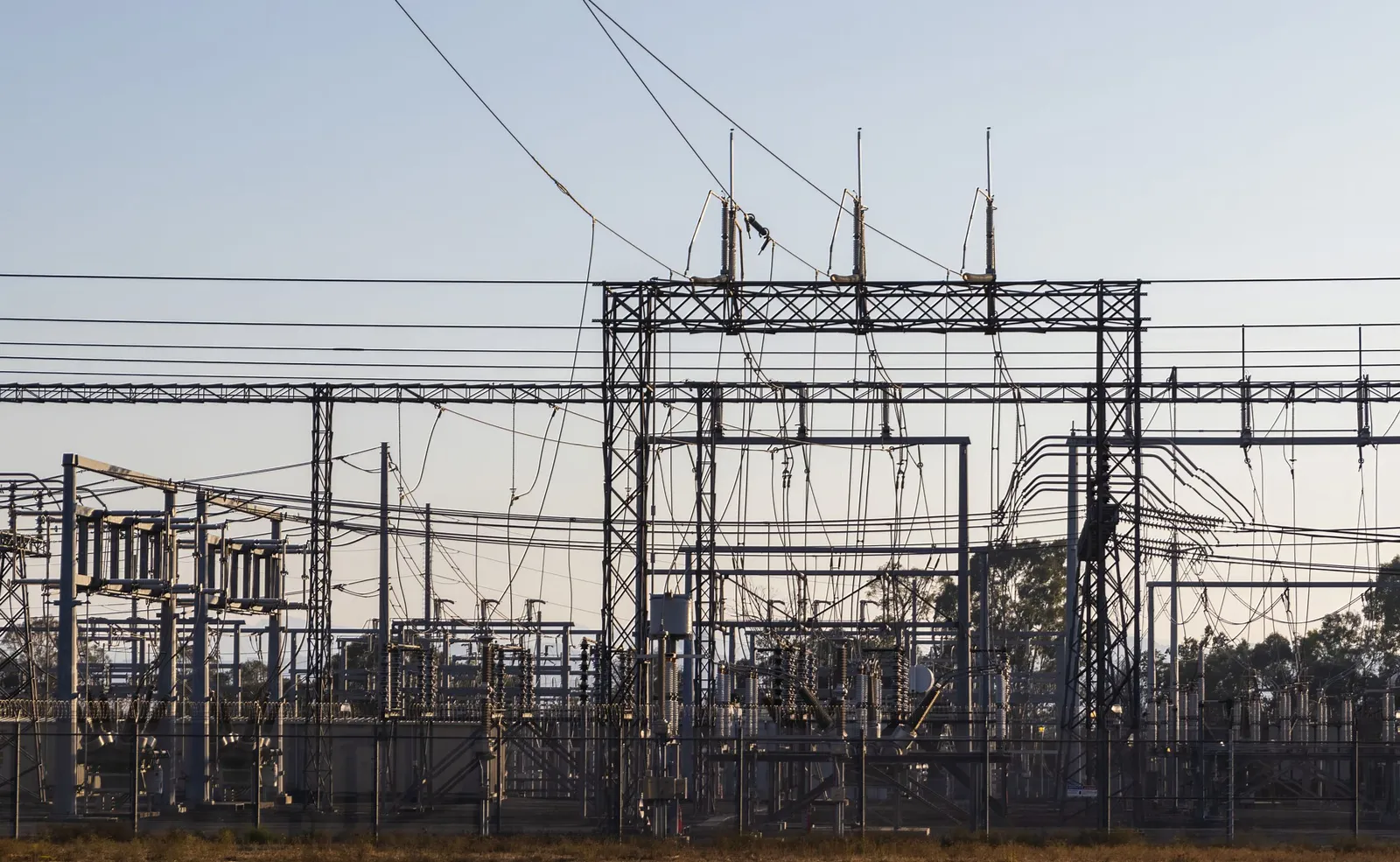
10.1Electrical system engineering
15- DC system design
- AC system design
- String configuration
- Inverter sizing
- Transformer sizing
- HT and LT distribution
- Cable sizing
- Voltage-drop calculations
- Short-circuit studies
- Load-flow studies
- Protection coordination
- Harmonic studies
- Reactive power studies
- Earthing system design
- Lightning protection
10.2Grid connectivity and evacuation
11- Grid connectivity feasibility
- Interconnection application support
- Transmission system studies
- Pooling substation development
- Dedicated transmission lines
- Line-in-Line-Out (LILO) connectivity
- Bay extension
- Switchyard development
- Transformer installation
- Grid compliance studies
- Synchronisation support
10.4Grid integration and advanced controls
12- Power Plant Controller (PPC)
- Active power control
- Reactive power control
- Voltage regulation
- Frequency response
- Ramp-rate control
- Grid-code compliance
- Fault ride-through
- Grid-forming inverter capabilities
- Forecasting and dispatch
- Curtailment management
- Grid stability studies
10.3Voltage levels catalogued
Subject to utility and jurisdictional standards.
- 11 kVRooftop / small plants, distribution
- 22 kVDistribution feeders
- 33 kVPlant collection, MV evacuation
- 66 kVSub-transmission
- 110 kVSub-transmission
- 132 kVState transmission
- 220 kVPooling to state / ISTS grid
- 400 kVLarge solar parks, ISTS
- 765 kVBulk inter-regional corridors
The grid connection is often the critical constraint
Section 11
Solar Power with Battery Energy Storage
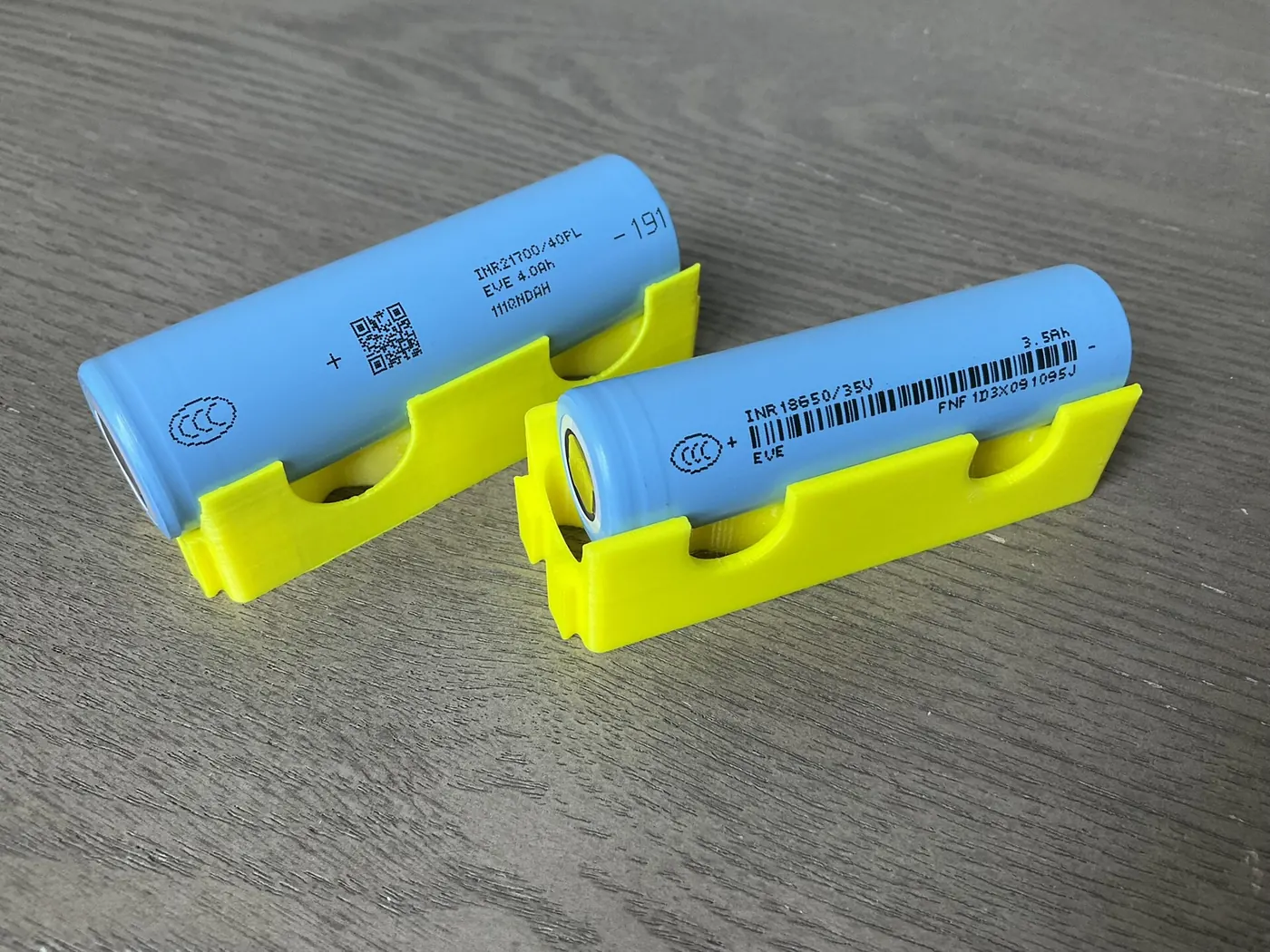
Solar integrated with a battery energy storage system (BESS) makes solar electricity more flexible and dispatchable.
11.1Battery technologies
Selected by application, lifecycle performance, safety, operating conditions, supply chain and cost.
- Lithium-ion LFP
- Main choice for stationary storage: safety margin and cycle life
- Lithium-ion NMC
- Higher energy density; more thermal-management care
- Sodium-ion
- Emerging; avoids lithium, good low-temperature behaviour
- Flow batteries
- Long duration; power and energy scale separately
- Lead-acid
- Legacy backup and small off-grid systems
- Advanced batteries
- Evaluated by evidence, warranty and supply chain
11.2BESS infrastructure
14- Battery cells
- Battery modules
- Battery racks
- Battery containers
- Battery Management System (BMS)
- Power Conversion System (PCS)
- Energy Management System (EMS)
- Thermal management
- Fire detection and suppression
- HVAC
- Protection and isolation
- Transformers
- Switchgear
- Grid interconnection
11.3Solar + BESS configurations
8- DC-coupled solar and battery
- AC-coupled solar and battery
- Co-located solar and standalone BESS
- Behind-the-meter solar storage
- Solar microgrid
- Solar plus storage for peak demand
- Solar plus storage for evening supply
- Solar plus storage for backup and resilience
11.4Storage applications
10- Solar energy time shifting
- Peak shaving
- Demand charge management
- Renewable energy firming
- Ramp-rate control
- Grid support
- Frequency regulation, where permitted
- Energy arbitrage, where market rules permit
- Backup power
- Captive consumption optimisation
11.5DC-coupled or AC-coupled?
| DC-coupled | AC-coupled | |
|---|---|---|
| Where the battery connects | DC side, behind a shared inverter | AC bus, with its own PCS |
| Clipped PV energy | Can be captured | Lost unless export limit allows |
| Conversion steps to grid | Fewer | More (DC→AC→DC→AC) |
| Retrofit to existing plant | Harder | Simpler |
| Independent operation | Linked to PV inverter | Fully independent |
Frequency regulation, arbitrage and other market services depend on the applicable market rules and permissions in each jurisdiction. See also the battery storage sector.
Section 12
Hybrid Renewable Energy Systems
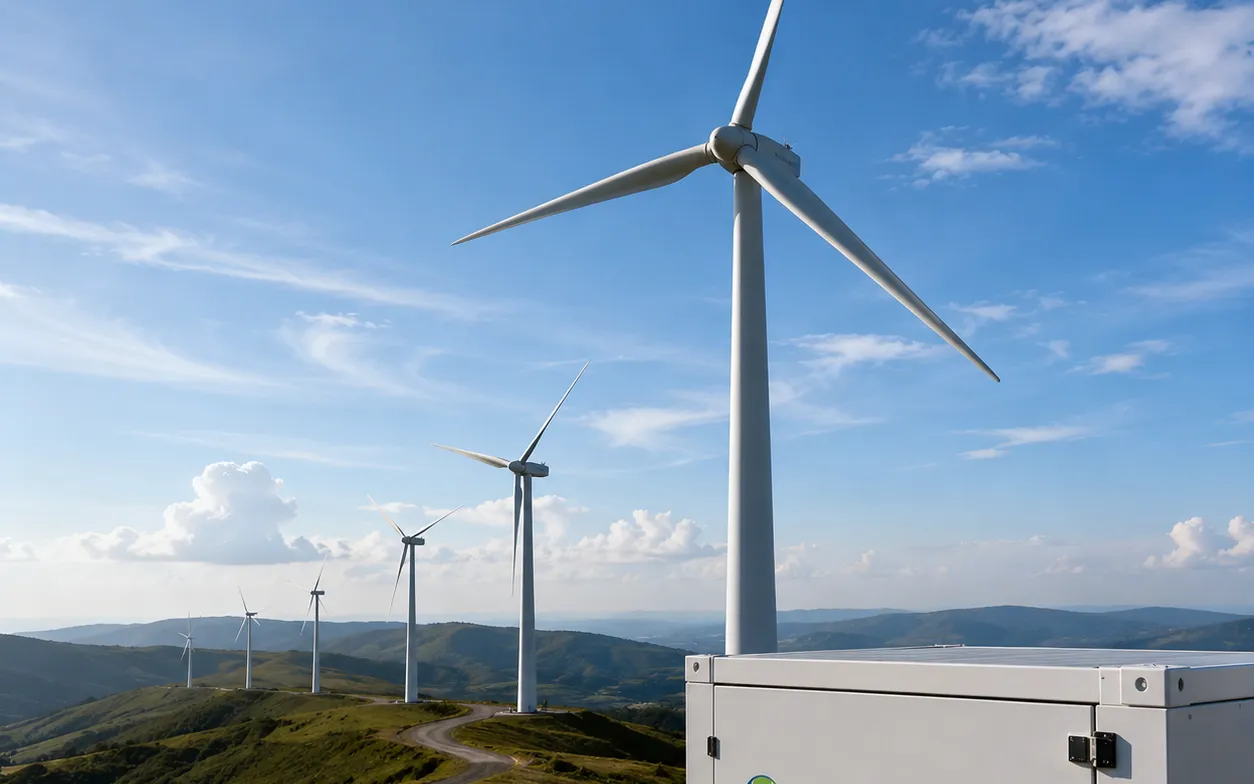
A separate BARREL business line: solar combined with wind, hydro, thermal, hydrogen and other sources for firmer, better-shaped supply.
12.1Solar and wind
6- Solar PV + wind
- Solar PV + wind + BESS
- Hybrid renewable parks
- Shared grid evacuation
- Complementary generation modelling
- Integrated forecasting
12.2Solar and hydro
5- Solar + hydropower
- Floating solar on reservoirs
- Solar + pumped hydro storage
- Solar-assisted pumping
- Integrated reservoir management
12.3Solar and thermal generation
5- Solar PV + thermal power
- Solar thermal + conventional thermal
- CSP + thermal storage
- Solar + biomass
- Solar + industrial waste heat
12.4Solar and hydrogen
5- Solar PV + electrolyser
- Solar-powered hydrogen production
- Solar + hydrogen storage
- Solar + ammonia production
- Solar + industrial hydrogen applications
12.5Solar and other technologies
6- Solar + geothermal
- Solar + nuclear
- Solar + diesel backup
- Solar + gas generation
- Solar + grid-scale batteries
- Solar + thermal batteries
Every hybrid needs
- 01Integrated resource modelling
- 02Dispatch optimisation
- 03Grid studies
- 04Storage sizing
- 05Commercial evaluation
Section 13
Rooftop, Building-Integrated & Distributed Solar
Solar close to the load: rooftops, building envelopes, off-grid systems, microgrids and agricultural applications.
14.1Residential rooftop
7- Individual houses
- Apartments
- Residential societies
- Housing complexes
- Rooftop net-metering systems
- Rooftop hybrid systems
- Rooftop off-grid systems
14.2Commercial rooftop
8- Offices
- Shopping centres
- Hotels
- Hospitals
- Schools and universities
- Airports
- Warehouses
- Commercial buildings
14.3Industrial rooftop
8- Manufacturing plants
- Industrial sheds
- Logistics warehouses
- Cold storage facilities
- Food processing plants
- Textile factories
- Automobile factories
- Pharmaceutical facilities
14.4Building-integrated photovoltaics
7- Solar facades
- Solar glass
- Solar skylights
- Solar canopies
- Solar shading systems
- Photovoltaic building materials
- Integrated solar architectural systems
14.5Rooftop project services
- 1Roof structural assessment
- 2Roof condition assessment
- 3Solar potential assessment
- 4System design
- 5Module and inverter selection
- 6Mounting structure design
- 7Electrical installation
- 8Grid connectivity
- 9Net-metering application support
- 10O&M and cleaning
13Off-grid solar, microgrids and distributed generation
13.1Off-grid solar systems
8- Standalone solar systems
- Solar home systems
- Solar street lighting
- Solar water pumps
- Solar telecom power
- Remote industrial solar
- Island power systems
- Solar-powered rural infrastructure
13.2Microgrid infrastructure
10- Solar generation
- Battery storage
- Backup generators
- Microgrid controllers
- Distribution network
- Smart meters
- Load management
- Energy management
- Remote monitoring
- Protection and safety systems
13.3Distributed energy applications
7- Community solar
- Rural electrification
- Industrial microgrids
- Commercial campus microgrids
- Institutional microgrids
- Remote mining operations
- Defence and critical infrastructure applications
13.4Agricultural solar applications
8- Solar irrigation pumps
- Solar-powered cold storage
- Solar crop drying
- Solar-powered processing
- Solar fencing
- Solar farm infrastructure
- Agrivoltaics
- Solar-powered rural enterprises
Section 14
Floating Solar & Water-Based Solar Infrastructure
PV systems installed on suitable water bodies using floating structures, moorings and associated electrical infrastructure.
- No land take
- Uses existing water surface near load or grid
- Cooler modules
- Water cooling can lower temperature losses
- Less evaporation
- Shading can reduce reservoir evaporation
- Shared grid
- Can share evacuation with hydro stations
15.1Floating solar applications
7- Reservoirs
- Dams
- Irrigation ponds
- Industrial water reservoirs
- Wastewater treatment ponds
- Mining water bodies
- Aquaculture-compatible sites, subject to assessment
15.2Floating solar infrastructure
11- Floating platforms
- HDPE floats
- Anchoring systems
- Mooring systems
- Walkways
- PV modules
- Inverters
- Floating electrical cables
- Submerged or shore-based cable routing
- Shore-side substations
- Monitoring systems
15.3Engineering and assessment
11- Bathymetric survey
- Water-level variation analysis
- Wind and wave assessment
- Mooring design
- Anchoring design
- Float durability
- Water quality assessment
- Corrosion protection
- Electrical safety
- Environmental assessment
- Maintenance access
Benefits depend on the site: water quality, level variation, wind and wave loads and the reservoir owner's conditions decide feasibility.
Section 15
Concentrated Solar Power & Solar Thermal
Solar thermal technologies turn sunlight into useful heat. CSP plants use that heat to generate electricity — and, when designed for it, store heat for later operation.
Parabolic trough
≈ 390 °C (oil) – 550 °C (salt)
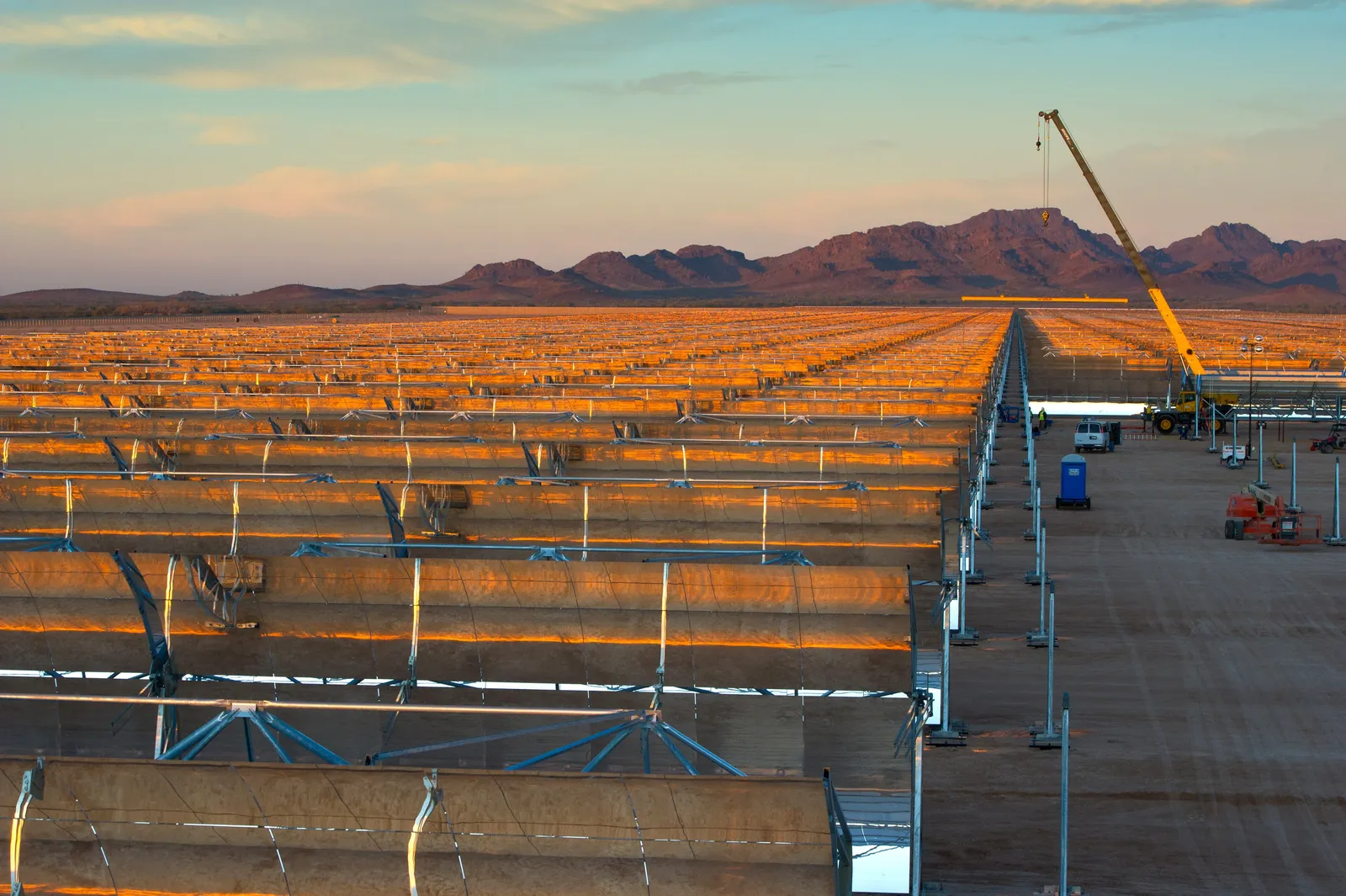
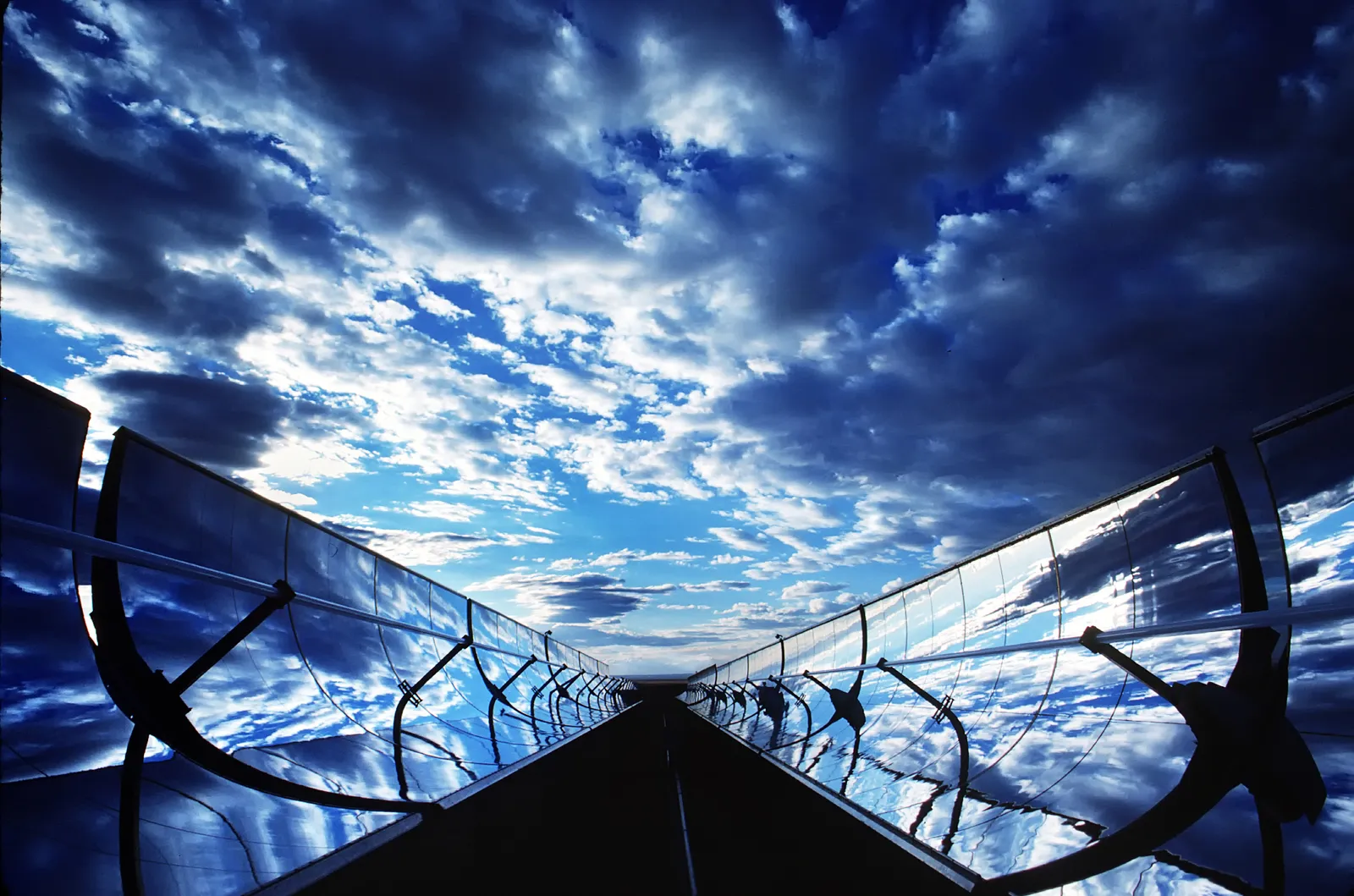
Curved mirror rows track the sun on one axis and heat a receiver tube carrying heat-transfer fluid.
Solar power tower
≈ 565 °C molten salt
A field of heliostats focuses sunlight on a central receiver; molten salt doubles as the storage medium.
Linear Fresnel
≈ 250–500 °C
Flat or slightly curved mirror strips focus on a fixed elevated receiver — simpler structure, lower optical efficiency.
Dish-Stirling
≈ 700 °C +
A parabolic dish drives a Stirling engine at its focus — modular, high efficiency, limited commercial scale.
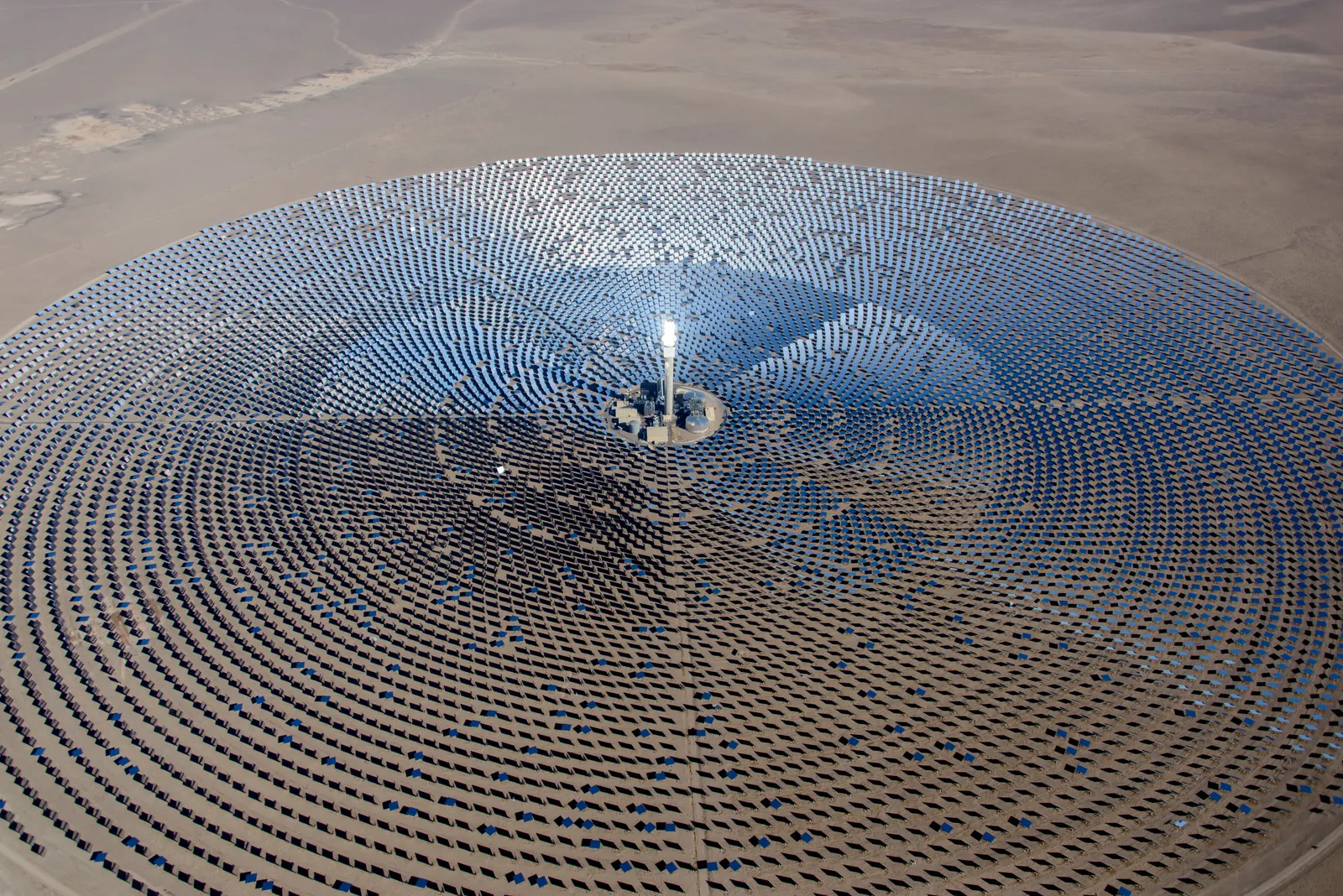
16.2CSP plant infrastructure
12- Solar field
- Heliostats or collector mirrors
- Receiver systems
- Heat-transfer fluid systems
- Molten salt storage
- Thermal storage tanks
- Steam generation
- Steam turbine
- Generator
- Condenser
- Cooling systems
- Electrical evacuation
16.3Solar thermal industrial applications
10- Industrial process heating
- Steam generation
- Hot-water supply
- Food processing
- Textile processing
- Chemical processing
- Solar drying
- Desalination
- District heating
- Solar cooling
16.4Solar thermal storage integration
6- Molten salt
- Thermal oil
- Solid media
- Packed-bed systems
- Phase-change storage
- Advanced thermal storage materials
Operating temperatures are indicative and depend on the heat-transfer fluid and design. Thermal storage for CSP is covered in depth on the heat storage power sector.
Section 16
Solar Procurement & Global Supply Chain
Procurement and international supply-chain management run as independent commercial verticals.
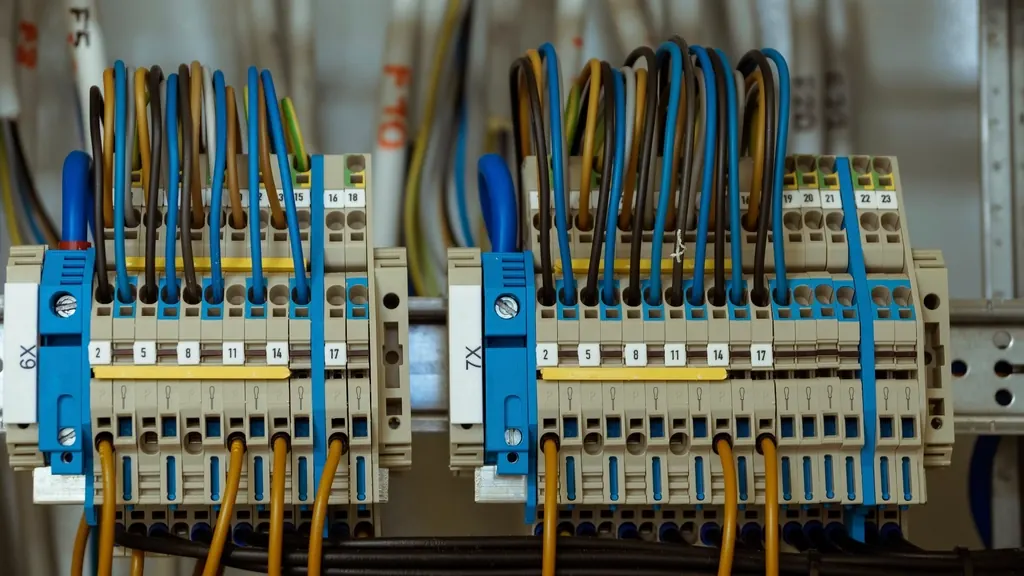
Procurement flow
- 1Specification
- 2RFQ
- 3Technical bid evaluation
- 4Commercial evaluation
- 5Factory inspection (FAT)
- 6Logistics & customs
- 7Site receipt & SAT
17.1Solar PV products
9- Solar cells
- Solar modules
- Bifacial modules
- Solar glass
- Encapsulants
- Backsheets
- Junction boxes
- Solar ribbons
- Aluminium frames
17.2Solar electrical equipment
11- String inverters
- Central inverters
- Hybrid inverters
- Transformers
- Switchgear
- Cables
- Connectors
- Combiner boxes
- Protection relays
- SCADA systems
- Monitoring equipment
17.3Mechanical and structural products
9- Module mounting structures
- Trackers
- Piles
- Fasteners
- Galvanised steel
- Aluminium profiles
- Cable trays
- Earthing materials
- Lightning protection equipment
17.4Storage and hybrid equipment
8- Battery cells
- Battery containers
- BMS
- PCS
- EMS
- Thermal management
- Fire protection
- Energy storage transformers
17.5Manufacturing machinery
6- Solar cell production lines
- Module production lines
- Testing equipment
- Automation equipment
- Material handling systems
- Quality inspection equipment
17.6Procurement and trade services
11- Global manufacturer sourcing
- Domestic sourcing
- Import and export
- Vendor development
- Technical bid evaluation
- Commercial bid evaluation
- Factory inspection
- Logistics management
- Customs coordination
- Warehouse and inventory management
- Long-term supply agreements
ALMM and scheme rules are project-specific
Section 17
Operation, Maintenance, Testing & Quality
Keeping the plant at its expected performance for 25+ years — monitoring, preventive, corrective and predictive maintenance, then proving it with tests.
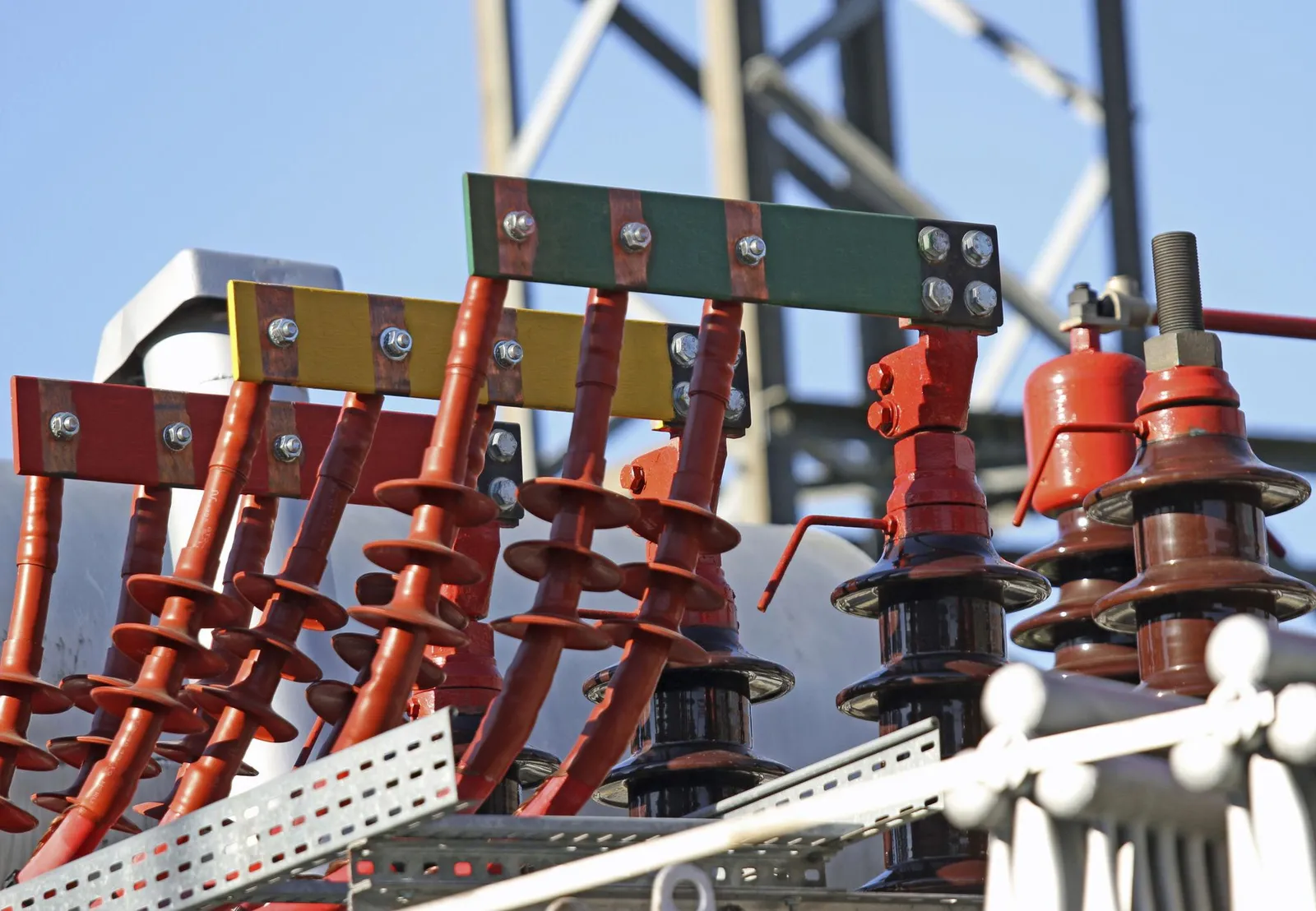
18.0Key performance indicators
- Performance Ratio (PR)
- Actual energy ÷ energy expected from measured irradiance
- Specific yield
- kWh generated per kWp installed
- CUF
- Energy ÷ (rated capacity × hours in the period)
- Availability
- Time or energy the plant was able to generate
18.1Plant operations
10- Daily generation monitoring
- Inverter monitoring
- String monitoring
- Weather monitoring
- Grid export monitoring
- Performance ratio monitoring
- Availability monitoring
- Curtailment monitoring
- Energy accounting
- Plant reporting
18.2Preventive maintenance
12- Module cleaning
- Vegetation management
- Module inspection
- Connector inspection
- Cable inspection
- Inverter maintenance
- Transformer maintenance
- Switchgear maintenance
- Earthing inspection
- Tracker maintenance
- SCADA maintenance
- Weather station calibration
18.3Corrective maintenance
10- Module replacement
- Inverter repair
- String fault rectification
- Connector replacement
- Cable repair
- Transformer fault response
- Protection system repair
- Communication fault rectification
- Tracker repair
- Equipment replacement
18.4Predictive maintenance
10- Thermal imaging
- Drone inspection
- Electroluminescence testing
- IV curve tracing
- String performance analytics
- Inverter performance analytics
- Predictive equipment failure
- Soiling analysis
- Module degradation analysis
- Performance anomaly detection
18.5Asset management
10- Plant asset register
- Equipment lifecycle management
- Warranty tracking
- Spare parts management
- Maintenance scheduling
- Performance benchmarking
- Insurance management
- Contract management
- OPEX management
- Repowering and life extension
IEC 62446-2 is a relevant reference for maintenance of grid-connected PV systems — preventive, corrective and performance-related activities.
19Testing, inspection and quality assurance
19.1Solar module testing
12- Visual inspection
- Flash testing
- IV curve testing
- Electroluminescence testing
- Insulation resistance testing
- Wet leakage testing
- Thermal cycling
- Damp heat
- Mechanical load
- Hail impact
- UV exposure
- Potential-induced degradation testing
19.2Electrical testing
12- DC cable testing
- AC cable testing
- Continuity testing
- Insulation resistance
- Earth resistance
- Transformer testing
- Switchgear testing
- Relay testing
- Inverter testing
- Power quality measurement
- Harmonic analysis
- Protection coordination verification
19.3Plant performance testing
12- Solar irradiation measurement
- Energy yield verification
- Performance Ratio (PR)
- Specific yield
- Plant availability
- Inverter efficiency
- Transformer losses
- Soiling losses
- Shading losses
- Degradation assessment
- Capacity verification
- Performance acceptance testing
19.5Quality documentation
10- Inspection and Test Plans
- Quality Assurance Plans
- Factory Acceptance Tests
- Site Acceptance Tests
- Material Test Certificates
- Equipment certificates
- Installation checklists
- Commissioning reports
- Non-conformance reports
- As-built drawings
19.4Inspection methods
- Visual
- Breakage, discolouration, hot spots, loose parts
- Drone
- Fast aerial survey of large arrays
- IR thermography
- Hot cells, diodes, connectors, joints
- EL imaging
- Micro-cracks and inactive cell areas
- IV curve tracing
- String and module power, mismatch
- Electrical
- Insulation, polarity, earthing, protection
- Structural
- Piles, purlins, corrosion, alignment
- Torque
- Fastener and terminal tightness
Section 18
Solar Recycling, Repowering & Circular Economy
Solar projects have long operating lives; end-of-life management belongs in the project plan from day one.
20.1Solar module recycling
10- Module collection
- Safe transportation
- Module inspection
- Frame removal
- Junction box removal
- Glass recovery
- Silicon recovery
- Metal recovery
- Polymer processing
- Material reuse
20.2Solar equipment recycling
7- Inverter recycling
- Transformer oil management
- Cable recycling
- Aluminium recycling
- Steel recycling
- Battery recycling
- Electronic waste management
20.3Solar plant repowering
8- Existing plant assessment
- Module replacement
- Inverter replacement
- Structure evaluation
- Cable and transformer assessment
- Generation improvement
- Grid approval review
- Recommissioning
20.4Circular solar economy
7- Recycled material supply
- Second-life equipment assessment
- Reuse and refurbishment
- Material traceability
- Lifecycle carbon assessment
- Responsible disposal
- Extended producer responsibility compliance, where applicable
What a crystalline-silicon module is made of
- Glass70%
- Aluminium frame15%
- Polymers (EVA, backsheet)10%
- Silicon cells3.5%
- Copper, silver & other metals1.5%
Section 19
Safety, Environment & Regulatory Compliance
Electrical hazards, high-voltage systems, DC arc risk, work at height, heavy equipment, construction and environmental impacts — managed from concept stage.
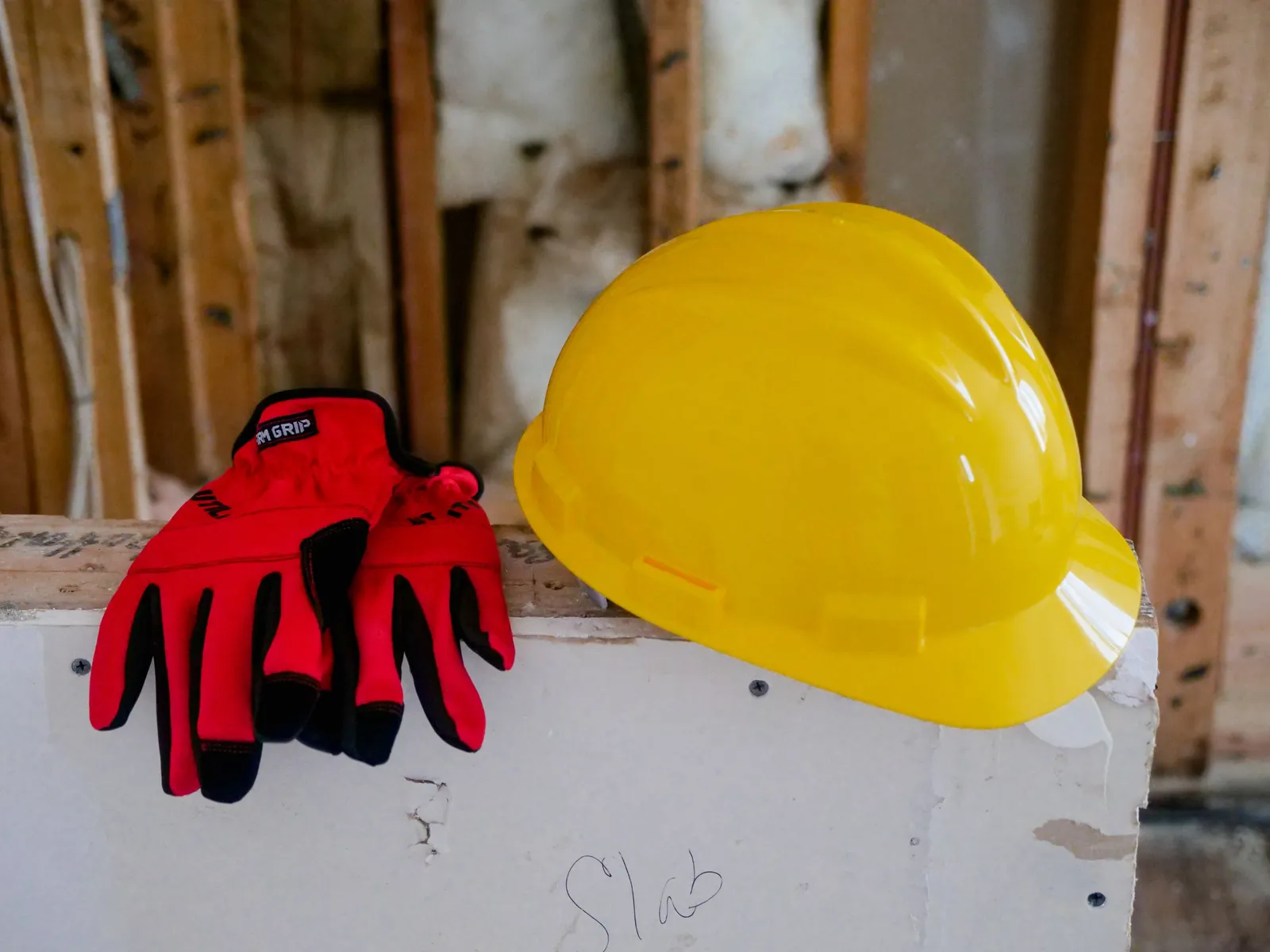
21.1Electrical and construction safety
10- Electrical isolation and lockout/tagout
- DC arc-flash risk management
- High-voltage safety
- Working-at-height protection
- Lifting and rigging safety
- Excavation safety
- Fire prevention
- Battery safety
- Emergency response
- Contractor HSE management
21.2Environmental management
11- Land-use assessment
- Biodiversity assessment
- Water consumption management
- Soil erosion control
- Stormwater management
- Dust control
- Waste management
- Module recycling
- Battery end-of-life management
- Environmental monitoring
- Lifecycle carbon assessment
21.3International standards and technical frameworks
Applied by equipment type, system design, project location and contract.
| Standard / organisation | Area |
|---|---|
| IEC 61215 | PV module design qualification |
| IEC 61730 | PV module safety qualification |
| IEC 62548-1 | PV array design requirements |
| IEC 62446-1 | PV system documentation, commissioning and inspection |
| IEC 62446-2 | PV system maintenance |
| IEC 61724-1 | PV system performance monitoring |
| IEC 62109 | Safety of power converters |
| IEC 62116 | Utility-interconnected inverter anti-islanding test procedure |
| IEC 61683 | PV inverter efficiency measurement |
| IEC 62891 | MPPT efficiency measurement |
| IEC 62941 | PV module manufacturing quality system |
| IEC 60364-7-712 | Electrical installations for PV power supply systems |
| IEC 61439 | Low-voltage switchgear and controlgear assemblies |
| IEC 60076 | Power transformers |
| IEC 60255 | Measuring relays and protection equipment |
| IEC 61850 | Communication networks and systems for power utility automation |
| IEEE 1547 | Distributed energy resource interconnection, where applicable |
| ISO 9001 | Quality management |
| ISO 14001 | Environmental management |
| ISO 45001 | Occupational health and safety |
| ISO 50001 | Energy management |
| ISO/IEC 27001 | Information security management |
Always check the latest edition, amendments and national adoption of a standard before specifying it in a contract.
21.4India — regulatory and institutional ecosystem
Authorities, by project type and location
- MNRE
- SECI
- CEA
- CERC
- SERCs
- STUs
- CTU
- SLDCs
- RLDCs
- DISCOMs
- State nodal renewable energy agencies
- State pollution control boards
- Local land and planning authorities
Project-specific requirements
- Grid connectivity approvals
- Electrical inspectorate approvals
- Power purchase agreements
- Open access permissions
- Captive power compliance
- Net-metering and gross-metering rules
- Land-use permissions
- Environmental and forest permissions, where applicable
- ALMM compliance, where applicable
- Applicable CEA technical and safety regulations
A live regulatory register, not static claims
Section 20
Solar Project Finance & Commercial Models
Evaluates the complete generation asset, evacuation infrastructure, power sale arrangements, financing structure, operating costs and energy yield together.

22.1Solar business models
- IPP
- Independent Power Producer selling under a PPA
- EPC
- Engineering, procurement and construction contract
- BOO / BOOT
- Build-own-operate, with or without transfer
- Developer-owned
- Developer builds and holds the asset
- Captive / group captive
- Consumers own the required equity share
- Open access
- Third-party power sale over the grid
- Rooftop RESCO
- Developer owns, consumer pays per kWh
- Rooftop CAPEX
- Consumer owns the system outright
- Leasing / Solar-as-a-Service
- Fixed fee for equipment or energy
- Community solar
- Shared plant, shared benefits
- Merchant
- Sale on exchanges or short-term contracts
- Hybrid
- Solar with wind, storage or firm supply
22.3Project cost components
18- Land acquisition or lease
- Land development
- Solar modules
- Mounting structures
- Trackers
- Inverters
- Transformers
- HT and LT electrical systems
- DC and AC cabling
- Civil works
- Substation and transmission infrastructure
- Grid connectivity
- Engineering and project management
- Logistics and insurance
- Construction and commissioning
- Development and approval costs
- Financing costs
- Contingency
- Modules38%
- Structures / trackers12%
- Inverters6%
- Electrical BoS & cables12%
- Substation & evacuation10%
- Civil works8%
- Land & development7%
- Engineering, PM, insurance & contingency7%
22.2Revenue and commercial opportunities
12- Electricity sales under PPA
- Captive power savings
- Open access power supply
- Merchant electricity sales
- Rooftop energy savings
- Renewable energy certificates, where eligible
- Applicable incentives and support mechanisms
- Ancillary or flexibility services, where permitted
- Solar equipment sales
- EPC revenue
- O&M contracts
- Asset management services
22.4Financial evaluation
- CAPEX
- Capital expenditure
- OPEX
- Operating expenditure
- ₹ / MWp DC
- Cost per MW peak DC
- ₹ / MW AC
- Cost per MW AC export
- LCOE
- Levelised cost of electricity
- NPV
- Net present value
- Project IRR
- Return on the whole project
- Equity IRR
- Return on equity after debt
- Payback
- Years to recover investment
- DSCR
- Debt service coverage ratio
- D/E · LTV
- Debt-equity and loan-to-value
- Sensitivities
- Generation, degradation, tariff, interest, FX
22.5Power purchase and trading arrangements
- Long-term PPA
- Short-term PPA
- Captive consumption
- Group captive arrangements
- Third-party open access
- Green energy open access
- Merchant power
- Exchange-based power sale
- Hybrid renewable supply
- Round-the-clock renewable supply
- Firm and dispatchable renewable supply
Check the rules for each structure
Section 21
BARREL Solar Solutions, Services & Ecosystem
One integrated ecosystem connecting project owners, developers, investors, manufacturers, suppliers, contractors, service providers and energy buyers.
23Twenty-eight business verticals
01
Solar Project Development
Project identification, land, feasibility
02
Solar Consulting
Technical and commercial advisory
03
Solar Resource Assessment
Irradiance and yield assessment
04
Solar Land Services
Land identification, acquisition and leasing
05
Solar Park Development
Common infrastructure and park development
06
Solar Engineering
Complete engineering and design
07
Solar EPC
Turnkey solar project execution
08
Solar PV Generation
Utility-scale and distributed generation
09
Rooftop Solar
Residential, commercial and industrial
10
Floating Solar
Water-based solar infrastructure
11
Agrivoltaics
Combined agriculture and solar generation
12
Solar Thermal
Solar heat and industrial applications
13
CSP Projects
Concentrated solar power
14
Solar + BESS
Integrated solar and battery storage
15
Hybrid Renewable Energy
Solar, wind, hydro and storage
16
Solar Manufacturing
Cells, modules and components
17
Solar Equipment Supply
Modules, inverters and BoS
18
Import & Export
International solar equipment trade
19
Solar Procurement
Vendor sourcing and procurement
20
Solar Grid Infrastructure
Substations and transmission
21
Solar Testing & Inspection
Testing, quality and certification support
22
Solar O&M
Operations and maintenance
23
Solar Asset Management
Performance and lifecycle management
24
Solar Recycling
Recovery and circular economy
25
Solar Project Finance
Investment and financial structuring
26
Solar Power Trading
Electricity commercialisation
27
Solar Intelligence
Technical and commercial intelligence
28
Solar Research & Innovation
Advanced technologies and development
26The BARREL solar ecosystem
BARREL.ENERGY
Solar business · Projects · Commercial platform · Global ecosystem
Project Developers
Develop and originate projects
Technology Partners
PV, CSP, BESS and hybrid technologies
Manufacturing Partners
Cells, modules and equipment
Authorized Supplier Partners
Verified supply network
Authorized Service Providers
Engineering, EPC and O&M
EPC Partners
Construction and commissioning
Investment Partners
Equity, debt and project finance
Power Buyers
Utilities, industries and consumers
Global solar energy market
Residential · Commercial · Industrial · Utility · Government · Infrastructure
26.1BARREL partnership programmes
Partner registration is separate from technical prequalification, manufacturer authorisation, product certification and project-specific vendor approval.
29Why BARREL for solar power?
- Complete solar ecosystem
- From resource assessment and project development to generation and power trading.
- Multi-technology capability
- PV, CSP, solar thermal, floating solar and hybrid energy.
- Engineering integration
- Civil, mechanical, electrical, transmission, automation and storage.
- Manufacturing and supply chain
- Domestic and international equipment sourcing.
- Project execution
- Feasibility, EPC, commissioning, O&M and asset management.
- Power infrastructure
- Substations, grid connectivity and transmission.
- Commercial ecosystem
- Developers, investors, suppliers, contractors and energy buyers.
- Digital intelligence
- Technical databases, engineering calculators and cost intelligence.
Section 22
BARREL Solar Power Intelligence Centre
A dedicated knowledge, engineering, project, equipment and commercial intelligence platform for solar — connected to BARREL Power Intelligence and BARREL OS.
One ecosystem. Three connected platforms.
24.1Solar knowledge library
15- Solar energy fundamentals
- Solar PV technology
- Solar cell technologies
- Solar module technologies
- Solar thermal
- CSP
- Solar plant engineering
- Solar electrical engineering
- Solar project development
- Solar EPC
- Solar O&M
- Solar standards and regulations
- Solar safety
- Solar finance
- Solar recycling
24.2Solar equipment intelligence
13- Solar module database
- Solar cell database
- Inverter database
- Transformer database
- Tracker database
- Mounting structure database
- Cable and connector database
- Battery database
- SCADA and automation database
- Manufacturer directory
- Equipment comparison
- Technical specifications
- Warranty and degradation data
24.3Solar project intelligence
12- Global solar project database
- Indian solar project database
- Solar park database
- Rooftop project database
- Floating solar projects
- CSP projects
- Solar + BESS projects
- Hybrid renewable projects
- Project developer directory
- EPC contractor directory
- Investor database
- Project opportunities
24.4Supplier and manufacturer intelligence
12- Solar module manufacturers
- Solar cell manufacturers
- Inverter manufacturers
- Transformer manufacturers
- Tracker manufacturers
- Mounting structure manufacturers
- Cable manufacturers
- Battery manufacturers
- EPC contractors
- Testing laboratories
- Equipment distributors
- International trading partners
24.5Solar cost intelligence
12- Solar module price database
- Inverter price database
- Structure cost database
- Tracker cost database
- Battery cost database
- Solar EPC cost benchmarks
- Land development costs
- Transmission infrastructure costs
- O&M benchmarks
- Solar project CAPEX
- Solar project OPEX
- LCOE benchmarks
25Solar engineering calculator library (100)
Each tool will state its calculation logic, units, input validation, assumptions, formula references and output explanation, with a downloadable report. LIVE = logic already working in the yield estimator.
25.1Solar resource
10- Solar Irradiance
- Global Horizontal Irradiance
- Direct Normal Irradiance
- Diffuse Horizontal Irradiance
- Plane of Array Irradiance
- Peak Sun Hours
- Solar Radiation Conversion
- Solar Azimuth Angle
- Solar Elevation Angle
- Solar Resource Estimation
25.2Solar PV sizing
10- PV Plant CapacityLIVE
- Module QuantityLIVE
- String Sizing
- DC Capacity
- AC CapacityLIVE
- DC/AC RatioLIVE
- Inverter Capacity
- Array Voltage
- Array Current
- Rooftop Area
25.3Solar generation
10- Daily Generation
- Monthly Generation
- Annual GenerationLIVE
- Specific YieldLIVE
- Performance Ratio
- Capacity Utilisation FactorLIVE
- Plant Availability
- Module DegradationLIVE
- Generation Loss
- P50/P90 Energy Yield Estimator
25.4Electrical engineering
10- DC Cable Sizing
- AC Cable Sizing
- Voltage Drop
- Short Circuit Current
- Transformer Sizing
- Inverter Efficiency
- String Fuse Sizing
- Combiner Box Sizing
- Earthing Conductor Sizing
- Lightning Protection Assessment
25.5Structure and mechanical
10- Tilt Angle
- Azimuth Optimisation
- Row Spacing
- Inter-row Shading
- Ground Coverage Ratio
- Module Mounting Structure
- Pile Quantity Estimator
- Tracker Energy Gain Estimator
- Wind Load
- Structure Material Estimator
25.6Performance and losses
10- Temperature Loss
- Soiling Loss
- Shading Loss
- Mismatch Loss
- DC Cable Loss
- AC Cable Loss
- Transformer Loss
- Inverter Loss
- Clipping Loss
- System Efficiency
25.7Solar + BESS
10- Battery Capacity
- Battery Energy
- Battery Power
- Battery Duration
- Round-Trip Efficiency
- Depth of Discharge
- Solar + Battery Sizing
- Peak Shaving
- Energy Time-Shifting
- BESS CAPEX Estimator
25.8Solar thermal and CSP
10- Thermal Collector Output
- Thermal Energy Yield
- CSP Solar Field Capacity
- Heat-to-Steam
- Molten Salt Storage Capacity
- Thermal Energy Storage Sizing
- Solar Thermal Efficiency
- Solar Desalination Energy
- Solar Process Heat
- Thermal-to-Electric Conversion
25.9Project costing
10- Project CAPEX
- Project OPEX
- EPC Cost
- Land RequirementLIVE
- Transmission Cost Estimator
- Module Cost
- Structure Cost
- Project Finance
- Project Payback
- Solar LCOE
25.10Commercial and environmental
10- Electricity SavingsLIVE
- PPA Tariff
- Captive Solar Savings
- Open Access Cost Estimator
- CO₂ AvoidanceLIVE
- Fossil Fuel Displacement
- Carbon Intensity
- Lifecycle Cost
- Recycling Material Recovery Estimator
- Financial Sensitivity
Indicative estimates vs engineering design
Results distinguish indicative estimates from engineering design calculations and bankable energy-yield assessments. Detailed design, protection settings and bankable yield are done by qualified engineers on measured data.
Try the PV yield estimatorMore live tools are on the BARREL tools page; the full solar set is being added.
28Solar digital platform
| Platform | Solar-specific functions |
|---|---|
| BARREL.ENERGY | Solar business, services, projects and partnerships |
| Solar Intelligence | Technology, equipment, standards and cost intelligence |
| Solar Project Exchange | Project opportunities, developers and investors |
| Solar Equipment Exchange | Products, manufacturers and suppliers |
| Solar Engineering Centre | Calculators, design and technical documentation |
| Solar Supplier Registry | Supplier verification and product categories |
| Solar Contractor Registry | EPC, civil, electrical and O&M providers |
| BARREL OS – Project | Project planning, construction and commissioning |
| BARREL OS – Procurement | RFQs, technical bids, purchase orders and delivery |
| BARREL OS – Plant Operations | Generation, alarms, maintenance and performance |
| BARREL OS – Asset Management | Lifecycle, warranty and asset performance |
| BARREL Power Finance | Project finance and commercial evaluation |
30Deep-dive pages in development
The solar hub will grow into dedicated technology, application, engineering, equipment and commercial pages.
- Solar PV
- Solar Cell Technology
- Solar Module Technology
- Monocrystalline Solar
- TOPCon Solar
- HJT Solar
- Bifacial Solar
- Thin Film Solar
- Perovskite Solar
- Utility-Scale Solar
- Solar Park Development
- Rooftop Solar
- Industrial Solar
- Commercial Solar
- Residential Solar
- Floating Solar
- Canal-Top Solar
- Agrivoltaics
- Solar Carports
- Building Integrated PV
- Off-Grid Solar
- Solar Microgrids
- Solar Water Pumping
- Solar Thermal
- Concentrated Solar Power
- Parabolic Trough
- Solar Tower
- Linear Fresnel
- Solar + Battery Storage
- Solar + Wind Hybrid
- Solar + Hydrogen
- Solar Manufacturing
- Solar Cell Manufacturing
- Solar Module Manufacturing
- Solar Equipment
- Solar Structures and Trackers
- Solar Electrical Engineering
- Solar Grid Infrastructure
- Solar EPC
- Solar Procurement
- Solar Testing and Inspection
- Solar O&M
- Solar Asset Management
- Solar Recycling
- Solar Project Finance
- Solar Power Trading
- Solar Calculators
- Solar Knowledge Centre
- Solar Project Database
34Reference library
- IEAGlobal Energy Review — Solar PV and wind
- IEARenewables — renewable electricity outlook
- IEA PVPSTrends in Photovoltaic Applications
- IEA PVPSBest Practices Handbook for the Collection and Use of Solar Resource Data
- IECIEC 61215 — Terrestrial PV modules: design qualification and type approval
- IECIEC 62548-1 — Photovoltaic array design requirements
- IECIEC 62446-2 — Maintenance of grid-connected PV systems
- MNREDevelopment of Solar Parks and Ultra Mega Solar Power Projects
- MNRECurrent notices and ALMM updates
- US Department of EnergyPV system modelling resources for owners
Project & partnership desk
Building the future of solar energy infrastructure
Solar power is becoming a major source of electricity worldwide. Its future goes beyond installing modules — advanced manufacturing, large-scale generation, transmission, storage, grid integration, energy management and new commercial models. Tell us about your site, roof, load or technology — BARREL connects developers, industries, manufacturers, EPC contractors, investors and power buyers.
Project & business categories
- Utility-Scale Solar
- Solar Parks
- Rooftop Solar
- Industrial Captive
- Open Access Solar
- Floating Solar
- Canal-Top Solar
- Agrivoltaics
- Solar Carports
- BIPV
- Off-Grid & Microgrids
- Solar Pumping
- CSP
- Solar Thermal
- Solar + BESS
- Hybrid Renewables
- Manufacturing
- Equipment Supply
- O&M
- Repowering