
Transmission · HV, EHV and UHV networks
Connecting power generation to the world.
Transmission is the backbone of the electricity system. BARREL covers it end to end — from 11 kV sub-transmission to 765 kV EHV and global UHV AC and HVDC: lines, cables, towers, conductors, substations, equipment, protection, engineering, manufacturing, EPC and maintenance.
- kV covered
- 11–765
- kV UHVDC
- ±800
- Technology areas
- 8
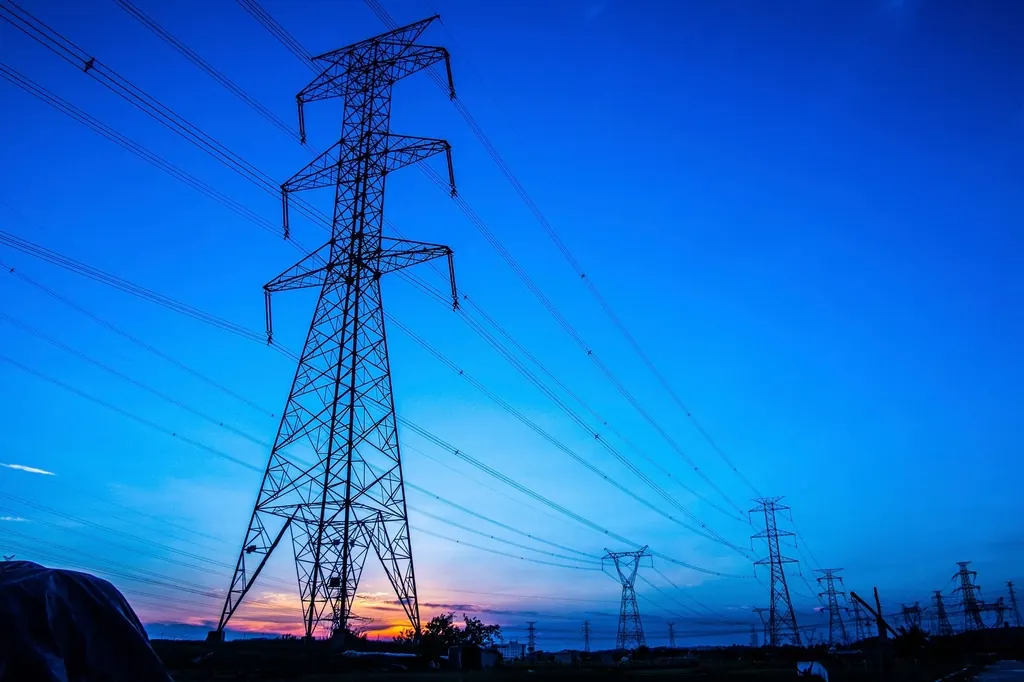
Technology explorer
Lines, cables, HVDC and substations — in depth.
Transmission · 01
Overhead Lines
Bulk power over long distances on towers and poles.
Single, double and multi-circuit lines with bundled conductors, lattice towers, monopoles and complete line hardware — from 11 kV to 765 kV and 1,000 / 1,100 kV UHV AC.
By voltage
- 11, 22, 33 kV
- 66 kV
- 110/115 kV
- 132/138 kV
- 154/161 kV
- 220/230 kV
- 275 kV
- 330/345 kV
- 380/400 kV
- 500/525 kV
- 735/750 kV
- 765 kV
- 1,000/1,100 kV UHV
By circuit
- Single, double, triple, quadruple circuit
- Multi-voltage towers
- Compact lines
- Shared corridors
- Reconductoring and uprating
By tower
- Lattice steel
- Monopole and tubular pole
- H-frame and portal
- Guyed and self-supporting
- Suspension, tension, dead-end
- Transposition
- River, rail and highway crossing
- Long-span and terminal
By terrain
- Plain and agricultural
- Forest
- Hilly and mountainous
- Desert and coastal
- Wetland and river crossing
- Urban corridors
- Snow, ice, seismic, landslide zones
Conductors
- ACSR, AAAC, AAC, ACAR, AACSR
- ACSS
- ACCC and ACCR
- HTLS
- Carbon-core and gap-type
- Thermal-resistant aluminium
- Twin to eight-bundle and UHV bundles
Insulation & accessories
- Porcelain, toughened glass, composite
- Long-rod, suspension and tension strings
- Earthwire, OPGW, ADSS
- Spacer and Stockbridge dampers
- Corona and grading rings
- Clamps, joints, repair sleeves
- Bird diverters, anti-climb, aviation markers
Transmission · 02
Underground Cables
Transmission where overhead lines cannot go.
HV and EHV cables in cities, industrial areas and constrained corridors — direct-buried, in ducts or in tunnels, with thermal management and condition monitoring.
Voltage families
- 11–33 kV
- 66–132 kV
- 145–220 kV
- 245–400 kV
- 500–525 kV
- HVDC cables
Construction
- XLPE and EPR
- Oil-filled
- Mass-impregnated
- Pipe-type
- Single- and three-core
- Copper and aluminium conductors
- Cross-bonded systems
Accessories
- Straight-through and transition joints
- Outdoor, GIS and transformer terminations
- Link boxes and sheath voltage limiters
- Earthing and bonding
- Cable cleats
Infrastructure & monitoring
- Ducts, trenches, tunnels
- Fire barriers
- Distributed temperature sensing
- Partial discharge monitoring
Transmission · 03
Submarine Transmission
Power across the sea.
Subsea AC and HVDC links connect offshore wind, islands and neighbouring grids — with specialist marine partners for laying, burial and protection.
Systems
- Offshore wind export cables
- Inter-array cables
- AC and HVDC export
- Subsea interconnectors
- Island connections
- Floating wind cable systems
Infrastructure
- Cable protection
- Burial and trenching
- Landfall and transition joints
- Offshore converter platforms
- Offshore GIS substations
Transmission · 04
HVDC Transmission
Long-distance, controllable DC power — a technology family of its own.
HVDC is not just a DC line: converter stations, valves and controls are its heart. DC voltage is stated pole-to-ground or pole-to-pole, and BARREL records which.
DC voltages
- ±100 to ±250 kV
- ±320 kV VSC cables
- ±350 to ±450 kV
- ±500 kV
- ±525 kV VSC
- ±600 to ±660 kV
- ±800 kV UHVDC
- ±1,000 / ±1,100 kV
Configurations
- Monopolar — earth or metallic return
- Bipolar — ground or metallic return
- Symmetrical monopole
- Back-to-back
- Point-to-point and multi-terminal
- Overhead, underground, submarine
Converters
- LCC — line commutated
- VSC — two- and three-level
- MMC — modular multilevel
- Hybrid LCC/VSC
- Multi-terminal and back-to-back
Converter station
- Converter transformers
- Thyristor and IGBT valves
- Valve cooling
- Smoothing reactors
- AC and DC harmonic filters
- DC switchyard and breakers
- Electrode lines
- Control and protection
FACTS & advanced
- STATCOM, SVC, TCSC, UPFC
- Series and shunt compensation
- Phase-shifting transformers
- Dynamic line rating
- Grid-forming power electronics
- Wide-area monitoring
Transmission · 05
EHV Substations
The switching, transformation and control centres of the grid.
Substations transform voltage, switch circuits, control power flow, isolate faults and compensate reactive power — from 11 kV to 765 kV and UHV.
Construction
- AIS — air insulated
- GIS — gas insulated
- Hybrid AIS/GIS
- Indoor
- Mobile and containerised
- Digital (process bus, merging units, IEDs)
Function
- Step-up and step-down
- Switching
- Grid and interconnecting
- Renewable pooling and evacuation
- Power plant switchyard
- Industrial and data centre
- Traction and metro
- HVDC converter and back-to-back
- STATCOM / SVC
Busbar schemes
- Single bus, sectionalised
- Main and transfer
- Double bus, double breaker
- One-and-a-half breaker
- Ring and mesh
- H-configuration
- GIS and hybrid arrangements
Engineering
- SLD and general arrangement
- Short-circuit and load flow
- Insulation coordination
- Earthing grid, step and touch
- CT/VT, breaker, transformer sizing
- Relay settings
- Arc flash and harmonics
Civil & fire
- Grading and drainage
- Transformer and gantry foundations
- Control and GIS buildings
- Cable trenches and tunnels
- Oil soak pits and fire walls
- Water spray, foam, gas suppression
Busbar arrangement is chosen for reliability, maintainability, fault level, flexibility, expansion and cost — not by voltage alone.
Transmission · 06
Equipment & Grid Systems
Primary equipment from the transformer to the last clamp.
One manufacturer may make 400 kV and 765 kV transformers, 220 kV breakers and 400 kV GIS — so BARREL records each business once and links it to every product and voltage.
Transformers & reactors
- Power, generator, auto and interconnecting
- Phase-shifting and converter
- Earthing and station service
- Shunt, series, bus and neutral reactors
- Capacitor banks and series compensation
Circuit breakers
- SF₆ and vacuum
- Air-blast, minimum- and bulk-oil
- Dead-tank and live-tank
- Generator breakers
- GIS and hybrid
- HVDC DC breakers
- High-speed grounding switches
Instrument transformers
- CT, VT, PT, CVT
- Combined CT/PT
- Optical and electronic
- Non-conventional and digital sensors
- Bushing and neutral CTs
Insulation & protection
- Surge arresters
- Post, support and bushing insulators
- SF₆ and alternative-gas enclosures
- GIS spacers and bus ducts
- Cable sealing ends
- Grading rings
Busbars
- Aluminium tubular and stranded
- Copper busbars
- Flexible and expansion connectors
- Isolated and non-segregated phase bus ducts
- GIS busbars
- Terminal connectors and clamps
Auxiliary systems
- AC auxiliary supply
- DC battery banks and chargers
- UPS and emergency generators
- Fire detection and oil containment
- HVAC and lighting
- Fibre networks and cybersecurity
- CCTV and access control
Transmission · 07
Protection & Automation
The intelligence that keeps the grid safe and visible.
Protection, control and communication designed together — station bus and process bus, teleprotection, time synchronisation and cybersecurity.
Protection
- Distance and line differential
- Transformer differential
- Busbar protection
- Breaker failure
- Overcurrent and earth fault
- Line and transformer panels
Automation
- Bay control units
- Substation automation systems
- SCADA, RTU, PLC
- IEDs
- IEC 61850 station and process bus
- Merging units
Measurement & records
- GPS time synchronisation
- Phasor measurement units
- Disturbance and event recorders
- Fault locators
- Revenue metering
- Energy management systems
Communication
- Fibre-optic networks
- Teleprotection
- Remote control centre integration
- Redundancy and failover
- Cybersecurity
Transmission · 08
Line Engineering & Design
Line design is an engineering discipline in its own right.
From load flow and route alignment to sag-tension and foundations — and the digital tools that model, survey and monitor the corridor.
System planning
- Load flow and evacuation studies
- Short-circuit
- Transient and voltage stability
- Reactive compensation
- N-1 and N-2 contingency
- Corridor, RoW and route alignment
- GIS mapping, ESIA, clearances
Electrical design
- Voltage and conductor selection
- Thermal rating and bundling
- Corona, RI and audible noise
- EMF studies
- Insulation coordination
- Lightning and switching surges
- Impedance, SIL and transposition
Mechanical & structural
- Tower spotting
- Sag-tension and creep
- Wind, ice, temperature, seismic loads
- Tower analysis
- Crossing design
- Erection and stringing methods
- Clearances and corridor width
Civil
- Open, pile, raft, rock foundations
- Micropiles and anchors
- Access roads and drainage
- Cable trenches and tunnels
- Soil stabilisation and erosion protection
Digital engineering
- PLS-CADD, PLS-TOWER, PLS-POLE
- LiDAR and drone surveys
- 3D terrain models
- Digital twins
- AI defect detection
- Satellite inspection
- Predictive analytics
Global voltage master
Nominal network voltage is not equipment voltage.
A 400 kV network uses 420 kV-class equipment. Dashed tiles are maximum equipment classes (IEC 60038); the rest are nominal voltages. What counts as transmission differs by country — verify against the grid code.
11 kV
MV / sub-transmissionDistribution and industrial networks
13.2–13.8 kV
MVRegional distribution, industrial and generation
15–22 kV
MVRegional, railway, distribution
25 kV
MVRailway traction
30–34.5 kV
MV / sub-transmissionDistribution, renewable evacuation
45–60 kV
HVRegional and industrial systems
66 / 69 kV
HVSub-transmission
72.5 kV
Equipment classFor 66/69 kV systems
88–100 kV
HVRegional systems
110 / 115 kV
HVTransmission and sub-transmission
123 kV
Equipment classFor 110/115 kV systems
132 / 138 kV
HVTransmission
145 kV
Equipment classFor 132/138 kV systems
150–161 kV
HVRegional and North American transmission
187–200 kV
HVJapan, special applications
220 / 230 kV
HV / EHVMajor transmission
245 kV
Equipment classFor 220/230 kV systems
275 kV
EHVUK, Japan and others
300–345 kV
EHVRegional, China, Russia, North America
362 kV
Equipment classFor 345 kV systems
380 / 400 kV
EHVEurope, India and many grids
420 kV
Equipment classFor 400 kV systems
500 / 525 kV
EHVMajor global bulk transmission
550 kV
Equipment classFor 500/525 kV systems
600–700 kV
EHV / specialSpecial high-capacity systems
735 / 750 kV
EHVCanada, China, Russia
765 kV
EHVIndia, North America and others
800 kV
Equipment classFor 765 kV systems
1,000 / 1,100 kV
UHV ACChina and advanced UHV
1,200 kV
UHV researchDevelopment and experimental
Country examples
Representative, not exhaustive national inventories.
- India
- 66, 110, 132, 220, 400, 765 kV; 1,200 kV experimental
- USA
- 69, 115, 138, 161, 230, 345, 500, 765 kV
- Canada
- 69, 115, 138, 230, 315, 500, 735 kV
- China
- 110, 220, 330, 500, 750, 1,000 kV
- Japan
- 66, 77, 110, 132, 154, 187, 220, 275, 500 kV
- UK
- 132, 275, 400 kV
- Germany
- 110, 220, 380 kV
- France
- 63, 90, 225, 400 kV
- Russia
- 110, 220, 330, 500, 750 kV
- Brazil
- 69, 138, 230, 345, 440, 500, 750 kV
- South Africa
- 66, 132, 275, 400, 765 kV
- Australia
- 66, 110, 132, 220, 275, 330, 500 kV
- Gulf
- 110, 132, 220, 230, 380, 400 kV
- South Korea
- 154, 345, 765 kV
Read the numbers right
Voltage is not capacity.
A 400 kV line has no single MW rating. Transfer capability depends on conductor and bundle, circuits, thermal rating, stability limits, reactive power, length, ambient conditions and the network. Likewise, a 765/400 kV substation is a voltage ratio — its MVA depends on the transformers actually installed.
Three-phase power
S = √3 × VLL × I
P = √3 × VLL × I × PF
These give the power for a given voltage, current and power factor — not the safe or stable transfer capacity of a real line.
Technology comparison
Which transmission technology does what.
| Technology | Main purpose | Typical application |
|---|---|---|
| Overhead AC line | Bulk power transfer | Regional and national grids |
| Underground AC cable | Constrained corridors | Cities, industrial areas |
| Submarine AC cable | Short-to-medium subsea links | Offshore wind, islands |
| HVDC overhead line | Long-distance bulk transfer | Inter-regional transfer |
| HVDC cable | DC transfer, underground or subsea | Interconnectors, offshore wind |
| AIS substation | Switching and transformation | Open-land sites |
| GIS substation | Compact switching | Urban and constrained sites |
| Hybrid substation | Mixed AIS/GIS | Space and cost optimisation |
| Digital substation | Digital control and protection | New and upgraded stations |
| HVDC converter station | AC/DC conversion | HVDC terminals |
| STATCOM / SVC | Dynamic reactive support | Voltage and stability control |
For browsing — not a substitute for project-specific design.
Manufacturing ecosystem
Every product family, its own supply chain.
Transmission lines
- Conductors
- ACSR, AAAC, AAC, ACAR, HTLS, ACCC, ACCR
- Aluminium processing
- Rod, wire, alloy, stranded conductor
- Steel processing
- Galvanised wire, structural steel, tower sections
- Towers
- Lattice towers, monopoles, tubular poles, gantries
- Insulators
- Porcelain, glass, polymer, composite
- Line hardware
- Clamps, connectors, dampers, spacers, fittings
- Fibre optics
- OPGW, ADSS, optical fibre
- Cables & accessories
- HV, EHV, XLPE, submarine, HVDC; joints and terminations
- Foundation & earthing
- Concrete, rebar, anchor bolts; earth rods, counterpoise
- Monitoring & survey
- Sag monitors, fault indicators, LiDAR, drones
EHV substations
- Transformers & reactors
- Power and autotransformers; shunt, series, neutral reactors
- Circuit breakers
- SF₆, vacuum, alternative-gas, HVDC DC
- GIS & AIS
- GIS bays and bus ducts; isolators, disconnectors, earth switches
- Instrument transformers
- CT, PT, CVT, optical CT/VT
- Arresters & insulators
- Surge arresters, grading rings, post insulators
- Busbars & capacitors
- Tubular and flexible busbars; shunt, series, coupling capacitors
- Protection & automation
- Relays, IEDs, bay controllers, RTU, SAS, SCADA
- Panels & structures
- Relay and control panels, marshalling kiosks, gantries
- Batteries & fire
- Station batteries, chargers, UPS; detection, suppression, oil containment
- Test equipment
- HV test sets, relay test kits, diagnostics
Conductors
- Electrical-grade aluminium and alloys
- Copper
- Steel and zinc
- Carbon fibre and composite cores
Structures
- Carbon, high-tensile and galvanised steel
- Weathering and stainless steel
- Rebar, cement, aggregates
- Corrosion coatings
Insulation
- Porcelain and toughened glass
- Silicone rubber and EPDM
- XLPE and EPR
- Epoxy and fibreglass
- Pressboard and insulation paper
- Mineral and ester oils
Gases & chemicals
- SF₆ and alternative gas mixtures
- Nitrogen
- Transformer and ester fluids
- Silica gel and desiccants
- Jointing compounds
- Fire suppression agents
BARREL manufactures through OEM partners — T&D equipment.
Testing & commissioning
Proven before it is energised.
- Power transformer
- Ratio, winding resistance, vector group, insulation, tan delta, SFRA, oil
- Circuit breaker
- Timing, contact resistance, travel, insulation, operation
- CT
- Ratio, polarity, excitation, burden, insulation
- VT / CVT
- Ratio, polarity, accuracy, insulation
- Surge arrester
- Leakage current, reference voltage, condition
- Isolator
- Contact resistance, mechanical operation, alignment
- GIS
- Gas quality, leakage, partial discharge, contact resistance
- Cable
- Withstand, VLF, tan delta, partial discharge, sheath
- Battery
- Capacity, discharge, impedance, charger
- Protection relay
- Secondary injection, trip circuits, logic, end-to-end
- Earthing
- Earth resistance, continuity, step and touch
- Line
- Sag-tension, clearances, tower earthing, OPGW OTDR, phasing, thermography
Commissioning sequence
- 01Pre-commissioning inspection
- 02Mechanical and electrical completion
- 03Interlocking and protection verification
- 04SCADA, communication and metering checks
- 05Transformer and busbar energisation
- 06Line charging
- 07Grid synchronisation and load transfer
- 08Reliability run and handover
O&M covers patrols, thermography and drone inspection, vegetation and RoW, oil testing, breaker and GIS maintenance, relay testing, condition monitoring — and modernisation: AIS-to-GIS, digital substations, reconductoring and dynamic line rating.
Project value chain
Twelve stages, from grid plan to recovered metal.
- 01
Grid planning
Load forecast, power flow, evacuation, network plan
- 02
Feasibility & route
Corridor, land, environmental and social
- 03
Detailed engineering
Electrical, structural, civil, protection, communication
- 04
Approvals
Land, forest, environment, aviation, rail, road
- 05
Tender & procurement
Specifications, BOQ, vendor qualification
- 06
Manufacturing & QC
Towers, conductors, transformers, GIS, relays
- 07
Civil construction
Foundations, roads, buildings, trenches
- 08
Erection & installation
Towers, stringing, equipment, busbars, cables
- 09
Testing & commissioning
FAT, SAT, protection, automation, energisation
- 10
Operation & maintenance
Inspection, fault response, asset management
- 11
Modernisation
Uprating, augmentation, digital upgrades
- 12
Decommissioning
Metal recovery, oil treatment, restoration
Delivery and commercial models
- EPC
- Turnkey
- Design and build
- Supply and installation
- BOOT
- BOT
- PPP
- Framework and rate contracts
- Owner's engineer
- PMC
- Independent engineer
- O&M and asset management contracts
Separate BOQ for every package
- 1 Line supply
- 2 Line erection
- 3 Tower foundations and civil
- 4 Stringing and accessories
- 5 Underground cable supply
- 6 Cable laying and jointing
- 7 Substation primary equipment
- 8 Substation secondary equipment
- 9 Control, protection and automation
- 10 Civil and structural
- 11 Fire protection and auxiliaries
- 12 Testing and commissioning
- 13 Operation and maintenance
Standards library
Built to recognised standards.
- IEC 60038 · Standard voltages
- IEC 60071 · Insulation coordination
- IEC 60076 · Power transformers
- IEC 62271 · HV switchgear and controlgear
- IEC 61850 · Utility automation communication
- IEC 60255 · Measuring relays and protection
- IEC 60840 / 62067 · Extruded HV / EHV cables
- IEC 60826 · Overhead line design criteria
- IEC 61284 / 60383 · Line fittings / insulators
- IEC 60099 · Surge arresters
- IEC 60270 · Partial discharge
- IEC 61936-1 · Installations above 1 kV AC
- IEC 62305 · Lightning protection
- IEC 60909 · Short-circuit currents
- IEEE 80 · Substation grounding safety
- IEEE 738 · Conductor current-temperature
- IEEE 519 · Harmonic control
- IEEE C37 · Switchgear and breakers
Bodies: IEC · IEEE · CIGRE · CEA India · BIS · ANSI · ASTM · ASME · ISO · EN / CENELEC · NFPA · NEMA · UL · CSA · AS/NZS. Exact editions, amendments and national adoption are recorded per project.
Research & future transmission
What comes next.
- 1,000 / 1,100 kV UHV AC
- ±800 kV and higher UHVDC
- Multi-terminal HVDC grids
- HVDC circuit breakers
- Hybrid AC/DC networks
- Superconducting cables
- HTLS and composite-core conductors
- Dynamic line rating
- Compact narrow-base towers
- EHV cable tunnels
- Floating offshore wind transmission
- Digital substations
- Optical CT / VT sensing
- SF₆-free switchgear
- AI grid monitoring
- Autonomous drone inspection
- Digital twins
- Wide-area monitoring
- Grid-enhancing technologies
- Grid-forming power electronics
Reference sources
The voltage lists and classifications on this page are a starting taxonomy. Before design or procurement, each voltage is validated against the applicable grid code, IEC/IEEE or national standard and the utility's technical specification.
Transmission enquiry
Building a line, a substation or an evacuation scheme?
Share the voltage, route length or substation configuration and where the project stands. BARREL replies with the scope it can take on and the next step.
Planning a power project? Let's build it on BARREL.
Every power project has its own technical requirements, commercial objectives, regulatory dependencies and implementation challenges. Tell us what you are planning, where you are in the project lifecycle and what support you need.
BARREL — Bharat Atom Renewable Resources Energy Limited · Rooted in Bharat. Global by Vision.