
BARREL.ENERGY · Solutions · Conventional Generation
Reliable power. Stronger grids. Sustainable energy security.
Firm, dispatchable generation — developed, engineered and integrated for long-term reliability. Thermal, gas and nuclear infrastructure from concept and feasibility to approvals, procurement, construction, commissioning and asset management.
Technology-specific expertise, responsible development, qualified execution partners and disciplined project controls.
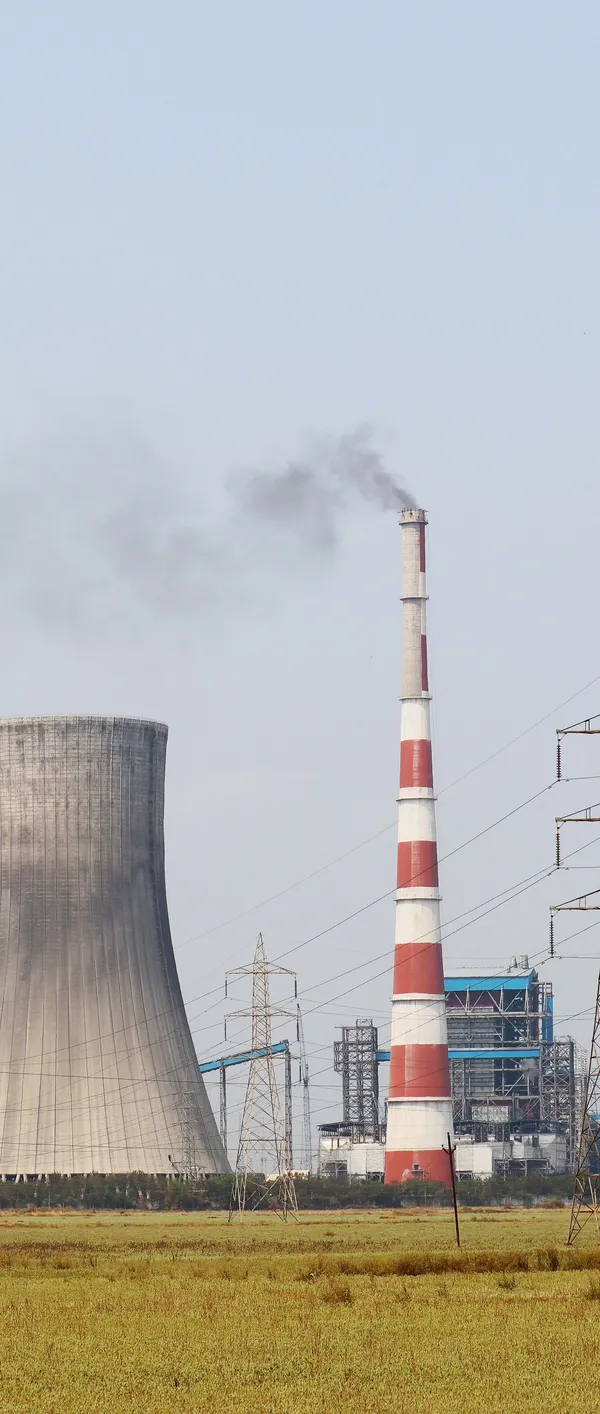
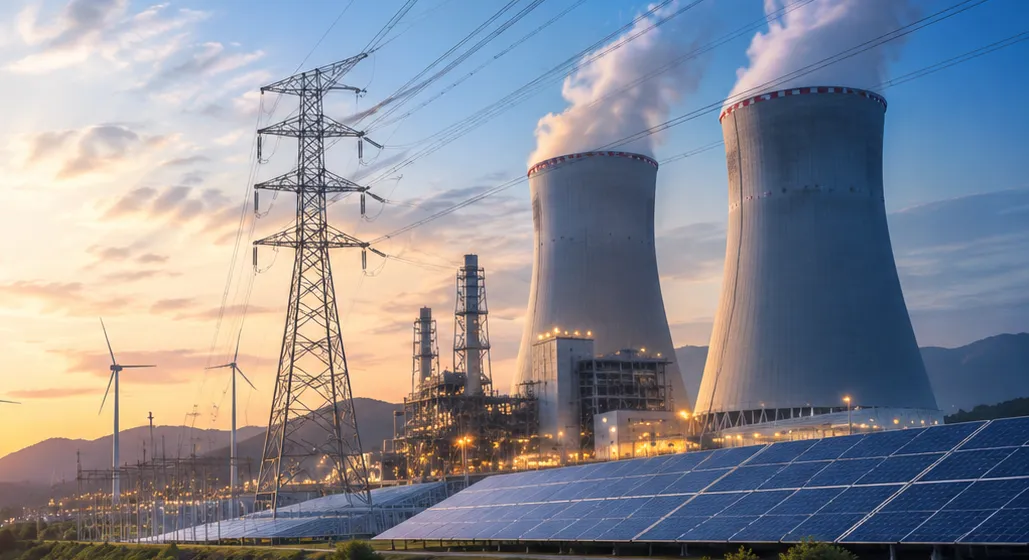
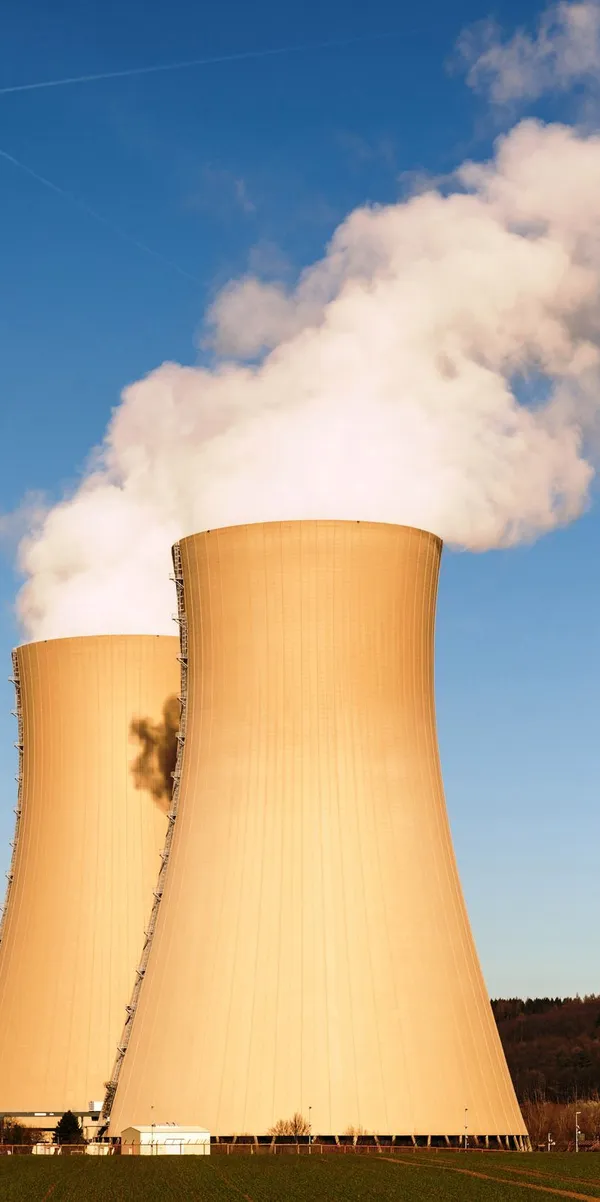
Three technologies
Thermal · Gas-based · Nuclear
Conventional Generation · 01
Thermal Power
Coal-based power generation and thermal infrastructure.
Thermal plants turn fuel into heat, steam and rotation. A modern station adds fuel handling, water treatment, cooling, emission control and electrical infrastructure around its boiler, turbine and generator.
BARREL supports development and execution planning for supercritical and ultra-supercritical plants, modernisation, balance-of-plant packages and the associated electrical infrastructure.
Project development
- Greenfield identification
- Brownfield expansion
- Modernisation and rehabilitation
- Supercritical / USC assessment
- Fuel availability and logistics
- Site, land and water
- Environmental and social
- Grid connectivity and evacuation
- Cost and financial model
- EPC package strategy
Boiler & steam generation
- Pulverised coal boilers
- Supercritical and USC configurations
- Furnace and water walls
- Economisers, superheaters, reheaters
- Air preheaters
- Feedwater systems
- Soot-blowing
- Burner management
Steam turbine
- HP, IP and LP sections
- Condensing and extraction
- Governing and control
- Admission and bypass
- Condensers and vacuum
- Lube and sealing
- Protection and monitoring
Generator & electrical
- Turbo generators
- Excitation
- Protection and synchronisation
- Generator transformers
- Isolated-phase bus ducts
- Switchyard and grid interface
Coal handling plant
- Wagon tipplers and unloading
- Conveyors and transfer towers
- Crushers and screens
- Stacker-reclaimers
- Coal yards and bunkers
- Dust suppression and fire protection
Ash handling & utilisation
- Bottom and fly ash
- Ash silos
- Dry ash loading
- Slurry disposal where applicable
- Fly ash utilisation and circular economy
Water & cooling
- Raw-water intake
- Treatment and DM plant
- Cooling towers and CW circuits
- Condensate polishing
- Wastewater and effluent recycling
- Water conservation
Electrical & I&C
- Unit and station transformers
- MV/LV distribution
- Emergency power, DC, UPS
- Motors and drives
- DCS
- Protection and interlocks
- Fire and gas monitoring
- Performance monitoring
Emission control
- ESP
- FGD
- SCR and SNCR where required
- Low-NOx combustion
- CEMS and stack monitoring
- Wastewater discharge
- Environmental reporting
Modernisation
- Boiler renovation
- Turbine efficiency
- Generator refurbishment
- Condenser upgrades
- Coal and ash handling upgrades
- ESP and FGD upgrades
- DCS replacement
- Heat-rate and APC reduction
Conventional Generation · 02
Gas-Based Power
Flexible generation, fast response, integrated energy systems.
Gas turbines generate electricity directly; in combined cycle the hot exhaust raises steam for a second turbine. Gas plants serve peaking, flexible operation, captive power and combined heat and power.
Technology choice follows capacity, operating profile, fuel quality, ambient conditions, emissions, efficiency targets and OEM recommendations.
Open cycle (OCGT)
- Fast start-up
- Peaking and balancing
- Compact layout
- Emergency and standby
- Industrial fuel-gas integration
Combined cycle (CCGT)
- Gas turbine generator
- Air intake and filtration
- Fuel gas conditioning
- Exhaust system
- HRSG
- Steam turbine generator
- Condenser and cooling
- Feedwater and condensate
Cogeneration / CHP
- Industrial manufacturing
- Chemicals and refineries
- Fertiliser plants
- Pharmaceuticals
- Food and beverage
- Paper and pulp
- Process steam and district heat
Gas turbine package
- Utility and industrial GTs
- Compressor and auxiliaries
- Exhaust and silencers
- Lube and hydraulics
- Starting systems
- Excitation and protection
- Turbine control
- Fire protection interfaces
Fuel gas infrastructure
- Pipeline connectivity
- Receiving and metering
- Pressure regulation
- Filtration and heating
- Compressor stations
- Gas detection and ESD
- LNG regasification interfaces
- Fuel supply agreements
HRSG & steam cycle
- HRSG configuration
- Superheater, reheater, economiser
- Steam turbine
- Condenser and cooling water
- Deaerators and feed pumps
- Steam bypass
- Heat balance studies
Electrical & grid
- Generator and auxiliary transformers
- Switchgear and EHV switchyard
- Protection and metering
- Synchronisation
- SCADA and DCS
- Load-following and dispatch
- Grid-code studies
Efficiency & future fuels
- Combustion efficiency
- NOx control
- Heat-rate optimisation
- Waste heat recovery
- Water use
- Fuel flexibility
- Hydrogen blending feasibility, where permitted
Hydrogen blending or alternative fuels are never assumed compatible with existing turbines or pipelines — they need OEM approval, a detailed technical and safety assessment and the applicable clearances.
Conventional Generation · 03
Nuclear Energy
Advanced nuclear infrastructure for long-term energy security.
Nuclear can provide large-scale, low-carbon electricity at high capacity factors — under rigorous safety engineering, regulatory oversight, quality assurance and long-term asset management.
BARREL's focus is responsible project-development support, infrastructure coordination, conventional balance of plant, engineering documentation, procurement for eligible packages and qualified-partner coordination.
Project development support
- Opportunity assessment
- Technology and configuration studies
- Site-screening coordination
- Exclusion-zone mapping support
- Infrastructure and logistics
- Water and cooling
- Grid connectivity
- Cost and schedule models
- Regulatory documentation
- Qualified technology partners
Conventional island
- Steam turbine generator
- Main and auxiliary steam
- Condenser and cooling
- Feedwater and condensate
- Turbine auxiliaries
- Generator protection and excitation
- Switchyard and grid
Balance of plant
- Water treatment and supply
- Cooling-water infrastructure
- Auxiliary power
- HVAC and fire-protection interfaces
- Non-safety-classified I&C
- Roads, buildings, warehousing
- Wastewater and environment
Small Modular Reactors
- Programme feasibility
- OEM engagement
- Site screening
- BoP and grid interface
- Modular installation logistics
- Configuration management
- Permitted-package procurement
- Industrial clusters and regional grids
QA & documentation
- QA programme documents
- Document and revision control
- Supplier qualification records
- Material traceability
- ITPs and NCRs
- CAPA tracking
- Change control
- Quality and commissioning dossiers
- Regulatory submission tracking
Safety, security & compliance
- Nuclear safety
- Radiation protection
- Safeguards
- Physical protection
- Emergency preparedness
- Radioactive waste
- Decommissioning planning
Reactor design, nuclear fuel, safety-critical systems and licensed operation remain with competent, authorised organisations. In India nuclear activities fall under the national legal framework and the competent authorities, including AERB. BARREL does not represent itself as a reactor designer, fuel supplier, operator or licensed facility, and every package follows its nuclear safety classification.
Our responsibility statement
Nuclear and large thermal projects need specialist qualifications, statutory permissions and safety regimes. BARREL distinguishes its coordination and project-support role from work that must be performed by authorised owners, designers, contractors and operators. Every proposal states which scope BARREL delivers directly, which it coordinates, and which a qualified partner executes.
Integrated services
One project ecosystem. Three technologies. Connected delivery.
- 01Development & feasibility
- Technology and capacity
- Land, fuel and water
- Grid connectivity
- Cost estimate
- DPR coordination
- 02Engineering & consultancy
- Design basis
- Basic and detailed engineering
- Mechanical, electrical, civil, I&C
- BoP and evacuation
- Specifications and data sheets
- 03Approvals & liaison
- Land and environment
- Water allocation
- Fuel and pipeline
- Grid connectivity
- Submission tracking
- 04EPC & turnkey
- Civil and structural
- Mechanical and electrical
- BoP packages
- Switchyard
- Erection and commissioning
- 05Procurement & sourcing
- Vendor identification
- Technical evaluation
- Purchase coordination
- Inspection
- Logistics
- 06Finance & commercial
- CAPEX planning
- Financial model
- Debt and equity
- Fuel-cost sensitivity
- PPA and offtake
- 07QA/QC & supervision
- Quality plans and ITPs
- Vendor inspection
- Site quality
- Welding records
- Handover dossiers
- 08O&M support
- Preventive and predictive
- Asset registers
- Spares
- Outage planning
- Performance monitoring
Project lifecycle
From opportunity to handover, in nine stages.
- 01
Concept & opportunity
Requirement, technology, capacity, location, commercial case
- 02
Pre-feasibility & feasibility
Fuel, land, water, environment, grid, economics
- 03
Land, fuel & approvals
Land, fuel arrangements, water, statutory documents
- 04
Basic engineering
Design basis, PFDs, layouts, SLDs, equipment lists
- 05
Detailed engineering
Calculations, drawings, specifications, BOQs, interfaces
- 06
Procurement
RFQs, qualified vendors, evaluation, orders, inspection
- 07
Construction
Civil, structural, mechanical, electrical, I&C
- 08
Erection & testing
Erection, pre-commissioning, mechanical completion
- 09
Commissioning & handover
Synchronisation, performance tests, O&M readiness
Procurement & equipment sourcing
Vendors found, evaluated, inspected and delivered.
Thermal
- Boilers and auxiliaries
- Steam turbines and generators
- Coal handling
- Ash handling
- ESP, FGD, emission control
- Cooling towers and water treatment
- Pumps, motors, electricals
Gas
- Gas turbines and generators
- HRSG packages
- Steam turbines
- Gas conditioning and metering
- Compressors and pumps
- Cooling and water treatment
- Control and protection
Nuclear — eligible packages
- Conventional island equipment
- Non-safety-classified BoP
- Electrical and grid
- Water and cooling
- Eligible civil and mechanical
- Documentation and traceability
Nuclear procurement follows qualification, classification, licensing and safeguards requirements. Equipment is sourced through OEM partners — generation equipment.
BARREL OS
Every project, package and stage — one connected system.
The public site explains the solutions; BARREL OS, being developed, organises how the work is controlled and delivered. For nuclear projects, access, information classification and cybersecurity are designed per project — BARREL OS is never a substitute for licensed safety or plant protection systems.
Explore BARREL OSProject & portfolio
Registration, schedules, WBS, dashboards
Engineering & design
Design basis, drawings, revisions, approvals
Land, GIS & infrastructure
Parcels, boundaries, fuel, water, grid maps
Regulatory & approvals
Registers, submissions, validity, inspections
Equipment, BOQ & BOM
Equipment libraries, specifications, costing
Procurement & vendors
RFQs, TBE/CBE, orders, dispatch
Construction & site
DPRs, manpower, permits, quality
Testing & commissioning
Checklists, protocols, punch lists, certificates
Finance & commercial
Budgets, commitments, billing, cash flow
Asset management
Registers, maintenance, spares, reliability
BARREL AI
Data extraction, BOQ help, schedule and risk analysis
Who we serve
Built for every power-sector participant.
Developers & IPPs
New projects, expansion, acquisition and modernisation.
Government & PSUs
Capacity programmes, consultancy and eligible packages.
Power utilities
Generation assets, system improvement, asset management.
Industrial groups
Captive power, cogeneration, steam and reliability.
Infrastructure & EPC
Package coordination, engineering and procurement support.
Investors & lenders
Technical evaluation, cost and risk, implementation monitoring.
OEMs & technology providers
Vendor registration, partnerships and project supply.
Why BARREL — beyond individual equipment, beyond individual technologies
Integrated power-sector view
Generation connected to fuel, water, storage, transmission, distribution and markets.
Multi-technology understanding
Thermal, gas, nuclear, renewables and storage weighed in one energy-system view.
Technical + commercial
Engineering, procurement, cost, finance and execution in defined workflows.
Lifecycle-oriented
Reliability, maintenance, efficiency and modernisation, not only construction.
Digital project management
BARREL OS connects documents, procurement, site, finance and assets.
Qualified execution ecosystem
OEMs, engineers, EPC contractors and specialists matched to each project.
Transparent responsibility
Direct delivery, coordination and partner execution named in every proposal.
Partner with BARREL
Building the next generation of power infrastructure.
- Submit a power projectCapacity, location and development needs.
- Become an equipment supplierRegister capabilities for generation packages.
- Become an EPC or technical partnerProject-specific collaboration.
- Explore investmentDevelopment and financing, subject to due diligence.
- Technology partnershipTechnology evaluation and OEM collaboration.
Frequently asked questions
What clients ask first.
Technology knowledge:
What is conventional power generation?
Established technologies such as coal-based thermal, gas-based and nuclear power, each using its own energy source and plant configuration.
Does BARREL work across thermal, gas and nuclear?
Yes. The exact scope of each engagement depends on the technology, project requirements, statutory framework, qualifications and execution partners.
Does BARREL provide turnkey thermal power plants?
BARREL supports defined development, engineering, procurement, infrastructure and EPC packages, subject to the agreed scope, qualifications and execution arrangements.
Does BARREL support gas-based power plants?
Open-cycle, combined-cycle and cogeneration facilities — gas turbines, HRSG, fuel infrastructure, electrical systems and grid integration.
Does BARREL work on nuclear projects?
On eligible development support, conventional island and BoP infrastructure, documentation, procurement coordination and other permitted packages. Safety-critical work and licensed operations stay with authorised organisations.
Can BARREL modernise an existing plant?
Equipment upgrades, BoP improvements, electrical and control modernisation, efficiency studies, emission-control packages and maintenance planning, after a plant-specific assessment.
Can BARREL assist with project finance?
Cost assessment, financial modelling, commercial structuring and lender coordination. Funding remains subject to independent lender and investor evaluation.
Does BARREL OS manage conventional power projects?
BARREL OS is being developed as the digital environment for power projects — management, engineering, land, approvals, procurement, construction, finance, testing and assets.
Planning a conventional power project?
Let's build reliable power infrastructure together.
A thermal station, a gas-based facility, an eligible nuclear infrastructure programme, a plant to modernise or a technical and execution partner — tell us your requirement.
Planning a power project? Let's build it on BARREL.
Every power project has its own technical requirements, commercial objectives, regulatory dependencies and implementation challenges. Tell us what you are planning, where you are in the project lifecycle and what support you need.
BARREL — Bharat Atom Renewable Resources Energy Limited · Rooted in Bharat. Global by Vision.