
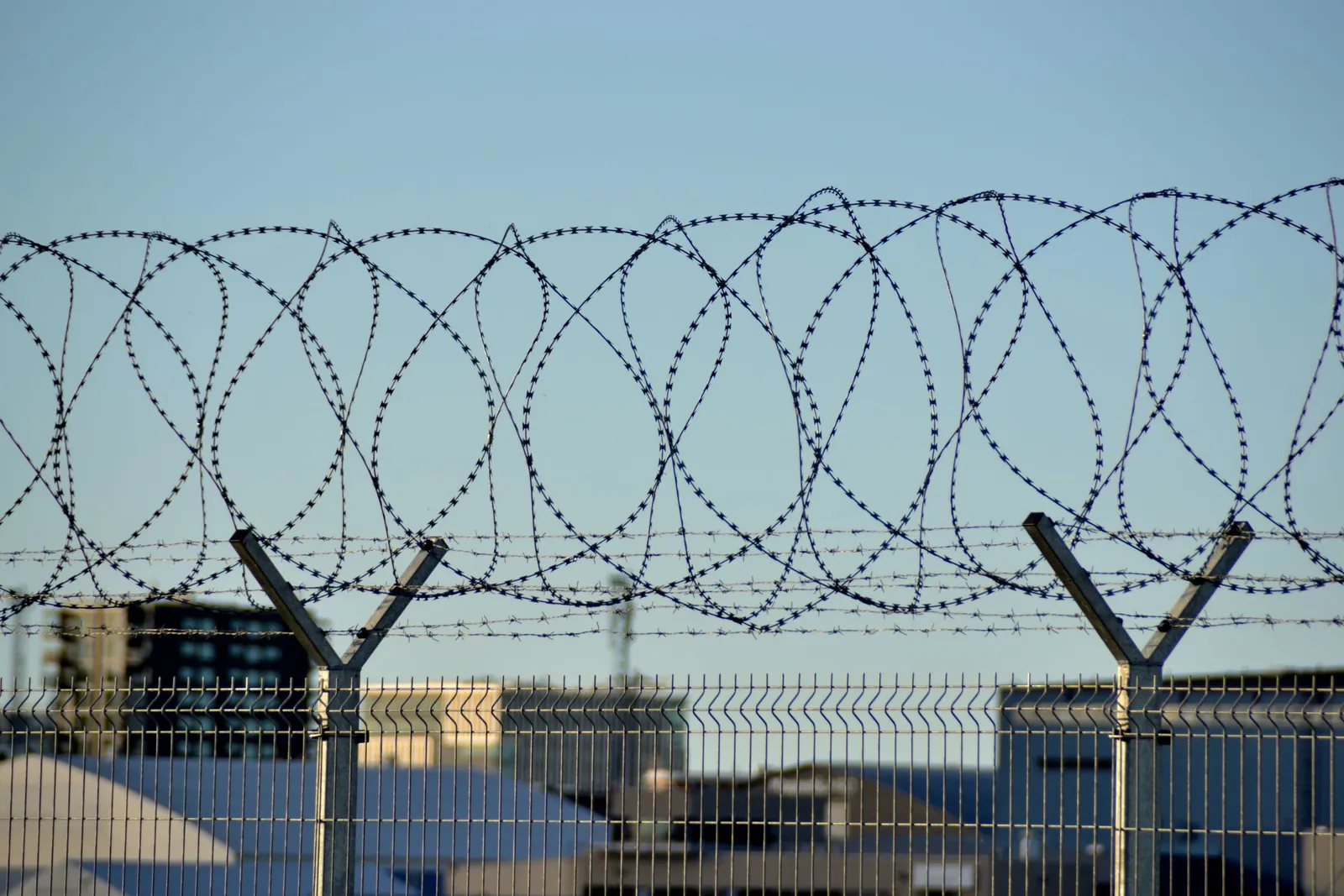
Protect critical power infrastructure, people and project assets.
Security designed around the needs of power infrastructure.
BARREL's power-sector security offering is intended to support the protection of operating plants, project sites, equipment, materials, personnel and critical infrastructure through structured security planning, access control, surveillance coordination and incident-response procedures.
A secure project site supports safer operations, stronger asset protection and better continuity of work.
- Risk assessment
- Plants
- Sites
About our security services
Power infrastructure operates across large, distributed and often remote locations. Solar parks may cover extensive land areas. Wind farms may involve multiple turbine locations and access roads. Transmission infrastructure can span long corridors. Substations contain high-value electrical equipment. Construction sites may hold valuable materials, tools, machinery and equipment awaiting installation.
These environments require security arrangements suited to their specific operating conditions. A security programme must consider site layout, access routes, asset value, personnel movement, operating schedules, local conditions, emergency procedures and applicable legal requirements.
BARREL's security service is designed around the practical needs of power-sector facilities and project sites, delivered through the group's associated security channel, MSP Energy Infra.
Facilities and sites we serve
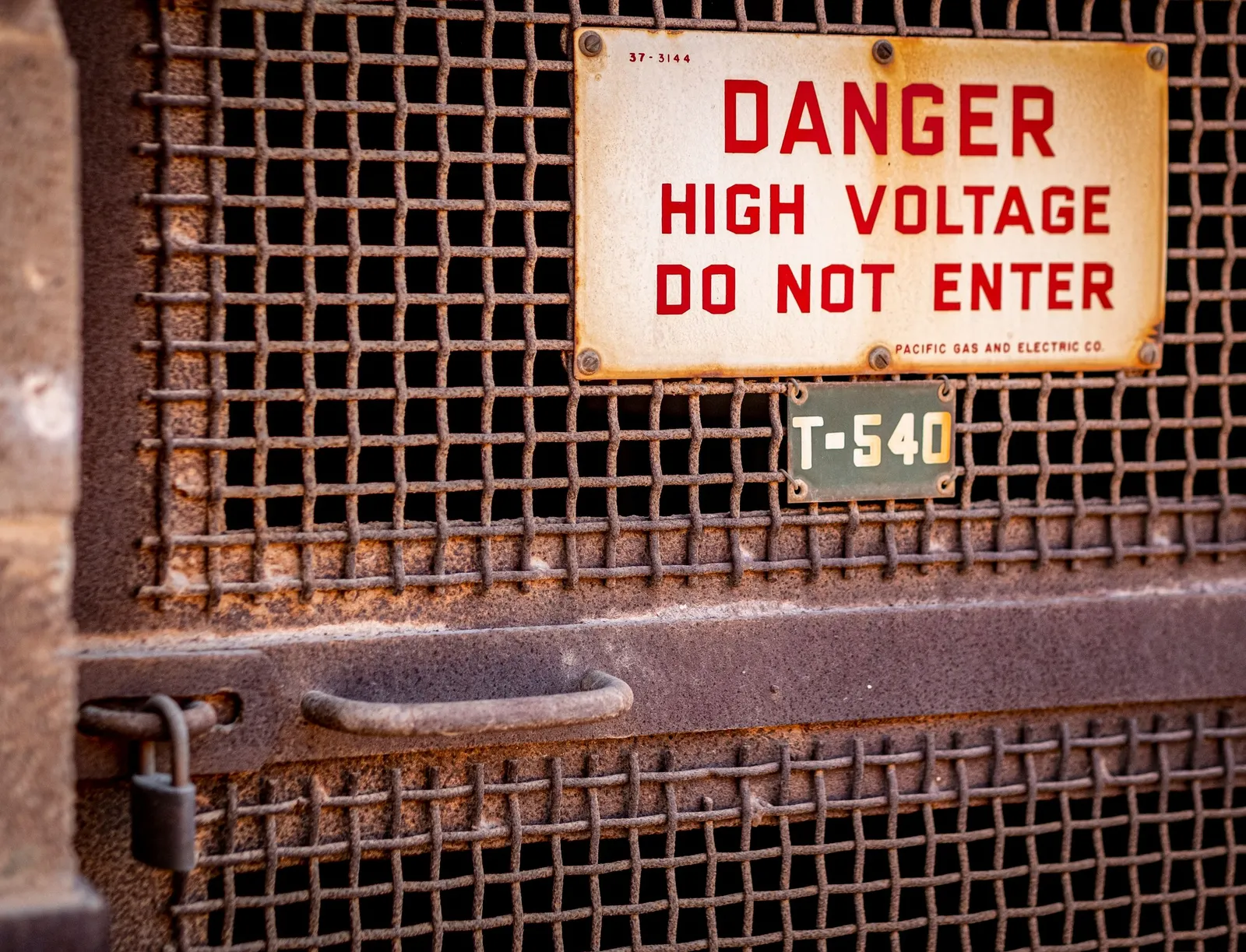
Renewable energy facilities
- Utility-scale solar parks
- Rooftop and industrial solar facilities
- Wind farms and associated facilities
- Battery storage installations
- Renewable energy pooling stations
- Hybrid power projects
- Remote renewable-energy infrastructure
Conventional and industrial power facilities
- Power generation facilities
- Captive power plants
- Industrial electrical installations
- Auxiliary power facilities
- Fuel and equipment storage areas, subject to specialist arrangements
Electrical grid infrastructure
- Electrical substations
- Switchyards
- Transformer yards
- Transmission infrastructure
- Distribution infrastructure
- Control rooms and operational buildings
- Electrical equipment storage facilities
Project construction sites
- EPC project sites
- Equipment-storage yards
- Construction camps and site offices
- Material warehouses
- Equipment staging areas
- Contractor access points
- Temporary project facilities
- Land and infrastructure under development
Security requirements differ significantly between a construction site and an operating facility. Each engagement begins with a site-specific assessment.
Security risk assessment
An effective security programme begins with identifying the assets, threats, vulnerabilities and consequences relevant to a particular location. The assessment may consider:
- Site boundaries and entry points
- Access-road conditions
- Existing perimeter protection
- Asset and equipment criticality
- Material-storage arrangements
- Visitor and contractor movement
- Shift patterns and working hours
- Lighting and visibility
- Communications coverage
- Existing surveillance systems
- Emergency access
- Incident history provided by the client
- Local operating conditions
- Applicable legal and contractual requirements
The resulting security plan prioritises practical controls according to risk rather than applying the same model to every facility.
Physical security and access control
Depending on the contracted scope and applicable licensing requirements, physical-security services may include:
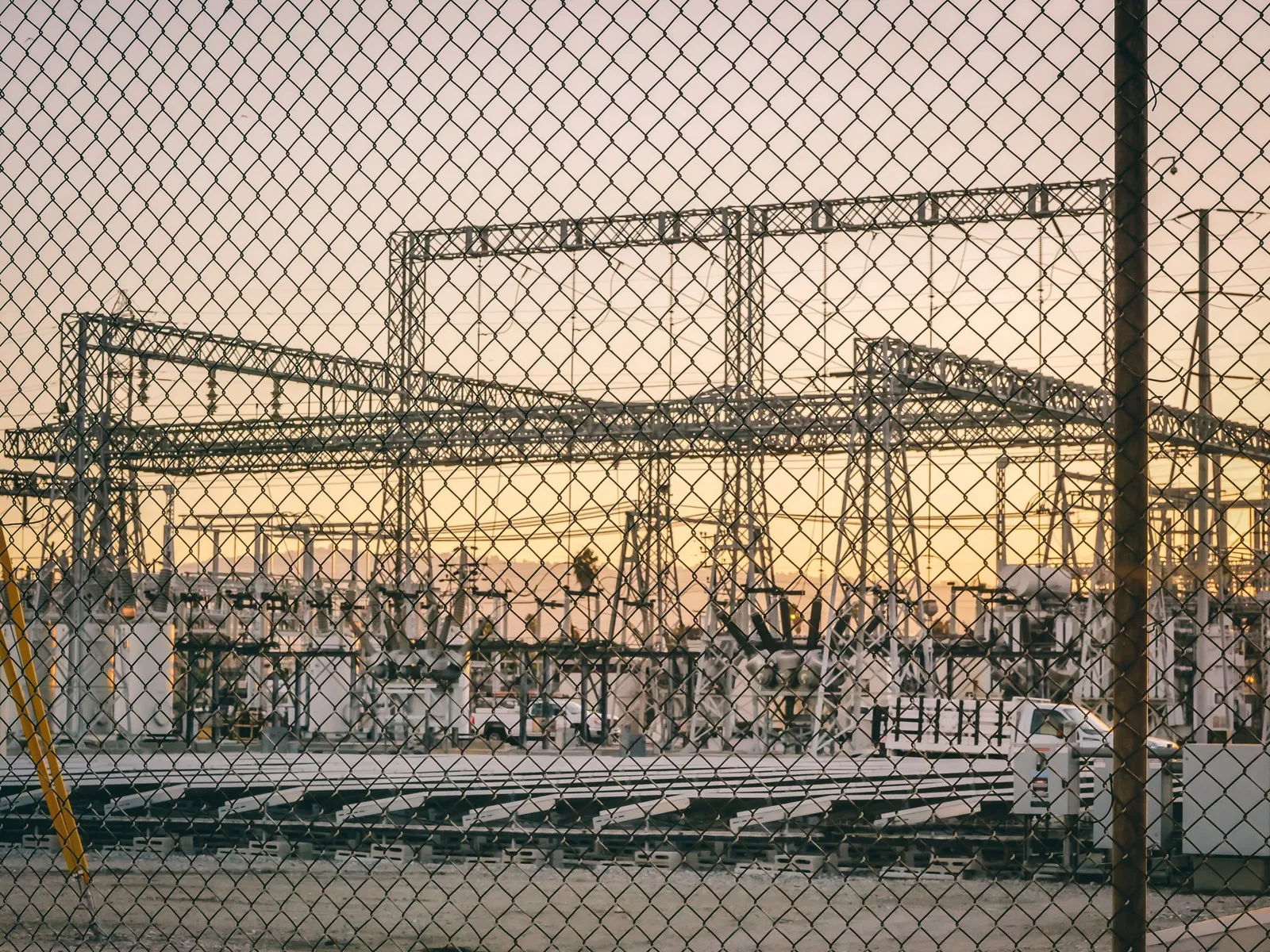
- Security personnel deployment
- Gate and entry-point management
- Identity and authorisation checks
- Visitor registration
- Contractor-entry coordination
- Vehicle-entry records
- Material movement records
- Patrols of authorised areas
- Perimeter observation
- Control-room and reception security
- Shift handover procedures
- Incident escalation
- Emergency access coordination
- Security logbooks and reporting
Personnel receive appropriate training and follow the client's operating procedures, applicable law and defined use-of-authority requirements.
Construction-site and operating-plant security
Construction sites have changing security needs as equipment arrives, work areas expand and contractors move between locations. An operating power plant needs security that supports continuous operations without interfering with authorised technical work.
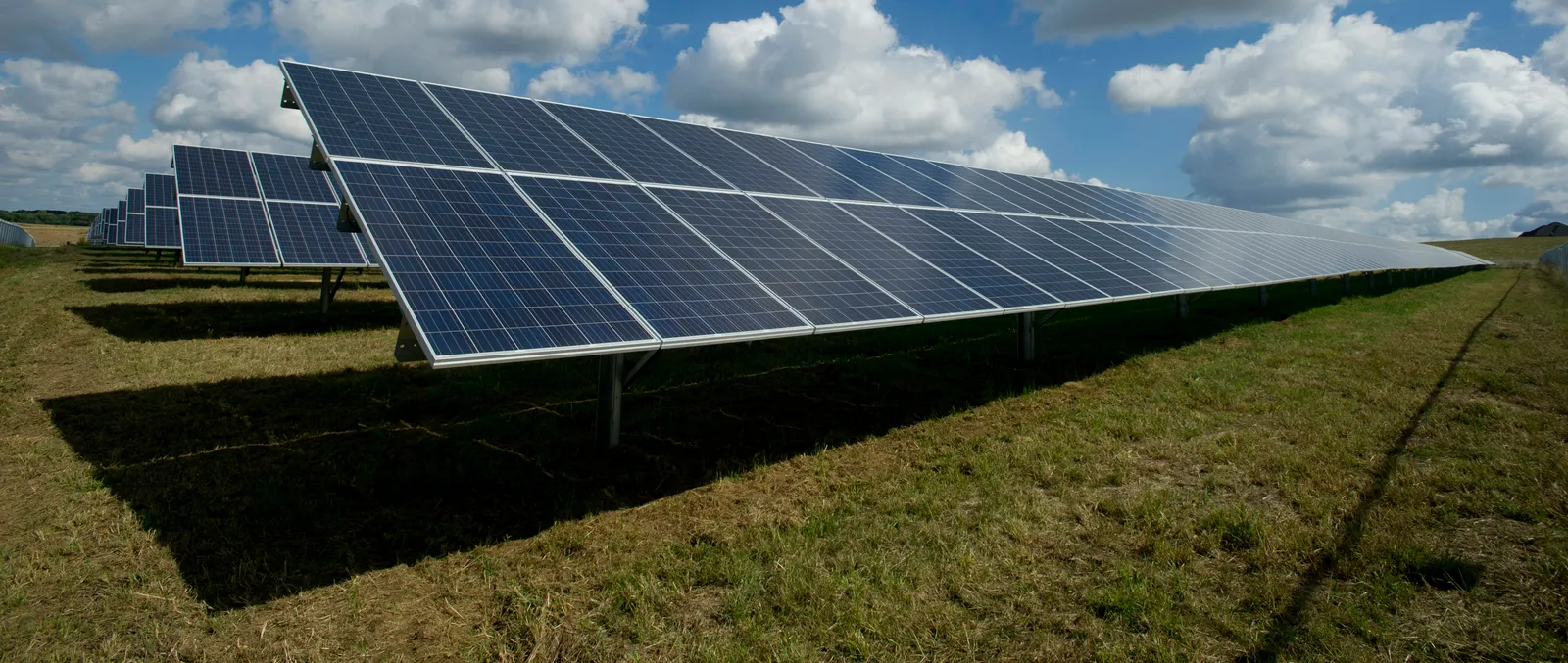
Material and equipment protection
- Monitoring designated storage areas
- Recording incoming and outgoing materials
- Verifying authorised dispatch documentation
- Reporting damaged or missing items
- Coordinating with the project stores team
Personnel and contractor management
- Entry and exit records
- Visitor identification
- Contractor access coordination
- Restricted-area access control
- Reporting unauthorised entry attempts
Perimeter and site monitoring
- Routine patrols
- Monitoring of gates and vulnerable access points
- Lighting observations
- Reporting damaged fencing or barriers
- Monitoring of designated surveillance equipment
Incident reporting
- Recording security observations
- Prompt escalation of theft, intrusion or suspicious activity
- Preservation of incident records
- Coordination with site management and lawful authorities when required
Security personnel do not replace the project team's technical safety officers, emergency responders or statutory enforcement agencies.
Operating plant security
- Personnel and visitor access management
- Restricted-area access control
- Perimeter patrols
- Monitoring of designated equipment and storage areas
- Control-room access management
- Coordination with operations and maintenance teams
- Security incident reporting
- Emergency communication procedures
- Shift handover and duty logs
- Monitoring of agreed security systems
Access to electrical installations and other hazardous areas remains subject to the site's technical authorisation and safety procedures.
Electronic surveillance and distributed assets
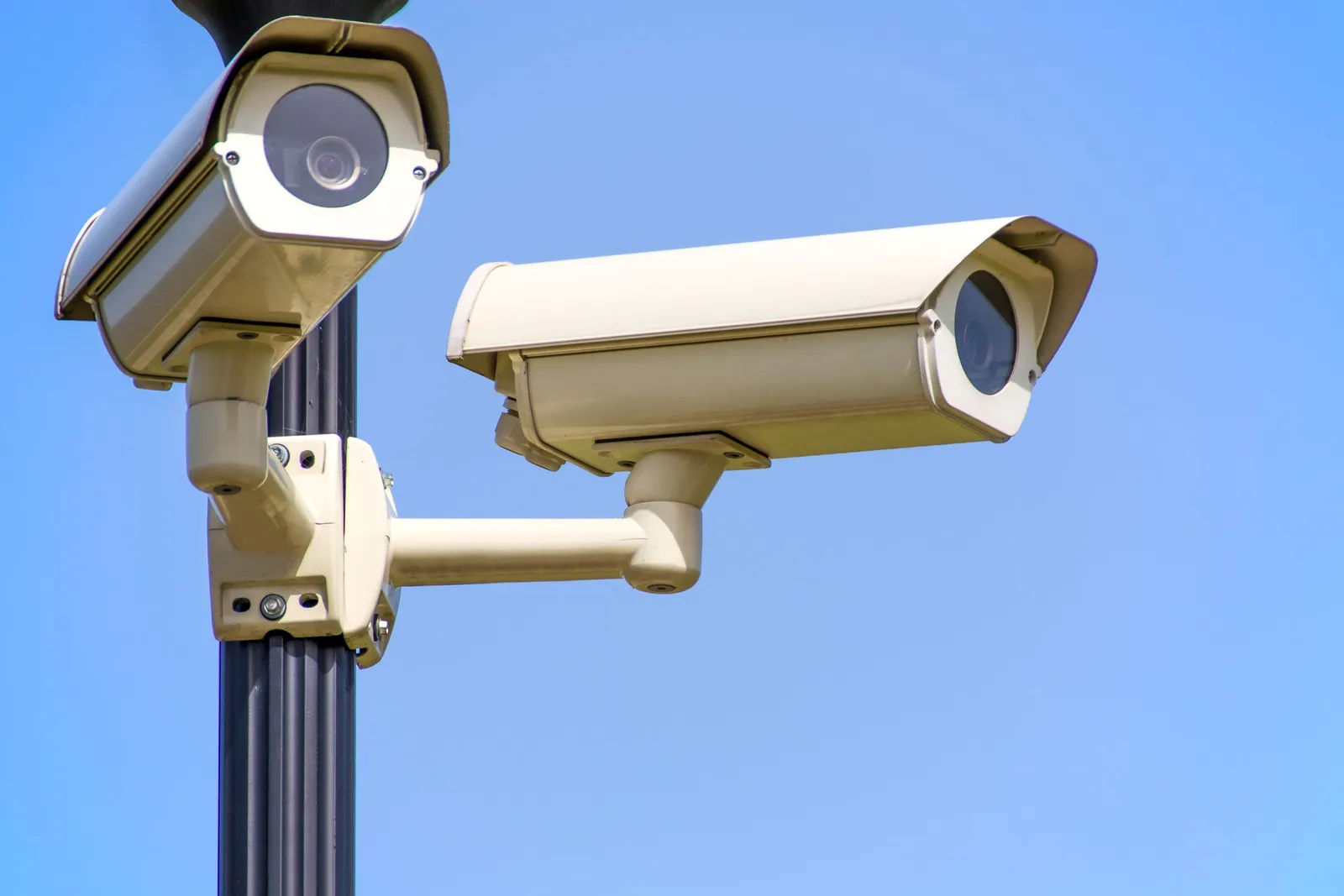
Electronic surveillance and security systems
Where required and legally permissible, BARREL can help coordinate the assessment, selection, installation or management of security technologies through qualified providers:
- CCTV surveillance
- Video management systems
- Electronic access control
- Intrusion-detection systems
- Perimeter alarm systems
- Security lighting
- Visitor-management systems
- Gate-entry recording
- Communication equipment
- Alarm monitoring and escalation
- Integration of approved security systems
System selection considers site conditions, power availability, connectivity, storage, cybersecurity, privacy and maintainability. Video and access records are handled in line with applicable privacy, data-protection and employment requirements.
Remote and distributed assets
Renewable portfolios and transmission networks may involve multiple locations separated by significant distances. A distributed-security framework standardises procedures while allowing site-specific arrangements:
- Common operating procedures
- Standardised incident categories
- Defined reporting formats
- Site-wise risk registers
- Escalation matrices
- Patrol and inspection schedules
- Centralised reporting where supported
- Periodic site-security reviews
- Coordination between security and asset-management teams
Emergency preparedness, incidents and reporting

Incidents the procedures address
- Unauthorised entry
- Theft or attempted theft
- Vandalism
- Material loss
- Trespassing
- Fire or other emergencies
- Medical emergencies
- Public disturbances
- Damage to perimeter infrastructure
- Suspicious activity
- Security-system failures
The plan names the site contacts, escalation sequence, reporting requirements and coordination with the client's emergency-response team and authorities. Security personnel do not undertake hazardous technical interventions beyond their training and authority.
Governance and reporting
- Daily duty reports
- Shift handover records
- Attendance and deployment records
- Visitor and vehicle registers
- Patrol logs
- Incident reports
- Security-system status reports
- Corrective-action tracking
- Periodic risk reviews
- Client review meetings
- Training and competency records
- Monthly service-performance summaries
The exact reports depend on the site, service model and client requirements.
Security service models
Static guarding
Security personnel at designated entry points or facilities.
Project-site security
Security arrangements for construction sites, material yards and project offices.
Plant security
Security services for operating power facilities.
Multi-site security management
Coordinated procedures and reporting across multiple locations.
Electronic security coordination
Assessment and coordination of suitable surveillance and access-control systems.
Security assessment and planning
A defined engagement to review site risks and recommend a security framework.
Integrated site-support package
Security coordination alongside separately contracted site services, where operationally suitable.
Compliance and professional standards
Security services must comply with applicable laws and licensing requirements, including relevant provisions of the Private Security Agencies (Regulation) Act, 2005, where applicable, and the rules in force in the relevant state. Before engagement, clients should confirm:
- The legal identity of the service provider
- Applicable operating licences
- Personnel verification and training requirements
- Insurance and contractual responsibilities
- Labour-law compliance
- Incident-reporting procedures
- Data-protection arrangements
- Scope of permitted security activities
- Use-of-force and escalation policies
- Responsibility for specialist equipment
Security arrangements reduce risk; they are not represented as guaranteeing the prevention of every incident.
Why BARREL security services?
Power-sector focus
Security arrangements are developed with the practical operating needs of plants, substations and construction sites in mind.
Site-specific planning
The approach considers the location, layout, assets, operating schedules and risks of each facility.
Documented accountability
Duty records, incident reports and escalation procedures support transparent service management.
Coordination with site operations
Security procedures are aligned with authorised site access and operating requirements.
Scalable arrangements
Services can be considered for a single site or a portfolio of facilities.
Protect your project from avoidable security risks.
Share the location, type of facility, site area, operating schedule, asset profile and current security arrangements. BARREL can assess the requirements and identify an appropriate security service model, subject to the relevant licences and delivery arrangements.
Your name, email, project location and stage are all we need to respond. The more you share, the more specific our first reply can be.



Planning a power project? Let's build it on BARREL.
Every power project has its own technical requirements, commercial objectives, regulatory dependencies and implementation challenges. Tell us what you are planning, where you are in the project lifecycle and what support you need.
BARREL — Bharat Atom Renewable Resources Energy Limited · Rooted in Bharat. Global by Vision.